Are You Struggling With Sleep Paralysis?
If you have ever woken up in the middle of the night unable to move or speak, you may be experiencing sleep paralysis. This common phenomenon can be frightening and unsettling, but there are ways to cope with it. In this article, we will explore some top tips for managing sleep paralysis and getting a better night’s sleep.
Understanding Sleep Paralysis
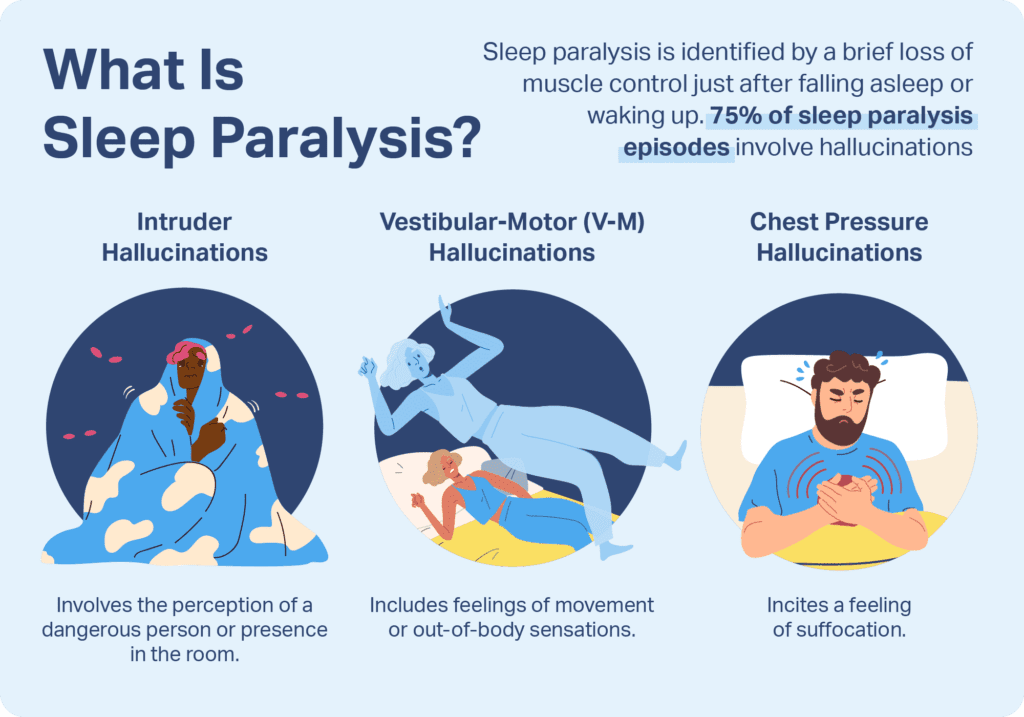
Sleep paralysis occurs when you are caught between being fully asleep and awake. During this state, your body is temporarily paralyzed, making it difficult to move or speak. This can be accompanied by hallucinations or a feeling of pressure on your chest. While it may only last a few seconds to a few minutes, it can feel much longer when you are experiencing it.
What Causes Sleep Paralysis?
There are several factors that can contribute to sleep paralysis. It can occur as a result of disrupted sleep patterns, stress, anxiety, or even sleep disorders such as narcolepsy. Some people may be more prone to experiencing sleep paralysis if they sleep on their back or have a history of sleep disturbances. It is important to understand the underlying causes of your sleep paralysis in order to effectively manage it.
Top Tips For Coping With Sleep Paralysis
Now that we have a better understanding of what sleep paralysis is and what can cause it, let’s explore some top tips for coping with this unsettling phenomenon.
Improve Your Sleep Hygiene
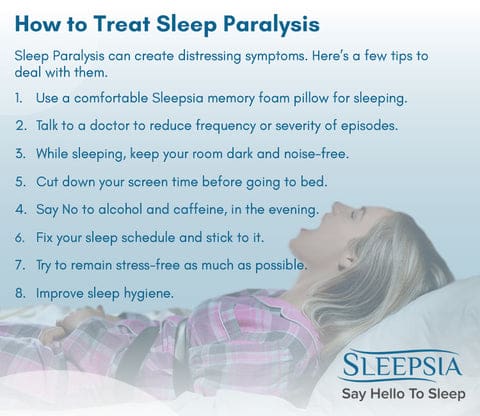
One of the best ways to cope with sleep paralysis is to improve your overall sleep hygiene. This includes establishing a regular sleep schedule, creating a relaxing bedtime routine, and making your sleep environment comfortable and conducive to sleep. By prioritizing your sleep health, you can reduce the frequency and severity of sleep paralysis episodes.
Avoid Stimulants Before Bed
Stimulants such as caffeine and nicotine can interfere with your ability to fall asleep and stay asleep. Avoiding these substances in the hours leading up to bedtime can help improve the quality of your sleep and reduce the likelihood of experiencing sleep paralysis. Instead, opt for calming activities such as reading or listening to soothing music before bed.
Manage Stress and Anxiety
Stress and anxiety can exacerbate sleep paralysis episodes, making them more frequent and intense. Finding healthy ways to manage stress, such as practicing mindfulness or deep breathing exercises, can help calm your mind and body before bedtime. Consider incorporating relaxation techniques into your daily routine to promote a sense of peace and well-being.
Sleep on Your Side
Some people find that sleeping on their back increases the likelihood of experiencing sleep paralysis. Try sleeping on your side instead, as this can help reduce the pressure on your chest and decrease the likelihood of paralysis. Experiment with different sleep positions to determine what works best for you and enhances the quality of your sleep.
Seek Professional Help
If you continue to struggle with sleep paralysis despite trying various coping strategies, it may be helpful to seek professional help. A sleep specialist can evaluate your sleep patterns and symptoms to determine if there are any underlying sleep disorders contributing to your sleep paralysis. They can also provide personalized recommendations for improving your sleep health and managing your symptoms.
Create a Relaxing Bedtime Routine
Establishing a relaxing bedtime routine can help signal to your body that it is time to wind down and prepare for sleep. This can include activities such as taking a warm bath, practicing gentle yoga, or reading a book. Avoid stimulating activities such as watching TV or scrolling through your phone, as these can interfere with your ability to fall asleep peacefully.
Improve Your Sleep Environment
Creating a sleep-friendly environment can enhance the quality of your sleep and reduce the likelihood of experiencing sleep paralysis. Make sure your bedroom is cool, dark, and quiet, with comfortable bedding and supportive pillows. Consider using earplugs or a white noise machine to block out external disturbances that may disrupt your sleep.
Practice Relaxation Techniques
Incorporating relaxation techniques into your daily routine can help calm your mind and body, making it easier to fall asleep and stay asleep. Consider practicing deep breathing exercises, progressive muscle relaxation, or guided imagery before bed. These techniques can help reduce stress and anxiety, promoting a sense of calm and peace as you drift off to sleep.
Maintain a Healthy Sleep Schedule
Establishing a consistent sleep schedule can help regulate your body’s internal clock and improve the quality of your sleep. Aim to go to bed and wake up at the same time every day, even on weekends. This can help train your body to recognize when it is time to sleep and when it is time to wake up, reducing the likelihood of experiencing sleep paralysis.
Conclusion
Sleep paralysis can be a frightening and unsettling experience, but there are ways to cope with it and improve the quality of your sleep. By prioritizing your sleep health, managing stress and anxiety, and creating a relaxing bedtime routine, you can reduce the frequency and severity of sleep paralysis episodes. Remember that seeking professional help from a sleep specialist may be beneficial if you continue to struggle with sleep paralysis despite trying various coping strategies. With the right approach, you can overcome sleep paralysis and enjoy a restful night’s sleep.