Adapting To Life With Sleep Paralysis
Have you ever experienced the terrifying feeling of being awake but unable to move or speak? This phenomenon is known as sleep paralysis, and it affects millions of people worldwide. If you have been struggling with sleep paralysis, you are not alone. In this article, we will discuss what sleep paralysis is, its causes, symptoms, and most importantly, how to adapt to living with this condition.
Understanding Sleep Paralysis
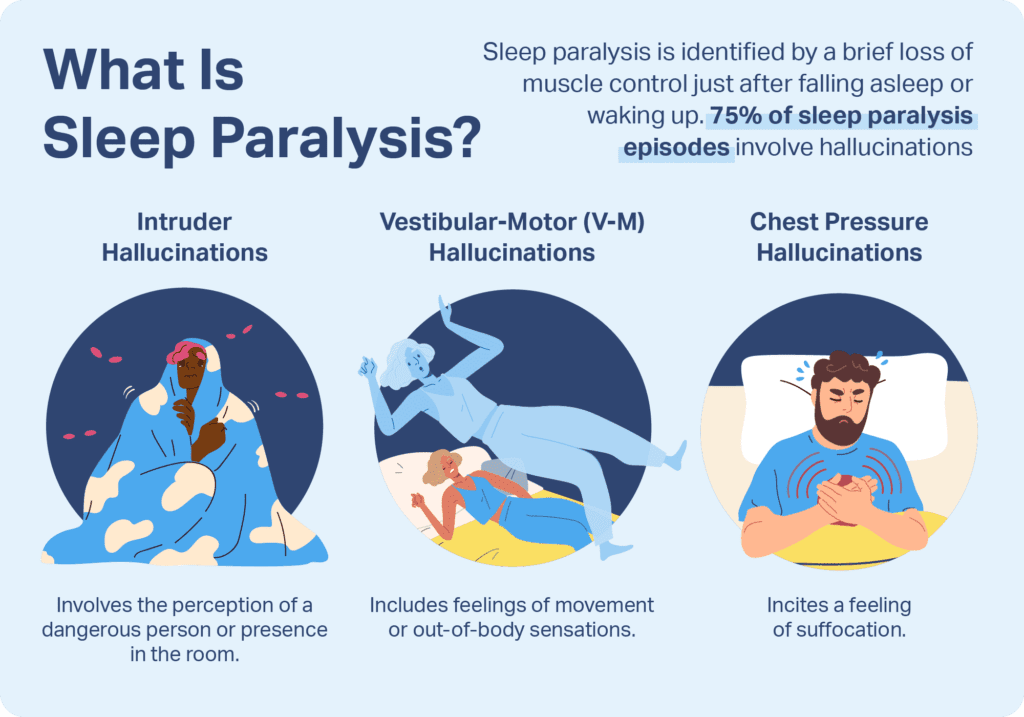
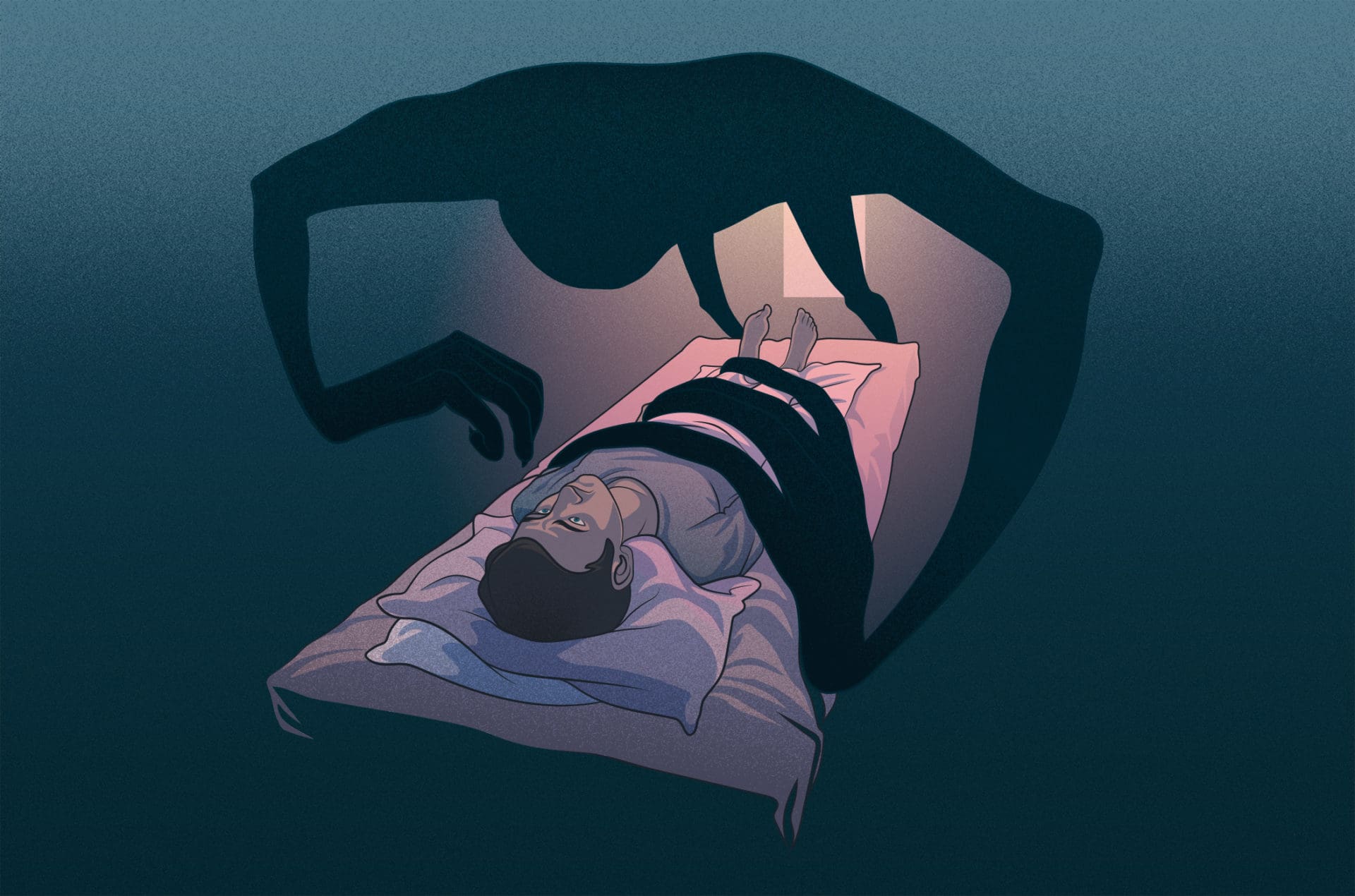
Sleep paralysis is a phenomenon that occurs when a person is either falling asleep or waking up. During this state, the individual is aware of their surroundings but unable to move or speak. This can be a frightening experience, as some people report feeling a heavy weight on their chest or the presence of a sinister figure in the room. While sleep paralysis is not physically harmful, it can cause significant distress and anxiety.
Causes of Sleep Paralysis
There are several factors that can contribute to the development of sleep paralysis. One of the most common causes is disrupted sleep patterns, such as jet lag or irregular sleep schedules. Stress and anxiety can also play a role in triggering episodes of sleep paralysis. Additionally, certain sleep disorders, such as narcolepsy, have been linked to an increased risk of experiencing sleep paralysis. It is important to identify any underlying issues that may be contributing to your sleep paralysis in order to effectively manage the condition.
Symptoms of Sleep Paralysis
The main symptom of sleep paralysis is the inability to move or speak while awake. This can be accompanied by a feeling of pressure on the chest, difficulty breathing, and intense fear. Some individuals may also experience hallucinations during episodes of sleep paralysis, which can be visual, auditory, or tactile in nature. These symptoms typically last for a few seconds to a few minutes but can feel much longer to the person experiencing them.
Coping Strategies for Sleep Paralysis
Dealing with sleep paralysis can be challenging, but there are several coping strategies that can help you manage this condition. One of the most important things you can do is establish a consistent sleep schedule and practice good sleep hygiene. This includes avoiding caffeine and electronics before bed, creating a relaxing bedtime routine, and ensuring your sleep environment is conducive to restful sleep.
Another helpful strategy is to reduce stress and anxiety in your life through mindfulness techniques, exercise, and therapy. Stress can exacerbate episodes of sleep paralysis, so finding healthy ways to manage stress is crucial. In addition, practicing relaxation techniques such as deep breathing or progressive muscle relaxation can help calm your mind and body before sleep.
Seeking Professional Help
If you are struggling to cope with sleep paralysis on your own, it may be beneficial to seek professional help. A sleep specialist can conduct a thorough evaluation to rule out any underlying sleep disorders and recommend appropriate treatment options. Cognitive-behavioral therapy (CBT) has been shown to be effective in treating sleep paralysis by addressing negative thought patterns and behaviors that may be contributing to the condition.
In some cases, medication may be prescribed to help manage symptoms of sleep paralysis. It is important to work closely with your healthcare provider to find the right treatment approach for you. Remember, you do not have to face this challenge alone, and there are resources available to help you navigate life with sleep paralysis.
Lifestyle Changes for Better Sleep
Making positive lifestyle changes can have a significant impact on your sleep quality and overall well-being. In addition to establishing a regular sleep schedule and reducing stress, there are several other steps you can take to improve your sleep hygiene. Avoiding heavy meals and caffeine close to bedtime, creating a relaxing bedtime routine, and ensuring your sleep environment is dark, quiet, and cool can all contribute to better sleep.
Regular exercise is also important for promoting restful sleep and reducing the likelihood of experiencing sleep paralysis. Aim to incorporate physical activity into your daily routine, but be sure to avoid vigorous exercise close to bedtime. Additionally, practicing relaxation techniques such as meditation, yoga, or progressive muscle relaxation can help calm your mind and body before sleep.

Support and Community
Living with sleep paralysis can feel isolating, but it is important to remember that you are not alone. Seeking support from friends, family, or a support group can provide comfort and understanding as you navigate this condition. Connecting with others who share similar experiences can help you feel less alone and may even provide valuable insights into coping strategies that have worked for others.
There are also online resources and forums where you can connect with individuals who have experienced sleep paralysis and share your own journey. Remember, reaching out for support is a sign of strength, not weakness, and there is no shame in seeking help when you need it. Building a strong support network can make a world of difference in adapting to life with sleep paralysis.
Conclusion
Adapting to life with sleep paralysis can be a challenging journey, but with the right tools and support, you can learn to manage this condition effectively. By understanding the causes and symptoms of sleep paralysis, implementing coping strategies, seeking professional help when needed, making positive lifestyle changes, and connecting with a supportive community, you can navigate the challenges of sleep paralysis with resilience and grace.
Remember, you are not defined by your condition, and there is hope for a restful and peaceful night’s sleep. Take care of yourself, prioritize your well-being, and know that you are capable of adapting to life with sleep paralysis. You are strong, resilient, and worthy of support and understanding. Take each step of this journey with compassion and self-care, and know that brighter days are ahead.
Sleep paralysis may be a part of your life, but it does not define who you are. You are more than your condition, and you are deserving of love, support, and compassion. Keep moving forward, one step at a time, and know that you are never alone in this journey. Together, we can adapt to life with sleep paralysis and thrive despite its challenges.