

Are you tired of experiencing sleep paralysis and feeling helpless in those moments? Sleep paralysis can be a frightening and frustrating experience, but there are several effective strategies you can try to cope with it. In this article, we will explore some of the best ways to deal with sleep paralysis, providing you with useful techniques that can help you feel more in control and experience a more restful sleep. So, if you’re ready to take back the night, read on to discover these helpful tips and tricks.

Seek Medical Advice
Consult a Doctor
If you are experiencing sleep paralysis, it is important to consult a doctor for proper diagnosis and guidance. A healthcare professional will be able to assess your symptoms, provide a proper evaluation, and determine if there are any underlying medical conditions that may be contributing to your sleep paralysis. They can also help rule out any other sleep disorders or potential causes. By seeking medical advice, you can get the necessary information and support to effectively address your sleep paralysis.
Understand the Causes
It is crucial to understand the potential causes of sleep paralysis in order to better cope with it. Sleep paralysis can be triggered by various factors such as sleep deprivation, irregular sleep patterns, excessive stress, anxiety disorders, and even certain medications. By understanding these causes, you can make lifestyle changes and develop strategies to reduce their impact on your sleep. Educating yourself about the potential causes will empower you to take control of your sleep paralysis and work towards managing it effectively.
Discuss Medication Options
In some cases, medication may be prescribed to manage sleep paralysis, especially if there is an underlying sleep disorder or mental health condition. Anti-anxiety medications, antidepressants, and sleep aids are among the medications that might be considered. It is important to discuss your symptoms, concerns, and any potential side effects with your doctor before starting any medication. They can guide you through the possible medication options, help you understand the risks and benefits, and monitor your progress to ensure the most effective treatment plan for your specific situation.
Establish a Consistent Sleep Schedule
Maintain Regular Bedtime and Wake-Up Time
Maintaining a consistent sleep schedule is crucial for managing sleep paralysis. It is important to establish a bedtime and wake-up time that you can stick to, even on weekends or during holidays. By setting a regular sleep routine, you can regulate your body’s internal clock and improve the overall quality of your sleep. This consistency will help reduce the occurrence of sleep paralysis episodes and make your sleep more restful.
Create a Relaxing Bedtime Routine
Incorporating a relaxing bedtime routine can significantly improve your sleep quality and potentially reduce the likelihood of sleep paralysis. Engaging in calming activities such as taking a warm bath, reading a book, or practicing gentle stretching exercises can help signal to your body that it is time to wind down and prepare for sleep. Avoid stimulating activities, such as intense exercise or watching thrilling movies, close to bedtime as they can disrupt your sleep and increase the chances of sleep paralysis episodes.
Avoid Stimulants Before Bed
Stimulants such as caffeine, nicotine, and alcohol can disrupt your sleep cycle and increase the likelihood of sleep paralysis. It is advisable to avoid consuming these substances in the hours leading up to bedtime. Opt for decaffeinated beverages, herbal teas, or warm milk instead. By minimizing the intake of stimulants before bed, you can create a more conducive sleep environment and potentially reduce the occurrence of sleep paralysis.
Improve Sleep Environment
Darken the Room
Creating a dark environment in your bedroom can promote better sleep and reduce the chances of experiencing sleep paralysis. Use blackout curtains or blinds to block out any external sources of light, such as streetlights or early morning sunlight. If you find it difficult to sleep in complete darkness, consider using a sleep mask to eliminate any residual light that might interfere with your sleep. A darkened room will help signal your brain that it is time for restful sleep, potentially reducing the frequency of sleep paralysis episodes.
Keep the Room Cool
Maintaining a cool and comfortable sleep environment can greatly improve your overall sleep quality. Lowering the room temperature to around 65 degrees Fahrenheit (18 degrees Celsius) can facilitate better sleep and minimize the chances of sleep paralysis. Invest in a good-quality cooling mattress or use breathable bedding materials that promote airflow and regulate body temperature. By keeping the room cool, you create an optimal sleep environment that can help reduce the occurrence of sleep paralysis.
Invest in a Comfortable Mattress and Pillow
Having a comfortable mattress and pillow can make a significant difference in your sleep quality and potentially help manage sleep paralysis. Opt for a mattress that provides adequate support for your body and aligns your spine properly. Choose a pillow that suits your preferred sleep position and provides proper neck support. Investing in high-quality sleep essentials will ensure that you are able to rest comfortably, potentially reducing the chances of experiencing sleep paralysis.
Practice Stress Management Techniques
Deep Breathing Exercises
Engaging in deep breathing exercises can help calm your mind and relax your body, making it easier to fall asleep and potentially reducing the occurrence of sleep paralysis. Before bed, find a quiet and comfortable space where you can sit or lie down. Take slow, deep breaths, focusing on filling your lungs completely and then exhaling slowly. Deep breathing activates the body’s relaxation response, helping to alleviate stress and promoting a more peaceful sleep.
Progressive Muscle Relaxation
Progressive muscle relaxation is a technique that involves systematically tensing and relaxing different muscle groups to release tension and induce relaxation. This technique can be particularly helpful for managing sleep paralysis. Starting from the toes and working your way up to the top of your head, contract each muscle group for a few seconds and then release, focusing on the feeling of relaxation as you let go of the tension. This practice can help relieve physical and mental stress, making it easier to fall asleep and potentially reducing the occurrence of sleep paralysis.
Meditation or Mindfulness
Incorporating meditation or mindfulness practices into your daily routine can have a positive impact on your sleep and overall well-being. Set aside a few minutes each day to practice meditation, focusing on your breath or a peaceful mantra. Alternatively, engage in mindfulness activities such as mindful walking or eating. These practices promote relaxation, reduce stress, and can contribute to better sleep quality. By incorporating meditation or mindfulness into your routine, you can create a calm and serene mental space that may help prevent sleep paralysis episodes.

Avoid Sleeping on Your Back
Sleeping Positions that Reduce Sleep Paralysis
Changing your sleeping position can significantly reduce the occurrence of sleep paralysis. Sleeping on your back increases the likelihood of experiencing this phenomenon. It is advisable to try sleeping on your side instead. Experiment with different pillow placements to provide proper support for your neck and spine while sleeping in a lateral position. By avoiding sleeping on your back, you can potentially reduce the frequency of sleep paralysis episodes.
Try Pillows or Special Devices
If changing your sleeping position alone does not help alleviate sleep paralysis, you may consider using pillows or special devices designed specifically for this purpose. Certain pillows are contoured to provide optimal support and placement for your head and neck, reducing the chances of sleep paralysis. Additionally, there are devices available that can help keep you in a side-sleeping position throughout the night. These options can provide extra assistance in preventing sleep paralysis and ensuring a more restful sleep.
Create a Safe Sleep Environment
Remove Clutter and Obstacles
It is important to create a safe sleep environment to reduce the risk of injury during sleep paralysis episodes. Clear your bedroom of any clutter or obstacles that may pose a tripping hazard. Remove any sharp or fragile objects from your nightstand or nearby surfaces to prevent accidental injury in case of sudden movements during sleep paralysis. By creating a safe and clutter-free sleep environment, you can rest assured that your physical well-being is protected.
Place a Night Light in the Room
Adding a night light to your bedroom can offer a sense of comfort and security during sleep paralysis episodes. When you wake up and find yourself unable to move, the gentle illumination can help alleviate feelings of fear or disorientation. Choose a night light with a soft, warm glow that won’t disrupt your sleep. The subtle light can provide reassurance and make it easier to navigate your surroundings until the episode passes.
Secure Loose Objects in the Bedroom
During sleep paralysis, involuntary movements can occur, and it is important to take precautions to prevent accidents. Secure any loose objects in your bedroom, such as rugs or cords, that may cause tripping or entanglement. This will minimize the chances of injury if you happen to have sudden movements during sleep paralysis. By taking the necessary steps to create a safe sleep environment, you can sleep more peacefully and confidently.

Develop Good Sleep Hygiene Habits
Limit Napping
Napping during the day can disrupt your sleep schedule and increase the chances of experiencing sleep paralysis. If you find it difficult to resist napping, try to limit it to 20-30 minutes and avoid napping too close to your regular bedtime. By maintaining a consistent sleep schedule and avoiding excessive daytime sleep, you can regulate your sleep pattern and potentially reduce the occurrence of sleep paralysis.
Avoid Technology Before Bed
The blue light emitted by electronic devices such as smartphones, tablets, and computers can interfere with your sleep. It suppresses the production of melatonin, the hormone that regulates sleep. To minimize the impact of technology on your sleep and reduce the likelihood of sleep paralysis, avoid using electronic devices at least one hour before bedtime. Instead, engage in relaxing activities such as reading a book, listening to calming music, or practicing a relaxation technique.
Limit Alcohol and Caffeine Intake
Alcohol and caffeine are known to disrupt sleep and can increase the chances of sleep paralysis. Alcohol may initially make you feel drowsy, but it can disrupt your sleep cycle, causing fragmented and less restful sleep. Caffeine, on the other hand, is a stimulant that can make it difficult to fall asleep and stay asleep. It is advisable to limit your consumption of alcohol and caffeine, especially close to bedtime, to improve your sleep quality and reduce the occurrence of sleep paralysis.
Educate Yourself about Sleep Paralysis
Learn About the Different Stages of Sleep
Educating yourself about the different stages of sleep can help demystify sleep paralysis and provide a better understanding of how it occurs. Sleep paralysis often manifests during the transition between wakefulness and sleep, typically during rapid eye movement (REM) sleep. Knowing the stages of sleep can help you recognize when sleep paralysis is more likely to occur and allow you to implement preventive strategies. This knowledge empowers you to take control of your sleep and work towards managing sleep paralysis more effectively.
Understand the Science behind Sleep Paralysis
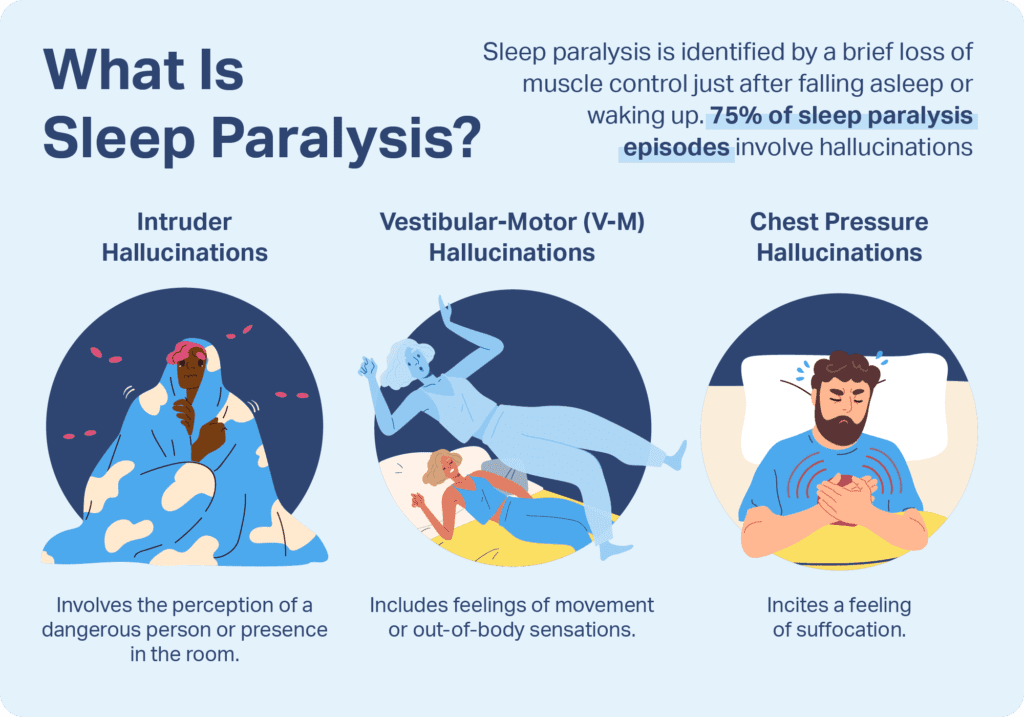
Understanding the science behind sleep paralysis can help alleviate the fear and anxiety associated with it. Sleep paralysis occurs when the brain temporarily disconnects from the body during sleep, resulting in the inability to move or speak. This physiological response is a natural part of the sleep process and serves as a protective mechanism to prevent us from acting out our dreams. By delving into the scientific explanations behind sleep paralysis, you can gain a sense of perspective and realize that it is a common occurrence that can be managed.
Read Personal Experiences and Coping Strategies
Reading personal experiences and coping strategies shared by individuals who have dealt with sleep paralysis can provide valuable insights and inspiration. Online forums, support groups, and books dedicated to sleep disorders can be excellent resources for finding firsthand accounts and helpful tips. Learning from others who have successfully coped with sleep paralysis can give you a sense of community, validation, and motivation to implement strategies that work for you. Remember that everyone’s experience is unique, so experimenting with different techniques and finding what suits you best is essential.

Utilize Cognitive-Behavioral Therapy
Identify and Challenge Negative Thoughts
Cognitive-behavioral therapy (CBT) is a widely recognized therapy approach that can be effective in managing sleep paralysis. One technique of CBT involves identifying and challenging negative thoughts and beliefs related to sleep paralysis. By recognizing and reframing these thoughts, you can shift your mindset from fear and helplessness to empowerment and control. This cognitive restructuring can help reduce anxiety and stress surrounding sleep paralysis, leading to a more positive sleep experience.
Engage in Imagery Rehearsal Therapy
Imagery rehearsal therapy is a technique that involves replacing distressing or traumatic images associated with sleep paralysis with more positive and calming imagery. By visualizing a different, more peaceful outcome during sleep paralysis, you can reprogram your subconscious mind and reduce the distressing effects of the experience. Practicing imagery rehearsal therapy regularly, especially before sleep, can help transform your perception of sleep paralysis and potentially reduce its impact on your sleep.
Work with a Therapist
A therapist specializing in sleep disorders can provide valuable guidance and support in managing sleep paralysis. They can help you navigate the psychological aspects of sleep paralysis, assist in implementing cognitive-behavioral techniques, and tailor an individualized treatment plan based on your specific needs. Working with a therapist can provide a safe space for exploration, reflection, and growth, helping you develop the necessary skills to overcome challenges related to sleep paralysis and improve your overall sleep health.
Explore Alternative Therapies
Acupuncture
Acupuncture is an ancient Chinese practice that involves the insertion of thin needles into specific points along the body to stimulate energy flow and restore balance. Some individuals have reported positive effects on sleep and relaxation after acupuncture sessions. As a complementary therapy, acupuncture may be worth exploring as it can potentially help reduce stress and improve sleep quality, thereby minimizing the occurrence of sleep paralysis.
Hypnosis
Hypnosis is another alternative therapy that may be beneficial in managing sleep paralysis. Under the guidance of a trained hypnotherapist, you enter a relaxed state where suggestions and imagery can be used to enhance relaxation and improve sleep quality. Hypnosis can help address anxiety and stress, which are often associated with sleep paralysis. By incorporating hypnosis into your routine, you can promote a more restful sleep and potentially decrease the frequency of sleep paralysis episodes.
Herbal Remedies
Herbal remedies, such as valerian root, chamomile, or lavender, have long been used to promote relaxation and improve sleep quality. While scientific evidence supporting their effectiveness is limited, some individuals find these remedies helpful in managing sleep-related issues, including sleep paralysis. It is important to consult with a healthcare professional or qualified herbalist before incorporating herbal remedies into your routine, as they may interact with certain medications or have contraindications.
In conclusion, sleep paralysis can be a distressing experience, but there are numerous strategies and techniques that can help you cope with and manage it effectively. Seeking medical advice, establishing a consistent sleep schedule, creating a sleep-conducive environment, practicing stress management techniques, adopting good sleep hygiene habits, educating yourself about sleep paralysis, utilizing cognitive-behavioral therapy, and exploring alternative therapies can all contribute to reducing the frequency and impact of sleep paralysis episodes. Remember that everyone’s experience with sleep paralysis is unique, so it may take some time and experimentation to find the strategies that work best for you. Be patient, stay positive, and keep striving for restful and rejuvenating sleep.