The Intriguing Phenomenon of Sleep Paralysis
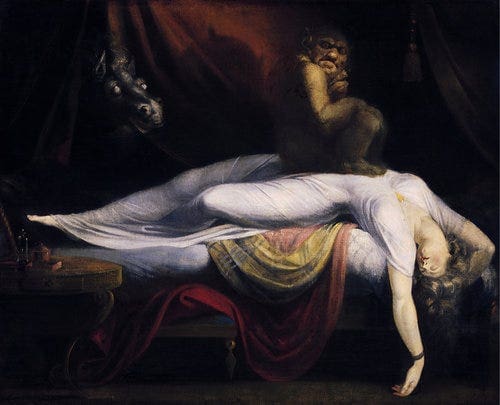
Have you ever found yourself waking up in the middle of the night unable to move, feeling an immense pressure on your chest, and sensing a presence in the room with you? This unsettling experience is known as sleep paralysis and has been reported by people from various cultures for centuries. In this article, we will delve into the fascinating phenomenon of sleep paralysis and explore how it is interpreted through the concept of fate in different cultures around the world.
Understanding Sleep Paralysis
Sleep paralysis is a phenomenon that occurs when a person wakes up or falls asleep and finds themselves unable to move or speak. This temporary inability to move is often accompanied by a feeling of pressure on the chest, as well as hallucinations and intense fear. While sleep paralysis is a relatively common experience, with up to 40% of people reporting having experienced it at least once in their lifetime, it can be incredibly distressing for those who go through it.
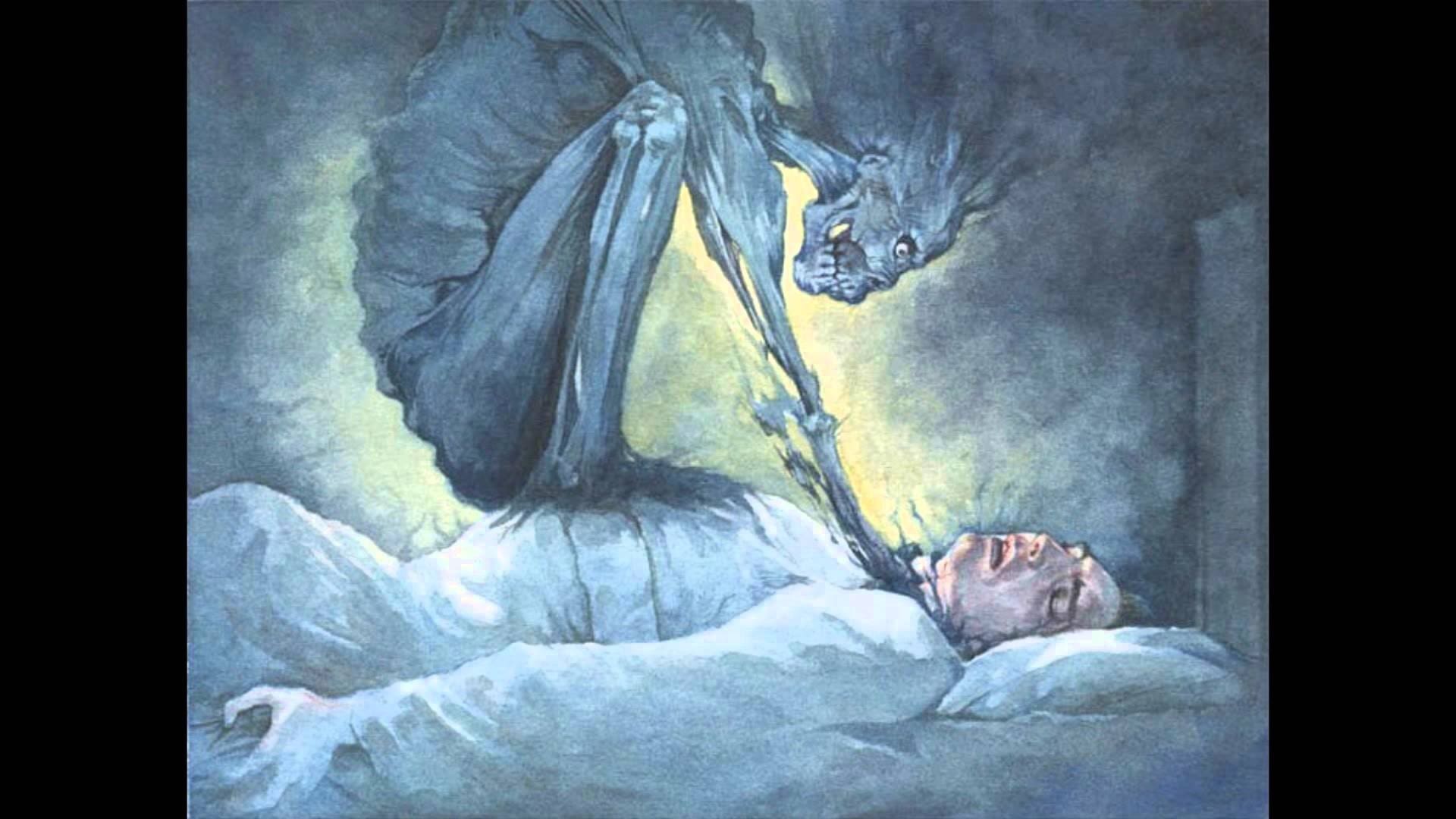
One common characteristic of sleep paralysis is the feeling of a presence in the room, often described as an evil entity or malevolent force. This sensation can be extremely unsettling and has led many people to believe that they are being visited by demons or other supernatural beings during sleep paralysis episodes. However, from a scientific perspective, sleep paralysis is a natural occurrence that happens when the body transitions between sleep stages and the brain is still in a state of REM (rapid eye movement) sleep.
The Role of Culture in Interpreting Sleep Paralysis
While sleep paralysis is a universal phenomenon that can affect people from all walks of life, the way it is interpreted and understood varies greatly across different cultures. In some cultures, sleep paralysis is seen as a medical or psychological condition that can be explained through scientific reasoning. In others, it is believed to be a spiritual or supernatural experience, with deep roots in folklore and mythology.
The cultural interpretation of sleep paralysis often shapes how individuals perceive and cope with the phenomenon. For example, in Western cultures, sleep paralysis is typically viewed as a sleep disorder that can be treated with medication or therapy. On the other hand, in countries such as Nigeria and Mexico, sleep paralysis is often attributed to spiritual causes and is seen as a sign of supernatural activity or divine intervention.
Cultural Beliefs and Superstitions Surrounding Sleep Paralysis
In many cultures, sleep paralysis is linked to supernatural beliefs and superstitions that have been passed down through generations. For example, in the southern United States, the phenomenon of sleep paralysis is often referred to as “the Old Hag,” a malevolent entity that sits on the chest of its victims and causes them to experience feelings of suffocation and fear.
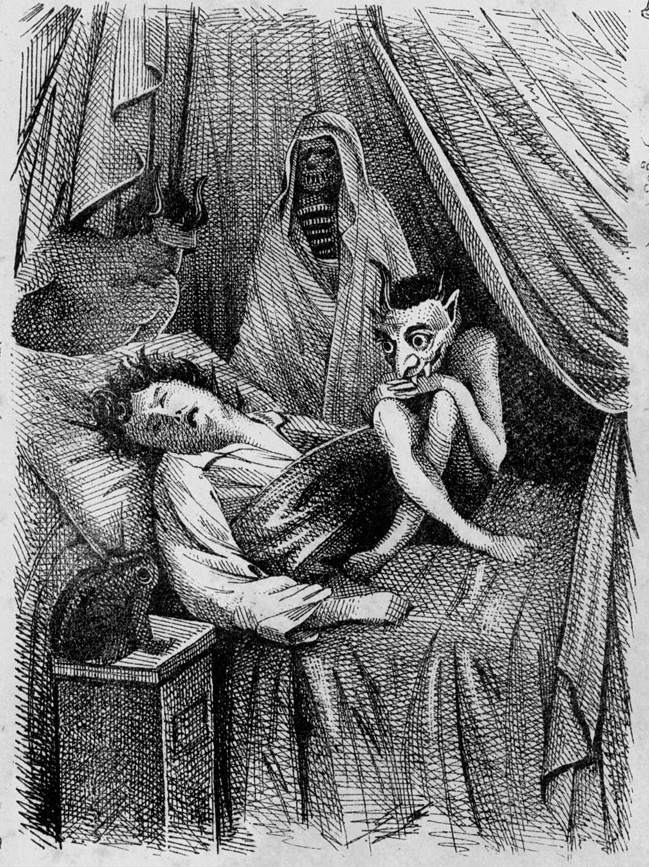
In Japanese culture, sleep paralysis is known as “kanashibari,” which translates to “bound in metal.” This term reflects the belief that the body becomes immobilized due to being trapped in a metal suit during sleep paralysis episodes. Similarly, in Turkish folklore, sleep paralysis is seen as the work of demons or evil spirits who try to possess the body while it is vulnerable during sleep.
The Concept of Fate in Relation to Sleep Paralysis
In various cultures, the experience of sleep paralysis is often intertwined with the concept of fate and destiny. Many people believe that experiencing sleep paralysis is a sign of fate or a predetermined path that they must follow. In some cultures, it is believed that sleep paralysis is a message from the gods or ancestors, guiding individuals towards their destiny or warning them of impending danger.
The idea of fate and destiny in relation to sleep paralysis can provide comfort to those who experience this phenomenon, as it offers a sense of purpose and meaning to an otherwise terrifying experience. By viewing sleep paralysis through the lens of fate, individuals may be able to find solace in the belief that there is a greater plan at work, beyond their control.
The Psychological Impact of Sleep Paralysis
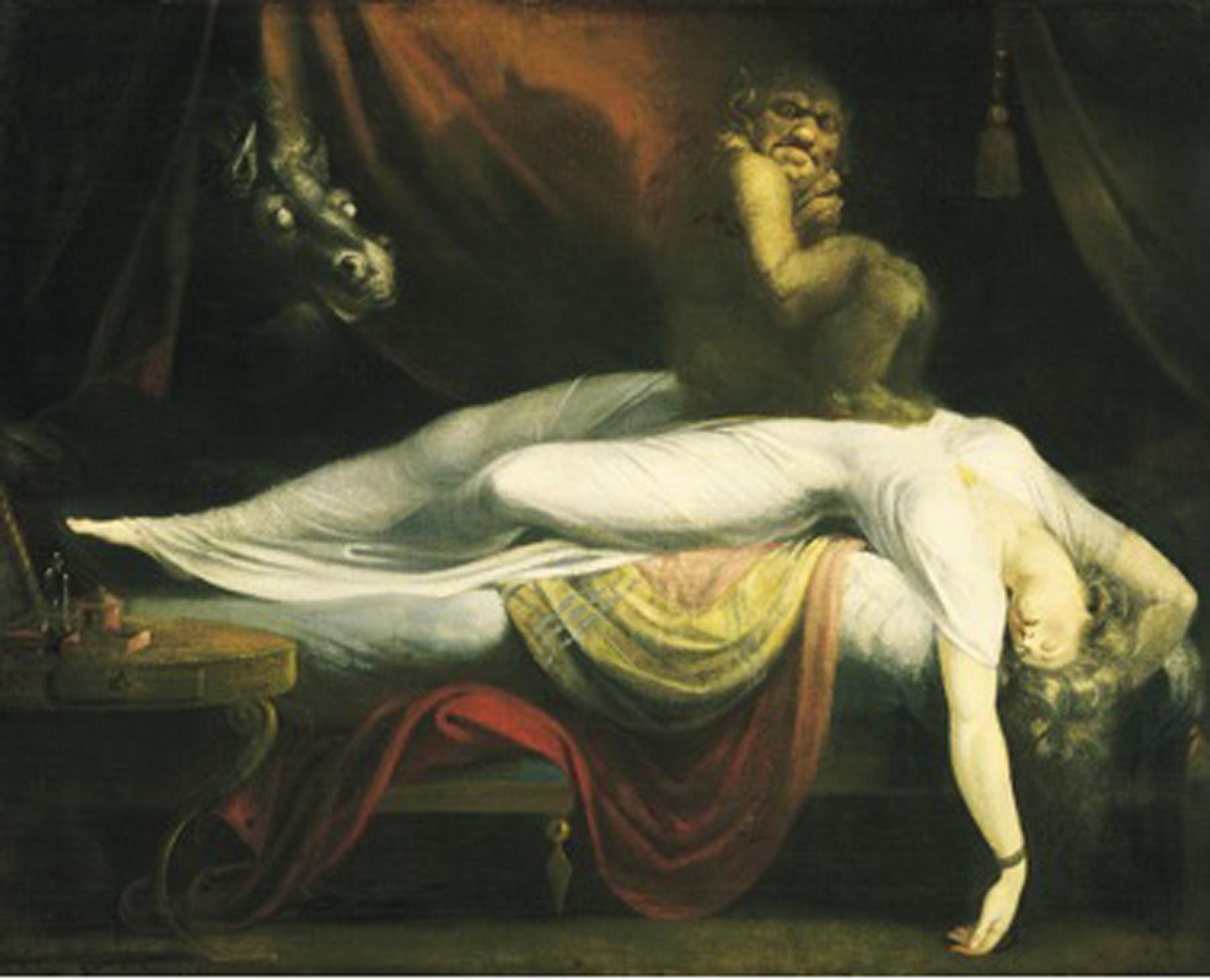
While sleep paralysis is often seen through a cultural or spiritual lens, it is important to also consider the psychological impact that this phenomenon can have on individuals. The intense fear, hallucinations, and feelings of helplessness that accompany sleep paralysis can lead to significant anxiety and distress, especially for those who experience it regularly.
One common psychological effect of sleep paralysis is the development of sleep-related anxiety disorders, such as insomnia or panic attacks. The fear of experiencing another episode of sleep paralysis can cause individuals to avoid going to sleep or disrupt their sleep patterns in an attempt to prevent it from happening again. This can result in chronic sleep deprivation and other negative health consequences.
Coping Strategies for Dealing with Sleep Paralysis
If you have experienced sleep paralysis, it is essential to develop coping strategies to help manage the psychological effects of this phenomenon. One effective way to cope with sleep paralysis is to create a calming bedtime routine that promotes relaxation and reduces anxiety before going to sleep. This can include practices such as meditation, deep breathing exercises, or listening to soothing music.
Another helpful coping strategy for dealing with sleep paralysis is to educate yourself about the phenomenon and understand that it is a natural occurrence that many people experience. By gaining knowledge about sleep paralysis, you can demystify the experience and reduce the fear and anxiety that often accompany it. Additionally, seeking support from a mental health professional or joining a support group for individuals who experience sleep paralysis can provide valuable resources and guidance for coping with this phenomenon.

The Intersection of Science and Culture in Explaining Sleep Paralysis
As we have seen, sleep paralysis is a complex phenomenon that is influenced by both cultural beliefs and scientific explanations. While the scientific community attributes sleep paralysis to biological processes in the brain and body, many cultures interpret it through the lens of spirituality, fate, and supernatural forces. This intersection of science and culture in explaining sleep paralysis highlights the diversity of human experiences and the different ways in which we make sense of the world around us.
One of the challenges in understanding sleep paralysis lies in reconciling these divergent perspectives and finding common ground between scientific explanations and cultural interpretations. By respecting the beliefs and traditions of different cultures while also acknowledging the scientific basis of sleep paralysis, we can gain a more comprehensive understanding of this intriguing phenomenon and its significance in the lives of those who experience it.
Bridging the Gap Between Science and Culture in Sleep Paralysis Research
In recent years, there has been growing interest in bridging the gap between science and culture in research on sleep paralysis. Studies have begun to explore how cultural beliefs and practices influence the experience of sleep paralysis and how these factors can be integrated into treatment and intervention strategies. By incorporating cultural perspectives into scientific research on sleep paralysis, we can gain a more nuanced understanding of this phenomenon and its impact on individuals from diverse backgrounds.
For example, researchers have found that cultural factors such as religious beliefs, spiritual practices, and ancestral traditions can play a significant role in how people interpret and cope with sleep paralysis. By acknowledging and addressing these cultural influences in research and clinical practice, healthcare providers can offer more holistic and culturally sensitive care to individuals who experience sleep paralysis. This approach can help reduce stigma, improve treatment outcomes, and promote greater understanding and empathy for those affected by this phenomenon.
Conclusion
In conclusion, sleep paralysis is a fascinating phenomenon that has captivated the minds of people from various cultures throughout history. By exploring the concept of fate and destiny in relation to sleep paralysis, we can gain insight into how this phenomenon is interpreted and understood across different cultural contexts. While science offers valuable insights into the biological processes that underlie sleep paralysis, cultural beliefs and traditions also play a significant role in shaping how individuals perceive and experience this phenomenon.
As we continue to investigate the complex interplay between science and culture in understanding sleep paralysis, it is essential to approach this phenomenon with an open mind and a willingness to learn from diverse perspectives. By embracing the diversity of human experiences and respecting the beliefs of different cultures, we can deepen our understanding of sleep paralysis and its profound impact on the lives of those who experience it.