
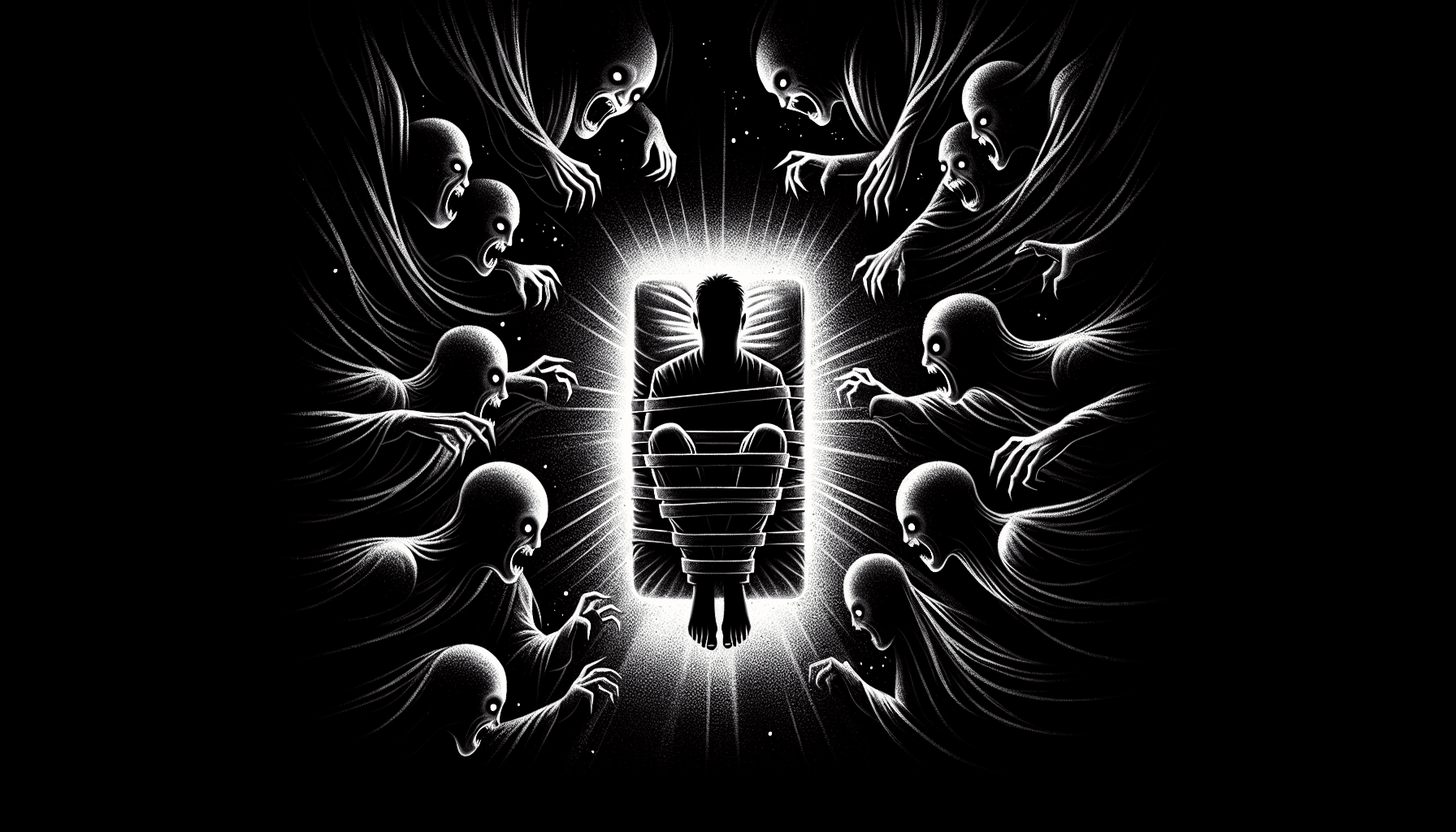
In the article, “Facing the Unknown: Confronting the Demonic Forces in Sleep Paralysis,” the phenomenon of sleep paralysis is explored, particularly focusing on the terrifying experiences individuals face when encountering demonic forces during this state. Sleep paralysis, a temporary inability to move or speak during the transition between sleep and wakefulness, affects a significant proportion of the population. This article delves into the various psychological and physiological factors behind sleep paralysis, and offers insights into how individuals can confront and overcome the haunting hallucinations that often accompany this puzzling condition.
Understanding Sleep Paralysis
Definition of sleep paralysis
Sleep paralysis is a temporary inability to move or speak that occurs either during the transition between wakefulness and sleep or upon waking up. It is often accompanied by a sense of pressure on the chest and a feeling of dread. People who experience sleep paralysis are fully conscious but unable to move their bodies. This phenomenon typically lasts for a few seconds to a few minutes, but the experience can be terrifying and disorienting.
Explanation of the sleep cycle
To understand sleep paralysis, it is important to grasp the basics of the sleep cycle. The sleep cycle consists of several stages, including rapid eye movement (REM) and non-rapid eye movement (NREM) sleep. During REM sleep, our brains are highly active, and vivid dreaming occurs. Conversely, during NREM sleep, our brains are in a more restful state. Sleep paralysis most commonly occurs during the transition between REM and wakefulness.
Causes and triggers of sleep paralysis
Sleep paralysis can be triggered by a variety of factors. Sleep deprivation, irregular sleep schedule, and certain sleep disorders such as narcolepsy have been found to increase the likelihood of experiencing sleep paralysis. Other factors that can contribute to its occurrence include stress, anxiety, and sleep position. Additionally, individuals with a family history of sleep paralysis may be more prone to experiencing it themselves.
The Demonic Element in Sleep Paralysis
Introduction to the demonic experiences during sleep paralysis
One peculiar aspect of sleep paralysis is the occurrence of vivid hallucinations and the sensation of the presence of a malevolent entity. These experiences can manifest in various forms, from shadowy figures to monstrous creatures. The demonic element in sleep paralysis has been widely reported across different cultures and historical periods. Many individuals describe an overwhelming feeling of terror and the belief that they are being tormented by a demonic force.
Historical and cultural beliefs surrounding sleep paralysis demons
Throughout history, sleep paralysis has been attributed to supernatural beings in folklore and mythology. Different cultures have their own interpretations of the demons or spirits responsible for these nocturnal visitations. For instance, the “Nightmare” or “Hag” is a common figure in European folklore, believed to sit on the chest of a sleeping individual, causing paralysis and nightmares. In Japanese folklore, the “Kanashibari” is a spirit that similarly afflicts sleepers with paralysis.
Symptoms and Experiences of Sleep Paralysis
Common physical and sensory symptoms during sleep paralysis
During episodes of sleep paralysis, individuals often report a range of physical symptoms. These can include a sensation of pressure on the chest, difficulty breathing, and an inability to move any part of the body. Furthermore, many people describe feeling an extreme heaviness or weight on their bodies, as if they are being held down. Visual and auditory hallucinations may also occur, adding to the already distressing nature of the experience.
Describing the feeling of an otherworldly presence
One of the most unsettling aspects of sleep paralysis is the feeling of an otherworldly presence in the room. Many individuals report sensing an invisible entity or seeing a shadowy figure lurking in the darkness. The presence is often described as malevolent and threatening, heightening feelings of fear and helplessness. Some individuals even report feeling a touch or an invisible force restraining them, intensifying the terror associated with sleep paralysis episodes.
Negative emotions and fear associated with demonic encounters
The encounters with demonic entities during sleep paralysis commonly evoke intense negative emotions. Fear, terror, and sheer panic are often experienced, rooted in the belief that the presence is evil and intends harm. These emotions can be overwhelming and have a lasting impact on an individual’s mental well-being. The psychological distress caused by these encounters warrants a deeper exploration of the underlying scientific explanations and potential interpretations.
Scientific Explanations and Interpretations
Neurological and physiological explanations for sleep paralysis
Scientific research suggests that sleep paralysis may be explained by the disruption of the normal transition between REM sleep and wakefulness. During REM sleep, our brain activity is similar to that when we are awake, with the exception of muscle atonia, a state of muscle paralysis. This paralysis is essential to prevent us from physically acting out our dreams. In sleep paralysis, it is hypothesized that this muscle atonia persists briefly upon awakening, leading to the sensation of being unable to move.
The role of the brain and REM sleep
Further research has indicated that the areas of the brain responsible for regulating sleep-wake transitions may malfunction during sleep paralysis. Functional magnetic resonance imaging (fMRI) studies have shown abnormalities in the regions of the brain involved in motor control and sensory perception. These findings support the theory that sleep paralysis is a result of a disruption in the normal functioning of the brain during the transition from REM sleep to wakefulness.
Psychological theories surrounding demonic encounters
Psychological explanations for the demonic encounters during sleep paralysis focus on the role of fear and the powerful influence of cultural beliefs and expectations. Sleep paralysis is often associated with feelings of vulnerability and a loss of control, which can amplify an individual’s pre-existing fears and anxieties. Furthermore, the cultural narratives surrounding sleep paralysis demons can shape an individual’s interpretation of the experience, leading to the attribution of supernatural causes.
The Psychological and Emotional Impact
Post-sleep paralysis trauma and distress
Sleep paralysis can have profound psychological and emotional effects on individuals who experience it. The intense fear and helplessness associated with the demonic encounters during sleep paralysis can lead to post-sleep paralysis trauma and distress. Some individuals may develop symptoms of post-traumatic stress disorder (PTSD), such as intrusive thoughts, nightmares, and avoidance of situations associated with the traumatic experiences.
Effects on mental health and well-being
The psychological impact of sleep paralysis extends beyond the immediate episodes. Chronic sleep paralysis and the associated fear of its recurrence can significantly disrupt an individual’s overall mental health and well-being. Persistent anxiety, sleep disturbances, and a heightened fear of sleep can arise as a result. These effects can have far-reaching consequences on an individual’s daily functioning and quality of life.
Coping mechanisms and strategies
Developing effective coping mechanisms and strategies is crucial for individuals dealing with the psychological and emotional aftermath of sleep paralysis. Seeking support from mental health professionals, such as therapists or counselors specializing in trauma and anxiety, can provide invaluable guidance and support. Cognitive-behavioral therapy (CBT) techniques, such as exposure therapy and cognitive restructuring, can help individuals reframe their thoughts and manage anxiety associated with sleep paralysis.
Myths, Legends, and Cultural Beliefs
Exploring different cultural interpretations of sleep paralysis demons
Sleep paralysis demons have been described in various ways across different cultures and belief systems. The striking similarities in the experiences reported by individuals from diverse backgrounds suggest common underlying psychological and physiological mechanisms. Exploring these cultural interpretations can shed light on the universality of the sleep paralysis phenomenon and its connection to human fears and beliefs.
Historical depictions of demons in folklore and mythology
Historical depictions of demons in folklore and mythology often align with the experiences reported during sleep paralysis. In different cultures, these demonic creatures are said to visit individuals during the night, causing paralysis and inducing fear. Interestingly, the similarities in the descriptions of these entities across cultures suggest a shared human imagination and the universal fascination with the supernatural.
Comparisons with supernatural folklore creatures
Sleep paralysis entities bear striking resemblance to supernatural creatures found in folklore and mythology. The shadowy figures, horned creatures, and monstrous appearances reported during sleep paralysis episodes mirror the characteristics of mythical beings such as vampires, succubi, and incubi. This correlation raises intriguing questions about the influence of cultural narratives and collective beliefs on the subjective experiences of sleep paralysis.
Religious and Spiritual Perspectives
Religious interpretations of sleep paralysis and demonic entities
Religious interpretations offer another lens through which to understand sleep paralysis and the presence of demonic entities. In many religious traditions, sleep paralysis is attributed to spiritual or supernatural forces. Some religious doctrines view these experiences as spiritual attacks or manifestations of malevolent entities. The interpretation of sleep paralysis within religious frameworks varies, offering diverse explanations and remedies based on specific beliefs and practices.
Exorcism and spiritual practices to overcome demonic encounters
Within religious communities, exorcism and spiritual practices are often relied upon to overcome demonic encounters during sleep paralysis. These rituals aim to banish evil spirits or entities believed to be afflicting the individual. Prayers, recitations of sacred texts, and the use of blessed objects are common components of these practices. While the effectiveness of such interventions may vary, the spiritual component provides individuals with a sense of empowerment and protection.
Personal testimonies and experiences from religious perspectives
Personal testimonies from individuals who have experienced sleep paralysis within religious contexts can offer valuable insights into the intersection of religion, spirituality, and sleep paralysis. These narratives provide unique perspectives on the interpretation of the demonic encounters, the significance of faith in coping with the experiences, and the ways in which religious teachings shape their understanding of sleep paralysis.
Scientifically-based Coping Strategies
Education and awareness about sleep paralysis
Education and awareness play a vital role in managing sleep paralysis-related distress. Providing individuals with accurate information about the nature of sleep paralysis, its prevalence, and the underlying scientific explanations can help demystify the experience and alleviate anxiety. Empowering individuals with knowledge can also dispel misconceptions and prevent the attribution of supernatural or sinister causes to sleep paralysis episodes.
Sleep hygiene practices to reduce the occurrence
Adopting good sleep hygiene practices can minimize the likelihood of experiencing sleep paralysis. Maintaining a regular sleep schedule, ensuring a comfortable sleep environment, and avoiding stimulants before bedtime are essential elements of sleep hygiene. Additionally, individuals prone to sleep paralysis may find sleeping on their side instead of their back can reduce the occurrence of episodes.
Stress management techniques for anxiety associated with sleep paralysis
Managing stress and anxiety is crucial for individuals with sleep paralysis. Techniques such as mindfulness meditation, deep breathing exercises, and progressive muscle relaxation can help reduce overall anxiety levels and promote a sense of calmness. Engaging in activities that promote relaxation, such as yoga or listening to soothing music, can also effectively alleviate anxiety associated with sleep paralysis.
Alternative and Holistic Approaches
Exploring alternative and holistic explanations for sleep paralysis
Apart from scientific and religious interpretations, alternative and holistic approaches offer additional perspectives on sleep paralysis. Some practitioners believe that sleep paralysis can be explained by disruptions in the flow of energy within the body or the influence of negative energies or entities. Exploring these alternative explanations can be an avenue for individuals to find meaning, explore self-healing, and develop a holistic understanding of their experiences.
Energy healing and spiritual protection methods
In alternative approaches, energy healing and spiritual protection methods are often recommended to address sleep paralysis. Techniques such as Reiki, acupuncture, and crystal therapy aim to balance the body’s energy and restore harmony. Practices such as smudging with sage or using protective talismans are believed to offer spiritual protection against negative entities. These methods provide individuals with a sense of empowerment and can help alleviate anxiety surrounding sleep paralysis.
Meditation and relaxation techniques to prevent demonic encounters
Meditation and relaxation techniques can be employed as proactive measures to prevent or minimize the occurrence of demonic encounters during sleep paralysis. Regular meditation practices, guided imagery exercises, and visualization techniques can help individuals cultivate a positive mindset and create a mental space of tranquility before sleep. By promoting relaxation and a sense of inner peace, these practices may reduce the likelihood of experiencing distressing sleep paralysis episodes.
Use of herbs and natural remedies to promote peaceful sleep
The use of herbs and natural remedies is another avenue individuals explore to promote peaceful sleep and potentially reduce the frequency of sleep paralysis. Herbal teas containing calming ingredients such as chamomile, lavender, or valerian root are commonly used. Natural supplements such as melatonin, magnesium, or L-tryptophan are also believed to support relaxation and deeper sleep. However, it is important to consult with a healthcare professional before incorporating any new supplements or remedies into one’s routine.
Seeking Professional Help
When to consider consulting a healthcare professional
While sleep paralysis is generally harmless and infrequent, there are situations where seeking professional help is warranted. If sleep paralysis episodes become increasingly frequent or severely impact an individual’s daily functioning and overall well-being, it is advisable to consult a healthcare professional. Additionally, if sleep paralysis is accompanied by other sleep disorders or symptoms that cause concern, medical intervention may be necessary.
Psychological therapy options for sleep paralysis-related distress
Psychological therapy can be invaluable in helping individuals cope with sleep paralysis-related distress. Therapies such as cognitive-behavioral therapy (CBT), eye movement desensitization and reprocessing (EMDR), or exposure therapy can assist individuals in managing anxiety, processing traumatic experiences, and reframing negative thoughts associated with sleep paralysis. By working with a trained therapist, individuals can develop effective coping strategies and reduce the impact of sleep paralysis on their mental well-being.
Alternative therapy options for spiritual and psychological support
In addition to traditional psychological therapy, alternative therapies can provide spiritual and psychological support for individuals experiencing sleep paralysis-related distress. Practices such as art therapy, music therapy, or hypnotherapy may help individuals explore their emotions, express their experiences creatively, and gain insights into the underlying psychological and spiritual dimensions of their sleep paralysis episodes. Each individual’s unique needs and preferences should be taken into consideration when considering alternative therapy options.