
Welcome to an article highlighting the most popular relaxation techniques for managing sleep paralysis anxiety. If you struggle with the overwhelming feelings of fear and helplessness that often accompany sleep paralysis, these techniques can help you calm your mind and body, leading to a peaceful night’s sleep. From deep breathing exercises to progressive muscle relaxation, you’ll discover effective methods to help ease the anxiety and discomfort associated with this common sleep disorder. Say goodbye to sleepless nights and hello to a more relaxed and rejuvenated you.
Have you ever experienced sleep paralysis anxiety?
Hey there! If you’ve ever dealt with sleep paralysis anxiety, you know just how frustrating and frightening it can be. It’s a common experience for many people, but the good news is that there are some effective relaxation techniques that can help you manage those anxious feelings. In this article, we’ll delve into some of the most popular relaxation techniques for managing sleep paralysis anxiety. So, let’s get started!
Understanding Sleep Paralysis Anxiety
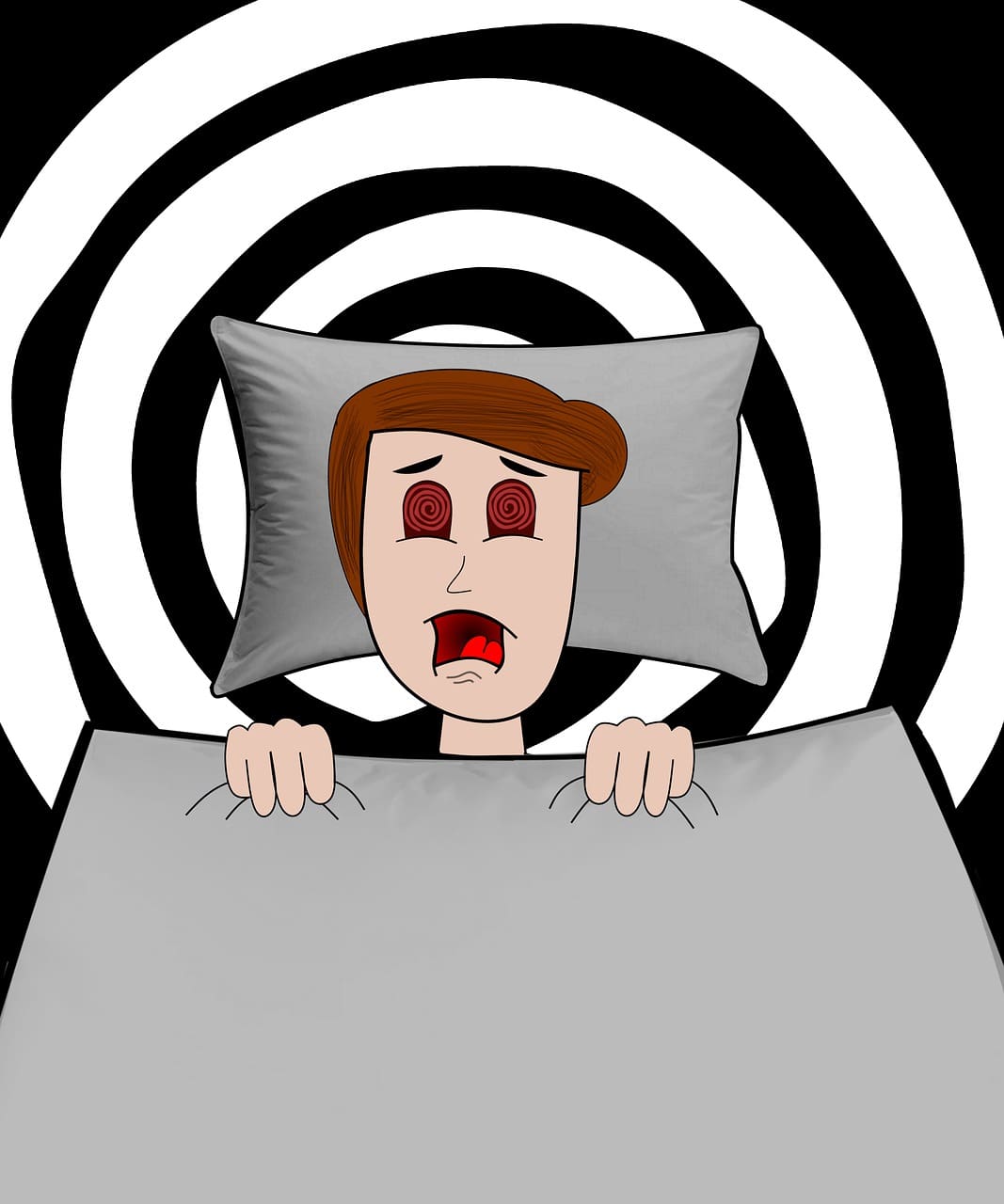
Before we dive into the relaxation techniques, let’s take a moment to understand what sleep paralysis anxiety is. Sleep paralysis is a condition where you feel awake but unable to move or speak, often accompanied by feelings of fear or impending doom. This can lead to anxiety about falling asleep and experiencing another episode of sleep paralysis.
What Causes Sleep Paralysis Anxiety?
Sleep paralysis anxiety is often triggered by stress, sleep deprivation, irregular sleep schedules, and mental health conditions such as anxiety and depression. Understanding the root causes of your anxiety can help you better manage it through relaxation techniques.
Relaxation Techniques for Managing Sleep Paralysis Anxiety
Now that we have a better understanding of sleep paralysis anxiety, let’s explore some popular relaxation techniques that can help you cope with those anxious feelings.
Deep Breathing Exercises
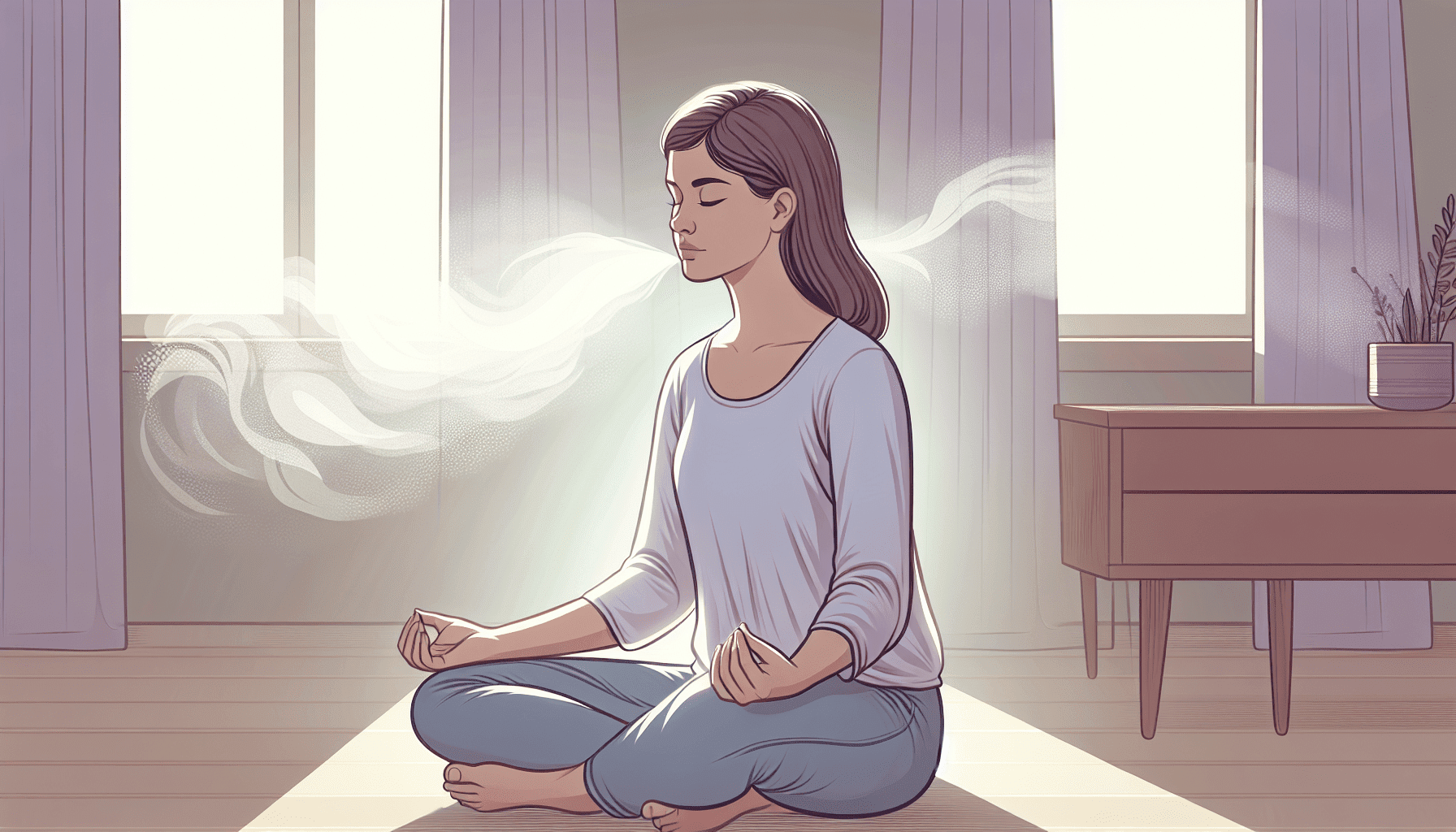
One of the simplest and most effective relaxation techniques is deep breathing exercises. When you feel anxious, take a moment to focus on your breath. Inhale slowly through your nose, hold for a few seconds, and then exhale slowly through your mouth. Repeat this deep breathing pattern for a few minutes to help calm your mind and body.
Progressive Muscle Relaxation
Progressive muscle relaxation is a technique where you tense and then relax each muscle group in your body, one at a time. Start at your toes and work your way up to your head, focusing on each muscle group for a few seconds before moving on to the next. This can help release tension and promote a sense of relaxation, which can be especially helpful for managing sleep paralysis anxiety.
Guided Imagery and Visualization
Guided imagery and visualization involve imagining yourself in a peaceful and calming place, such as a beach or forest. Close your eyes, focus on the sounds, smells, and sensations of this imaginary place, and let yourself fully immerse in the experience. This can help distract your mind from anxious thoughts and create a sense of relaxation and calm.
Mindfulness Meditation
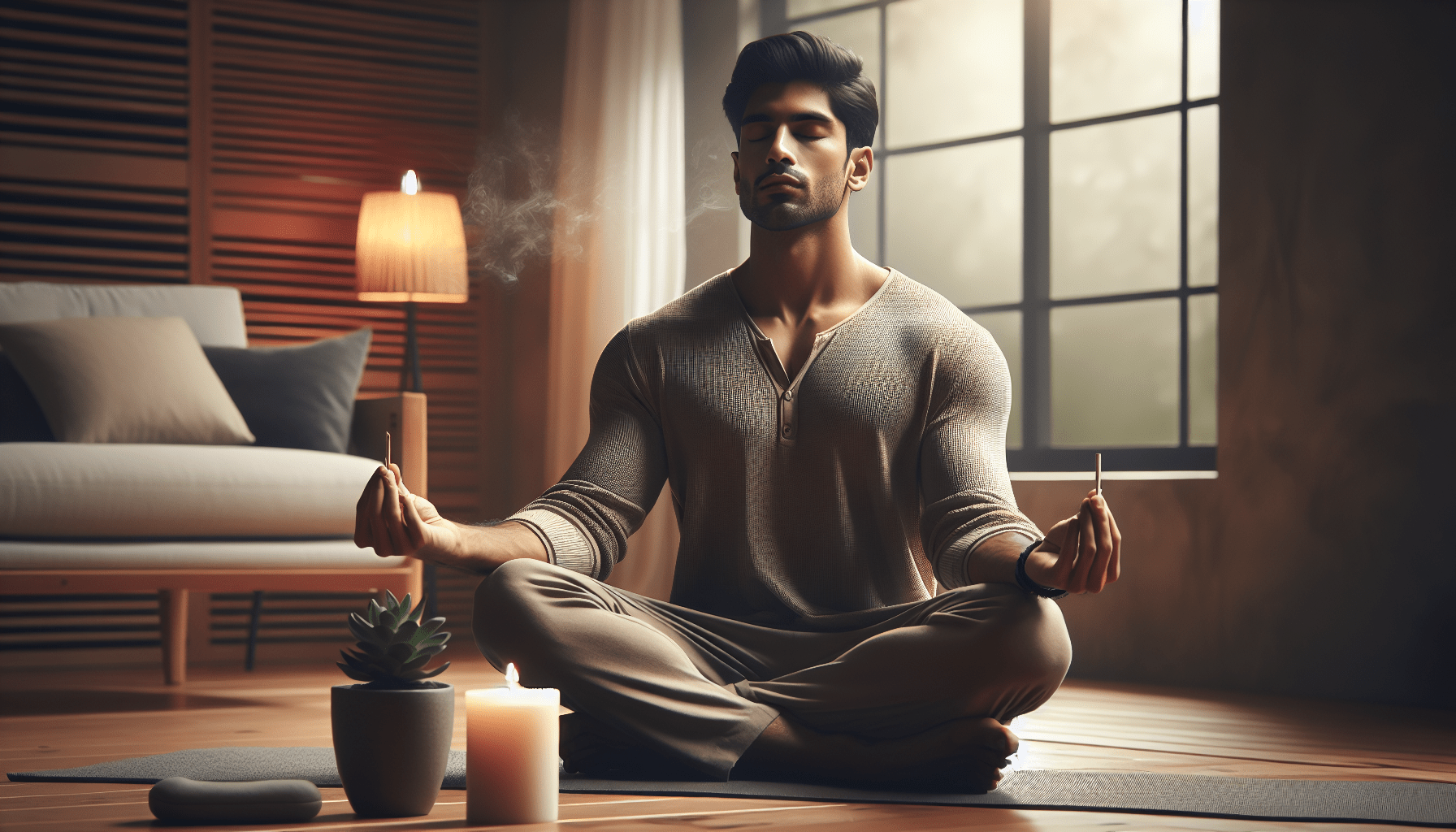
Mindfulness meditation is a practice of being present in the moment and observing your thoughts and feelings without judgment. Find a quiet and comfortable space, focus on your breath or a specific sensation, and gently redirect your attention back to the present moment whenever your mind wanders. This practice can help reduce anxiety and promote a sense of calmness and clarity.
Creating a Relaxation Routine
Incorporating these relaxation techniques into a daily routine can help you manage sleep paralysis anxiety more effectively. Here’s a suggested relaxation routine that you can try:
| Day | Relaxation Technique |
|---|---|
| Monday | Deep Breathing Exercises |
| Tuesday | Progressive Muscle Relaxation |
| Wednesday | Guided Imagery and Visualization |
| Thursday | Mindfulness Meditation |
| Friday | Choose your favorite technique |
| Saturday | Mix and match techniques |
| Sunday | Take a break and relax |
Feel free to customize this routine based on your preferences and schedule. Consistency is key, so try to practice these relaxation techniques regularly to reap the benefits.
Additional Tips for Managing Sleep Paralysis Anxiety
In addition to relaxation techniques, there are some extra tips that can help you manage sleep paralysis anxiety more effectively:
Maintain a Consistent Sleep Schedule
Try to go to bed and wake up at the same time every day, even on weekends. A consistent sleep schedule can help regulate your body’s internal clock and improve the quality of your sleep, reducing the likelihood of experiencing sleep paralysis anxiety.
Create a Relaxing Bedtime Routine
Establish a relaxing bedtime routine to wind down and prepare your body and mind for sleep. This can include activities such as reading a book, taking a warm bath, or practicing gentle yoga stretches. Avoid screens and stimulating activities before bedtime to promote restful sleep.
Create a Comfortable Sleep Environment
Ensure that your bedroom is conducive to sleep by keeping it cool, dark, and quiet. Invest in a comfortable mattress and pillows that support healthy sleep posture. You can also use white noise machines or earplugs to block out external sounds that may disrupt your sleep.
Limit Stimulants and Electronic Devices Before Bed
Avoid consuming stimulants such as caffeine and nicotine close to bedtime, as they can interfere with your ability to fall asleep. Additionally, reduce exposure to screens emitting blue light, such as smartphones and computers, at least an hour before going to bed to promote restful sleep.
Seek Professional Help if Needed
If you find that your sleep paralysis anxiety is severely impacting your quality of life and ability to function, don’t hesitate to seek help from a mental health professional. A therapist or counselor can provide additional support, guidance, and coping strategies to help you manage your anxiety effectively.
Final Thoughts
Managing sleep paralysis anxiety can be challenging, but with the right relaxation techniques and lifestyle adjustments, you can find relief and improve the quality of your sleep. Remember to be patient and compassionate with yourself as you navigate this journey towards better sleep and mental well-being.
So, next time you’re feeling anxious about sleep paralysis, try incorporating some of these relaxation techniques into your daily routine. You deserve a good night’s sleep, free from anxiety and fear. Sweet dreams!