

Have you ever experienced sleep paralysis? It’s a terrifying experience where you feel awake but unable to move or speak. But did you know that certain medications can also impact your likelihood of experiencing sleep paralysis? In this article, we’ll explore the connection between medications and sleep paralysis and what you need to know to manage this phenomenon effectively.
What is Sleep Paralysis?
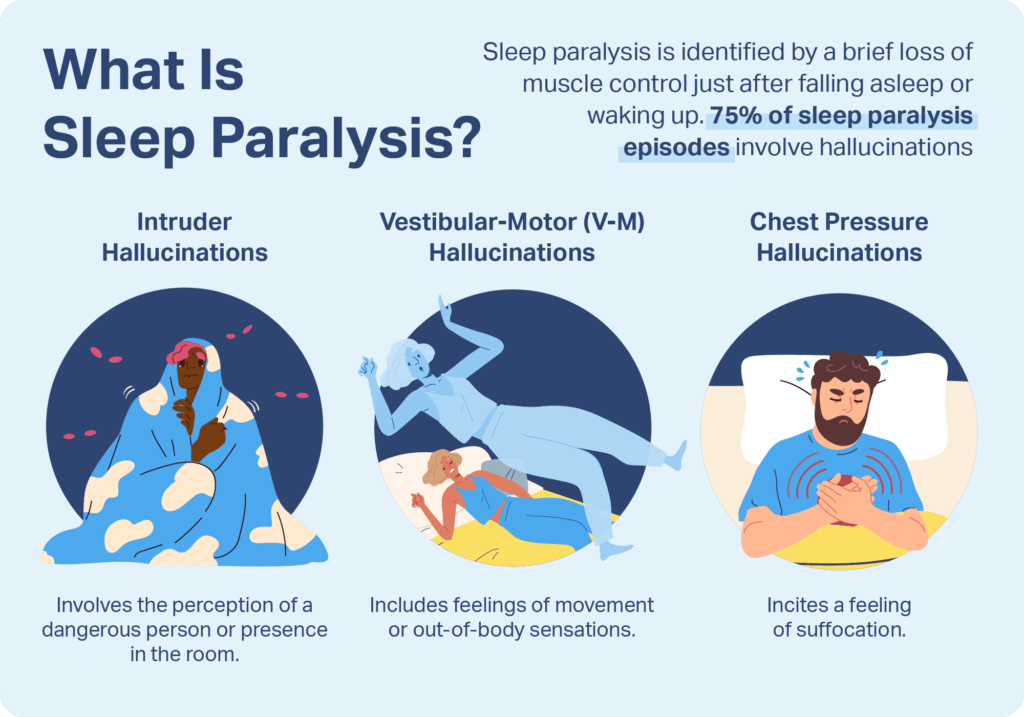
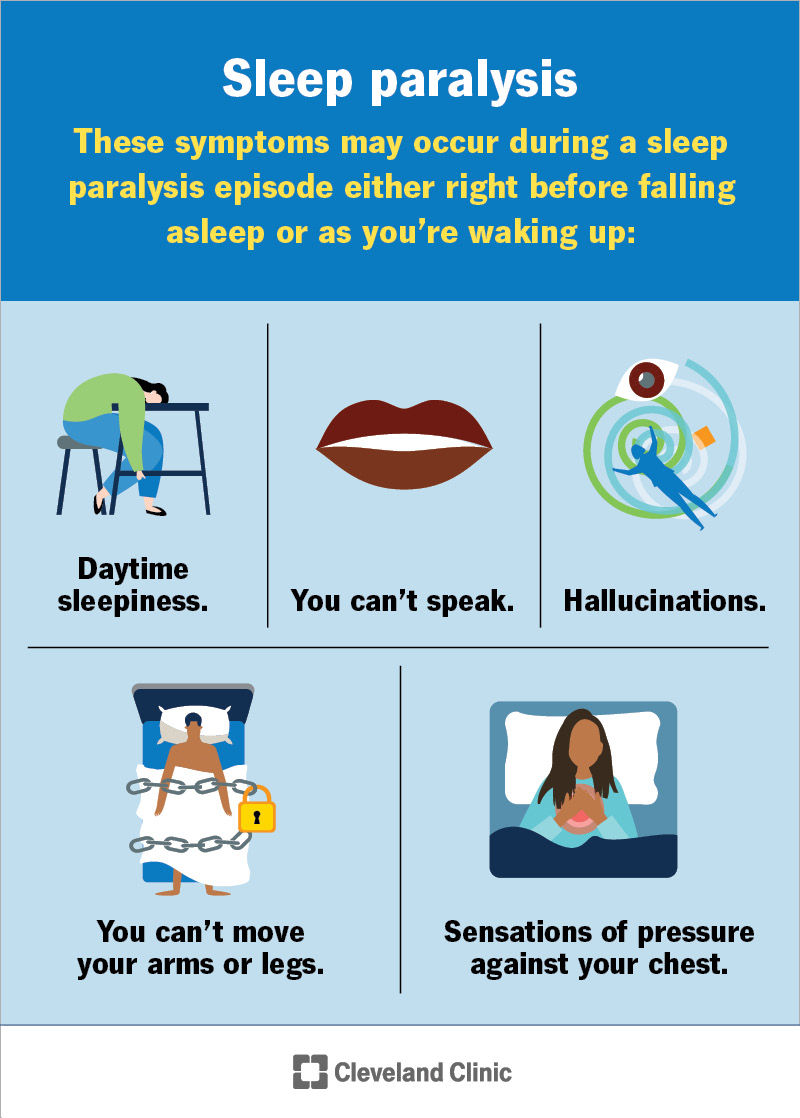
Sleep paralysis is a phenomenon that occurs when a person is unable to move or speak while falling asleep or waking up. It can be a frightening experience, as many people report feeling a sense of terror or pressure on their chest during an episode of sleep paralysis. These episodes typically last for a few seconds to a few minutes, but can feel much longer to the individual experiencing them.
Have you ever had a sleep paralysis episode? It can be a scary experience, but it’s important to know that it is a fairly common phenomenon that affects people of all ages. By understanding the causes and triggers of sleep paralysis, you can better manage and even prevent future episodes.
The Relationship Between Medications and Sleep Paralysis
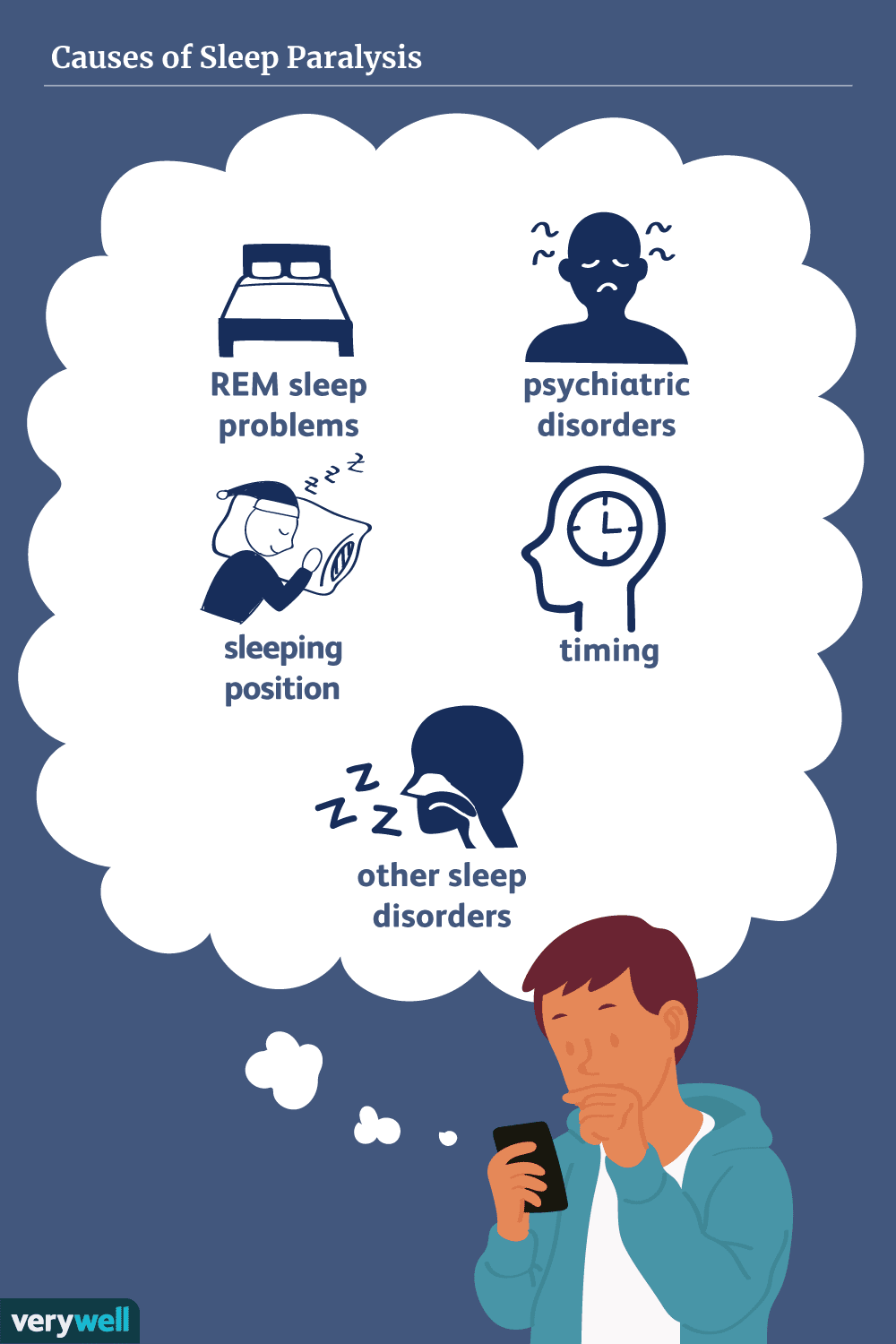
Certain medications have been associated with an increased risk of experiencing sleep paralysis. These medications can impact the sleep cycle and interfere with the brain’s ability to transition smoothly between different stages of sleep, increasing the chances of experiencing sleep paralysis episodes. It’s essential to be aware of the potential impact that medications can have on your sleep quality and to speak with your healthcare provider if you have concerns.
Medications can play a significant role in the occurrence of sleep paralysis. By understanding how certain medications can disrupt your sleep cycle, you can take proactive steps to mitigate their effects and improve the quality of your sleep.
Medications That Can Impact Sleep Paralysis
There are several types of medications that have been linked to an increased risk of experiencing sleep paralysis. These medications include antidepressants, antipsychotics, and medications used to treat sleep disorders. It’s important to note that not everyone who takes these medications will experience sleep paralysis, but it’s essential to be aware of the potential risks.
Certain medications have been shown to increase the likelihood of experiencing sleep paralysis. If you are taking antidepressants, antipsychotics, or sleep medications, it’s crucial to monitor your sleep patterns and speak with your healthcare provider if you notice any changes in your sleep quality.
Antidepressants
Antidepressants are commonly prescribed to treat a variety of mental health conditions, including depression and anxiety. While these medications can be highly effective in managing symptoms, they have also been linked to an increased risk of experiencing sleep paralysis. Some antidepressants, such as selective serotonin reuptake inhibitors (SSRIs), can impact the REM stage of sleep, where episodes of sleep paralysis are more likely to occur.
If you are taking antidepressants and experiencing sleep paralysis, it’s essential to speak with your healthcare provider. They may be able to adjust your medication dosage or recommend other treatment options to help manage your symptoms effectively.
Antipsychotics
Antipsychotic medications are commonly used to treat conditions such as schizophrenia and bipolar disorder. While these medications can be beneficial in managing severe mental health symptoms, they have also been associated with an increased risk of experiencing sleep paralysis. Antipsychotics can disrupt the normal sleep cycle and interfere with the brain’s ability to enter into the REM stage of sleep.
If you are taking antipsychotic medications and experiencing sleep paralysis, it’s important to discuss your symptoms with your healthcare provider. They may recommend adjusting your medication regimen or exploring alternative treatment options to help alleviate your symptoms.
Sleep Medications
Sleep medications are often prescribed to individuals who have difficulty falling or staying asleep. While these medications can be helpful in managing sleep disorders, they have also been linked to an increased risk of experiencing sleep paralysis. Sleep medications can disrupt the natural sleep cycle and make it more difficult for the brain to transition between different stages of sleep effectively.
If you are taking sleep medications and experiencing sleep paralysis, it’s crucial to discuss your symptoms with your healthcare provider. They may recommend adjusting your medication dosage or exploring other treatment options to help improve the quality of your sleep.
Over-the-Counter Medications
Certain over-the-counter medications, such as allergy medications and cough syrups, have also been associated with an increased risk of experiencing sleep paralysis. These medications can contain ingredients that disrupt the sleep cycle and interfere with the brain’s ability to achieve restful sleep. It’s important to be mindful of the potential impact of over-the-counter medications on your sleep quality.
Even over-the-counter medications can impact your likelihood of experiencing sleep paralysis. If you are taking allergy medications or cough syrups and noticing changes in your sleep patterns, it’s essential to speak with your healthcare provider to determine the best course of action.
Managing Sleep Paralysis
If you are experiencing sleep paralysis, there are several strategies you can use to help manage your symptoms effectively. These strategies include:
Create a Consistent Sleep Schedule: Establishing a regular sleep routine can help regulate your sleep cycle and reduce the likelihood of experiencing sleep paralysis episodes.
Practice Relaxation Techniques: Engaging in relaxation techniques, such as deep breathing or meditation, can help calm your mind and body before bedtime, making it easier to fall asleep and reduce the chances of experiencing sleep paralysis.
Improve Sleep Environment: Creating a comfortable and relaxing sleep environment can promote restful sleep and reduce the likelihood of sleep paralysis episodes. Consider dimming the lights, using white noise machines, or investing in a comfortable mattress and bedding.
Speak with Your Healthcare Provider: If you are experiencing frequent episodes of sleep paralysis, it’s essential to speak with your healthcare provider. They can help identify potential triggers and recommend treatment options to help manage your symptoms effectively.

Conclusion
Sleep paralysis can be a frightening and unsettling experience, but it’s essential to understand the potential impact that medications can have on your likelihood of experiencing this phenomenon. By being aware of the medications that can increase your risk of sleep paralysis and taking proactive steps to manage your symptoms, you can improve the quality of your sleep and overall well-being. Remember to speak with your healthcare provider if you have any concerns about how your medications may be impacting your sleep quality.