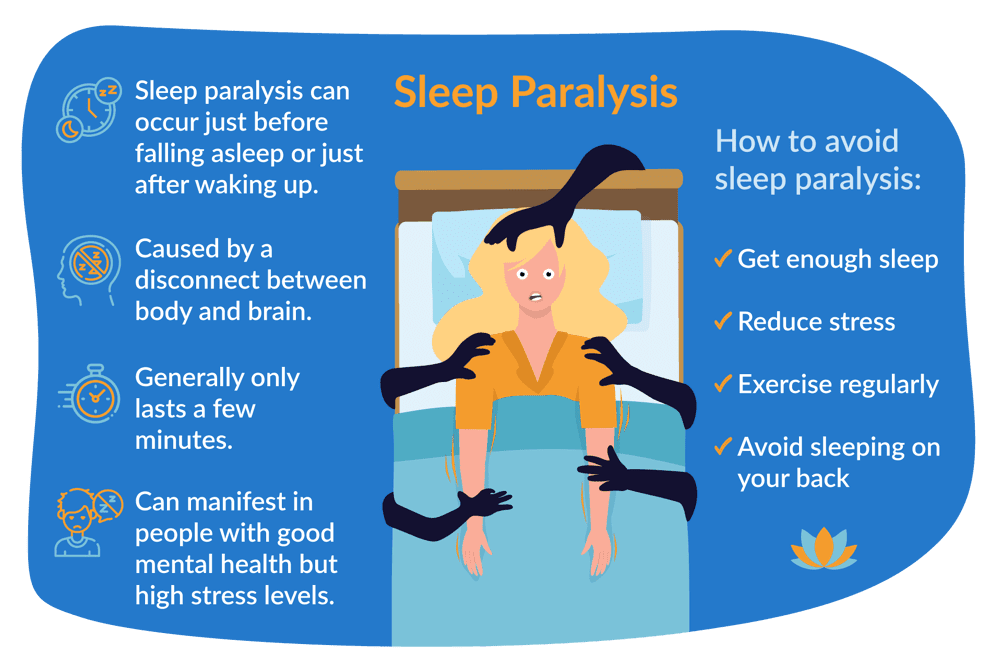
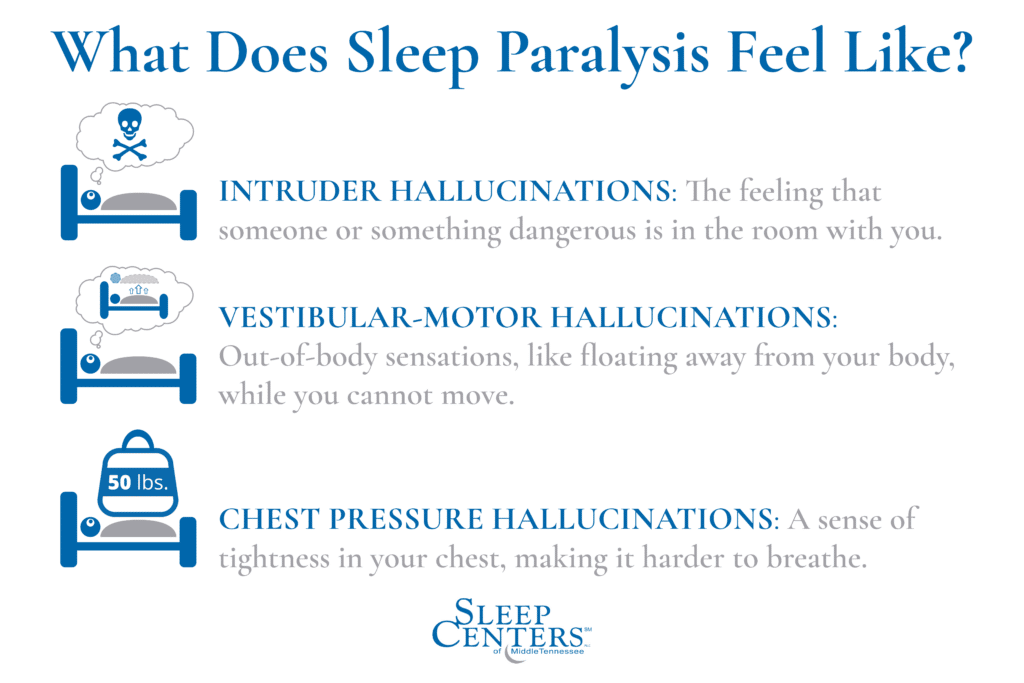
Have you ever experienced waking up in the middle of the night unable to move or speak, feeling like there is a weight on your chest? If so, you may have experienced sleep paralysis, a phenomenon that can be associated with sleep apnea. In this article, we will delve into the link between sleep apnea and sleep paralysis, as well as explore treatment options and prevention strategies to help you get a better night’s sleep.
Understanding Sleep Apnea
Sleep apnea is a common sleep disorder that affects millions of people worldwide. It is characterized by interruptions in breathing during sleep, leading to reduced oxygen levels in the blood. This can result in a range of symptoms, including loud snoring, daytime fatigue, and morning headaches. There are two main types of sleep apnea: obstructive sleep apnea and central sleep apnea.
Obstructive Sleep Apnea
Obstructive sleep apnea is the most common form of the disorder and occurs when the muscles in the back of your throat relax, causing your airway to become blocked. This leads to pauses in breathing that can last for several seconds or longer, disrupting your sleep cycle and leading to a range of health problems if left untreated.
Central Sleep Apnea
Central sleep apnea is less common and occurs when your brain fails to send the proper signals to the muscles that control breathing. This results in a lack of effort to breathe, leading to pauses in breathing during sleep. Central sleep apnea is often associated with underlying health conditions, such as heart failure or stroke.
The Connection Between Sleep Apnea and Sleep Paralysis
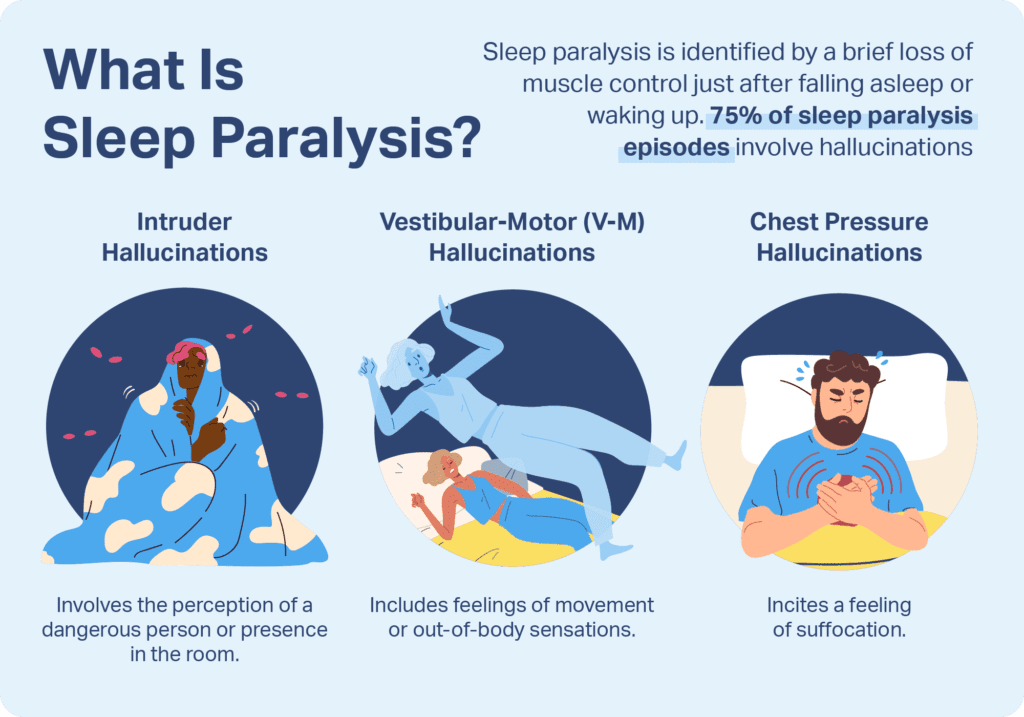
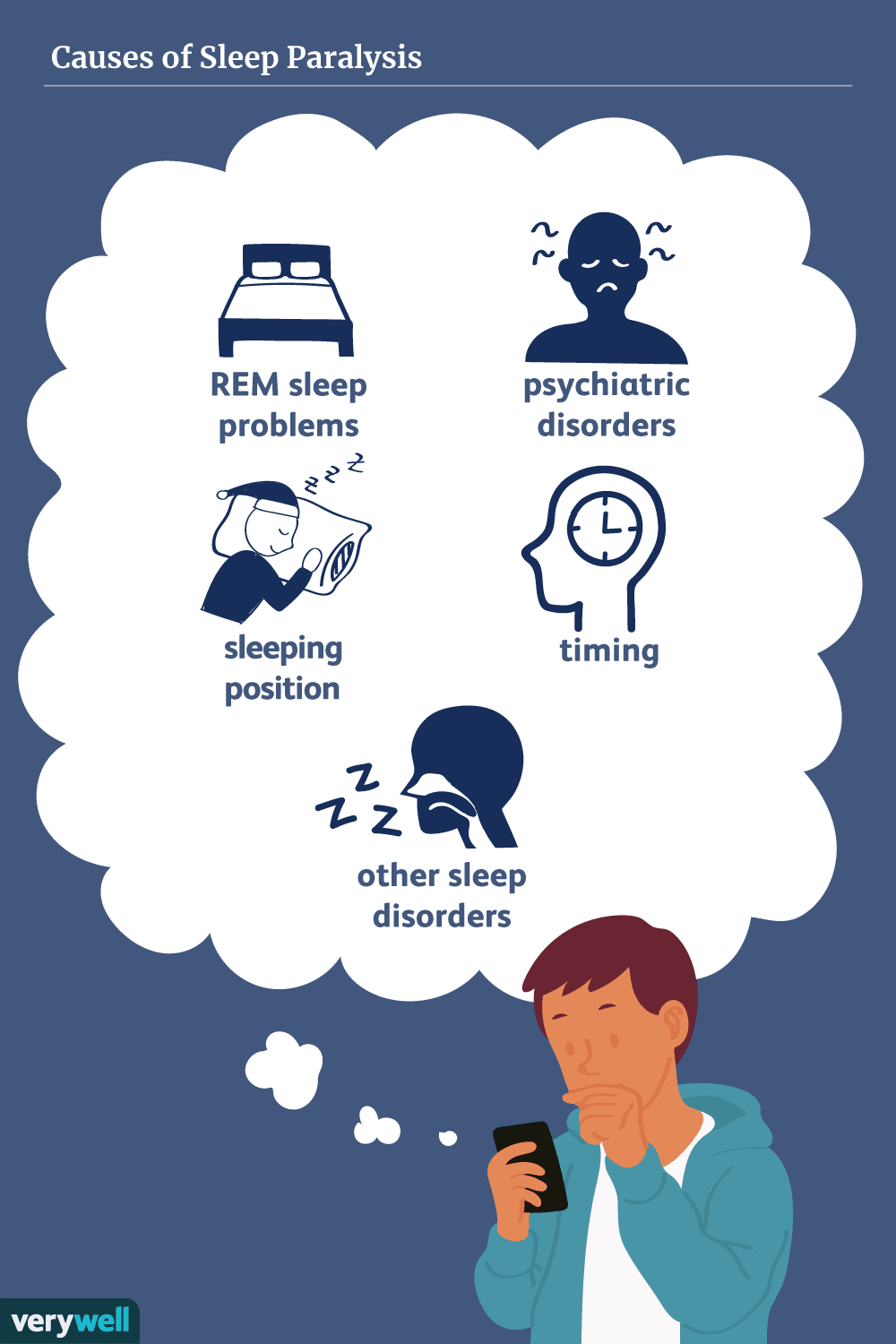
Sleep paralysis is a phenomenon in which you wake up unable to move or speak, often accompanied by feelings of fear or impending doom. While sleep paralysis is typically harmless and usually only lasts for a few seconds to minutes, it can be a terrifying experience for those who have never experienced it before. There is evidence to suggest that sleep apnea may be a contributing factor to sleep paralysis.
Sleep Apnea and Fragmented Sleep
One theory as to why sleep apnea may be linked to sleep paralysis is the impact that interrupted sleep can have on your overall sleep quality. When you have sleep apnea, the pauses in breathing can disrupt your sleep cycle, causing you to wake up frequently throughout the night. This fragmented sleep can lead to episodes of sleep paralysis, as your brain may wake up before your body is fully out of the REM stage of sleep.
Oxygen Deprivation and Sleep Paralysis
Another possible connection between sleep apnea and sleep paralysis is the issue of oxygen deprivation. When you have sleep apnea, your airway becomes blocked, leading to reduced oxygen levels in your blood. This lack of oxygen can trigger the body’s fight or flight response, causing feelings of fear and panic that may contribute to episodes of sleep paralysis.
Treatment Options for Sleep Apnea and Sleep Paralysis
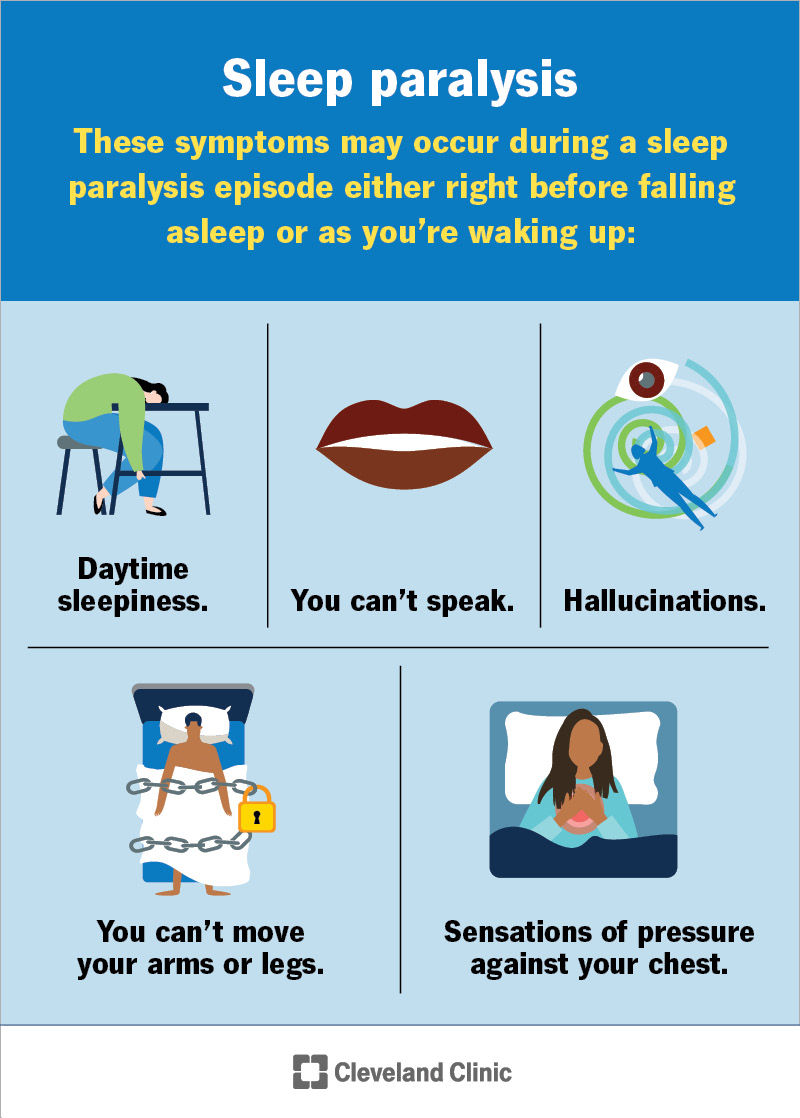
If you suspect that you have sleep apnea and are experiencing episodes of sleep paralysis, it is important to seek help from a healthcare professional. There are several treatment options available that can help manage both conditions and improve your overall sleep quality.
Continuous Positive Airway Pressure (CPAP) Therapy
One of the most common and effective treatments for sleep apnea is CPAP therapy. CPAP involves wearing a mask over your nose and mouth while you sleep, which delivers a continuous flow of air to keep your airway open. This prevents the interruptions in breathing that are characteristic of sleep apnea and can significantly reduce the risk of sleep paralysis.
Oral Appliance Therapy
Another option for treating sleep apnea and reducing the risk of sleep paralysis is oral appliance therapy. This involves wearing a custom-fitted mouthguard while you sleep, which helps to reposition your jaw and tongue to keep your airway open. Oral appliances are a more comfortable and portable alternative to CPAP therapy and can be effective for mild to moderate cases of sleep apnea.
Surgical Interventions
In some cases, surgical interventions may be necessary to treat sleep apnea and reduce the risk of sleep paralysis. This may involve removing excess tissue from the back of the throat, repositioning the jaw, or implanting a device to keep the airway open. Surgery is typically only recommended for severe cases of sleep apnea that have not responded to other treatment options.
Lifestyle Changes
In addition to medical interventions, making lifestyle changes can also help manage sleep apnea and reduce the risk of sleep paralysis. This includes maintaining a healthy weight, avoiding alcohol and sedatives before bed, and sleeping on your side instead of your back. These simple changes can make a significant difference in the quality of your sleep and overall health.
Preventing Sleep Apnea and Sleep Paralysis
Prevention is always better than cure when it comes to sleep apnea and sleep paralysis. There are several strategies you can implement to reduce your risk of developing these conditions and improve your overall sleep quality.
Maintain a Healthy Weight
Excess weight can increase your risk of developing sleep apnea, as it can put pressure on your airway and make breathing more difficult during sleep. By maintaining a healthy weight through diet and exercise, you can reduce the risk of sleep apnea and improve the quality of your sleep.
Create a Relaxing Bedtime Routine
Establishing a relaxing bedtime routine can help prepare your body and mind for sleep, reducing the risk of sleep apnea and sleep paralysis. This may include activities such as reading a book, taking a warm bath, or practicing relaxation techniques like deep breathing or meditation.
Sleep on Your Side
Sleeping on your back can increase the likelihood of your airway becoming blocked during sleep, leading to episodes of sleep apnea and sleep paralysis. By sleeping on your side instead, you can help keep your airway open and reduce the risk of these conditions occurring.
Limit Alcohol and Sedatives
Alcohol and sedatives can relax the muscles in your throat and make breathing more difficult during sleep, increasing the risk of sleep apnea and sleep paralysis. Limiting your intake of these substances before bed can help improve the quality of your sleep and reduce the likelihood of experiencing these conditions.
Conclusion
Sleep apnea and sleep paralysis are two common sleep disorders that can have a significant impact on your overall health and quality of life. By understanding the link between these conditions and implementing the proper treatment and prevention strategies, you can improve your sleep quality and reduce the risk of experiencing episodes of sleep paralysis. If you suspect that you may have sleep apnea or are experiencing symptoms of sleep paralysis, it is important to seek help from a healthcare professional to receive an accurate diagnosis and appropriate treatment. With the right support and interventions, you can take control of your sleep and wake up feeling refreshed and well-rested each day.