Alternative Treatments For Sleep Paralysis
Have you ever experienced the terrifying sensation of waking up, unable to move a muscle, and feeling a heavy weight on your chest? If so, you may have experienced sleep paralysis. While this phenomenon is relatively common, it can be extremely distressing for those who experience it. If you’re looking for alternative treatments to help manage your sleep paralysis, you’ve come to the right place. In this article, we’ll explore some of the most popular alternative treatments for sleep paralysis and how they may help alleviate your symptoms.
Understanding Sleep Paralysis
Before we dive into the alternative treatments for sleep paralysis, it’s important to understand what sleep paralysis is and why it occurs. Sleep paralysis is a phenomenon that occurs when a person wakes up from sleep but is temporarily unable to move or speak. This can be accompanied by a feeling of pressure on the chest, hallucinations, and an overwhelming sense of fear. Sleep paralysis is thought to occur when there is a disruption in the normal stages of sleep, specifically during the transition between wakefulness and REM sleep.
What Causes Sleep Paralysis?
Sleep paralysis can be caused by a variety of factors, including:
- Disrupted sleep patterns
- Sleep deprivation
- Stress and anxiety
- Narcolepsy
- Sleep disorders such as sleep apnea or insomnia
It’s important to consult with a healthcare professional to determine the underlying cause of your sleep paralysis before exploring alternative treatments.
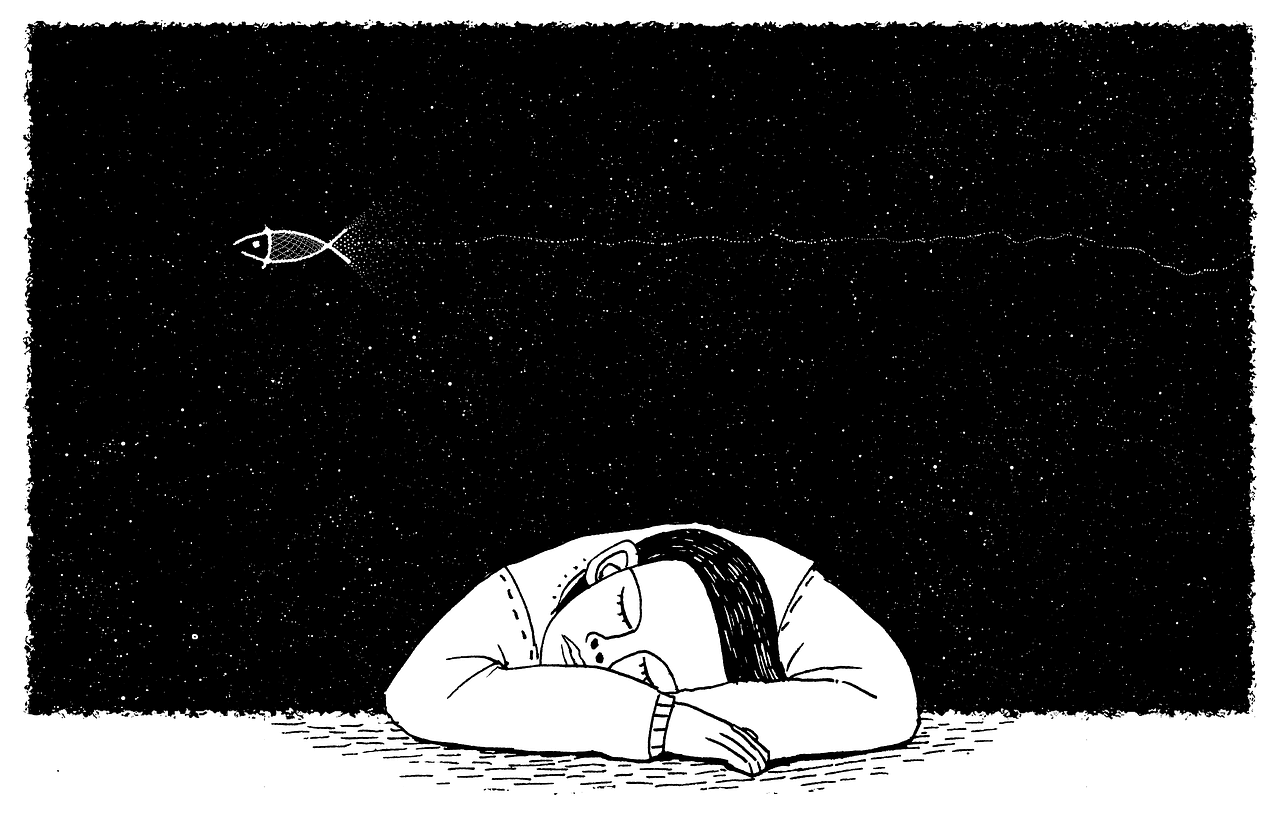
Alternative Treatments for Sleep Paralysis
Now that you have a better understanding of what sleep paralysis is and what causes it, let’s explore some alternative treatments that may help alleviate your symptoms.
1. Mind-Body Therapies
Mind-body therapies such as meditation, yoga, and mindfulness practices have been shown to be effective in reducing stress and anxiety, which are common triggers for sleep paralysis. By incorporating these practices into your daily routine, you may be able to improve your overall sleep quality and reduce the frequency of sleep paralysis episodes.
2. Herbal Remedies
Certain herbs and supplements have been used for centuries to promote relaxation and improve sleep quality. Some popular herbal remedies for sleep paralysis include:
- Valerian root: Known for its calming effects and ability to improve sleep quality.
- Chamomile: A gentle sedative that can help promote relaxation and reduce anxiety.
- Lavender: Has been shown to have a calming effect on the central nervous system and may help improve sleep quality.
Before starting any herbal remedy, it’s important to consult with a healthcare professional to ensure it is safe and appropriate for your individual needs.
3. Aromatherapy
Aromatherapy involves using essential oils to promote relaxation and improve sleep quality. Some essential oils that may be beneficial for sleep paralysis include:
- Lavender: Known for its calming effects and ability to promote relaxation.
- Cedarwood: Has a grounding and calming effect that may help reduce anxiety.
- Frankincense: Known for its ability to induce a sense of peace and relaxation.
You can use essential oils in a diffuser, add a few drops to a warm bath, or simply inhale the aroma before bedtime to help relax your mind and body.
4. Acupuncture
Acupuncture is an ancient Chinese therapy that involves inserting thin needles into specific points on the body to promote healing and balance. Some studies have suggested that acupuncture may help improve sleep quality and reduce sleep paralysis episodes by promoting relaxation and reducing stress. If you’re considering acupuncture as a treatment for sleep paralysis, be sure to consult with a licensed acupuncturist who has experience treating sleep disorders.
5. Cognitive-Behavioral Therapy (CBT)
Cognitive-behavioral therapy is a type of psychotherapy that focuses on changing negative thought patterns and behaviors that may contribute to sleep problems. CBT has been shown to be effective in treating insomnia and other sleep disorders by helping individuals develop healthy sleep habits and coping mechanisms. If stress and anxiety are contributing to your sleep paralysis, CBT may be a beneficial treatment option for you.
6. Sleep Hygiene Practices
Practicing good sleep hygiene is essential for ensuring a restful night’s sleep and reducing the frequency of sleep paralysis episodes. Some tips for improving your sleep hygiene include:
- Establishing a consistent sleep schedule
- Creating a relaxing bedtime routine
- Avoiding stimulants such as caffeine and electronics before bedtime
- Creating a comfortable sleep environment that is cool, dark, and quiet
By incorporating these sleep hygiene practices into your daily routine, you may be able to improve your sleep quality and reduce the likelihood of experiencing sleep paralysis.

Conclusion
Sleep paralysis can be a frightening and distressing experience, but there are alternative treatments available to help manage your symptoms and improve your overall sleep quality. By exploring mind-body therapies, herbal remedies, aromatherapy, acupuncture, cognitive-behavioral therapy, and sleep hygiene practices, you may be able to reduce the frequency of sleep paralysis episodes and enjoy a more restful night’s sleep. Remember to consult with a healthcare professional before starting any new treatment regimen to ensure it is safe and appropriate for your individual needs. With the right combination of treatments and lifestyle changes, you can take control of your sleep paralysis and wake up feeling refreshed and well-rested.