
Imagine waking up in the middle of the night, unable to move or speak despite being fully conscious. Your mind races, and you feel a heavy weight pressing down on your chest. This eerie experience, known as sleep paralysis, has fascinated and terrified people across cultures for centuries. In this article, we will explore the rich and evolving tapestry of cultural beliefs and practices surrounding sleep paralysis. From ancient folklore and mystical explanations to scientific understanding, we will uncover the diverse ways in which different societies have tried to make sense of this enigmatic phenomenon.
Historical Accounts of Sleep Paralysis
Ancient Accounts of Sleep Paralysis
In exploring the historical roots of sleep paralysis, ancient accounts provide valuable insights into how this phenomenon was perceived in early civilizations. Ancient civilizations such as Egypt, Mesopotamia, and Greece believed that sleep paralysis was a result of supernatural forces. It was often associated with visits from evil spirits or demons who would hold people down during their sleep. These accounts also suggested an inherent fear and helplessness associated with sleep paralysis, as individuals felt trapped and unable to move.
Medieval Beliefs and Explanations
During the medieval period, sleep paralysis continued to be interpreted through supernatural lenses. Common explanations involved succubi and incubi, malevolent spirits that would appear in human form, assaulting and seducing individuals as they lay paralyzed. These beliefs fueled the notion that sleep paralysis was a result of interactions with otherworldly beings, further heightening the fear and anxiety associated with this experience.
Influence of Supernatural Beliefs
Supernatural beliefs played a significant role in the cultural understanding of sleep paralysis throughout history. These beliefs were deeply ingrained in the collective consciousness of societies, shaping both personal interpretations and societal responses to this phenomenon. The association of sleep paralysis with evil spirits and supernatural entities instilled fear and influenced cultural practices aimed at protection and prevention.
Cultural Interpretations of Sleep Paralysis
Native American Beliefs and Practices
Native American cultures have diverse interpretations of sleep paralysis. The Navajo, for example, believe that sleep paralysis is caused by a witch or a skinwalker sitting on the chest of the person, causing paralysis and a feeling of suffocation. To counteract these experiences, they perform cleansing ceremonies and rituals involving smudging and the use of protective amulets.
African Cultural Perspectives
In many African cultures, sleep paralysis is often attributed to witchcraft, sorcery, or ancestral spirits. It is believed that these entities use sleep paralysis as a means to communicate or punish individuals. Rituals, sacrifices, and the intervention of spiritual healers are commonly practiced to appease the spirits and alleviate the experiences of sleep paralysis.
Asian Cultural Interpretations
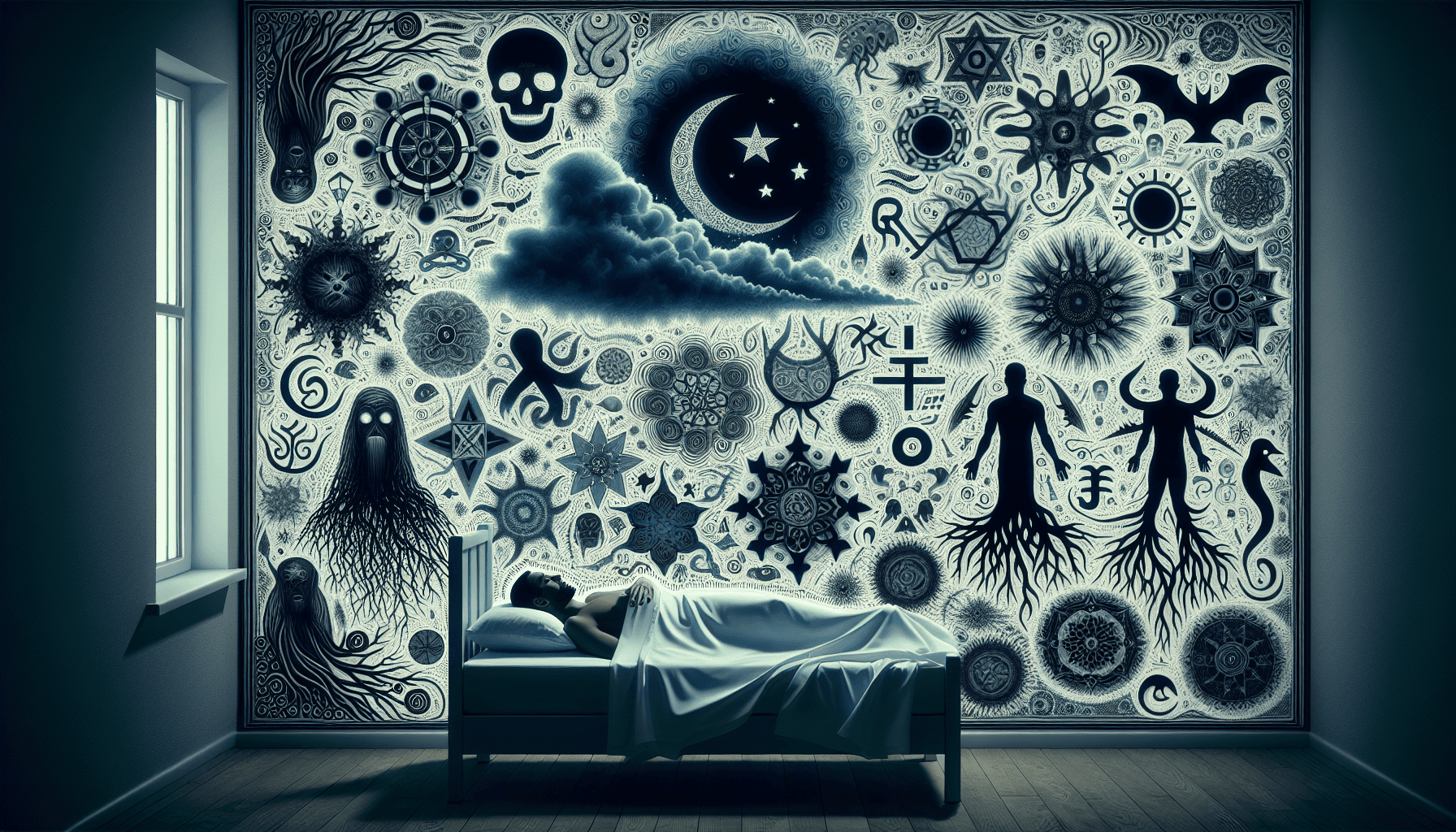
Asian cultures also possess unique interpretations of sleep paralysis. In Chinese culture, it is known as “ghost oppression” and is believed to be caused by the presence of vengeful spirits or restless souls. Similarly, in Japan, sleep paralysis is associated with “kanashibari,” a condition believed to be caused by malevolent entities known as “mamono.” Rituals such as exorcisms, purification ceremonies, and prayer are often performed to combat these spiritual associations.
Religious and Spiritual Explanations
Christian Interpretations
Christian interpretations of sleep paralysis vary depending on denomination. Some Christians view sleep paralysis as a demonic attack or oppression, indicating a struggle between good and evil. Others see it as a test of faith or a spiritual experience that allows individuals to seek the intervention of God for liberation from these nocturnal assaults.
Islamic Explanations
Within Islamic beliefs, sleep paralysis is often associated with the influence of jinn, supernatural beings made of smokeless fire. It is believed that jinn can possess or afflict individuals during sleep, manifesting as sleep paralysis. Islamic teachings prescribe recitations from the Quran, seeking refuge in God, and performing specific prophetic prayers as a means of protection against jinn-related experiences.
Hindu and Buddhist Views
In Hinduism, sleep paralysis is linked to the concept of astral projection, where the soul temporarily leaves the physical body during sleep. It is believed that during this state, individuals may encounter negative energies or spirits that can cause sleep paralysis. Buddhist interpretations also suggest that sleep paralysis can be attributed to disturbances in subtle energy channels and advise individuals to practice meditation and visualization techniques to overcome these experiences.
Sleep Paralysis in Folklore and Mythology
Folklore Tales and Legends
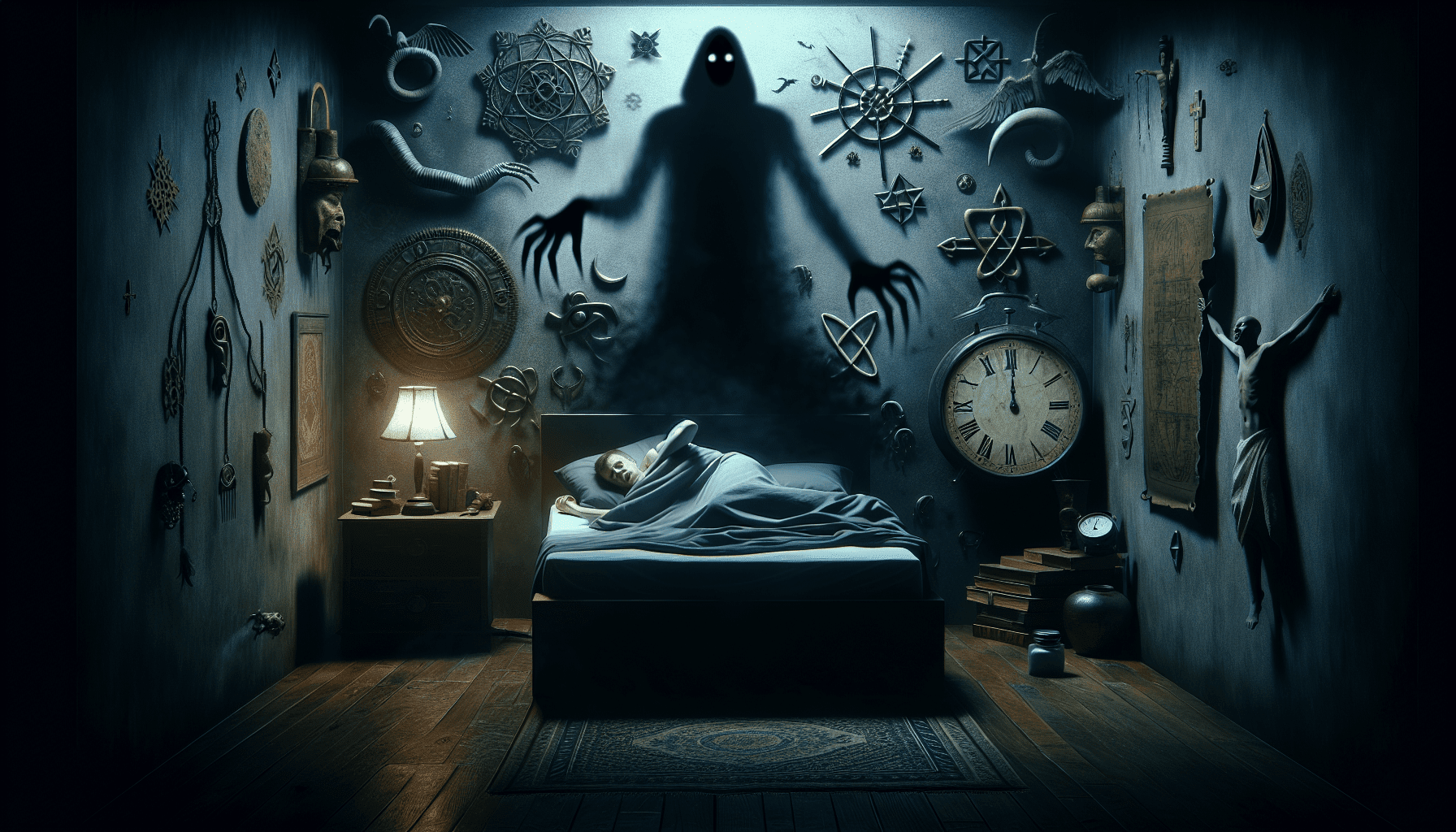
Throughout folklore and mythology, various tales and legends recount the experiences of sleep paralysis. In European folklore, stories of “the Old Hag” describe a witch or supernatural entity that sits on the chest of those afflicted, inducing paralysis and fear. Similarly, in African folklore, stories of nocturnal assaults by mythical creatures like the “night hag” or “nightmares” draw parallels to sleep paralysis experiences.
Mythical Creatures Associated with Sleep Paralysis
Across different cultures, mythical creatures are often associated with sleep paralysis. The “Māori mythological creature of the night” in New Zealand and the “Bangungot” in the Philippines are examples of entities believed to be responsible for sleep paralysis experiences. These mythical beings serve as cultural explanations for the phenomenon, providing narratives that offer insight into cultural beliefs and fears surrounding sleep paralysis.
Supernatural Explanations in Different Cultures
Supernatural explanations of sleep paralysis persist in many cultures, often reflecting a long-standing history of spiritual beliefs. Whether it is the “Mara” in Scandinavian folklore or the “Chupacabra” in Latin American mythology, these cultural interpretations reflect the influence of supernatural beliefs and their impact on the understanding of sleep paralysis.
Anthropological Studies and Cultural Variations
Cross-Cultural Analysis of Sleep Paralysis
Anthropological studies have provided valuable insights into the cross-cultural variations in the experiences and interpretations of sleep paralysis. These studies have highlighted the universality of sleep paralysis across different cultures, while also revealing distinct cultural variations in beliefs and practices associated with this phenomenon.
Differences in Beliefs and Interpretations
Cultural beliefs and interpretations surrounding sleep paralysis exhibit significant differences across societies. While some cultures associate sleep paralysis with supernatural entities, others view it through psychological or medical lenses. The variation in beliefs reflects the unique cultural contexts and religious traditions present in each society.
Role of Cultural Traditions in Sleep Paralysis Experiences
Cultural traditions and practices play a fundamental role in shaping the experiences of sleep paralysis. Societal attitudes, religious teachings, and cultural norms work together to influence an individual’s interpretation and response to sleep paralysis. By understanding the influence of cultural traditions, researchers can gain a deeper understanding of sleep paralysis and its significance within different cultural contexts.
Spiritual and Ritualistic Practices
Shamanic Healing and Beliefs
In many indigenous cultures, shamanic healing practices are employed to address sleep paralysis experiences. Shamans, as spiritual intermediaries, perform rituals and ceremonies to restore balance and harmony between the affected individual and the spiritual realm. These practices often involve engaging with spirits, using plant medicines, and performing energetic healing techniques.
Rituals to Ward off Sleep Paralysis
Across various cultures, rituals have been developed to ward off sleep paralysis experiences. These rituals may involve the use of protective talismans, reciting incantations or prayers, or sleeping in specific positions believed to deter nocturnal attacks. These practices serve as a means of protection and offer individuals a sense of control over their sleep paralysis episodes.
Cultural Methods for Spirit Release
In cultures where sleep paralysis is attributed to spirit possession, specific practices are utilized to release or dispel these spiritual entities. Rituals such as soul retrievals, energy clearings, or spirit release ceremonies are performed to free individuals from the influence of these entities. These methods embody cultural beliefs in the existence of spiritual realms and the power to navigate them.
Role of Art and Media in Shaping Beliefs
Literature and Sleep Paralysis Depictions
Throughout history, sleep paralysis has been depicted in literature, often reflecting the prevailing cultural beliefs of the time. From Shakespeare’s “Hamlet” to Gaston Leroux’s “The Phantom of the Opera,” these literary works have contributed to the perpetuation and evolution of cultural beliefs and fears associated with sleep paralysis.
Visual Representations in Paintings and Sculptures
Visual art forms, such as paintings and sculptures, have also played a role in shaping cultural beliefs surrounding sleep paralysis. Artists have depicted sleep paralysis through the creation of haunting and evocative imagery, capturing the fear, vulnerability, and supernatural associations attributed to this phenomenon. These visual representations continue to exert influence on cultural perceptions of sleep paralysis.
Impact of Movies and Entertainment Industry
In modern times, the media and entertainment industry have contributed to the portrayal of sleep paralysis in films, television shows, and documentaries. These depictions often incorporate supernatural elements, perpetuating cultural beliefs and anxieties surrounding sleep paralysis. While they can increase awareness, they also have the potential to reinforce misconceptions and inaccurate understandings of this phenomenon.
Scientific Understanding and Cultural Influences
Societal Factors in Reporting and Interpretation
Societal factors greatly influence the reporting and interpretation of sleep paralysis experiences. Cultural beliefs, stigmatization, and the availability of mental health resources can affect how individuals perceive and disclose their encounters with sleep paralysis. Understanding these societal factors is essential for researchers and healthcare professionals in providing appropriate support and guidance.
Psychological Studies on Cultural Beliefs
Psychological studies have shed light on the impact of cultural beliefs on the experiences of sleep paralysis. These studies have explored how cultural variations in beliefs and interpretations can influence the emotional, cognitive, and physiological responses to sleep paralysis. They highlight the complex interplay between cultural factors and individual experiences of this phenomenon.
The Influence of Education and Awareness
Increased education and awareness about sleep paralysis have led to a more nuanced understanding of this condition, challenging cultural beliefs and supernatural explanations. As individuals become more informed about the physiological and psychological aspects of sleep paralysis, cultural interpretations may gradually shift towards more scientific and medical explanations. This can lead to enhanced support systems and reduced stigma surrounding sleep paralysis.
Modern Interpretations and Cultural Shifts
Psychological and Medical Perspectives
Modern interpretations of sleep paralysis emphasize psychological and medical explanations rather than supernatural ones. Psychological perspectives suggest that sleep paralysis is the result of disruptions in the sleep-wake transition, such as rapid eye movement (REM) sleep intrusions. Medical perspectives focus on physiological causes, such as sleep disorders or underlying health conditions. These perspectives contribute to a more evidence-based understanding of sleep paralysis.
Influence of Globalization on Cultural Beliefs
Globalization has brought about cultural exchange and exposure to differing beliefs and explanations of sleep paralysis. As individuals from diverse cultural backgrounds interact and share their experiences, it can lead to the integration and adaptation of different cultural interpretations. This blending of cultural beliefs contributes to a broader understanding of sleep paralysis that transcends traditional boundaries.
Acceptance and Integration of Diverse Explanations
In recent years, there has been increasing acceptance and integration of diverse explanations for sleep paralysis. Rather than adhering strictly to a single cultural or scientific interpretation, individuals have begun embracing a more holistic view that encompasses both cultural beliefs and scientific understanding. This integration allows for greater flexibility and inclusivity in addressing the experiences of sleep paralysis.
Evolution of Treatment and Support Systems
Traditional Healing Methods
Traditional healing methods have been utilized to address sleep paralysis in various cultures. These methods often involve the use of herbal remedies, spiritual rituals, and practices aimed at restoring balance and harmony within the affected individual. While these traditional approaches may not align with Western medical practices, they continue to hold cultural importance and provide individuals with alternative avenues for support.
Merging Traditional and Modern Approaches
A growing trend in sleep paralysis treatment involves the merging of traditional and modern approaches. Integrative therapies combine elements of traditional healing practices with evidence-based psychological interventions and medical treatments. This approach recognizes the value of cultural beliefs and practices while incorporating scientific advancements in the understanding and management of sleep paralysis.
Improvement of Sleep Paralysis Support
With an increased understanding of sleep paralysis and its cultural nuances, support systems have improved to cater to the diverse needs of individuals experiencing this phenomenon. Mental health professionals, sleep specialists, and cultural advisors collaborate to provide personalized care and guidance. This multidisciplinary approach ensures that individuals receive comprehensive support that acknowledges cultural beliefs and practices.