Have you ever experienced the feeling of being awake but unable to move or speak while falling asleep or waking up? This sensation is known as sleep paralysis and can be a terrifying experience for those who have had it. If you’re looking to prevent or minimize the occurrence of sleep paralysis, there are certain things you should avoid in your daily routine. Read on to learn more about what you should steer clear of to prevent sleep paralysis from happening to you.
Understanding Sleep Paralysis
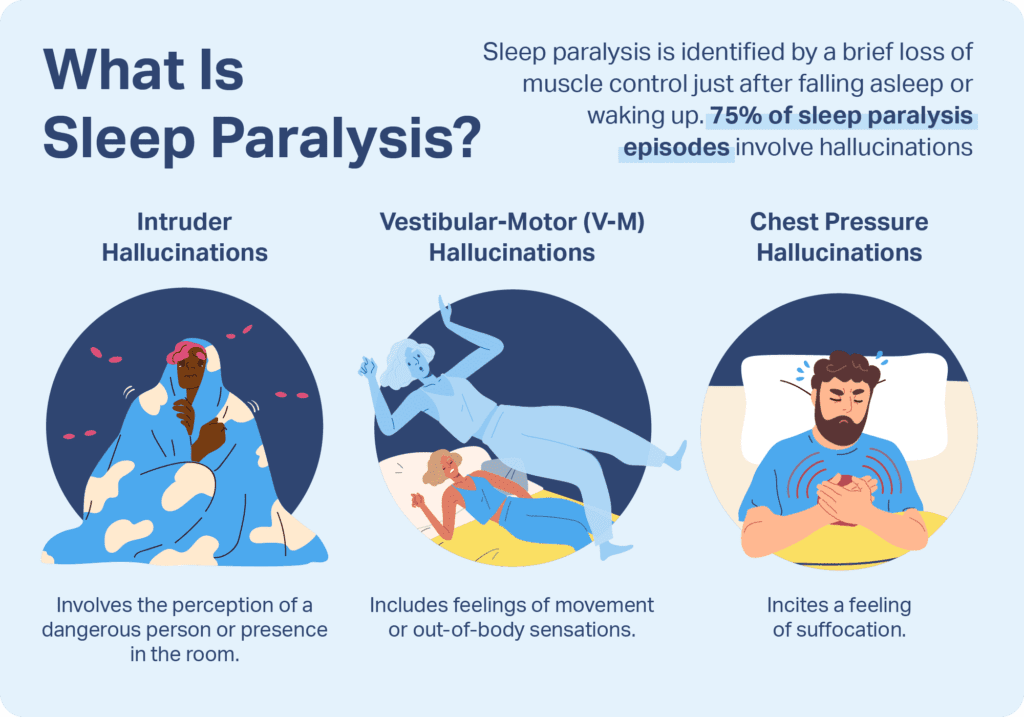
Sleep paralysis is a phenomenon where an individual is temporarily unable to move or speak while falling asleep or waking up. It occurs when a person’s mind is awake, but their body is still in a state of sleep. This can lead to feelings of panic, fear, and distress as the individual may feel trapped or unable to call for help.
What Causes Sleep Paralysis?
Sleep paralysis can be caused by various factors, including:
- Disrupted Sleep Patterns: Irregular sleep schedules or consistently not getting enough sleep can increase the likelihood of experiencing sleep paralysis.
- Stress and Anxiety: High levels of stress or anxiety can contribute to episodes of sleep paralysis.
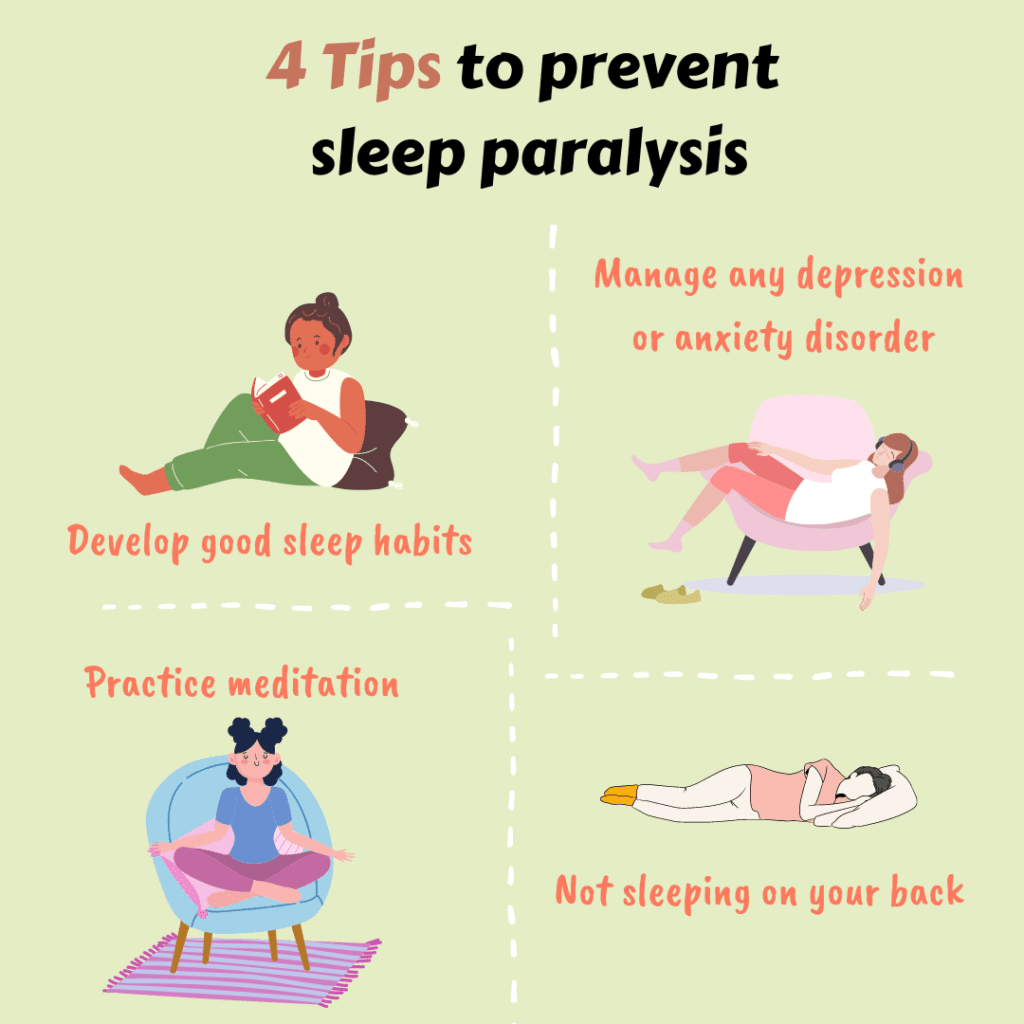
- Sleeping Position: Sleeping on your back is said to be a common trigger for sleep paralysis due to the increased pressure on the chest.
- Mental Health Conditions: Conditions like depression and bipolar disorder have been linked to higher rates of sleep paralysis.
Understanding the root causes of sleep paralysis can help you make informed decisions about how to prevent it from occurring.
What to Avoid to Prevent Sleep Paralysis
Now that you have a better understanding of what sleep paralysis is and what can cause it, let’s delve into what you should avoid to prevent experiencing sleep paralysis.
Avoiding Irregular Sleep Patterns
One of the key factors in preventing sleep paralysis is maintaining a consistent and regular sleep schedule. Going to bed and waking up at the same time each day can help regulate your body’s internal clock and reduce the likelihood of experiencing sleep paralysis.
Setting a Bedtime Routine
Creating a bedtime routine can signal to your body that it’s time to wind down and prepare for sleep. Avoiding stimulating activities like using electronic devices or watching TV before bed can help calm your mind and promote better sleep quality.
Avoiding Caffeine and Stimulants Before Bed
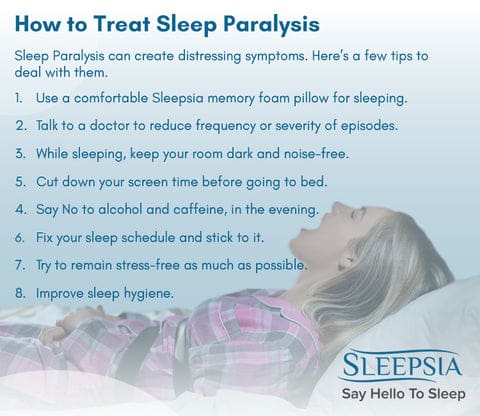
Consuming caffeine or other stimulants close to bedtime can disrupt your sleep patterns and increase the risk of sleep paralysis. It is recommended to avoid caffeine at least six hours before bedtime to ensure a restful night’s sleep.
Investing in a Comfortable Mattress and Pillows
Uncomfortable sleeping surfaces can lead to poor sleep quality and an increased likelihood of sleep paralysis. Investing in a comfortable mattress and pillows that support your body can help prevent discomfort and promote better sleep.
Avoiding Overstimulation Before Bed
Engaging in stimulating activities like gaming or intense workouts before bed can make it difficult for your mind and body to relax, leading to disrupted sleep and potential episodes of sleep paralysis. Instead, opt for calming activities like reading or meditation to wind down before bedtime.
Avoiding Heavy Meals Before Bed
Eating heavy or large meals close to bedtime can cause indigestion and discomfort, making it challenging to fall asleep and stay asleep. To prevent sleep paralysis, avoid heavy meals at least two to three hours before going to bed.
Avoiding Alcohol Before Bed
While alcohol may initially make you feel drowsy, it can disrupt your sleep cycle and lead to fragmented sleep patterns. Avoiding alcohol before bed can help prevent interruptions in your sleep that may trigger episodes of sleep paralysis.
Maintaining a Relaxing Bedroom Environment
Creating a calm and relaxing bedroom environment can promote restful sleep and decrease the likelihood of experiencing sleep paralysis. Make sure your bedroom is dark, quiet, and at a comfortable temperature to optimize your sleep quality.
Avoiding Stressful Situations Before Bed
Stress and anxiety can contribute to episodes of sleep paralysis. Taking steps to minimize stress before bedtime, such as practicing relaxation techniques or journaling, can help you unwind and prepare for a peaceful night’s sleep.
Avoiding Electronic Devices in Bed
The blue light emitted by electronic devices like smartphones and tablets can interfere with your body’s production of melatonin, a hormone that regulates sleep. Avoiding electronic devices in bed can help your body naturally wind down and prepare for sleep.
Monitoring Your Sleep Environment
Identifying and addressing any factors in your sleep environment that may be disrupting your sleep can help prevent sleep paralysis. Consider factors like noise, light, and temperature to create an optimal sleep environment for yourself.
Avoiding Excessive Screen Time Before Bed
Spending too much time on electronic devices before bed can overstimulate your brain and make it difficult to fall asleep. Limiting screen time before bed and engaging in calming activities can help you relax and prepare for a restful night’s sleep.
Practicing Relaxation Techniques Before Bed
Engaging in relaxation techniques like deep breathing, meditation, or progressive muscle relaxation before bed can help calm your mind and body, making it easier to fall asleep and reduce the risk of sleep paralysis.
Avoiding Intense Workouts Before Bed
While regular exercise is essential for overall health, engaging in intense workouts close to bedtime can stimulate your body and make it challenging to fall asleep. To prevent sleep paralysis, avoid vigorous exercise at least two hours before going to bed.
Creating a Sleep-Inducing Atmosphere
Transforming your bedroom into a sleep-inducing atmosphere can help signal to your body that it’s time to rest. Consider incorporating calming scents, like lavender, or soothing sounds, like white noise, to promote relaxation and better sleep quality.
Avoiding Napping Late in the Day
Napping late in the day can disrupt your natural sleep-wake cycle and make it challenging to fall asleep at night. To prevent sleep paralysis, avoid napping close to bedtime and limit naps to early afternoon if needed.
Practicing Good Sleep Hygiene
Maintaining good sleep hygiene practices, such as keeping your bedroom dark and quiet, following a regular sleep schedule, and creating a calming bedtime routine, can help prevent sleep paralysis and promote restful sleep.
Seeking Professional Help
If you continue to experience episodes of sleep paralysis despite making changes to your sleep routine, it may be beneficial to seek professional help from a healthcare provider or sleep specialist. They can help identify underlying issues and recommend personalized treatments to address your sleep paralysis.
Conclusion
In conclusion, sleep paralysis can be a scary and unsettling experience for those who have had it. By understanding the causes of sleep paralysis and making changes to your sleep routine and environment, you can take steps to prevent or minimize the occurrence of sleep paralysis. Avoiding irregular sleep patterns, setting a bedtime routine, avoiding caffeine before bed, and investing in a comfortable mattress are just a few of the strategies you can implement to promote better sleep quality and reduce the risk of sleep paralysis. Remember that creating a calm and relaxing bedroom environment, practicing relaxation techniques, and seeking professional help if needed can also contribute to preventing sleep paralysis. By prioritizing your sleep health and making conscious choices to avoid triggers that may lead to sleep paralysis, you can improve your overall sleep quality and wake up feeling refreshed and well-rested.