
Understanding Sleep Paralysis and Other Parasomnias
Have you ever found yourself temporarily unable to move or speak, feeling completely paralyzed as you wake up from sleep? Or maybe you’ve experienced other strange behaviors or sensations during sleep, such as sleepwalking or night terrors. These are all examples of parasomnias, a group of sleep disorders that can disrupt your sleep and overall well-being. In this article, we will delve into the world of sleep paralysis and its association with other parasomnias, shedding light on these often misunderstood phenomena.
What is Sleep Paralysis?
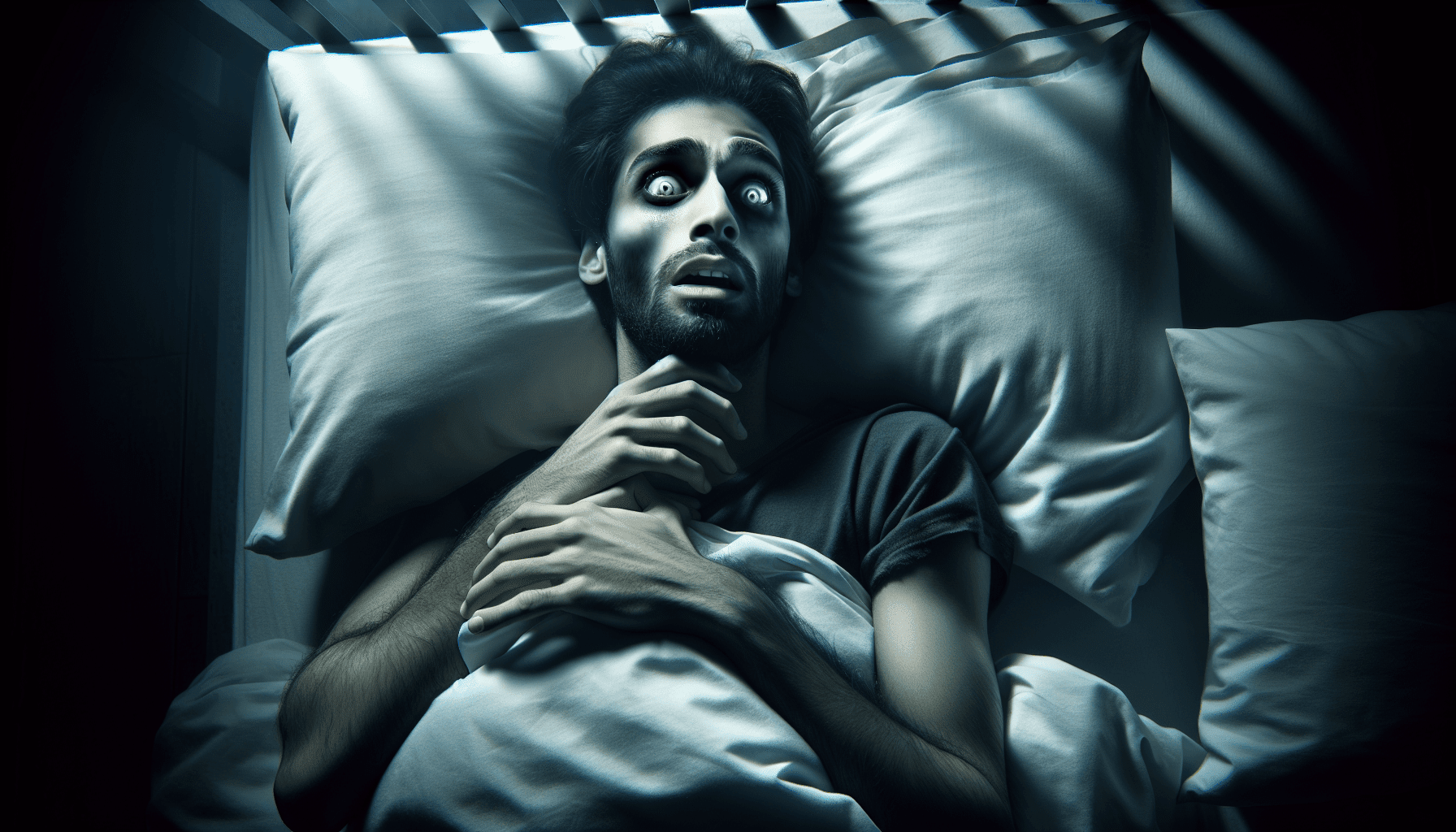
Sleep paralysis is a phenomenon that occurs when you wake up from sleep but find yourself unable to move or speak, often accompanied by a sense of pressure on your chest and a feeling of fear or impending doom. This experience usually lasts for a few seconds to a few minutes, leaving you feeling frightened and confused.
What Causes Sleep Paralysis?
During rapid eye movement (REM) sleep, your brain sends signals to temporarily paralyze your muscles, preventing you from acting out your dreams and potentially injuring yourself. In people with sleep paralysis, this paralysis persists even as they wake up, causing a disconnection between their mind and body.
Types of Parasomnias
Parasomnias are a group of sleep disorders that involve abnormal movements, behaviors, emotions, perceptions, and dreams during sleep. They can occur during any stage of sleep, but are most common during REM sleep. Here are some common types of parasomnias:
Sleepwalking
Sleepwalking, also known as somnambulism, is a parasomnia characterized by walking or performing other activities while still asleep. People who sleepwalk may have a blank expression on their face, perform repetitive movements, and have no recollection of their actions upon waking up.
Night Terrors
Night terrors are intense episodes of fear, screaming, or thrashing during sleep, often accompanied by physical symptoms such as rapid heart rate and sweating. Unlike nightmares, which occur during REM sleep, night terrors occur during non-REM sleep stages and are usually not remembered upon waking up.
Sleep Talking
Sleep talking, also known as somniloquy, involves speaking during sleep without being aware of it. The content of sleep talking can range from mumbling to coherent speech and may be related to ongoing dreams or thoughts. Sleep talking is more common in children and can occur sporadically in adults.

The Relationship Between Sleep Paralysis and Other Parasomnias
While sleep paralysis is classified as a type of parasomnia, it is also closely related to other parasomnias in terms of symptoms, causes, and risk factors. Understanding the connections between sleep paralysis and other parasomnias can help shed light on the underlying mechanisms of these sleep disorders.
Co-occurrence of Sleep Paralysis and Other Parasomnias
Research has shown that sleep paralysis often co-occurs with other parasomnias, such as sleepwalking, night terrors, and sleep talking. People who experience one type of parasomnia are more likely to also experience another type, indicating a shared underlying vulnerability to these sleep disorders.
Shared Risk Factors for Sleep Paralysis and Other Parasomnias
Several risk factors have been identified for both sleep paralysis and other parasomnias, including genetics, stress, sleep deprivation, and sleep disorders such as insomnia and sleep apnea. These risk factors can increase the likelihood of experiencing parasomnias and may contribute to the co-occurrence of different types of parasomnias.
Psychological Factors in Parasomnias
Psychological factors, such as anxiety, depression, and trauma, have also been linked to the development and exacerbation of parasomnias, including sleep paralysis. These factors can influence sleep quality, disrupt normal sleep patterns, and contribute to the occurrence of parasomnias during sleep.
Treatment and Management of Parasomnias
Managing parasomnias like sleep paralysis involves addressing underlying sleep disorders, improving sleep hygiene, and reducing stress and anxiety. Here are some strategies for treating and managing parasomnias:
Cognitive Behavioral Therapy (CBT)
Cognitive behavioral therapy is a proven treatment for parasomnias, including sleep paralysis, as it addresses the psychological factors that may contribute to sleep disturbances. CBT can help you identify and change negative thought patterns, improve sleep habits, and reduce stress and anxiety related to sleep.
Sleep Hygiene Practices
Practicing good sleep hygiene is essential for managing parasomnias and improving overall sleep quality. This includes establishing a regular sleep schedule, creating a relaxing bedtime routine, optimizing your sleep environment, and avoiding stimulants like caffeine and electronics before bed.
Medications
In some cases, medications may be prescribed to help manage parasomnias and improve sleep quality. However, these medications should be used under the guidance of a healthcare provider, as they may have side effects and interactions with other medications.

Seeking Professional Help
If you frequently experience sleep paralysis or other parasomnias that disrupt your sleep and daily functioning, it’s important to seek help from a healthcare provider or sleep specialist. They can provide a proper diagnosis, recommend treatment options, and help you improve your sleep quality and overall well-being.
Conclusion
Sleep paralysis and other parasomnias are complex sleep disorders that can have a significant impact on your sleep and overall health. By understanding the connections between sleep paralysis and other parasomnias, you can gain insights into the underlying causes and risk factors that contribute to these phenomena. With the right treatment and management strategies, you can improve your sleep quality, reduce the occurrence of parasomnias, and enhance your overall well-being. Remember to prioritize your sleep health and seek help if you need assistance in managing your sleep disorders.