Have you ever woken up in the middle of the night, unable to move or speak? If so, you may have experienced sleep paralysis. This peculiar phenomenon occurs when your mind awakens, but your body remains in a state of temporary paralysis. While sleep paralysis is relatively common and harmless, it can have a profound psychological impact on those who encounter it. In this article, we will explore the various psychological effects of sleep paralysis experiences and shed light on how individuals cope with this strange occurrence.
Introduction
Sleep paralysis can be a terrifying experience that leaves you feeling helpless and frightened. But what many people may not realize is that it can also have a profound psychological impact on those who suffer from it. In this article, we will explore the definition of sleep paralysis, its causes, and the various psychological symptoms associated with it. By the end, you will have a better understanding of the complex effects of sleep paralysis on the mind and the importance of seeking support and treatment.
Definition of Sleep Paralysis
Sleep paralysis is a phenomenon in which an individual is temporarily unable to move or speak while falling asleep or waking up. This state can last a few seconds to a few minutes and is often accompanied by a sense of pressure on the chest and a feeling of being watched or not alone. It occurs when the brain and body’s transition between sleep stages becomes disrupted, leaving you conscious but unable to move. Although it is a relatively common occurrence, affecting about 7.6% of the general population, it can be a distressing and unsettling experience for those who go through it.
Causes of Sleep Paralysis
Sleep paralysis can have several causes, including sleep disorders, such as narcolepsy or insomnia. It can also be triggered by sleep deprivation, irregular sleep patterns, and certain medications. Additionally, it has been linked to other factors such as anxiety, stress, and even genetics. Understanding the underlying causes of sleep paralysis is essential in addressing its psychological impact, as it can help individuals make informed decisions about their sleep hygiene and seek appropriate treatment options.
The Experience of Sleep Paralysis
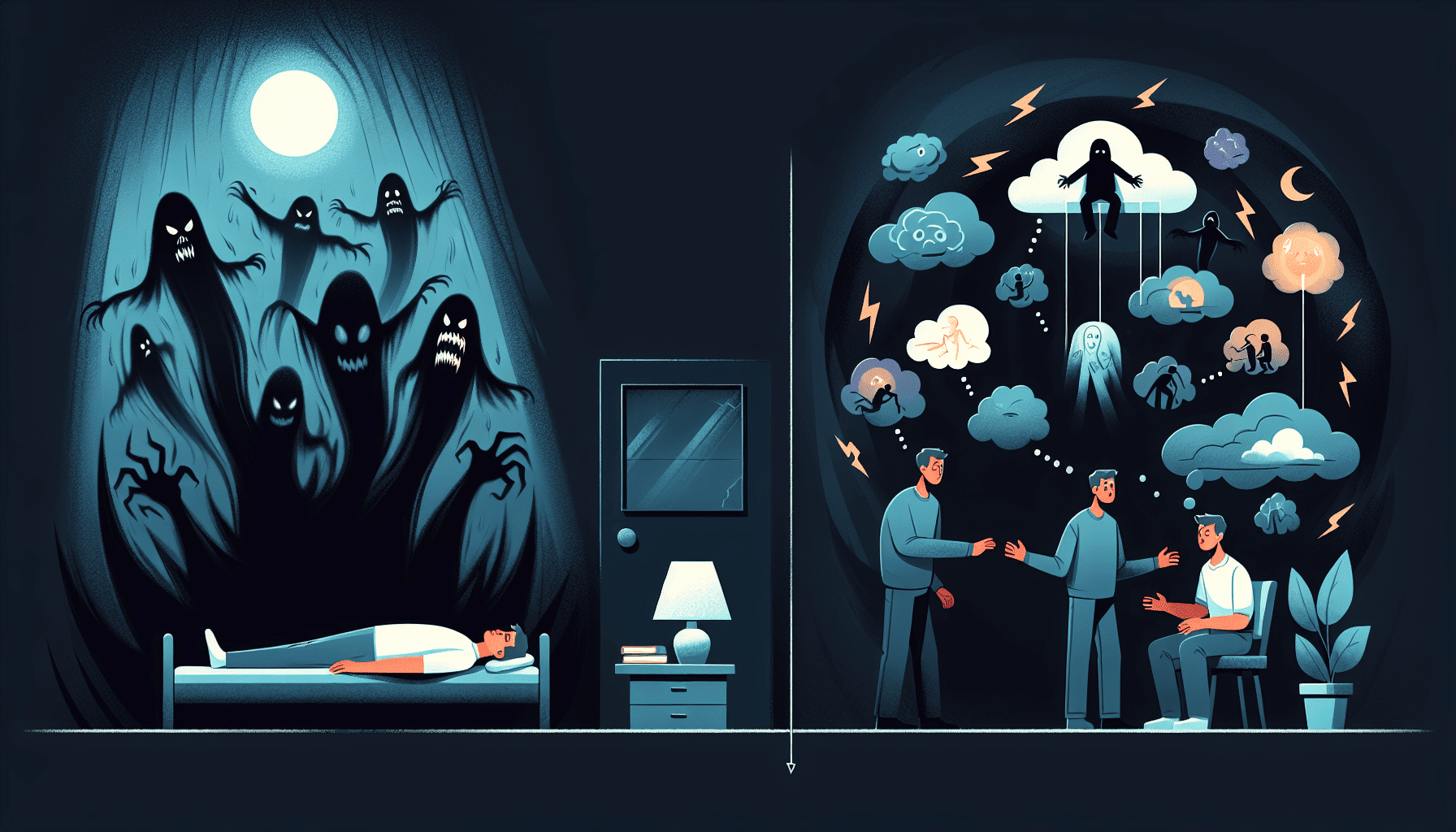
The experience of sleep paralysis can vary from person to person, but there are commonalities that many individuals report during episodes. As you find yourself unable to move or speak, you may feel a strong sense of fear, as though something ominous is lurking in the room. This fear can intensify with a feeling of being trapped or smothered, often accompanied by the sensation of pressure on the chest. Some people may also have auditory and visual hallucinations, perceiving shadowy figures or hearing strange voices. These experiences can be vivid and realistic, adding to the overall distress and confusion during episodes of sleep paralysis.
Psychological Symptoms Associated with Sleep Paralysis
The psychological impact of sleep paralysis experiences can manifest in various ways. It is important to remember that each person’s experience is unique, but here are some common psychological symptoms associated with sleep paralysis:
Anxiety and Fear
One of the most prevalent psychological symptoms linked to sleep paralysis is anxiety and fear. Understandably, the feeling of being paralyzed and unable to move while experiencing hallucinations can trigger a tremendous amount of fear. Many individuals report anticipatory anxiety, dreading the next episode and the potential distress it may bring. This constant worry about when it will occur again can disrupt sleep further and exacerbate other psychological symptoms.
Depression
Sleep paralysis can also contribute to the development or worsening of depression. The fear and helplessness experienced during episodes can lead to feelings of hopelessness and despair. Additionally, the disrupted sleep patterns and the overall impact on daily functioning can significantly affect mood and overall well-being. It is crucial to address any feelings of depression associated with sleep paralysis and seek appropriate support from mental health professionals.
Post-traumatic Stress Disorder (PTSD)
In some cases, sleep paralysis can be traumatic, leading to the development of post-traumatic stress disorder (PTSD). Repeated experiences of intense fear and helplessness can trigger intrusive memories, nightmares, and flashbacks. The fear of falling asleep may also contribute to a constant state of hypervigilance, affecting overall quality of life. If sleep paralysis is causing significant distress and impacting daily functioning, it is crucial to consult with a mental health professional who can provide appropriate guidance and support.
Hallucinations and Delusions
Visual and auditory hallucinations are common during episodes of sleep paralysis. These hallucinations can range from seeing shadowy figures to hearing voices or other sounds that are not physically present. While these experiences are not real, they can be incredibly vivid and convincing, leading to confusion and distress. In some cases, individuals may develop delusional beliefs as a result of these experiences, further increasing psychological distress. It is essential for individuals experiencing sleep paralysis to understand that these hallucinations are a product of their disrupted sleep state and seek support to navigate these experiences.
Conclusion
Sleep paralysis can have a significant psychological impact on individuals who experience it. The fear, anxiety, and distress associated with episodes can lead to the development or worsening of various psychological symptoms, including depression, PTSD, and delusions. Seeking support from mental health professionals is essential in addressing these symptoms and developing effective coping strategies. Remember, you are not alone in your experiences, and with the right help, you can manage the psychological impact of sleep paralysis and improve your overall well-being.