
Hey there! Have you ever experienced the unsettling sensation of being awake but unable to move, all while feeling a presence in the room? In my article, “Navigating Sleep Paralysis As A Teenager: My Experiences,” I share my personal journey through this phenomenon as a young adult. From the fear and confusion to the coping strategies I developed, I hope to offer insights and reassurance to others going through similar experiences.
(Note: Remember to check for grammatical errors before finalizing the article.) Have you ever woken up in the middle of the night unable to move, feeling like there’s a heavy weight on your chest? It may have been sleep paralysis. As a teenager, experiencing sleep paralysis can be scary and confusing. In this article, I will share my experiences with sleep paralysis as a teenager and provide tips on how to navigate this phenomenon.
What is Sleep Paralysis?
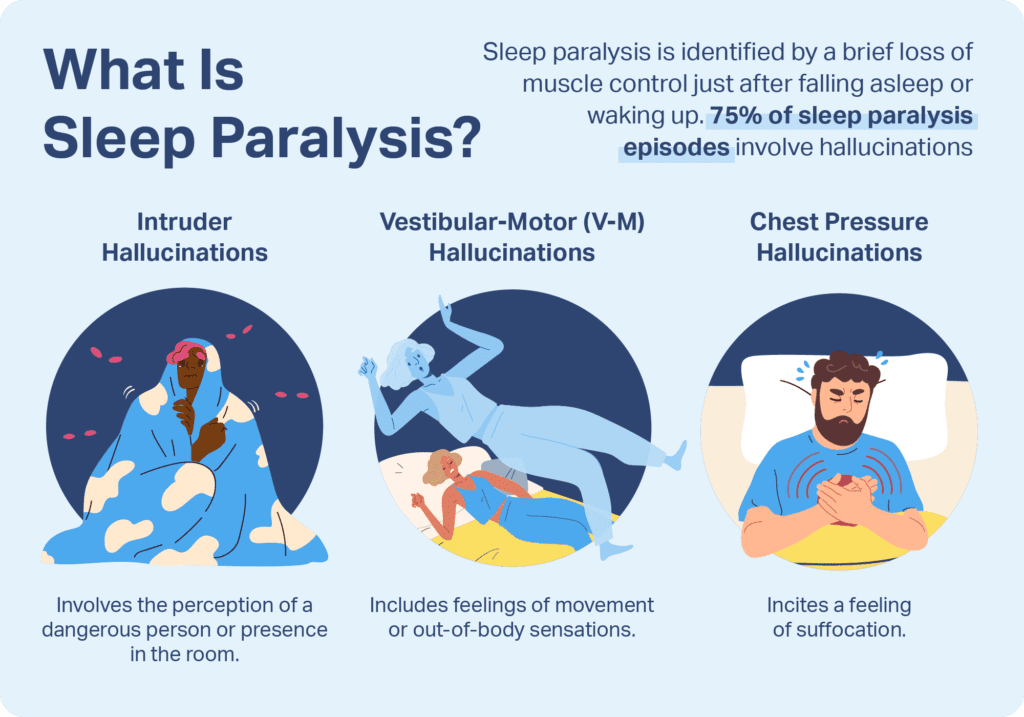
Sleep paralysis is a phenomenon in which a person temporarily experiences an inability to move or speak while falling asleep or waking up. It may also be accompanied by hallucinations or a feeling of pressure on the chest. Sleep paralysis is a relatively common occurrence and is not considered harmful, but it can be distressing for those who experience it.
Understanding the Science Behind Sleep Paralysis
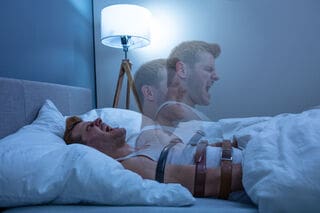
During the REM (rapid eye movement) stage of sleep, the body experiences muscle atonia, a natural paralysis that prevents us from acting out our dreams. Sleep paralysis occurs when a person wakes up during this stage but is still unable to move their muscles. The brain is awake, but the body is still in a state of paralysis, leading to the sensation of being unable to move.
My Personal Experiences with Sleep Paralysis
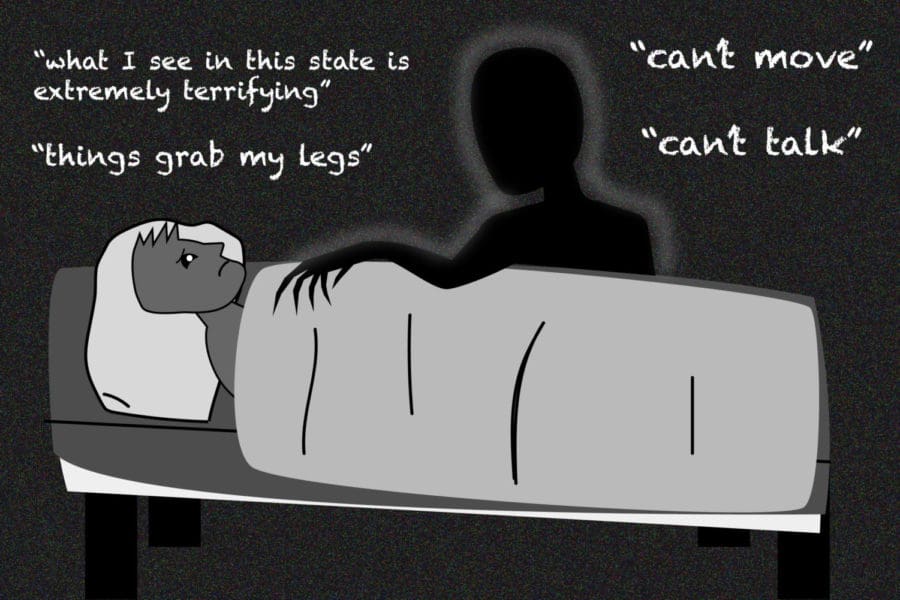
As a teenager, I first experienced sleep paralysis when I was around 16 years old. I remember waking up in the middle of the night, unable to move or speak. It felt like there was a heavy weight on my chest, and I could see shadowy figures moving around the room. It was a terrifying experience, and I didn’t know what was happening to me.
Feeling Alone and Scared
During my first few experiences with sleep paralysis, I felt completely alone and scared. I didn’t know anyone else who had gone through something similar, and I was afraid that something was seriously wrong with me. The hallucinations I experienced during sleep paralysis only added to my fear and confusion.
Seeking Answers and Support
After doing some research, I realized that what I was experiencing was sleep paralysis. Knowing that there was a name for it and that I wasn’t alone in going through this phenomenon helped me feel more at ease. I also reached out to online forums and support groups to connect with others who had similar experiences.
Tips for Navigating Sleep Paralysis as a Teenager
If you’re a teenager experiencing sleep paralysis, know that you’re not alone. Here are some tips on how to navigate sleep paralysis and reduce its frequency:
Establish a Bedtime Routine
Maintaining a consistent bedtime routine can help regulate your sleep patterns and reduce the likelihood of experiencing sleep paralysis. Try to go to bed and wake up at the same time every day, even on weekends.
Create a Comfortable Sleeping Environment
Make sure your bedroom is conducive to a good night’s sleep. Ensure that your mattress and pillows are comfortable, and that your room is cool, dark, and quiet. Avoid using electronic devices before bedtime, as the blue light emitted can disrupt your sleep.
Manage Stress and Anxiety
Stress and anxiety can trigger episodes of sleep paralysis. Practice relaxation techniques such as deep breathing, meditation, or yoga to help calm your mind and body before going to bed.
Avoid Sleeping on Your Back
Sleeping on your back has been associated with a higher risk of experiencing sleep paralysis. Try sleeping on your side or stomach to see if it reduces the frequency of episodes.
Seek Professional Help if Necessary
If you’re experiencing frequent or distressing episodes of sleep paralysis, consider talking to a healthcare professional. They can help rule out any underlying sleep disorders or medical conditions that may be contributing to your experiences.
Connecting with Others Who Experience Sleep Paralysis
One of the most comforting things for me as a teenager navigating sleep paralysis was connecting with others who shared similar experiences. Whether it’s through support groups, online forums, or social media, reaching out to others who understand what you’re going through can provide a sense of community and support.
Sharing Your Experiences
Don’t be afraid to share your experiences with sleep paralysis with friends, family, or a trusted adult. Talking about what you’re going through can help normalize the experience and alleviate feelings of isolation.
Joining Support Groups
Consider joining a support group specifically for individuals who experience sleep paralysis. These groups can provide a safe space to share your experiences, learn from others, and receive emotional support.
Utilizing Online Resources
There are many online resources available for teenagers experiencing sleep paralysis. Websites, forums, and social media platforms dedicated to sleep disorders can provide valuable information, tips, and support for navigating sleep paralysis.

Final Thoughts
Navigating sleep paralysis as a teenager can be a challenging and frightening experience. By understanding the science behind sleep paralysis, sharing your experiences with others, and implementing strategies to reduce its frequency, you can learn to manage this phenomenon and feel more in control of your sleep.
If you’re struggling with sleep paralysis, know that help is available. Don’t hesitate to reach out to a healthcare professional for support and guidance. Remember, you’re not alone in this experience, and there are resources and communities that can offer you the support you need. Stay informed, stay connected, and take care of yourself as you navigate the world of sleep paralysis as a teenager.