
In this article, you will explore the intricate reasons behind the phenomenon of sleep paralysis. By examining the various factors that contribute to this unsettling experience, including disrupted sleep patterns, stress, and neurological conditions, you will gain a deeper understanding of the causes and potential treatments for this common sleep disorder. Through a comprehensive analysis of the latest research and scientific findings, you will uncover the intricate complexities of sleep paralysis and its impact on individuals. Have you ever woken up unable to move, feeling a sense of dread enveloping you as if an invisible force is pressing down on your chest? This terrifying experience has likely left you wondering what causes sleep paralysis. In this academic article, we will delve into the various factors that can lead to this mysterious phenomenon, exploring both the scientific explanations and the cultural beliefs surrounding sleep paralysis.
The Basics of Sleep Paralysis
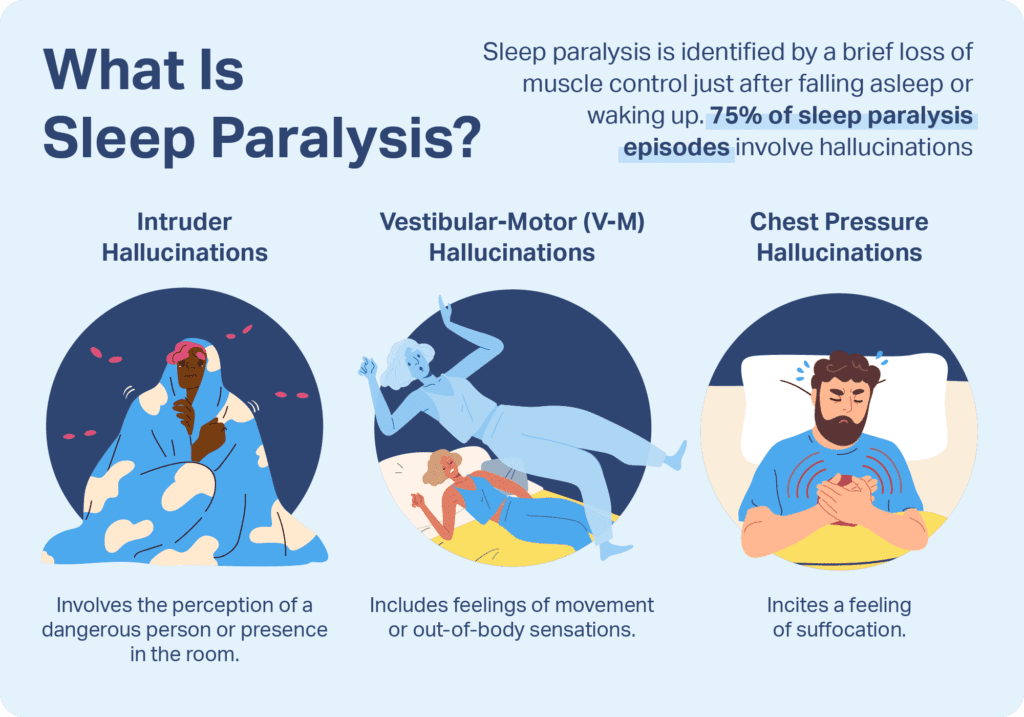
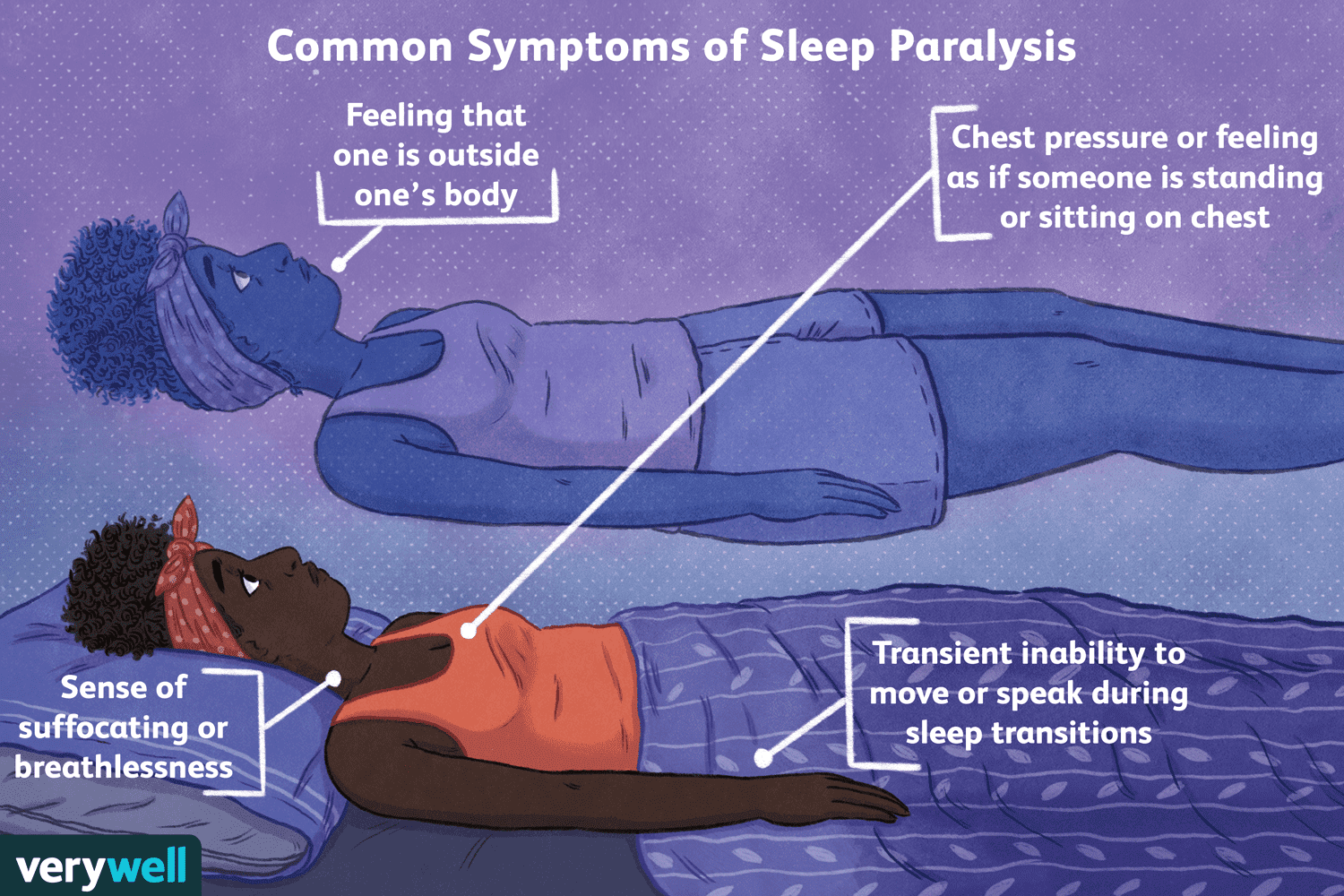
Sleep paralysis is a phenomenon in which an individual is temporarily unable to move or speak while waking up or falling asleep. This state of paralysis typically lasts for a few seconds to a few minutes, but it can feel much longer for those experiencing it. During an episode of sleep paralysis, individuals may also report hallucinations, such as seeing shadowy figures or feeling a presence in the room.
What Happens in the Brain During Sleep Paralysis?
During sleep, the brain cycles through different stages, including rapid eye movement (REM) sleep and non-rapid eye movement (NREM) sleep. REM sleep is the stage of sleep associated with dreaming, during which the brain is highly active and the body is essentially paralyzed to prevent acting out dreams. This paralysis is facilitated by the release of certain neurotransmitters, such as gamma-aminobutyric acid (GABA), which inhibit motor neurons in the spinal cord.
After a night of quality sleep, you should wake up feeling refreshed and alert. However, there are times when you may wake up feeling the complete opposite, paralyzed and anxious. By understanding the causes of sleep paralysis, you can hopefully prevent or alleviate this unsettling experience.
The Scientific Explanations for Sleep Paralysis
Disrupted Sleep Patterns
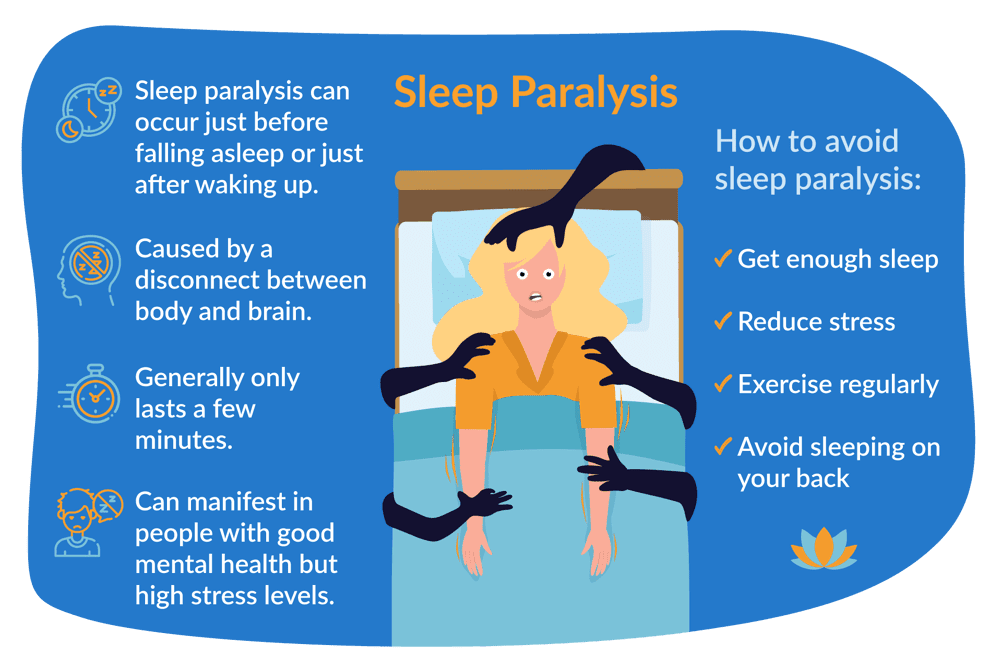
One of the primary causes of sleep paralysis is disrupted sleep patterns. When your sleep is fragmented, and you are not able to enter the necessary stages of REM sleep, you may be more prone to experiencing episodes of sleep paralysis. This disruption can occur due to various factors, including stress, irregular sleep schedules, or sleep disorders like sleep apnea.
Hypnagogic and Hypnopompic Hallucinations
During sleep paralysis, individuals may experience hallucinations that can be vivid and terrifying. These hallucinations can occur in the transitional states between wakefulness and sleep, known as hypnagogia (falling asleep) and hypnopompia (waking up). These hallucinations are believed to be caused by the brain’s inability to distinguish between dream imagery and wakeful reality during these states.
Sleep Disorders
Individuals with sleep disorders, such as narcolepsy, are more likely to experience sleep paralysis. Narcolepsy is a chronic neurological disorder characterized by excessive daytime sleepiness and disrupted sleep patterns, including REM sleep disturbances. These disruptions in the sleep-wake cycle can lead to episodes of sleep paralysis.
Genetics
Research suggests that there may be a genetic component to sleep paralysis. Studies have shown that individuals with a family history of sleep disorders, such as narcolepsy, may be more predisposed to experiencing sleep paralysis. Genetic factors can play a role in the regulation of neurotransmitters and the sleep-wake cycle, contributing to the occurrence of sleep paralysis.
Stress and Anxiety
Emotional factors, such as stress and anxiety, can also contribute to episodes of sleep paralysis. High levels of stress can disrupt the natural sleep cycle and make individuals more vulnerable to experiencing sleep paralysis. Additionally, anxiety and fear can exacerbate the hallucinations and feelings of dread associated with sleep paralysis, making the experience even more frightening.

Cultural Beliefs and Folklore Surrounding Sleep Paralysis
The Old Hag Syndrome
In various cultures around the world, sleep paralysis has been attributed to supernatural entities or spirits. One common phenomenon, known as the Old Hag Syndrome, is described as a witch or demon sitting on the chest of the paralyzed individual, making it difficult to breathe. This belief is rooted in folklore and has been passed down through generations as an explanation for the experience of sleep paralysis.
Demon and Spirit Visitations
Across different cultures, sleep paralysis has been associated with encounters with demons, ghosts, or malevolent spirits. These entities are believed to be responsible for inducing the state of paralysis and creating a sense of terror in the individual experiencing sleep paralysis. These cultural beliefs highlight the universal fear of the unknown and the mysterious nature of this phenomenon.
Sleep Paralysis in Art and Literature
Throughout history, sleep paralysis has been depicted in art and literature as a surreal and haunting experience. Artists and writers have captured the eerie and unsettling nature of sleep paralysis, often using it as a metaphor for inner turmoil and existential dread. These creative interpretations offer a glimpse into the cultural significance of sleep paralysis and its impact on the human psyche.
Coping Strategies for Sleep Paralysis
Improve Sleep Hygiene
Maintaining good sleep hygiene is essential for preventing sleep disturbances, including sleep paralysis. Establish a regular sleep routine, limit caffeine and alcohol intake before bedtime, create a comfortable sleep environment, and practice relaxation techniques to promote restful sleep. By prioritizing quality sleep, you can reduce the likelihood of experiencing sleep paralysis.
Manage Stress and Anxiety
Stress and anxiety can exacerbate episodes of sleep paralysis, so it is important to find healthy ways to manage these emotions. Engage in stress-reducing activities, such as mindfulness meditation, yoga, deep breathing exercises, or journaling. By addressing the underlying psychological factors contributing to sleep paralysis, you can reduce its frequency and intensity.
Seek Professional Help
If you experience frequent episodes of sleep paralysis that significantly impact your quality of life, consider seeking help from a healthcare professional. A sleep specialist can evaluate your sleep patterns, identify any underlying sleep disorders, and recommend appropriate treatment options. Cognitive-behavioral therapy (CBT) and medication may be beneficial for managing sleep paralysis and improving overall sleep quality.
Talk About Your Experiences
Sharing your experiences of sleep paralysis with others can help alleviate the feelings of isolation and fear associated with this phenomenon. Discussing your episodes of sleep paralysis with friends, family, or support groups can provide reassurance and validation, as well as offer valuable insights and coping strategies from others who have experienced similar challenges. Remember that you are not alone in facing sleep paralysis, and there are resources available to support you.
Conclusion
In conclusion, sleep paralysis is a complex phenomenon that can be influenced by various factors, including disrupted sleep patterns, genetics, stress, and cultural beliefs. By understanding the causes of sleep paralysis and implementing coping strategies, you can effectively manage this unsettling experience and improve your overall sleep quality. Remember that sleep paralysis is a common and treatable condition, and with the right support and resources, you can navigate through this challenging aspect of sleep.
