
Have You Ever Experienced Sleep Paralysis?
Have you ever woken up in the middle of the night feeling like you cannot move, as if a heavy weight is pressing down on you, and perhaps even sensing a presence in the room? If so, you may have experienced sleep paralysis.

What is Sleep Paralysis?
Sleep paralysis is a phenomenon in which a person wakes up during the REM (Rapid Eye Movement) stage of sleep and finds themselves unable to move, speak, or react. This can be a terrifying experience, as the individual is often fully conscious but unable to move their body.
Understanding the Science Behind Sleep Paralysis
During REM sleep, our bodies go into a state of muscle paralysis to prevent us from acting out our dreams. However, when someone experiences sleep paralysis, they wake up before this paralysis wears off, leading to the feeling of being “stuck” or unable to move.
Common Symptoms of Sleep Paralysis
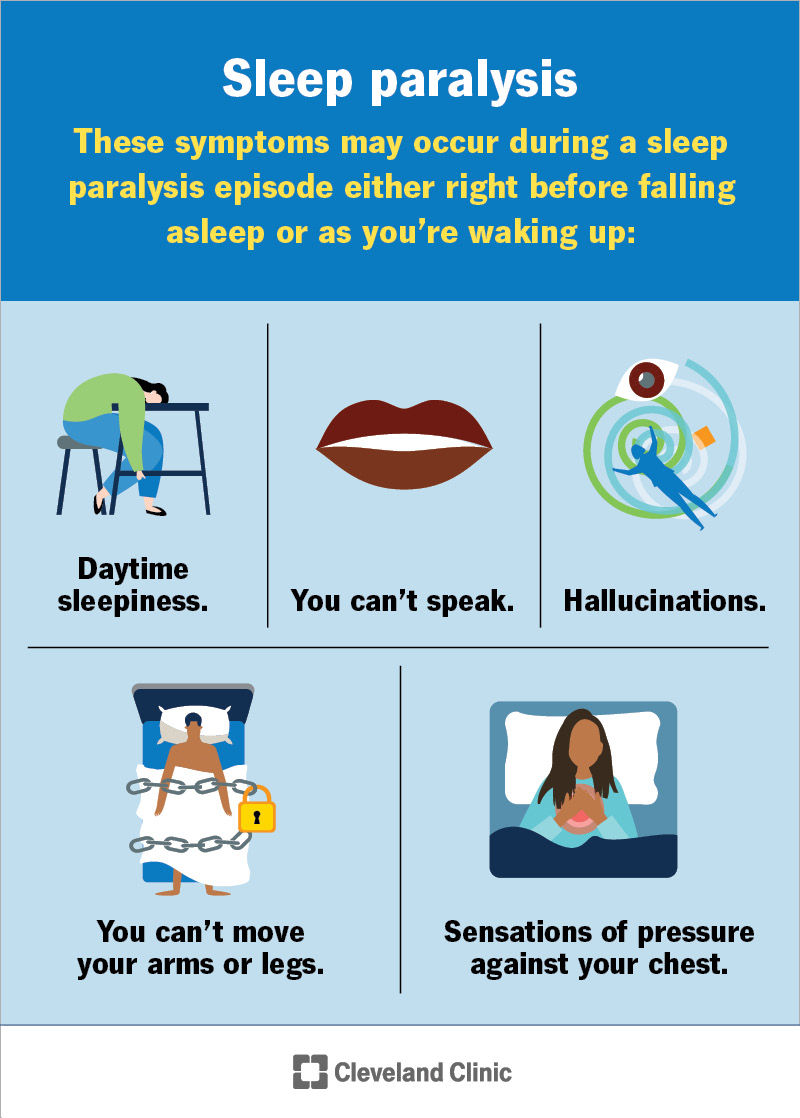
Common symptoms of sleep paralysis include:
- Feeling like there is pressure on your chest or body
- Inability to speak or scream
- Sensing a presence in the room
- Hallucinations
- Feeling intense fear or dread
Is Sleep Paralysis Harmful?
While sleep paralysis can be a frightening experience, it is generally not harmful. Most episodes only last a few seconds to a few minutes and do not have any long-term effects on physical health.
Coping Strategies for Dealing with Sleep Paralysis
If you frequently experience sleep paralysis and find it to be distressing, there are several coping strategies that may help you find peace within the chaos of this phenomenon. Let’s explore some techniques that can help you navigate sleep paralysis and reduce feelings of fear and anxiety.
Relaxation Techniques
One effective way to cope with sleep paralysis is to practice relaxation techniques before bed. Engaging in activities such as deep breathing, progressive muscle relaxation, or meditation can help calm your mind and body, making it easier to fall asleep and potentially reducing the likelihood of experiencing sleep paralysis.

Creating a Comfortable Sleep Environment
Creating a comfortable and relaxing sleep environment can also help reduce the frequency of sleep paralysis episodes. Make sure your bedroom is dark, quiet, and at a comfortable temperature. Consider using blackout curtains, white noise machines, or essential oils to create a soothing atmosphere conducive to restful sleep.
Establishing a Regular Sleep Routine
Establishing a regular sleep routine can help regulate your body’s natural sleep-wake cycle and reduce the likelihood of experiencing sleep paralysis. Try to go to bed and wake up at the same time every day, even on weekends, to help train your body to fall asleep and wake up at consistent times.
Addressing Underlying Sleep Disorders
In some cases, sleep paralysis may be linked to underlying sleep disorders such as narcolepsy or sleep apnea. If you suspect that you may have a sleep disorder, it is essential to consult with a healthcare provider for a thorough evaluation and appropriate treatment.

Seeking Support from Loved Ones
Talking to loved ones about your experiences with sleep paralysis can provide emotional support and reassurance during episodes. Sharing your feelings and fears with trusted individuals can help alleviate anxiety and help you feel less alone in your struggles with sleep paralysis.
Implementing Mindfulness and Grounding Techniques
During a sleep paralysis episode, it can be challenging to stay calm and grounded. Implementing mindfulness and grounding techniques, such as focusing on your breath, visualizing a peaceful place, or repeating a mantra, can help redirect your focus away from feelings of fear and helplessness.
Consulting with a Mental Health Professional
If feelings of fear, anxiety, or distress related to sleep paralysis are significantly impacting your daily life, it may be beneficial to consult with a mental health professional. Therapy can help you explore coping strategies, process underlying emotions, and develop resilience in the face of sleep paralysis.
Exploring Alternative Therapies
In addition to traditional therapy, exploring alternative therapies such as hypnotherapy, acupuncture, or energy healing may provide additional support in managing sleep paralysis. Be open to trying different approaches and finding what works best for you in finding peace within the chaos of sleep paralysis.
Understanding Sleep Paralysis as a Spiritual Experience
Some individuals view sleep paralysis as a spiritual experience rather than a purely scientific phenomenon. They believe that the sensations and perceptions they experience during sleep paralysis may be connected to spiritual forces or entities.
Establishing a Bedtime Ritual
Creating a bedtime ritual can signal to your body that it is time to unwind and prepare for sleep, reducing the likelihood of experiencing sleep paralysis. Engage in calming activities such as reading, listening to music, or taking a warm bath before bed to help relax your mind and body.

Journaling Your Experiences
Keeping a journal of your sleep paralysis experiences can help you track patterns, triggers, and emotions associated with this phenomenon. Journaling can also serve as a therapeutic outlet for processing your feelings and fears related to sleep paralysis.
Utilizing Cognitive-Behavioral Techniques
Cognitive-behavioral techniques, such as challenging negative thoughts, reframing beliefs, and practicing relaxation exercises, can be effective in reducing anxiety and fear associated with sleep paralysis. Working with a therapist trained in CBT can help you develop skills to cope with sleep paralysis more effectively.
Seeking Spiritual Guidance
For some individuals, seeking spiritual guidance from a religious or spiritual leader can provide comfort and perspective on their experiences with sleep paralysis. Exploring the spiritual dimensions of sleep paralysis and seeking guidance from a higher power can help you find meaning and peace within the chaos of this phenomenon.
Practicing Self-Compassion
During episodes of sleep paralysis, it is essential to practice self-compassion and kindness toward yourself. Remember that sleep paralysis is a common and temporary experience that does not define your worth or character. Treat yourself with gentleness and care during challenging moments.
Incorporating Physical Exercise into Your Routine
Regular physical exercise can help regulate sleep patterns, reduce stress and anxiety, and improve overall well-being, potentially reducing the frequency of sleep paralysis episodes. Engage in activities such as yoga, walking, or swimming to promote relaxation and balance in your body and mind.
Exploring the Connection Between Sleep Paralysis and Lucid Dreaming
Some individuals who experience sleep paralysis also report having lucid dreams, in which they are aware that they are dreaming and can control their dream experiences. Exploring the connection between sleep paralysis and lucid dreaming may provide insights into the potential benefits and challenges of these phenomena.
Embracing Mindful Awareness
Embracing mindful awareness of your thoughts, emotions, and sensations during sleep paralysis can help you stay grounded and present in the moment, reducing feelings of fear and helplessness. Practice observing your experiences with curiosity and without judgment to cultivate a sense of peace and acceptance.
Celebrating Small Victories
Each time you navigate a sleep paralysis episode successfully, celebrate your resilience and strength in facing this challenging experience. Acknowledge your progress, no matter how small, and recognize the courage it takes to confront your fears and uncertainties.
Building a Support Network
Building a support network of friends, family members, or online communities who understand and empathize with your experiences of sleep paralysis can provide valuable emotional support and camaraderie. Surround yourself with individuals who validate your feelings and offer encouragement during difficult times.
Conclusion
Learning to find peace within the chaos of sleep paralysis is a journey that requires patience, self-compassion, and perseverance. By implementing coping strategies, seeking support, and exploring alternative therapies, you can develop resilience and inner strength in navigating sleep paralysis with grace and courage. Remember that you are not alone in your experiences, and there are resources and communities available to help you find peace and healing on your path to wellness. Embrace your journey with openness and curiosity, and trust in your ability to find peace within the chaos of sleep paralysis.