
The Fascinating Phenomenon of Sleep Paralysis
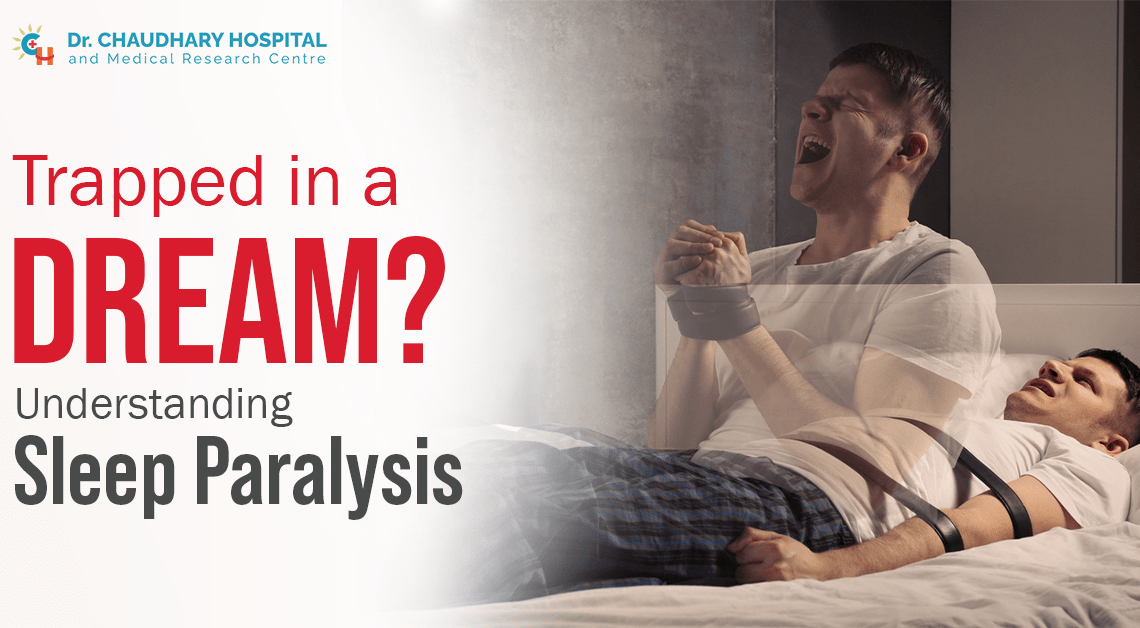
Sleep paralysis is a phenomenon that affects many individuals worldwide, causing a temporary inability to move or speak while falling asleep or waking up. It can be a terrifying experience for those who have gone through it, leading to feelings of fear and helplessness. In recent years, there have been significant advancements in technology that have helped researchers better understand this intriguing phenomenon.
Understanding the Science Behind Sleep Paralysis
Sleep paralysis occurs during the transition between wakefulness and sleep, when the body experiences a temporary disconnect between the brain and the muscles. This disconnect can lead to the sensation of being awake but unable to move or speak. Researchers believe that sleep paralysis is closely linked to the rapid eye movement (REM) stage of sleep, during which dreaming occurs.
REM Sleep and Muscle Atonia
During REM sleep, the brain is highly active, while the body experiences a state of muscle atonia, or paralysis, to prevent individuals from acting out their dreams. In individuals who experience sleep paralysis, this paralysis may continue even after waking up from REM sleep, leading to the sensation of being immobilized.
Historical Perspectives on Sleep Paralysis
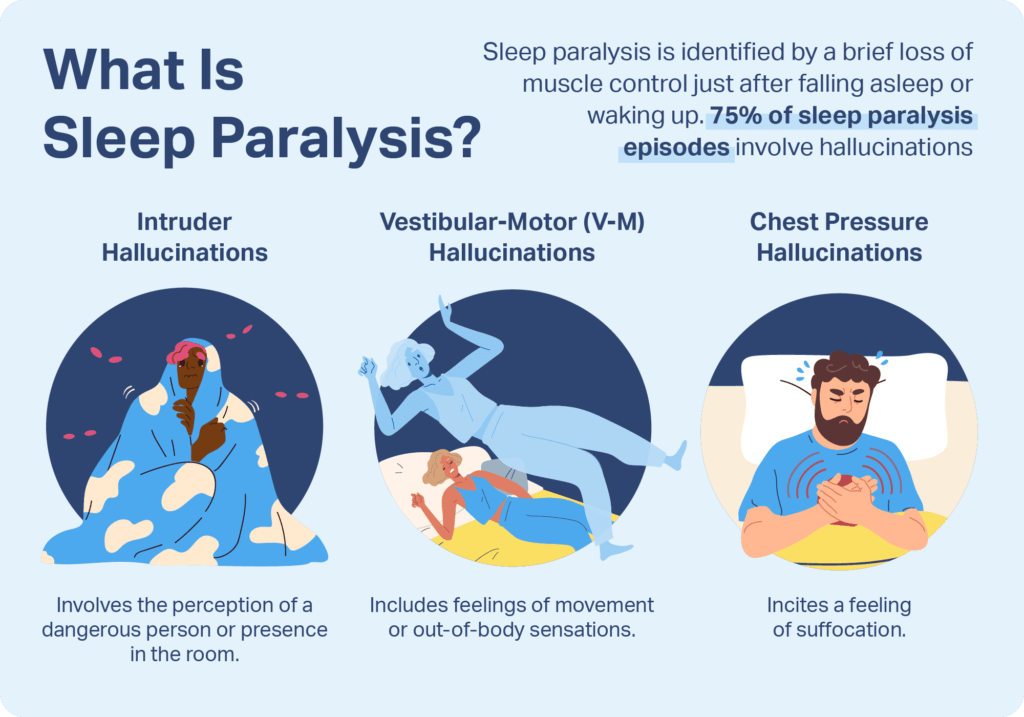
Sleep paralysis has been documented throughout history in various cultures, often linked to supernatural or paranormal explanations. In Asian cultures, sleep paralysis is sometimes referred to as “ghost oppression,” while in Western cultures, it has been associated with demonic visitations. These historical perspectives have contributed to the fear and stigma surrounding sleep paralysis.
Cultural Influences on Sleep Paralysis Experiences
Cultural beliefs and experiences can significantly impact how individuals interpret and experience sleep paralysis. For example, individuals from cultures with a strong belief in the supernatural may be more likely to attribute their sleep paralysis episodes to malevolent spirits or demons. Recognizing these cultural influences is crucial in understanding the diverse experiences of sleep paralysis across different populations.
Technological Innovations in Studying Sleep Paralysis
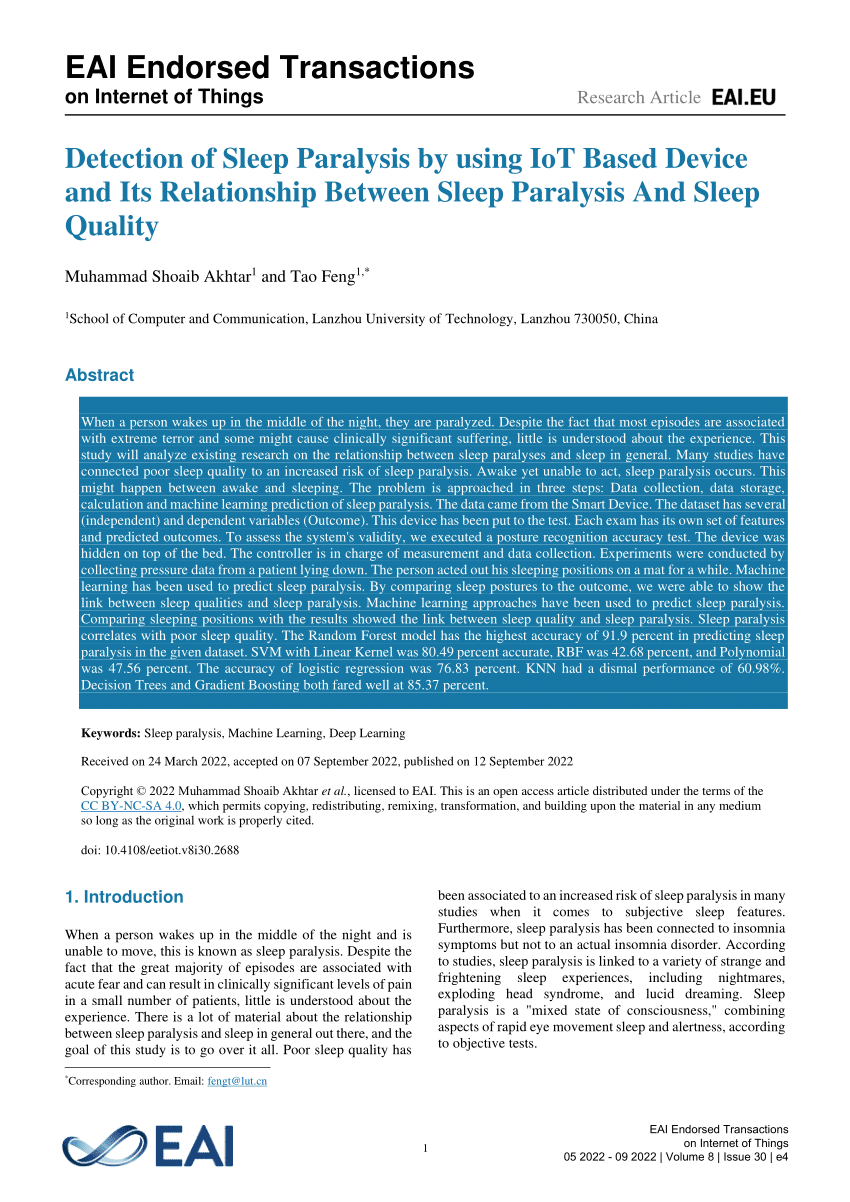
Advancements in technology have revolutionized the study of sleep paralysis, allowing researchers to delve deeper into its mechanisms and underlying causes. From advanced brain imaging techniques to wearable devices that monitor sleep patterns, technology has provided new insights into this enigmatic phenomenon.
Brain Imaging Studies
Brain imaging studies, such as functional magnetic resonance imaging (fMRI) and electroencephalography (EEG), have helped identify the neural pathways involved in sleep paralysis. These studies have revealed abnormal activity in regions of the brain responsible for motor control and perception during sleep paralysis episodes, shedding light on the brain’s role in this phenomenon.
Wearable Devices for Monitoring Sleep
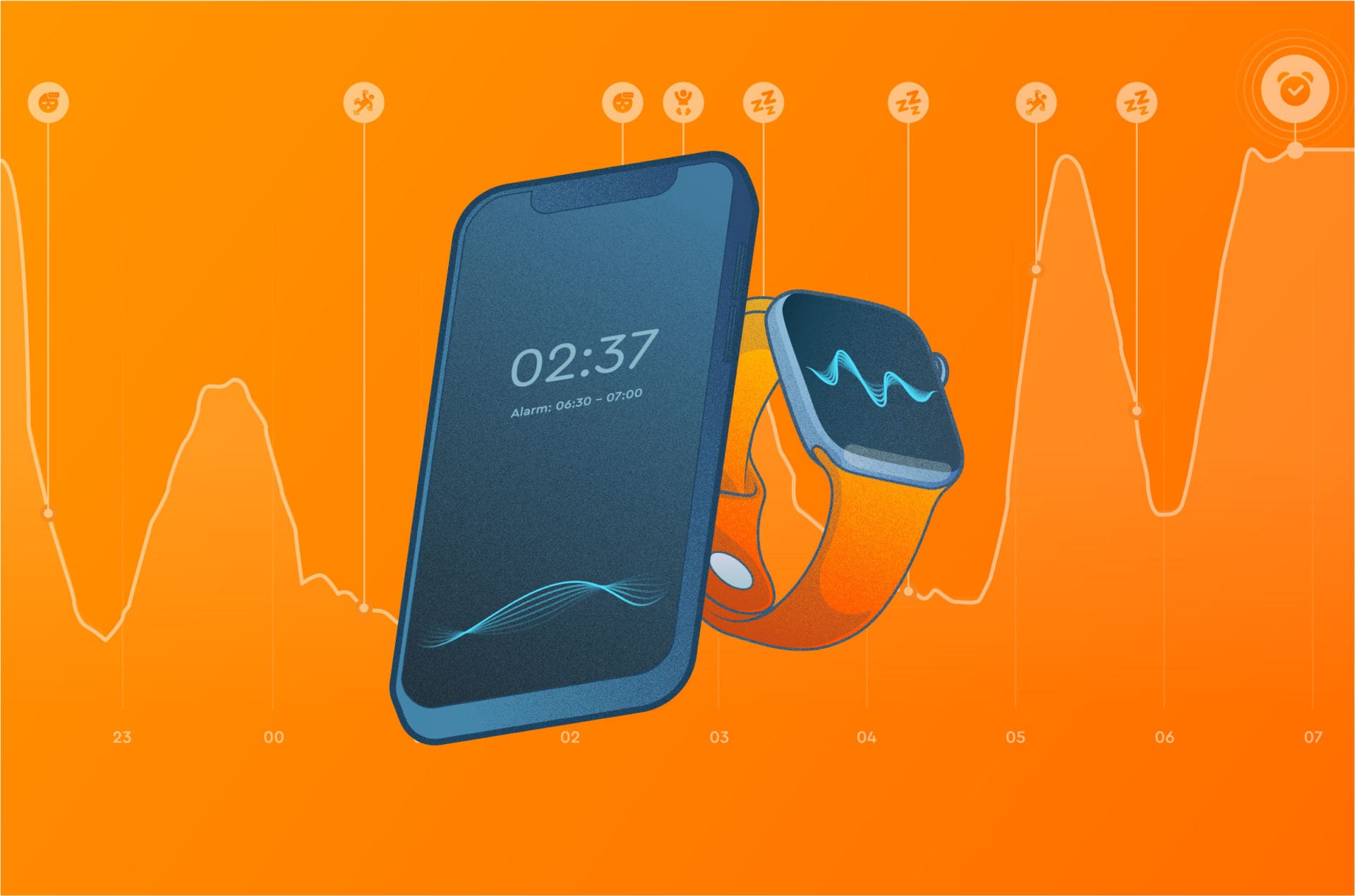
Wearable devices, such as smartwatches and sleep trackers, have become valuable tools for monitoring sleep patterns and detecting episodes of sleep paralysis. These devices can track vital signs, movement, and sleep stages, providing researchers with valuable data on the prevalence and frequency of sleep paralysis in individuals.
Virtual Reality Simulations
Virtual reality (VR) simulations have been used to recreate the experience of sleep paralysis in a controlled environment, allowing researchers to study the phenomenon in detail. By simulating the sensations and perceptions associated with sleep paralysis, VR technology has provided valuable insights into the psychological aspects of this phenomenon.
Treatment Approaches for Sleep Paralysis
While there is no specific treatment for sleep paralysis, several strategies can help individuals manage and reduce the frequency of episodes. Understanding the underlying mechanisms of sleep paralysis is crucial in developing effective treatment approaches that address both the physical and psychological aspects of this phenomenon.
Cognitive-Behavioral Therapy
Cognitive-behavioral therapy (CBT) has shown promising results in treating sleep paralysis by addressing negative thought patterns and fears associated with the experience. By helping individuals reframe their beliefs about sleep paralysis and develop coping mechanisms, CBT can reduce the frequency and intensity of episodes.
Sleep Hygiene Practices
Practicing good sleep hygiene, such as maintaining a consistent sleep schedule, creating a comfortable sleep environment, and avoiding stimulants before bedtime, can help improve overall sleep quality and reduce the likelihood of experiencing sleep paralysis. Establishing a bedtime routine and creating a relaxing bedtime environment can promote better sleep patterns and reduce the risk of sleep paralysis episodes.
Medication Options
In some cases, medications such as antidepressants or anti-anxiety medications may be prescribed to individuals with severe or persistent sleep paralysis. These medications can help reduce anxiety and improve sleep quality, potentially decreasing the frequency of episodes. However, medication should only be used under the guidance of a healthcare professional, as they may have side effects and interactions with other medications.
The Future of Sleep Paralysis Research
As technology continues to advance, the future of sleep paralysis research looks promising, with new tools and techniques that can provide a deeper understanding of this complex phenomenon. By integrating neuroscience, psychology, and technology, researchers can unravel the mysteries of sleep paralysis and develop more targeted interventions for those affected by this condition.
Artificial Intelligence and Machine Learning
Artificial intelligence (AI) and machine learning algorithms are increasingly being used to analyze large datasets related to sleep paralysis, helping researchers identify patterns and correlations that may not be apparent through traditional methods. By utilizing AI-driven approaches, researchers can uncover new insights into the underlying mechanisms of sleep paralysis and potential treatment options.
Genetic Studies
Genetic studies have shown that there may be a genetic component to sleep paralysis, with certain genes influencing an individual’s susceptibility to experiencing this phenomenon. By conducting genome-wide association studies and investigating genetic markers associated with sleep paralysis, researchers can gain a better understanding of the underlying biological factors contributing to this condition.
Personalized Medicine Approaches
Personalized medicine approaches, which involve tailoring treatments to an individual’s unique genetic makeup and physiological characteristics, hold promise for the future of sleep paralysis treatment. By identifying specific genetic markers or biomarkers associated with sleep paralysis, healthcare providers can develop personalized treatment plans that address the individual needs of each patient.
Conclusion
In conclusion, the latest technological advancements have provided valuable insights into the complex phenomenon of sleep paralysis, shedding light on its underlying mechanisms and potential treatment approaches. By combining neuroscience, psychology, and technology, researchers are paving the way for a better understanding of sleep paralysis and improved care for those affected by this condition. As research continues to evolve, we can expect to see more innovative approaches that enhance our knowledge of sleep paralysis and support individuals in managing and overcoming this challenging experience.