

Have you ever experienced the overwhelming feeling of anger and frustration during sleep paralysis? If so, you’re not alone. Coping with these intense emotions in the context of sleep paralysis can be challenging, but it’s essential for your well-being. In this article, we will explore effective strategies to help you manage anger and frustration during sleep paralysis.

Understanding Sleep Paralysis
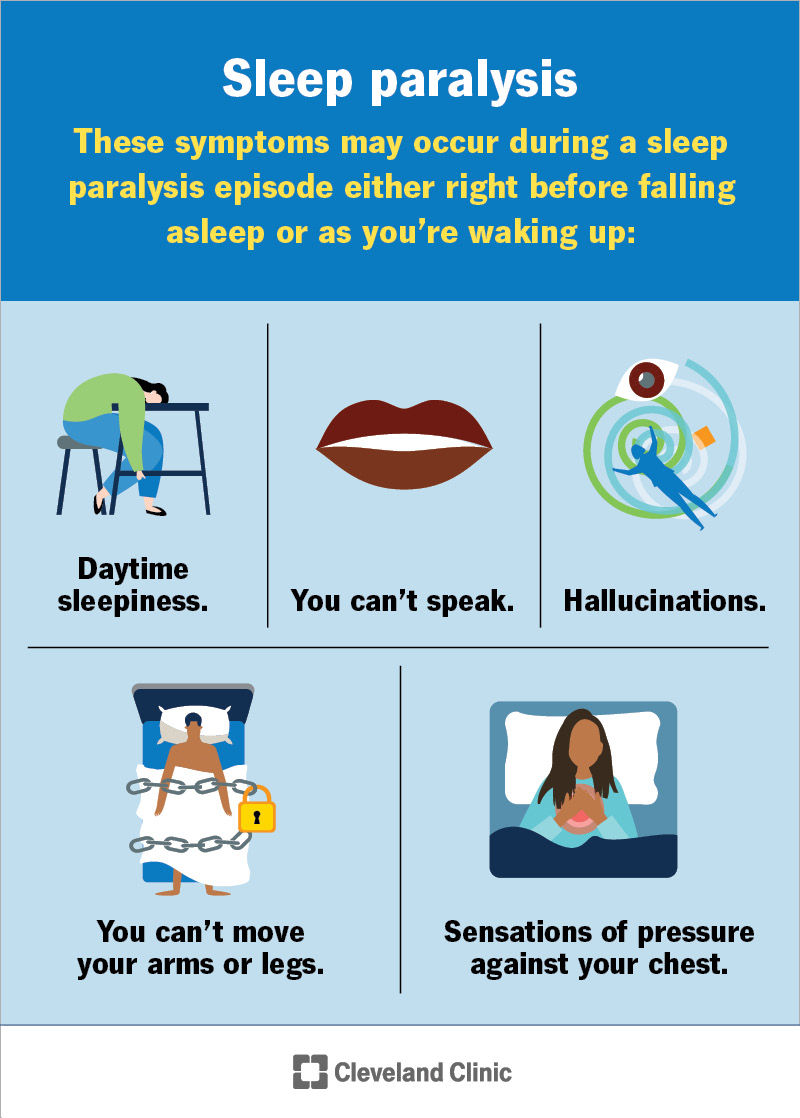
Sleep paralysis is a phenomenon that occurs when a person is temporarily unable to move or speak while falling asleep or waking up. It is often accompanied by vivid hallucinations and a sense of pressure on the chest. Understanding the basics of sleep paralysis can help you cope better with the experience.
What Causes Sleep Paralysis?
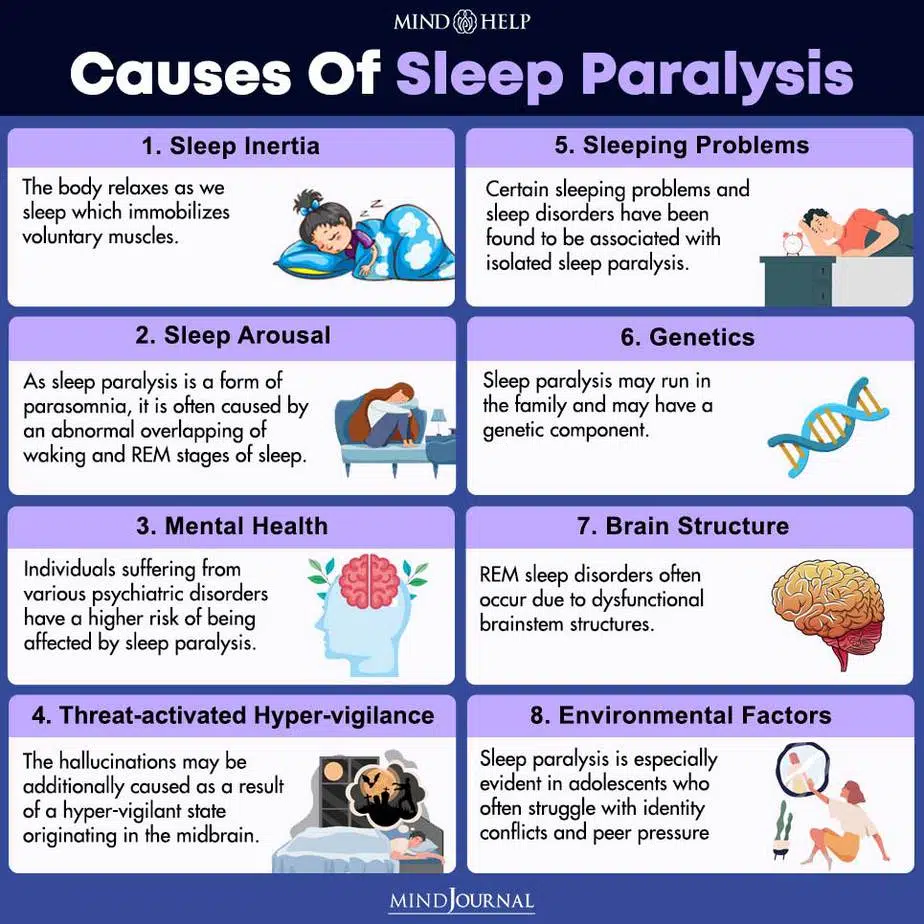
Sleep paralysis is believed to occur when there is a disruption in the REM (rapid eye movement) stage of sleep. During REM sleep, your brain is active, and your body is paralyzed to prevent you from acting out your dreams. When this process is disrupted, you may experience sleep paralysis.
How Common Is Sleep Paralysis?
Sleep paralysis is more common than you may think. Studies have shown that about 8% of the population experiences sleep paralysis at least once in their lifetime. It can happen to people of all ages and genders.
The Role of Anger and Frustration
Anger and frustration are common emotions experienced during sleep paralysis. The feeling of helplessness and fear that often accompanies this phenomenon can trigger intense emotions. Understanding the role of anger and frustration in sleep paralysis is crucial for effective coping strategies.
Why Do You Feel Angry and Frustrated?
Feeling angry and frustrated during sleep paralysis is a natural response to the fear and helplessness you may experience. The inability to move or speak can be scary, leading to feelings of frustration and anger towards the situation.
How Does Anger Affect Sleep Paralysis?
Anger can intensify the feelings of fear and helplessness during sleep paralysis, making the experience even more distressing. It can also increase your heart rate and blood pressure, further exacerbating the physical symptoms of sleep paralysis.
Coping Strategies
Managing anger and frustration during sleep paralysis is essential for your mental and emotional well-being. By implementing effective coping strategies, you can reduce the intensity of these emotions and improve your overall experience with sleep paralysis.
Deep Breathing Exercises
Deep breathing exercises can help calm your mind and body during sleep paralysis. Focus on taking slow, deep breaths to reduce anxiety and stress. This can help alleviate feelings of anger and frustration.
Visualization Techniques
Visualizing a calming and peaceful place can help distract your mind from the intense emotions of anger and frustration. Imagine yourself in a serene environment, such as a beach or forest, and focus on the sights and sounds to relax your mind.
Muscle Relaxation
Progressive muscle relaxation involves tensing and then relaxing different muscle groups in your body. This technique can help release tension and reduce feelings of anger and frustration during sleep paralysis. Start by tensing your muscles for a few seconds, then gradually release the tension.
Mindfulness Meditation
Mindfulness meditation involves focusing on the present moment without judgment. Practicing mindfulness during sleep paralysis can help you observe your emotions without becoming overwhelmed by them. This can reduce the intensity of anger and frustration.
Positive Affirmations
Repeat positive affirmations to yourself during sleep paralysis to shift your focus from negative emotions to more empowering thoughts. Tell yourself phrases such as “I am safe and calm” or “This will pass, and I will be okay.” This can help alleviate feelings of anger and frustration.

Seeking Professional Help
If you find it challenging to cope with anger and frustration during sleep paralysis on your own, consider seeking professional help. A therapist or counselor can provide you with coping strategies and support to manage these intense emotions effectively. There is no shame in asking for help when you need it.
Therapy Options
Therapy options for managing anger and frustration during sleep paralysis may include cognitive-behavioral therapy (CBT), relaxation techniques, and stress management strategies. A therapist can work with you to develop a personalized treatment plan that suits your needs.
Support Groups
Joining a support group for individuals who experience sleep paralysis can provide you with a sense of community and understanding. Connecting with others who share similar experiences can help you feel less alone in your struggles with anger and frustration during sleep paralysis.
Creating a Relaxing Sleep Environment
Creating a relaxing sleep environment can help reduce the occurrence of sleep paralysis and alleviate feelings of anger and frustration. By following these tips, you can improve the quality of your sleep and promote overall well-being.
Establish a Bedtime Routine
Develop a bedtime routine that includes relaxing activities such as reading a book, taking a warm bath, or practicing gentle yoga. A consistent bedtime routine can signal to your body that it’s time to wind down and prepare for sleep.
Limit Screen Time
Limit exposure to screens, such as phones, computers, and TVs, before bedtime. The blue light emitted by screens can disrupt your circadian rhythm and make it harder to fall asleep, increasing the likelihood of sleep paralysis.
Create a Comfortable Sleep Environment
Make sure your bedroom is conducive to a good night’s sleep by keeping it cool, dark, and quiet. Invest in a comfortable mattress and pillows to support your body and promote restful sleep.
Avoid Caffeine and Alcohol
Limit your intake of caffeine and alcohol, especially in the evening. These substances can interfere with your sleep cycle and contribute to the occurrence of sleep paralysis. Opt for decaffeinated beverages and herbal teas instead.
Practice Relaxation Techniques
Incorporate relaxation techniques such as deep breathing, meditation, and progressive muscle relaxation into your bedtime routine. These practices can help calm your mind and body, reducing the likelihood of experiencing intense emotions during sleep paralysis.

Conclusion
Coping with anger and frustration in the context of sleep paralysis can be challenging, but it is possible with the right strategies. By understanding the basics of sleep paralysis, acknowledging the role of anger and frustration, and implementing effective coping mechanisms, you can improve your overall experience with this phenomenon. Remember that seeking professional help is always an option if you need additional support in managing these intense emotions. By creating a relaxing sleep environment and taking care of your mental and emotional well-being, you can navigate sleep paralysis more effectively and improve your quality of life.