
Imagine lying in bed, unable to move or speak, yet fully awake and aware of your surroundings. This unsettling experience is known as sleep paralysis, a phenomenon that has perplexed scientists and fascinated individuals for centuries. In this article, we will delve into the intriguing world of sleep paralysis, examining the latest research findings and shedding light on this enigmatic condition that affects people around the globe. Whether you have personally experienced sleep paralysis or are simply curious about the mysteries of the human mind, this article will provide you with a captivating glimpse into the science behind this puzzling phenomenon.
Definition of Sleep Paralysis
Episode of temporary inability to move or speak while falling asleep or waking up
Sleep paralysis is a unique and often unsettling sleep phenomenon that occurs when an individual is temporarily unable to move or speak while transitioning between wakefulness and sleep. It typically happens either as a person is falling asleep or waking up, and during these episodes, there is a sense of being conscious but unable to move. It is important to note that sleep paralysis is a normal occurrence and not considered a medical condition on its own. Rather, it is often associated with other sleep disorders or factors such as disruptions in REM sleep, sleep deprivation, irregular sleep schedules, sleep disorders like narcolepsy, stress and anxiety, or a family history of sleep paralysis.
Causes of Sleep Paralysis
Disruptions in REM sleep
Sleep deprivation
Irregular sleep schedule
Sleep disorders such as narcolepsy
Stress and anxiety
Family history of sleep paralysis
Sleep paralysis can be triggered by several underlying causes. One common cause is disruptions in REM (Rapid Eye Movement) sleep, which is the stage of sleep when vivid dreaming occurs. During REM sleep, the brain sends signals to temporarily paralyze muscles in order to prevent acting out dreams. However, when these signals continue or are not fully lifted upon awakening, sleep paralysis can occur. Sleep deprivation, whether due to inadequate sleep duration or poor quality sleep, can also contribute to the development of sleep paralysis. Irregular sleep schedules, such as shift work or frequent jet lag, can disrupt the body’s natural sleep-wake cycle and increase the likelihood of experiencing sleep paralysis.
Certain sleep disorders, such as narcolepsy, are closely associated with sleep paralysis. Narcolepsy is a neurological disorder characterized by excessive daytime sleepiness and sudden episodes of sleep. Individuals with narcolepsy may frequently experience sleep paralysis during their sleep-wake transitions. Additionally, stress and anxiety can play a role in the development of sleep paralysis. High levels of stress and anxiety can disrupt sleep patterns, increase muscle tension, and alter neurotransmitter functions in the brain, making sleep paralysis more likely to occur. Finally, there is evidence to suggest that sleep paralysis can run in families, indicating a possible genetic component to its occurrence.
Prevalence of Sleep Paralysis
Approximately 8% of the general population experiences sleep paralysis
Higher prevalence in individuals with sleep disorders or mental health conditions
Sleep paralysis is a relatively common phenomenon, with an estimated prevalence of around 8% in the general population. This suggests that a significant number of individuals may experience at least one episode of sleep paralysis throughout their lives. However, the prevalence of sleep paralysis can vary among different groups. Those with pre-existing sleep disorders, such as narcolepsy, or mental health conditions, such as anxiety or depression, may have a higher likelihood of experiencing sleep paralysis. In these populations, the prevalence can be as high as 30% or more.
Symptoms and Experiences during Sleep Paralysis
Inability to move or speak
Sense of presence or pressure on the chest
Hallucinations
Fear and anxiety
Feeling of being unable to breathe
Rapid eye movements
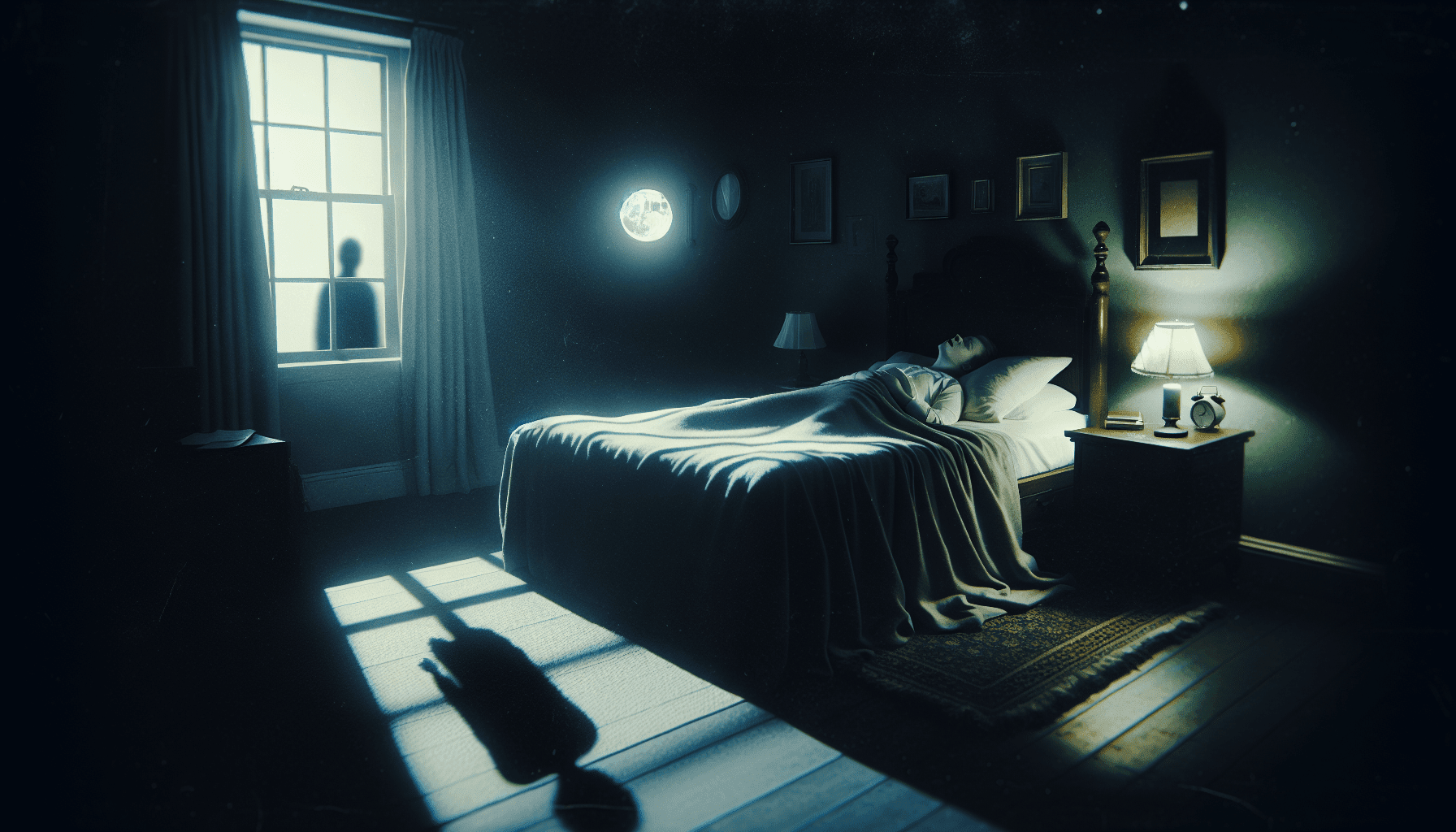
During an episode of sleep paralysis, individuals typically experience various symptoms and sensations. The most prominent symptom is a temporary inability to move or speak, even though they may be fully conscious and aware of their surroundings. Another common experience during sleep paralysis is the feeling of a presence in the room or a pressure on the chest. This sensation can be quite distressing and may contribute to a sense of fear and anxiety. Sleep paralysis can also be accompanied by hallucinations, which can manifest in different ways, such as seeing shadowy figures or hearing strange noises. Additionally, some individuals may report a feeling of being unable to breathe or having difficulty breathing during sleep paralysis episodes. This feeling can be particularly terrifying and can intensify the overall fear and anxiety experienced. Lastly, rapid eye movements, similar to those seen during REM sleep, may occur during sleep paralysis episodes.
Duration of Sleep Paralysis Episodes
Typically lasts a few seconds to a few minutes
Can feel longer to the individual experiencing it
The duration of sleep paralysis episodes can vary from person to person. On average, these episodes typically last for a few seconds to a few minutes. However, it is important to note that during an episode, the individual experiencing sleep paralysis may perceive the duration to be much longer than it actually is. This subjective experience of time distortion can further contribute to the distress and anxiety associated with sleep paralysis.
Neurological and Physiological Mechanisms
Disruption in the transition between sleep stages
Dysregulation of neurotransmitters (e.g., serotonin)
Activation of the amygdala and other brain regions associated with fear and threat perception
The underlying neurological and physiological mechanisms of sleep paralysis are still being investigated. However, several theories have been proposed. One theory suggests that sleep paralysis may occur due to a disruption in the transition between sleep stages, particularly between wakefulness and REM sleep. This disruption can result in the persistence of the muscle paralysis characteristic of REM sleep and lead to sleep paralysis. Another potential mechanism involves the dysregulation of neurotransmitters, such as serotonin, which play a crucial role in regulating sleep and wakefulness. Imbalances in these neurotransmitters may contribute to the occurrence of sleep paralysis. Additionally, there is evidence to suggest that the activation of the amygdala and other brain regions associated with fear and threat perception may play a role in the intense emotional experiences often reported during sleep paralysis.
Association with Other Sleep Disorders
Frequent comorbidity with narcolepsy
Increased risk of experiencing sleep paralysis in individuals with insomnia or sleep apnea
Sleep paralysis is often associated with other sleep disorders. One of the most common sleep disorders that co-occur with sleep paralysis is narcolepsy. Individuals with narcolepsy experience excessive daytime sleepiness, sudden sleep attacks, and often have disrupted sleep patterns, making them more prone to experiencing sleep paralysis. Additionally, insomnia, characterized by difficulties falling asleep or staying asleep, has also been found to be associated with an increased risk of sleep paralysis. Similarly, sleep apnea, a sleep disorder characterized by interrupted breathing during sleep, has been linked to a higher likelihood of experiencing sleep paralysis.
Impact on Daily Functioning and Quality of Life
Sleep disruption and fatigue
Psychological distress and anxiety
Impaired cognitive functioning
Decreased overall well-being
Sleep paralysis can have a significant impact on an individual’s daily functioning and overall quality of life. The experience of sleep paralysis can disrupt normal sleep patterns, leading to sleep deprivation and resulting fatigue. Persistent sleep disruption can also contribute to difficulties in concentration, memory, and overall cognitive functioning. The fear, distress, and anxiety associated with sleep paralysis can have negative psychological effects, impacting an individual’s mental well-being. Sleep paralysis episodes can cause individuals to feel anxious about going to sleep or fear the potential reoccurrence of these episodes, leading to an overall decreased quality of life.
Management and Treatment of Sleep Paralysis
Maintaining a regular sleep schedule
Creating a sleep-friendly environment
Stress management techniques
Treatment of underlying sleep disorders
Medications (e.g., antidepressants) in some cases
While sleep paralysis itself does not typically require specific treatment, managing and addressing the underlying causes and associated factors can help alleviate its occurrence and impact. Maintaining a regular sleep schedule by going to bed and waking up at consistent times can help regulate sleep patterns and reduce the likelihood of experiencing sleep paralysis. Creating a sleep-friendly environment, such as keeping the bedroom dark, quiet, and at a comfortable temperature, can promote better sleep quality. Stress management techniques, such as relaxation exercises or therapy, can help reduce stress and anxiety levels, which may contribute to sleep paralysis.
In cases where sleep paralysis is associated with an underlying sleep disorder, treatment of the underlying condition may be necessary. For instance, the treatment of narcolepsy may involve a combination of medications, lifestyle adjustments, and sleep hygiene practices to manage excessive sleepiness and sleep disturbances that contribute to sleep paralysis. In some instances, medications such as antidepressants may be prescribed to help regulate sleep and reduce the frequency of sleep paralysis episodes. It is important to consult with a healthcare professional to determine the appropriate management and treatment plan based on individual circumstances.
Future Research Directions
Investigating genetic factors
Exploring the role of specific neurotransmitters
Assessing the impact of different treatment approaches
Identifying risk factors for developing sleep paralysis
As our understanding of sleep paralysis grows, future research aims to explore several key areas. Investigating genetic factors that may contribute to an individual’s susceptibility to sleep paralysis can provide valuable insights into its underlying mechanisms. Understanding specific neurotransmitters involved in the regulation of sleep and wakefulness and their potential dysregulation in sleep paralysis can pave the way for targeted treatments. Furthermore, assessing the impact of different treatment approaches, such as cognitive-behavioral therapy or alternative interventions, can improve the management of sleep paralysis and associated symptoms. Lastly, identifying risk factors for developing sleep paralysis, such as specific sleep patterns or lifestyle factors, can help in prevention efforts and early intervention strategies. Continued research and advancements in the field of sleep paralysis offer hope for improved understanding, management, and support for individuals experiencing this sleep phenomenon.