
What is Sleep Paralysis?
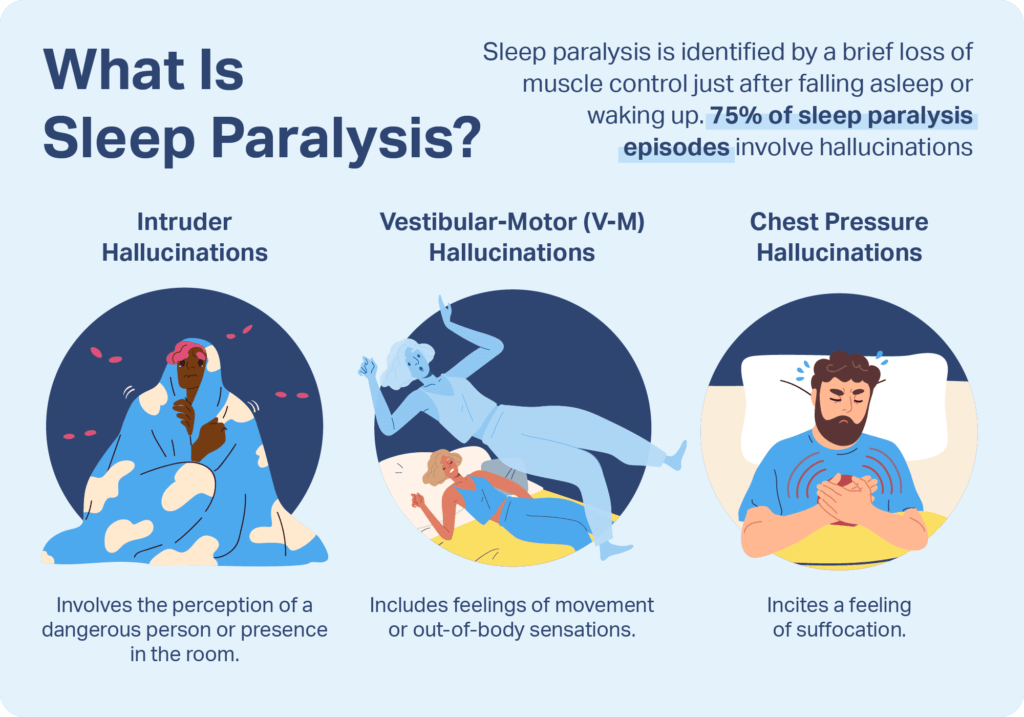
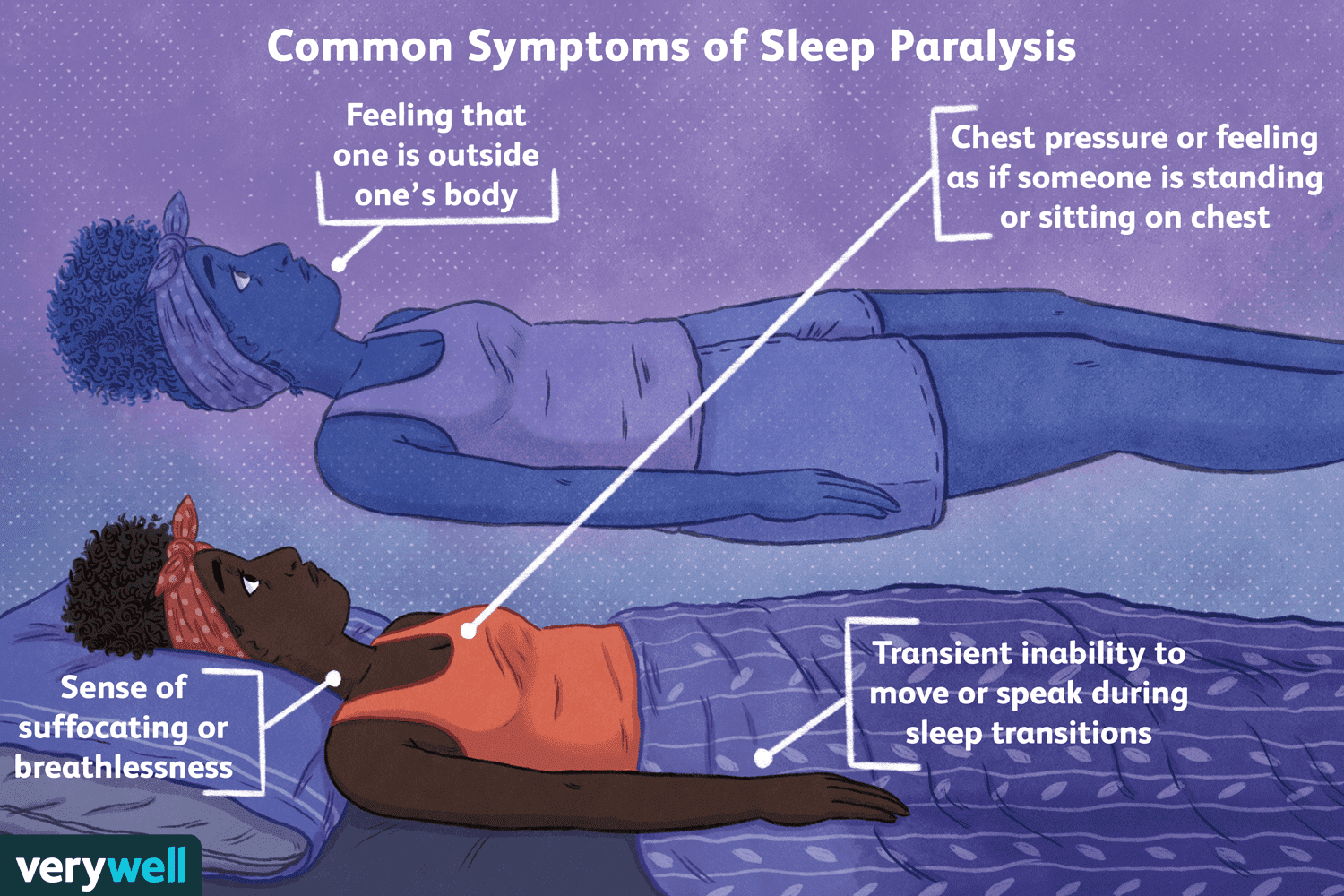
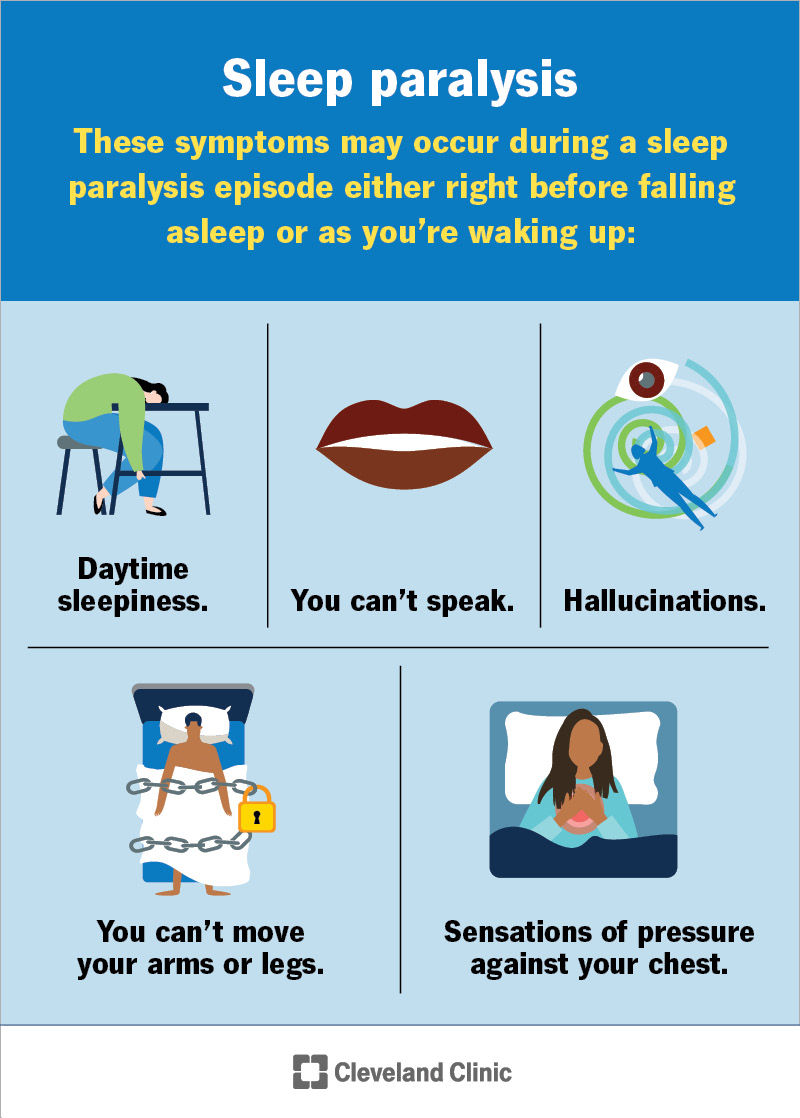
Have you ever woken up from sleep, only to find yourself unable to move or speak? This phenomenon is known as sleep paralysis. During sleep paralysis, your mind is awake, but your body is still in a state of sleep, leaving you feeling immobile and often terrified.
Sleep paralysis typically occurs when you are either falling asleep or waking up. It can last a few seconds to a few minutes, but during that time, you may experience vivid hallucinations and a sense of pressure on your chest. While sleep paralysis can be a frightening experience, it is generally not harmful and does not indicate an underlying health condition.
Understanding the Science Behind Sleep Paralysis
When it comes to understanding sleep paralysis, it is essential to delve into the science behind it. During REM (rapid eye movement) sleep, your body is typically paralyzed to prevent you from acting out your dreams. This paralysis is caused by the release of neurotransmitters that inhibit muscle movement. In the case of sleep paralysis, this paralysis can carry over into wakefulness, causing the temporary inability to move.
While the exact cause of sleep paralysis is not fully understood, several factors have been linked to its occurrence. These factors include disrupted sleep schedules, stress, sleep deprivation, and certain sleep disorders such as narcolepsy. Additionally, genetics may play a role in predisposing some individuals to experience sleep paralysis.
Types of Sleep Paralysis
Sleep paralysis can be categorized into two main types: isolated sleep paralysis and recurrent isolated sleep paralysis.
Isolated Sleep Paralysis
Isolated sleep paralysis refers to a one-time occurrence of sleep paralysis. It may happen to individuals who are sleep deprived, under stress, or experiencing disruptions in their sleep patterns. Typically, isolated sleep paralysis does not recur regularly and often resolves on its own.
Recurrent Isolated Sleep Paralysis
On the other hand, recurrent isolated sleep paralysis refers to the repeated episodes of sleep paralysis that an individual may experience over time. These episodes can be sporadic or frequent, depending on the individual. Recurrent isolated sleep paralysis is often associated with underlying sleep disorders or other medical conditions.
Coping Strategies for Sleep Paralysis
Experiencing sleep paralysis can be a frightening and disorienting experience, but there are coping strategies that you can employ to help manage and reduce the occurrence of sleep paralysis episodes.
Improve Your Sleep Hygiene
Maintaining good sleep hygiene is essential for overall sleep quality and can potentially reduce the likelihood of experiencing sleep paralysis. Establish a bedtime routine, create a comfortable sleep environment, and adhere to a consistent sleep schedule to promote healthy sleep habits.
Reduce Stress and Anxiety
Stress and anxiety have been linked to an increased risk of sleep paralysis. Practicing stress-reduction techniques such as deep breathing, meditation, or yoga can help alleviate these feelings and potentially lessen the frequency of sleep paralysis episodes.
Address Underlying Sleep Disorders
If you are experiencing frequent episodes of sleep paralysis, it may be beneficial to consult with a healthcare professional to address any underlying sleep disorders. Conditions such as narcolepsy or insomnia can contribute to the occurrence of sleep paralysis and may require specific treatment interventions.
Seek Support and Reassurance
Talking to others who have experienced sleep paralysis can provide reassurance and support. Sharing your experiences and coping mechanisms with others can help you feel less alone in dealing with this phenomenon.
Sleep Paralysis and the Relationship with Sleep Disorders
Sleep paralysis is often associated with other sleep disorders, such as narcolepsy and sleep apnea. Understanding the relationship between sleep paralysis and these sleep disorders can provide insight into how they may influence one another.
Narcolepsy
Narcolepsy is a neurological disorder characterized by excessive daytime sleepiness, sleep attacks, and cataplexy (sudden loss of muscle tone). Individuals with narcolepsy may also experience sleep paralysis, as their REM sleep patterns are disrupted. Treating narcolepsy with medications and lifestyle modifications can help manage symptoms such as sleep paralysis.
Sleep Apnea
Sleep apnea is a sleep disorder characterized by interrupted breathing during sleep, leading to fragmented and poor-quality sleep. Studies have shown a correlation between sleep apnea and sleep paralysis, as the pauses in breathing during apnea episodes can trigger instances of sleep paralysis. Treating sleep apnea with continuous positive airway pressure (CPAP) therapy can improve sleep quality and potentially reduce the occurrence of sleep paralysis.
Conclusion
In conclusion, sleep paralysis can indeed reshape your understanding of sleep by shedding light on the complex interactions between the mind and body during the sleep-wake cycle. While sleep paralysis can be a frightening experience, it is essential to remember that it is a relatively common phenomenon that does not typically pose serious health risks. By implementing coping strategies, addressing underlying sleep disorders, and seeking support, you can effectively manage and reduce the occurrence of sleep paralysis episodes, leading to a more restful and peaceful sleep experience. Remember, you are not alone in dealing with sleep paralysis, and there are resources available to help you navigate through this unique aspect of sleep.
