What is Sleep Paralysis?
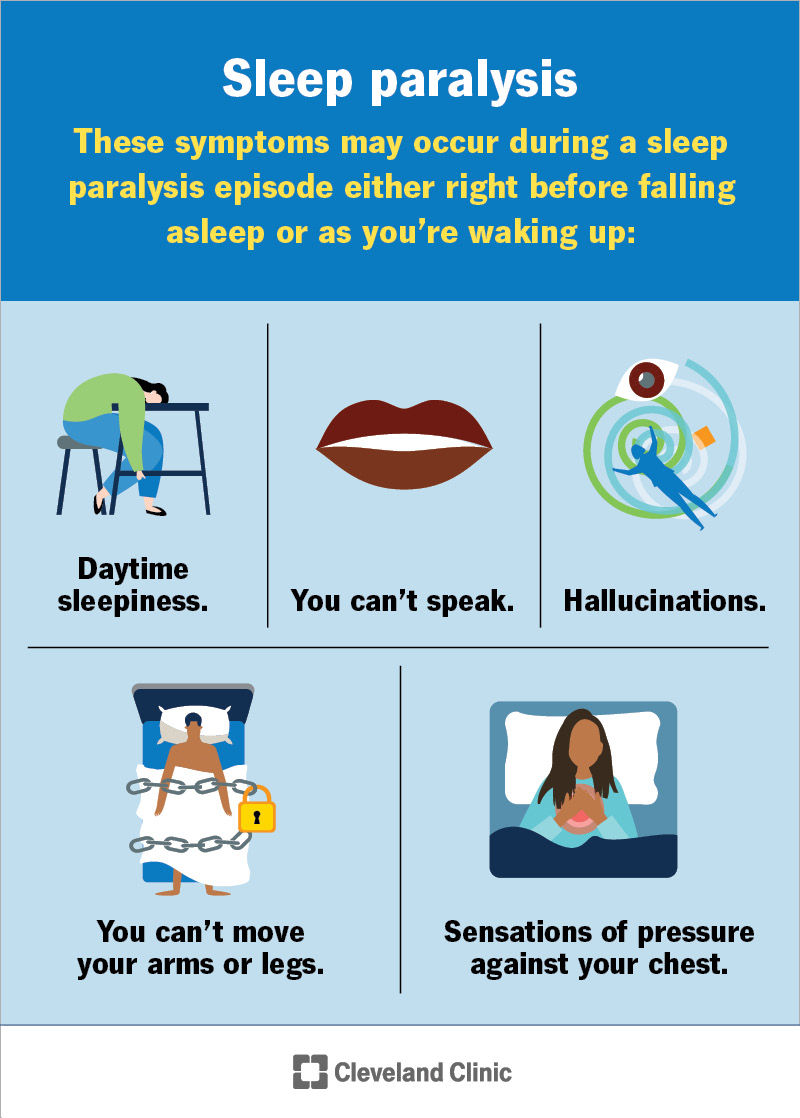
Sleep paralysis is a temporary inability to move or speak that typically occurs when you are either falling asleep or waking up. You might feel like you are awake but unable to move, making you feel frightened or anxious. During sleep paralysis, your body is essentially in a state of deep relaxation, while your mind is awake. It is a relatively common phenomenon and can happen to anyone.
Have you ever experienced sleep paralysis before?
Sleep paralysis can be a terrifying experience, especially if you are not familiar with it. It is important to know that while it can be unsettling, it is not typically harmful and usually resolves on its own. It is essential to understand the possible treatment options available if you are experiencing frequent episodes of sleep paralysis.

Causes of Sleep Paralysis
Sleep paralysis can occur for various reasons, including disrupted sleep patterns, irregular sleep schedules, stress, jet lag, narcolepsy, and other sleep disorders. In some cases, it may be linked to underlying mental health conditions such as anxiety and depression. Understanding the potential causes of sleep paralysis can help you better manage and possibly prevent future episodes.
What factors in your life could be contributing to your sleep paralysis episodes?
Identifying the triggers or contributors to your sleep paralysis episodes can help you take necessary steps to reduce their occurrence. Factors such as poor sleep hygiene, high stress levels, and underlying health conditions can play a role in the frequency and intensity of sleep paralysis episodes.
Treatment Options for Sleep Paralysis
While sleep paralysis itself does not require medical treatment, addressing underlying sleep disorders, stress, and other contributing factors can help reduce the frequency and intensity of episodes. There are various treatment options available that can help manage and alleviate sleep paralysis symptoms. It is crucial to consult with a healthcare professional to determine the most appropriate treatment plan for your specific situation.
How can you effectively manage and reduce your sleep paralysis episodes?
Taking proactive steps to address potential triggers for sleep paralysis can significantly impact the frequency and severity of episodes. By exploring different treatment options and finding the right approach for your individual needs, you can improve your sleep quality and overall well-being.
Lifestyle Changes
Making lifestyle changes can have a significant impact on your sleep quality and overall health, reducing the likelihood of experiencing sleep paralysis. Simple adjustments to your daily routine and habits can make a difference in managing sleep disorders and improving your overall well-being.
Are there changes you can make in your daily routine to improve your sleep quality?
Establishing a regular sleep schedule, practicing relaxation techniques, maintaining a comfortable sleep environment, and avoiding stimulants before bedtime are essential steps to improve your sleep quality. Small changes in your lifestyle can lead to significant improvements in your overall sleep patterns and help reduce the occurrence of sleep paralysis.
Stress Management
Stress and anxiety are common triggers for sleep paralysis episodes. Learning effective stress management techniques can help you reduce anxiety levels, improve sleep quality, and minimize the likelihood of experiencing sleep paralysis. Finding healthy coping mechanisms for stress can positively impact your mental and physical well-being.
Have you tried stress management techniques to alleviate your sleep paralysis symptoms?
Exploring stress-reducing activities such as mindfulness meditation, deep breathing exercises, yoga, and journaling can help you manage stress levels and improve your overall sleep quality. Developing a personalized stress management plan tailored to your needs can be beneficial in reducing the frequency of sleep paralysis episodes.
Cognitive Behavioral Therapy (CBT)
Cognitive Behavioral Therapy (CBT) is a structured therapy approach that focuses on changing negative thought patterns and behaviors to improve mental health and well-being. CBT can be an effective treatment option for addressing underlying anxiety, depression, and other mental health conditions that may contribute to sleep paralysis.
How can CBT help in managing sleep paralysis symptoms?
CBT techniques can help you identify and challenge negative thought patterns that may be contributing to stress and anxiety, ultimately improving your overall sleep quality. By working with a trained therapist, you can develop coping strategies and tools to manage your emotions and responses to stressful situations, reducing the likelihood of sleep paralysis episodes.
Medications
In some cases, healthcare professionals may prescribe medications to help manage underlying sleep disorders, anxiety, or other conditions that contribute to sleep paralysis. It is essential to consult with a healthcare provider before starting any medication regimen to ensure its safety and effectiveness for your specific situation.
Are there medications that can help alleviate your sleep paralysis symptoms?
Medications such as antidepressants, anti-anxiety drugs, and sleep aids may be prescribed to address underlying conditions that contribute to sleep paralysis. These medications should be used under the guidance of a healthcare provider and monitored for any potential side effects or interactions with other medications.
Improving Sleep Hygiene
Maintaining good sleep hygiene practices is essential for improving your overall sleep quality and reducing the occurrence of sleep paralysis. Simple adjustments to your sleep environment, bedtime routine, and daily habits can make a significant difference in the quality of your sleep.
How can you enhance your sleep hygiene to prevent sleep paralysis episodes?
Creating a comfortable sleep environment, establishing a consistent bedtime routine, avoiding caffeine and electronics before bed, and practicing relaxation techniques can help improve your sleep hygiene. By prioritizing good sleep habits and creating a restful sleep environment, you can enhance your overall sleep quality and potentially reduce the frequency of sleep paralysis episodes.
Conclusion
Sleep paralysis can be a distressing experience, but there are various treatment options available to help manage and alleviate its symptoms. By making lifestyle changes, practicing stress management techniques, exploring therapy options, and improving your sleep hygiene, you can reduce the frequency and severity of sleep paralysis episodes. Consult with a healthcare professional to determine the most appropriate treatment plan for your individual needs and take proactive steps to improve your overall sleep quality and well-being. Remember that you are not alone in dealing with sleep paralysis, and there are resources and support available to help you effectively manage this phenomenon.