
Understanding Sleep Paralysis
Have you ever experienced the terrifying feeling of being awake but unable to move your body? This phenomenon is called sleep paralysis, and it can be a frightening and unsettling experience. In this article, we will explore the role of acupuncture and acupressure in managing sleep paralysis to help you find relief and improve your sleep quality.
What is Sleep Paralysis?
Sleep paralysis occurs when you wake up from sleep but are unable to move your body or speak. It typically happens during the transition between wakefulness and sleep, or vice versa. This phenomenon can be accompanied by hallucinations and a sense of pressure on your chest, making it a truly frightening experience for those who go through it.
Traditional Chinese Medicine and Sleep Paralysis
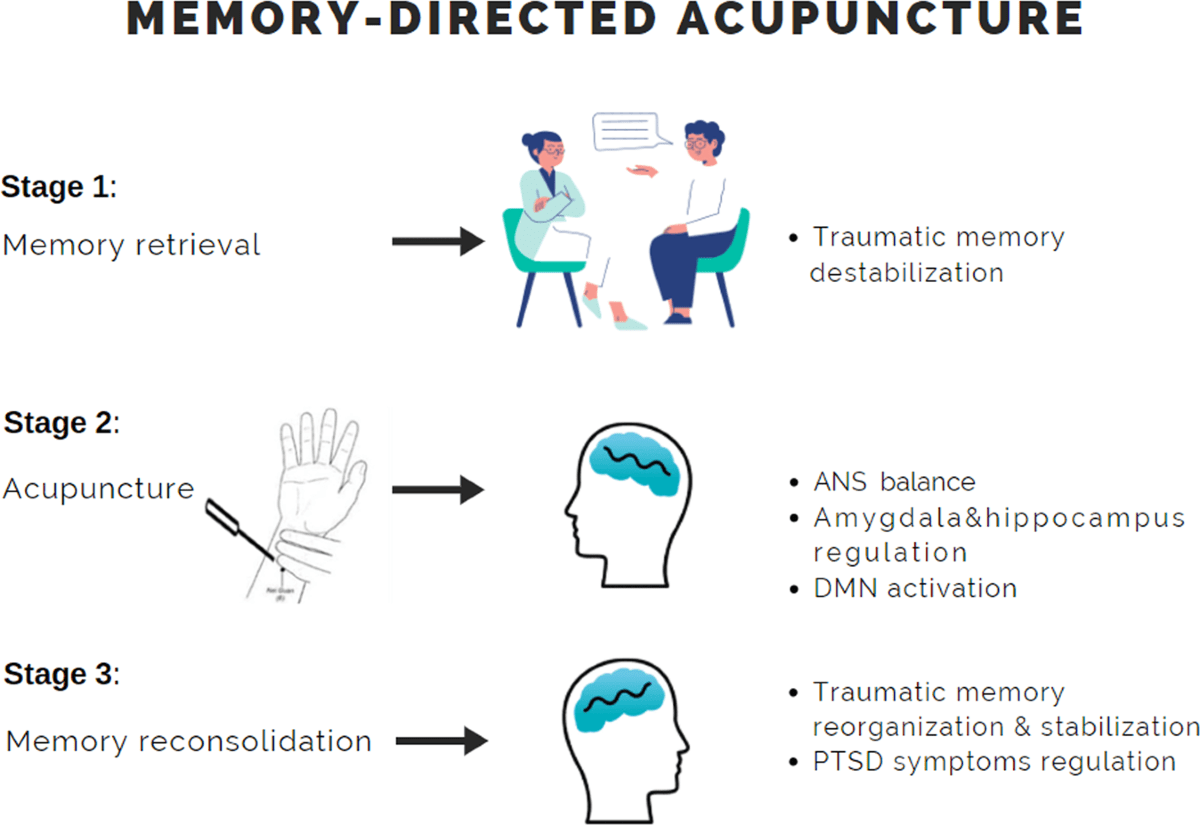
In Traditional Chinese Medicine (TCM), sleep paralysis is often seen as a disruption in the flow of Qi, the vital energy that circulates throughout the body. Acupuncture and acupressure are two TCM modalities that can help rebalance the flow of Qi and alleviate the symptoms of sleep paralysis.
Acupuncture for Sleep Paralysis
Acupuncture involves the insertion of thin needles into specific points on the body to stimulate and rebalance energy flow. When it comes to sleep paralysis, acupuncture can target specific meridian points related to the spleen, liver, and kidney to promote relaxation and improve sleep quality. By addressing the underlying imbalances in the body, acupuncture can help reduce the frequency and intensity of sleep paralysis episodes.
Acupressure for Sleep Paralysis
Acupressure, on the other hand, involves applying pressure to specific points on the body using fingers, hands, or special devices. This technique can be used as a self-care method to manage symptoms of sleep paralysis at home. By stimulating key acupressure points related to relaxation and stress relief, you can help reduce anxiety and improve your overall sleep hygiene.
Scientific Studies on Acupuncture and Acupressure for Sleep Paralysis
While the effectiveness of acupuncture and acupressure for managing sleep paralysis is still being researched, there have been several studies that point to promising results. In a pilot study published in the Journal of Alternative and Complementary Medicine, acupuncture was found to be effective in reducing sleep paralysis episodes and improving sleep quality in participants.
Acupuncture and the Central Nervous System
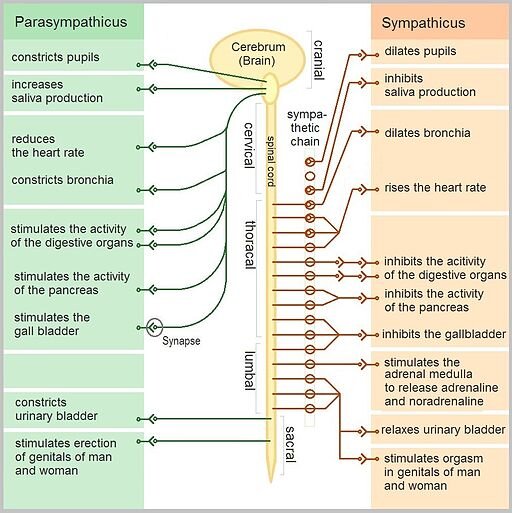
Acupuncture has been shown to have a regulatory effect on the central nervous system, which plays a key role in sleep-wake cycles and overall sleep quality. By regulating neurotransmitters and hormones involved in sleep regulation, acupuncture can help improve sleep patterns and reduce the likelihood of experiencing sleep paralysis.
Acupressure and Stress Reduction
Acupressure has been found to be an effective tool for reducing stress and promoting relaxation. By targeting specific acupressure points related to stress relief, you can help calm your mind and body, making it easier to fall asleep and stay asleep throughout the night. This can be particularly beneficial for individuals who experience sleep paralysis due to high levels of stress and anxiety.
Incorporating Acupuncture and Acupressure into Your Sleep Routine
If you are considering using acupuncture and acupressure to manage sleep paralysis, it is important to work with a qualified practitioner who has experience in treating sleep disorders. They can help create a personalized treatment plan tailored to your specific needs and concerns.
Finding a Qualified Practitioner
When looking for an acupuncturist or acupressure practitioner, it is important to do your research and find someone who is licensed and experienced in treating sleep disorders. You can ask for recommendations from your healthcare provider or seek out referrals from friends and family who have had positive experiences with acupuncture or acupressure.
Creating a Treatment Plan
Your practitioner will work with you to create a treatment plan that may involve regular acupuncture sessions, acupressure techniques to practice at home, dietary recommendations, and lifestyle changes to support your overall health and well-being. It is important to follow their recommendations closely and communicate any changes or improvements in your symptoms throughout the treatment process.
Monitoring Your Progress
As you begin acupuncture and acupressure treatments, it is important to keep track of your progress and how your symptoms are changing over time. You may want to keep a sleep diary to record the frequency and intensity of your sleep paralysis episodes, as well as any changes in your sleep patterns or overall well-being. This can help you and your practitioner adjust your treatment plan as needed to achieve the best results.

Conclusion
Sleep paralysis can be a frightening and distressing experience, but with the help of acupuncture and acupressure, you may be able to find relief and improve your sleep quality. These ancient healing modalities can help rebalance the flow of energy in your body, promote relaxation, and reduce stress and anxiety, all of which can contribute to better sleep hygiene and overall well-being. By working with a qualified practitioner and following a personalized treatment plan, you can take steps towards managing sleep paralysis and achieving restful, rejuvenating sleep.
