
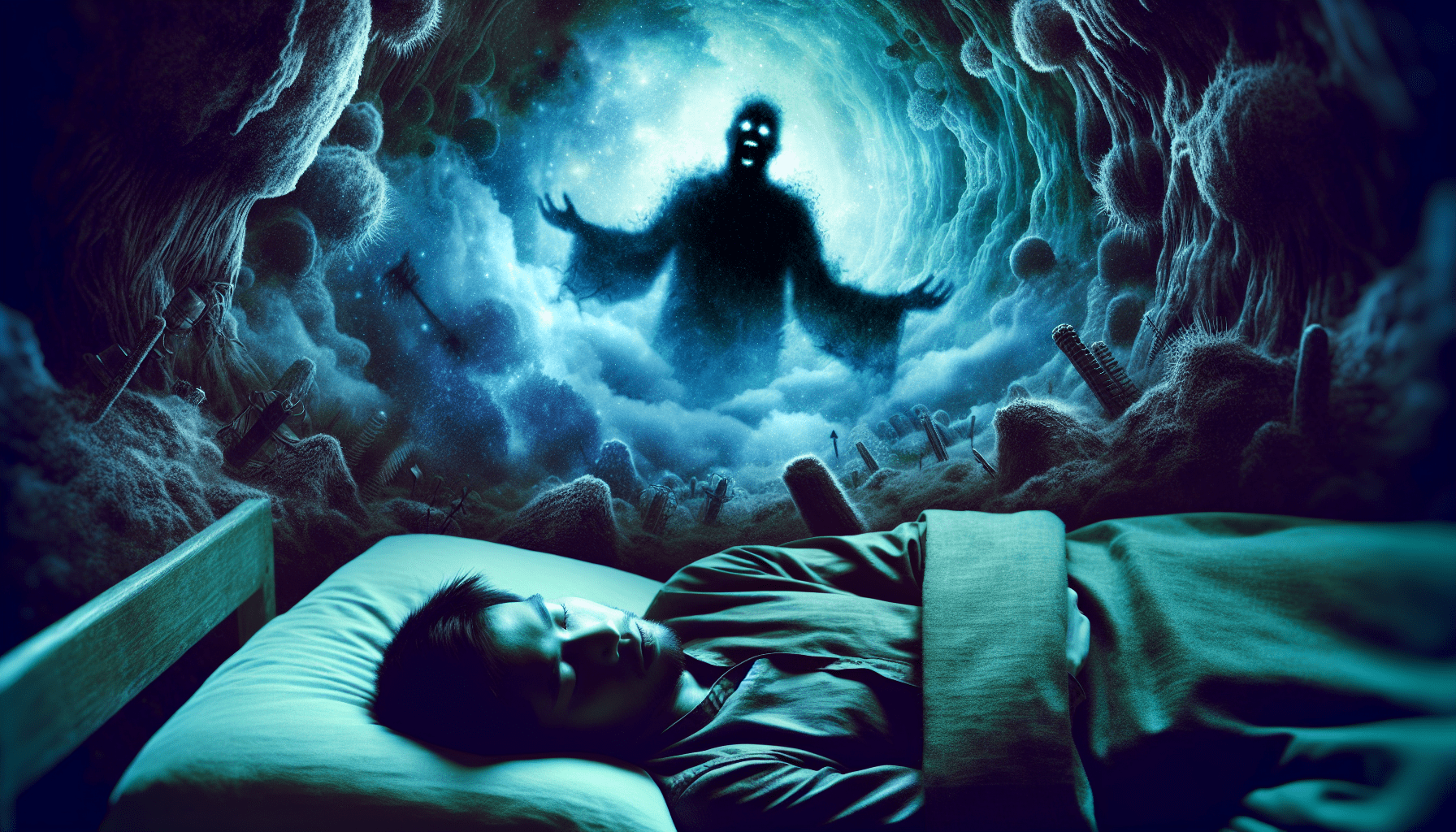
In various literary works and media productions, sleep paralysis is often depicted as a terrifying experience where individuals are unable to move while being overwhelmed by nightmarish hallucinations. From classic novels to modern movies, the phenomenon of sleep paralysis is often sensationalized for its ability to evoke fear and suspense. Through vivid descriptions and eerie visuals, these portrayals capture the haunting nature of sleep paralysis and contribute to its mystique in popular culture. As you delve into the world of literature and media, you may find yourself captivated by the imaginative interpretations of this mysterious and unsettling phenomenon. How is sleep paralysis portrayed in literature and media?
Exploring the representation of sleep paralysis in literature
Have you ever wondered how sleep paralysis is depicted in literature? Let’s delve into some notable works and see how this phenomenon is portrayed.
Edgar Allan Poe’s “The Pit and the Pendulum”
In Edgar Allan Poe’s classic tale, “The Pit and the Pendulum,” the protagonist experiences a terrifying episode of sleep paralysis. As he lies immobile on his back, he becomes acutely aware of his surroundings, including the ominous pendulum swinging above him. This story captures the intense fear and helplessness often associated with sleep paralysis.
Henry Fuseli’s painting “The Nightmare”
Henry Fuseli’s famous painting “The Nightmare” is another example of how sleep paralysis has been depicted in art and literature. The painting features a woman lying on her bed, seemingly in a state of paralysis, while a demonic creature sits on her chest. This image perfectly captures the sense of suffocation and terror that often accompanies sleep paralysis.
Haruki Murakami’s “Sleep”
In Haruki Murakami’s short story “Sleep,” the protagonist experiences recurring episodes of sleep paralysis. As he grapples with these unsettling experiences, he begins to question the nature of reality and the boundaries between wakefulness and sleep. Murakami’s surreal and thought-provoking narrative sheds light on the psychological impact of sleep paralysis.
How does media portray sleep paralysis?
Media, including movies and TV shows, often depict sleep paralysis in a sensationalized manner. Let’s take a closer look at how this phenomenon is portrayed in popular culture.
Horror movies and sleep paralysis
Horror movies have long exploited the fear and mystery surrounding sleep paralysis. Films like “The Nightmare,” “Dead Awake,” and “Shadow People” have used this phenomenon as a plot device to create suspense and horror. These movies often exaggerate the hallucinatory aspects of sleep paralysis, portraying terrifying entities that haunt and torment the protagonists.
Documentaries on sleep paralysis
In recent years, documentaries like “The Nightmare” have explored the real-life experiences of individuals who have suffered from sleep paralysis. These films offer a more nuanced and insightful portrayal of the phenomenon, delving into the psychological and cultural factors that contribute to sleep paralysis. By shedding light on the science behind sleep paralysis, these documentaries aim to demystify the condition and raise awareness about its prevalence.
Sleep paralysis in TV shows
Television shows like “The Haunting of Hill House” and “American Horror Story” have also featured episodes that center around sleep paralysis. These portrayals often blend supernatural elements with psychological horror, creating a chilling and suspenseful atmosphere. While these fictionalized depictions may stray from the realities of sleep paralysis, they contribute to the popular culture’s fascination with this enigmatic phenomenon.
Coping with sleep paralysis
If you have experienced sleep paralysis, you may be seeking ways to cope with this unsettling condition. Here are some strategies that may help you navigate through these episodes.
Maintain a consistent sleep schedule
One of the most effective ways to reduce the frequency of sleep paralysis episodes is to maintain a consistent sleep schedule. By going to bed and waking up at the same time every day, you can regulate your sleep patterns and minimize disruptions that may trigger sleep paralysis.
Create a calming bedtime routine
Establishing a calming bedtime routine can help you relax and prepare your mind and body for sleep. Consider incorporating activities like reading, meditating, or taking a warm bath before bedtime to promote relaxation and reduce stress. Avoiding stimulating activities like watching TV or using electronic devices close to bedtime can also improve your sleep quality.
Improve your sleep environment
Creating a comfortable and conducive sleep environment is essential for preventing sleep paralysis. Make sure your bedroom is dark, quiet, and at a comfortable temperature to promote restful sleep. Investing in a supportive mattress and pillows can also improve your sleep quality and reduce the likelihood of experiencing sleep paralysis.
Seek professional help
If you continue to experience frequent episodes of sleep paralysis despite trying these coping strategies, it may be beneficial to seek help from a healthcare professional. A doctor or sleep specialist can conduct a thorough evaluation of your sleep patterns and recommend appropriate treatments, such as cognitive-behavioral therapy or medication, to address your condition.
Conclusion
In conclusion, sleep paralysis has been depicted in literature and media in a variety of ways, from terrifying horror stories to thought-provoking narratives. While these portrayals may sensationalize the phenomenon, they also shed light on the psychological and cultural aspects of sleep paralysis. By understanding how sleep paralysis is represented in popular culture, we can gain a deeper insight into this enigmatic condition and explore strategies for coping with its effects.
Next time you encounter a portrayal of sleep paralysis in a book or movie, remember that these depictions, while sensationalized, can offer valuable insights into the complexities of the human mind and the mysteries of sleep. By approaching these representations with curiosity and an open mind, you may gain a new perspective on the phenomenon of sleep paralysis and its impact on individuals’ lives.