

Have you ever found yourself in a state between sleep and wakefulness, unable to move or speak? If so, you may have experienced sleep paralysis, a fascinating and often unsettling phenomenon that has captured the attention of artists and writers throughout history. In this article, we will explore the portrayal of sleep paralysis in art and literature, delving into its cultural significance and uncovering the many ways it has been interpreted and expressed. So, settle in and prepare to be captivated by the intersection of sleep, paralysis, and creativity!

Visual Representations
Historical Depictions
Throughout history, artists have captured the haunting experience of sleep paralysis in their works. From Renaissance painters to abstract modern artists, sleep paralysis has been depicted in various ways. In the famous painting “The Nightmare” by Henry Fuseli, the viewer is confronted with a scene of a woman lying on a bed while a demon stands on her chest. This powerful image perfectly encapsulates the feelings of fear and vulnerability that accompany sleep paralysis. Other historical depictions often involve figures with distorted features or surreal landscapes, emphasizing the unsettling nature of the experience.
Contemporary Art
In contemporary art, sleep paralysis continues to be a powerful source of inspiration. Artists often use various mediums, such as paintings, sculptures, and installations, to recreate the intense emotions associated with this phenomenon. One such artist is Susan Benson, whose series of mixed-media installations, titled “Limbo,” depicts distorted figures trapped in nightmarish dreamscapes. These visual representations not only serve as a means of personal expression but also seek to raise awareness about the psychological and physiological aspects of sleep paralysis.
Symbolism and Imagery
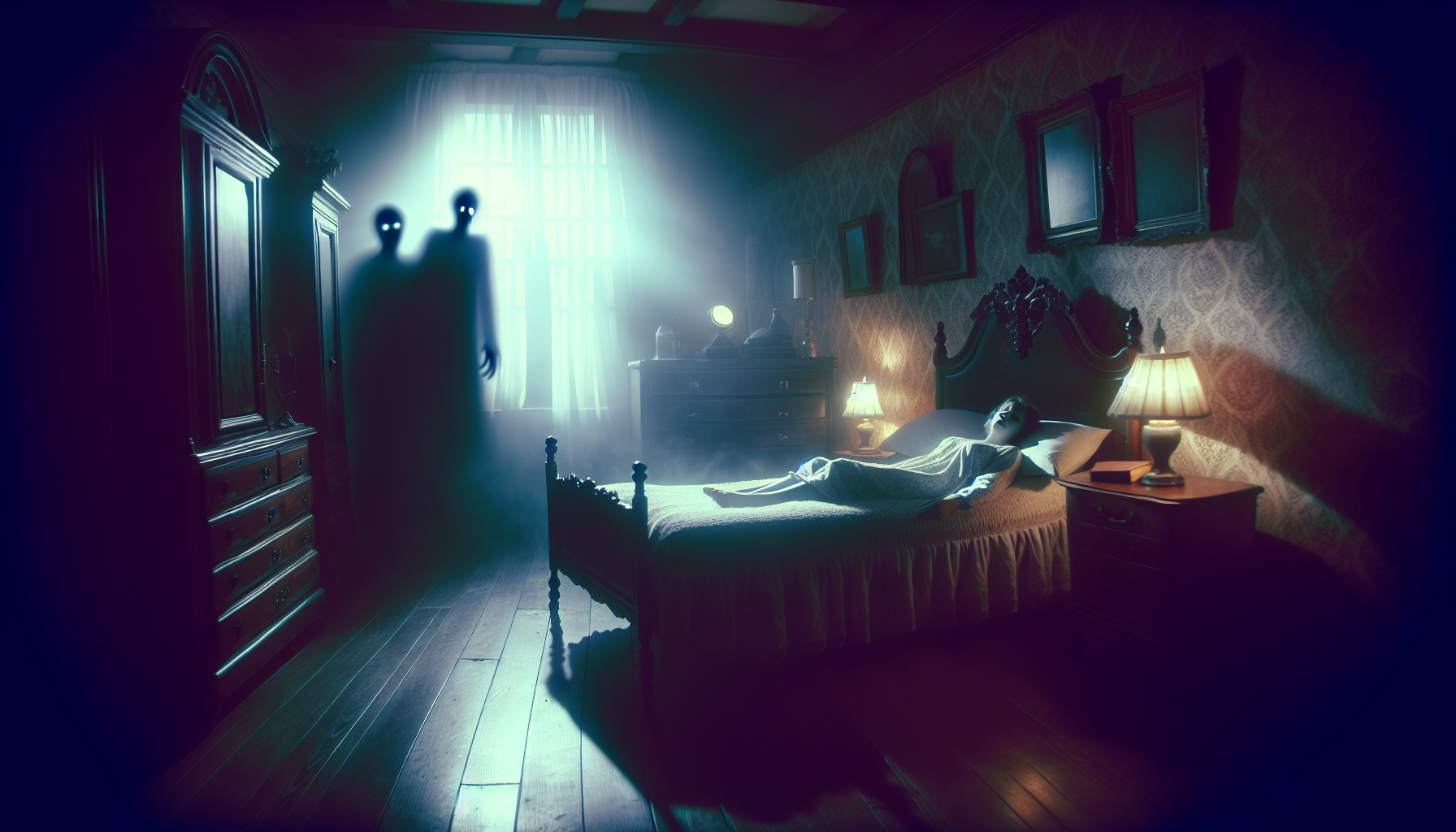
In both historical and contemporary visual representations, symbolism and imagery play a significant role in conveying the experience of sleep paralysis. Common symbols include shadowy figures, menacing monsters, and oppressive atmospheres. These elements are used to represent the fear, powerlessness, and distorted perceptions that are felt during sleep paralysis episodes. The use of dark and muted colors further adds to the sense of unease, capturing the tensions between reality and dreams that define this phenomenon.
Literary Works
Novels
Sleep paralysis has long been a source of inspiration for authors, with numerous novels exploring its psychological and supernatural aspects. In Edgar Allan Poe’s short story “The Fall of the House of Usher,” the protagonist experiences vivid hallucinations and a state of paralysis, blurring the lines between reality and the imaginary. Similarly, in Ryu Murakami’s novel “Piercing,” the protagonist is tormented by the feeling of being trapped and unable to escape, reflecting the claustrophobic nature of sleep paralysis.
Short Stories
Short stories have also delved into the world of sleep paralysis, often using it as a central plot element. In Karen Russell’s “Sleep Donation,” the protagonist is haunted by recurring sleep paralysis episodes, leading to a gripping exploration of identity and their connection to the world of dreams. The short story “The Night Marchers” by Courtney Love concerns a character who encounters malevolent spirits while experiencing sleep paralysis, blurring the boundaries between folklore and psychological horror.
Poetry
Poetry serves as a medium for capturing the ethereal nature of sleep paralysis, allowing for introspective exploration and vivid imagery. In “Sleep Paralysis” by Kim Addonizio, the poet beautifully describes the feeling of being trapped in an immobile state, highlighting the longing for release and the desperation to awaken. Others, such as William Wordsworth in “A Night-Piece” and Sylvia Plath in “The Moon and the Yew Tree,” use sleep paralysis as a metaphor to convey deeper emotions of melancholy, introspection, and existential dread.
Psychological Interpretations
Sigmund Freud’s Influence
Sigmund Freud, the renowned psychoanalyst, has greatly influenced the interpretation of sleep paralysis through his theories on the unconscious mind and dream analysis. Freud believed that sleep paralysis was a result of repressed desires and fears surfacing during sleep. He viewed sleep paralysis as a manifestation of the individual’s inner conflicts and unresolved issues that temporarily paralyze the mind and body.
Carl Jung’s Archetypes
Carl Jung, another influential figure in psychology, looked at sleep paralysis from the perspective of archetypes and the collective unconscious. He believed that sleep paralysis experiences could be linked to the archetypal symbolism found in myths and folklore. Jung saw sleep paralysis as a moment of confrontation with the shadow-self, representing suppressed aspects of the individual’s psyche that emerge during sleep.
Dream Analysis
Both Freud and Jung emphasized the importance of dream analysis in understanding sleep paralysis. Dreams during sleep paralysis often contain vivid and bizarre imagery, which can reflect hidden fears, anxieties, and unresolved conflicts. Analyzing these dreams can provide valuable insights into the individual’s subconscious and help them gain a deeper understanding of the underlying psychological factors contributing to their sleep paralysis experiences.
Cultural and Historical Significance
Ancient Mythology and Folklore
The concept of sleep paralysis is not exclusive to modern times but has deep roots in ancient mythology and folklore. In various cultures, sleep paralysis has been associated with supernatural beings or demons, often believed to be responsible for the immobilizing state experienced during sleep. Examples include the “night hag” in European folklore, the “kanashibari” in Japanese folklore, and the “Mara” in Norse mythology. These cultural beliefs reflect the universal nature of sleep paralysis experiences across different societies throughout history.
Religious Interpretations
Sleep paralysis has also been linked to religious interpretations. In some religious traditions, the state of sleep paralysis is considered a spiritual experience, such as the “sakina” in Islamic beliefs, where it is seen as a moment of divine presence or intervention. Similarly, in certain African and Afro-Caribbean religions, sleep paralysis is attributed to spiritual forces, such as ancestral spirits or malevolent entities.
Societal Beliefs and Superstitions
Societal beliefs and superstitions surrounding sleep paralysis vary across cultures. In some communities, sleep paralysis is believed to be a curse or a punishment for transgressions. In others, it is seen as a sign of spiritual sensitivity or psychic abilities. These varying interpretations highlight the influence of cultural and societal factors on understanding and explaining sleep paralysis phenomena.
Nightmares and Sleep Disorders
Relationship between Sleep Paralysis and Nightmares
Sleep paralysis is often associated with intense nightmares, as both phenomena occur during the REM (rapid eye movement) phase of sleep. Nightmares experienced during sleep paralysis episodes can be particularly vivid and terrifying, leading to increased fear and distress. The inability to move or awaken from these nightmares intensifies the overall experience, with individuals feeling trapped and helpless.
Exploring Other Sleep Disorders
While sleep paralysis is a distinct phenomenon, it is often accompanied by other sleep disorders. Conditions such as narcolepsy, insomnia, and sleep apnea have been found to co-occur with sleep paralysis. Understanding the relationship between sleep paralysis and these disorders is crucial in developing effective treatment strategies and improving overall sleep quality.
Scientific Research and Studies
Scientific research has shed light on the physiological and neurological aspects of sleep paralysis. Studies using brain imaging techniques have shown that during sleep paralysis, there is an alteration in the brain’s activity, particularly in the regions associated with motor control and perception. Additionally, research has explored the potential role of genetics, stress, and sleep deprivation in triggering sleep paralysis episodes. These studies contribute to a deeper understanding of the underlying mechanisms and potential treatment options for sleep paralysis.
Film and Television
Horror Genre
Sleep paralysis plays a prominent role in the horror genre, with films like “The Nightmare” and “Mara” specifically focusing on this phenomenon. These movies vividly depict the terrifying experiences of individuals trapped in sleep paralysis, often blurring the boundaries between reality and the surreal. By tapping into the fears and anxieties associated with sleep paralysis, these films elicit a strong emotional response from the audience, giving them a glimpse into the unsettling world of sleep paralysis.
Documentaries
Documentaries have also explored sleep paralysis, providing a platform for personal stories, scientific explanations, and artistic interpretations of this phenomenon. Films like “The Devil in the Room” and “The Nightmare” offer a mix of personal testimonials, expert interviews, and visual reconstructions to shed light on the experiences of individuals who suffer from sleep paralysis. These documentaries help raise awareness about sleep paralysis and its impact on individuals’ lives.
Exploring Sleep Paralysis as a Plot Device
In addition to horror movies and documentaries, sleep paralysis has been incorporated as a plot device in various films and television shows across genres. From psychological thrillers to supernatural dramas, sleep paralysis adds an element of intrigue and intensity to the narrative. Its inclusion often allows for exploration of psychological themes and the blurring of reality and dreams, captivating audiences and highlighting the cultural fascination with this phenomenon.
Historical Accounts and Personal Experiences
Autobiographical Works
Many individuals have shared their personal experiences with sleep paralysis through autobiographical works. These firsthand accounts provide intimate insights into the physical, emotional, and psychological impact of sleep paralysis. Writers like Devon J. Hargeaves, in his memoir “Held Down,” and David J. Hufford, in his book “The Terror That Comes in the Night,” offer readers a glimpse into the personal struggles and triumphs associated with sleep paralysis.
Testimonials and Interviews
In addition to autobiographical works, testimonials and interviews with sleep paralysis sufferers have contributed to the understanding and awareness of this phenomenon. Online communities and support groups provide platforms for individuals to share their experiences and connect with others who have had similar encounters. These personal narratives help validate the experiences of those affected by sleep paralysis and foster a sense of community among individuals facing this unique challenge.
Sleep Paralysis in Different Cultures
Cross-Cultural Perspectives
Sleep paralysis experiences are not limited to any specific culture or region but are found across different societies worldwide. However, cultural interpretations and beliefs surrounding sleep paralysis can vary significantly. Cross-cultural perspectives provide a valuable lens through which to explore the diverse understandings and explanations of sleep paralysis. By comparing and contrasting these perspectives, a more comprehensive understanding of this phenomenon can be achieved.
Indigenous Beliefs
Indigenous cultures often incorporate sleep paralysis into their folklore and spiritual beliefs. In some Native American tribes, sleep paralysis is seen as an encounter with the spirit world or a visitation from ancestors. Indigenous beliefs emphasize a close connection between dreams, spirituality, and the physical world, offering unique insights into the cultural significance of sleep paralysis.
Global Variations in Interpretation
Interpretations of sleep paralysis differ across the globe, reflecting cultural, social, and historical contexts. For example, in Thai culture, sleep paralysis is often attributed to a ghostly figure known as the “phi am” or “pee am.” In contrast, in Nigerian culture, sleep paralysis is associated with witchcraft or supernatural entities. These variations highlight the rich diversity of cultural beliefs surrounding sleep paralysis and the importance of considering cross-cultural perspectives in its analysis.
Symbolism and Metaphor
Fear and Vulnerability
Sleep paralysis is often linked to feelings of fear and vulnerability, which are common themes in artistic and literary representations. Symbolically, sleep paralysis can be seen as a metaphor for the existential anxieties and insecurities that haunt individuals in their waking lives. It elicits a sense of helplessness, highlighting the human experience of confronting one’s deepest fears, both imagined and real.
Loss of Control
The loss of control experienced during sleep paralysis is a fundamental aspect of this phenomenon. Symbolically, sleep paralysis represents the struggle between the conscious and unconscious mind, where the individual is unable to exert control over their thoughts, emotions, or physical movements. This loss of control serves as a metaphor for the challenges individuals face in their daily lives when confronted with uncertainty, instability, and unexpected obstacles.
Exploring the Border between Reality and Dreams
Sleep paralysis blurs the boundaries between the conscious and subconscious mind, reality and dreams. It exists in the liminal space where individuals are trapped between wakefulness and sleep, unable to fully distinguish between the two states. Symbolically, sleep paralysis represents the fragile and fluid nature of our perception of reality, challenging our fundamental understanding of what is real and what is imagined.
Contemporary Understanding and Awareness
Advancements in Sleep Science
Advancements in sleep science have allowed for a deeper understanding of sleep paralysis. Through the use of sleep monitoring devices, neuroimaging techniques, and physiological measures, researchers have been able to investigate the underlying mechanisms and explore potential treatments. These advancements not only contribute to the scientific knowledge of sleep paralysis but also provide hope for individuals seeking relief from this often distressing experience.
Recognition by Medical and Psychological Communities
Sleep paralysis is increasingly recognized and acknowledged by medical and psychological professionals. It is no longer dismissed as mere superstition or hallucination but is understood as a genuine sleep disorder. The recognition and validation of sleep paralysis experiences by healthcare providers are crucial in providing appropriate support, education, and treatment options for individuals affected by this phenomenon.
Artistic Contributions to Public Knowledge
Artistic representations of sleep paralysis have played a significant role in increasing public awareness and understanding. Through visual art, literature, and films, artists have been able to shed light on the complexities of sleep paralysis, bridging the gap between scientific research and public perception. Artistic contributions not only serve as a means of personal expression but also spark conversations and encourage empathy, leading to a more informed and empathetic society.
In conclusion, sleep paralysis has captured the imagination of artists, writers, scientists, and cultures throughout history. It serves as a lens through which we can explore the complexities of the human mind, the boundaries of perception, and the profound influence of culture and society on our understanding of the world. Through visual representations, literary works, psychological interpretations, and cultural significance, sleep paralysis continues to be a subject of fascination and exploration, offering a glimpse into the mysterious realms of the human psyche. As we continue to uncover the scientific, psychological, and cultural aspects of sleep paralysis, we gain a greater appreciation for the complexities of the human experience and the power of art and literature to convey its deepest truths.