
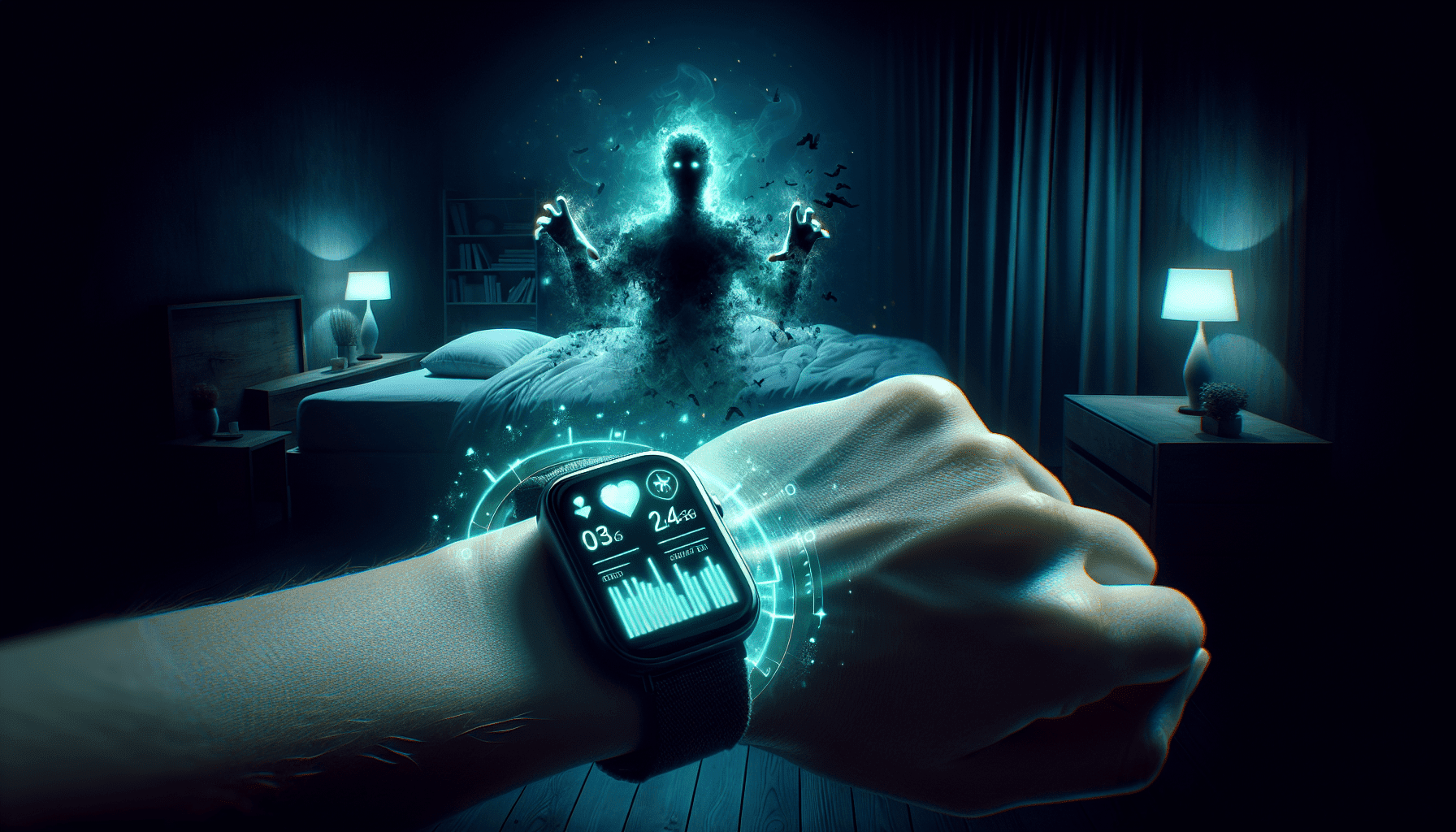
Sleep paralysis is a truly intriguing phenomenon that has baffled scientists and researchers for years. Imagine being awake but completely unable to move, as if someone or something is holding you down. It’s a terrifying experience that has often been associated with supernatural encounters. However, with advancements in technology, it is now possible to track and study sleep paralysis episodes in a whole new way. By harnessing the power of technology, researchers are uncovering the secrets behind this mysterious condition, offering hope for those who suffer from recurrent episodes.
Introduction
Sleep paralysis is a phenomenon that affects many people around the world. It is a state where an individual is temporarily unable to move or speak while falling asleep or waking up. This condition can be accompanied by hallucinations and a sense of intense fear. Understanding and tracking sleep paralysis episodes can be important for individuals who experience them, as it can help them better manage their sleep and seek appropriate treatment if needed.
Definition of sleep paralysis
Sleep paralysis is a temporary inability to move or speak that occurs during the transition between sleep and wakefulness. It can last from a few seconds to a few minutes, and during this time, individuals may experience a sense of pressure on their chest, difficulty breathing, or hallucinations. Sleep paralysis typically happens when a person is waking up or falling asleep and can be a result of disrupted sleep patterns or sleep disorders.
Importance of tracking sleep paralysis episodes
Tracking sleep paralysis episodes can provide individuals with valuable insights into their sleep patterns and the triggers that may be contributing to these episodes. It can help identify any underlying sleep disorders or conditions that may need medical attention. By monitoring and understanding the frequency and duration of sleep paralysis episodes, individuals can take appropriate steps to improve their sleep quality and overall well-being.
Current Methods of Tracking
There are several methods currently available for tracking sleep paralysis episodes. These methods vary in their level of accuracy and convenience. Some of the common methods include self-reporting, sleep journals, and sleep labs with polysomnography.
Self-reporting
Self-reporting involves individuals keeping track of their sleep paralysis episodes manually. This method relies on individual recall and may not always be accurate or reliable. However, it can be a simple and cost-effective way to start monitoring sleep paralysis episodes, especially for those who do not have access to more advanced tracking methods.
Sleep journals
Sleep journals are a more structured approach to tracking sleep paralysis episodes. By recording details such as sleep duration, quality, and any sleep disturbances or episodes experienced, individuals can gain a better understanding of their sleep patterns. However, this method also relies on self-reporting and may not provide comprehensive data for analysis.
Sleep labs and polysomnography
Sleep labs provide a more comprehensive and accurate way to track sleep paralysis episodes. Polysomnography, a diagnostic test performed in sleep labs, monitors various physiological parameters during sleep, including brain waves, eye movements, and muscle activity. This method allows for a detailed analysis of sleep paralysis episodes and can help in identifying any underlying sleep disorders.
Advancements in Tracking Technology
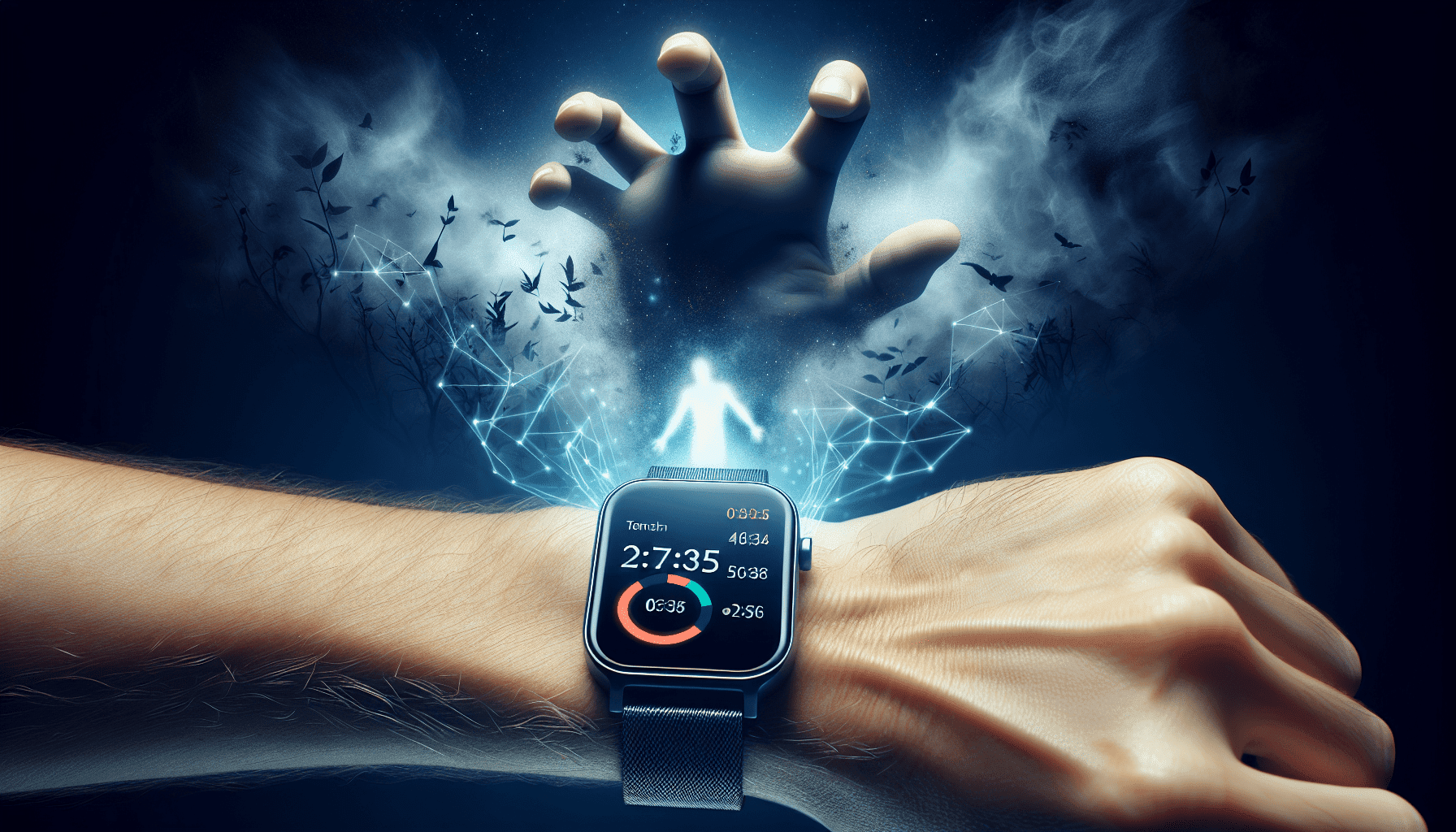
Advancements in technology have revolutionized the way we track sleep paralysis episodes. With the development of wearable devices, mobile applications, and smart home systems, individuals now have more convenient and accessible options for monitoring their sleep.
Wearable devices
Wearable devices such as fitness trackers and smartwatches have gained popularity in recent years for their ability to track various aspects of health, including sleep. These devices are worn on the wrist and use built-in sensors to gather data on sleep duration, quality, and disturbances.
Mobile applications
Mobile applications provide a convenient way to track sleep paralysis episodes using smartphones or tablets. These apps can monitor sleep duration, movements, and even record audio to detect any sleep disturbances. Additionally, they often provide features for data analysis and visualization, allowing individuals to gain valuable insights into their sleep patterns.
Smart home systems
Smart home systems offer a more integrated approach to tracking sleep paralysis episodes. These systems utilize various devices, such as smart beds, sleep monitoring devices, and ambient sensors, to gather data on sleep quality and disturbances. They can also be programmed to automatically respond to sleep paralysis episodes, providing comfort or alerting a caregiver if necessary.
1. Wearable Devices
Wearable devices have become increasingly popular for tracking sleep paralysis episodes due to their convenience and ease of use. These devices come in various forms, such as fitness trackers and smartwatches, each offering different features and functionalities.
Types of wearable devices
Fitness trackers and smartwatches are the two most common types of wearable devices used for tracking sleep paralysis episodes. Fitness trackers are typically worn on the wrist and can monitor sleep duration, quality, and disturbances. Smartwatches, on the other hand, offer more advanced features such as heart rate monitoring, GPS tracking, and the ability to receive notifications from smartphones.
Functionality for tracking sleep paralysis
Wearable devices are equipped with built-in sensors that can detect movements, heart rate, and other physiological parameters. By analyzing these data points, the devices can determine when an individual is experiencing a sleep paralysis episode. Some devices may also provide real-time alerts or notifications, allowing individuals to be more aware of their sleep paralysis episodes and take necessary steps to manage them.
Accuracy and limitations
While wearable devices offer a convenient way to track sleep paralysis episodes, their accuracy may vary. Factors such as device placement, sensor quality, and individual variability can affect the accuracy of the data collected. Additionally, wearable devices may not be able to detect mild sleep paralysis episodes or differentiate them from other sleep disturbances.
1.1 Fitness Trackers
Fitness trackers are a popular choice for tracking sleep paralysis episodes due to their affordability and simplicity. These devices are specifically designed to monitor various aspects of physical activity and health, including sleep patterns.
Sleep tracking features
Fitness trackers with sleep tracking features can provide valuable insights into an individual’s sleep patterns. They can measure sleep duration, quality, and disturbances, allowing individuals to identify any patterns related to sleep paralysis episodes. Some fitness trackers may also provide suggestions for improving sleep quality based on the data collected.
Additional sensors
In addition to sleep tracking capabilities, fitness trackers often come with additional sensors that further enhance their functionality. These sensors can include heart rate monitors, GPS tracking, and even stress level detection. By combining data from multiple sensors, individuals can gain a more holistic view of their overall health and well-being.
Integration with other devices
Fitness trackers are often designed to be compatible with other devices and applications, allowing for seamless integration with existing health tracking systems. This integration can provide individuals with a more comprehensive view of their sleep paralysis episodes and allow for easy data analysis and visualization.
1.2 Smartwatches
Smartwatches offer a more advanced and feature-rich option for tracking sleep paralysis episodes. These devices combine the functionality of a fitness tracker with additional features such as notifications, music playback, and voice assistants.
Sleep monitoring capabilities
Smartwatches with sleep monitoring capabilities can track various sleep parameters, including sleep duration, quality, and disturbances. Some smartwatches can even detect specific sleep stages, such as REM (rapid eye movement) sleep, which is often associated with vivid dreaming and sleep paralysis episodes.
Real-time alerts
One of the key advantages of smartwatches is their ability to provide real-time alerts and notifications. This feature can be particularly useful for individuals who want to be immediately aware of their sleep paralysis episodes. By receiving notifications on their wrist, individuals can take necessary actions, such as changing their sleeping position or practicing relaxation techniques, to manage their episodes.
Integration with health apps
Smartwatches are typically designed to integrate with various health and fitness apps, allowing individuals to track their sleep paralysis episodes alongside other health-related data. This integration can provide a more comprehensive and holistic view of an individual’s overall well-being and help identify any patterns or triggers related to sleep paralysis episodes.
2. Mobile Applications
Mobile applications have become increasingly popular for tracking sleep paralysis episodes due to their accessibility and ease of use. These apps utilize the built-in sensors and capabilities of smartphones or tablets to monitor sleep patterns and provide valuable insights.
Sleep tracking apps
Sleep tracking apps are specifically designed to monitor various sleep parameters, including sleep duration, quality, and disturbances. These apps often use accelerometers, microphones, and other sensors to analyze movement, sound, and other physiological signals during sleep.
Features for identifying sleep paralysis
Many sleep tracking apps now include features specifically designed to identify and track sleep paralysis episodes. These features can detect patterns of immobility and other physiological changes associated with sleep paralysis. They can also record audio to detect any auditory hallucinations that may accompany the episodes.
Data analysis and visualization
Sleep tracking apps often provide features for data analysis and visualization, allowing individuals to gain valuable insights into their sleep paralysis episodes. These features can include graphical representations of sleep patterns, trends, and comparisons to recommended sleep durations. They can also provide personalized recommendations for improving sleep quality and managing sleep paralysis episodes.
2.1 Lucid Dreaming Apps
Lucid dreaming apps offer a unique approach to tracking sleep paralysis episodes by focusing on techniques for inducing lucid dreams. Lucid dreaming is the ability to become aware that you are dreaming while still in the dream state. By practicing lucid dreaming techniques, individuals can potentially gain more control over their dreams and reduce the frequency or intensity of sleep paralysis episodes.
Dream journaling
Dream journaling is a technique commonly used in lucid dreaming apps. It involves keeping a record of dreams, including any sleep paralysis episodes, in a journal or within the app itself. By recording and reflecting on dreams, individuals can become more aware of their dream patterns and potentially recognize triggers or patterns related to sleep paralysis episodes.
Reality checks
Reality checks are another technique used in lucid dreaming apps. They involve performing simple tests or actions throughout the day to establish whether one is in a dream or awake. By regularly practicing reality checks, individuals can train their minds to question their reality, which can carry over into dreams and potentially lead to lucid dreaming and a reduction in sleep paralysis episodes.
Techniques for inducing lucid dreams
Lucid dreaming apps often provide various techniques, such as visualization exercises, meditation, and sleep routines, for inducing lucid dreams. These techniques can help individuals become more aware of their dream state and potentially gain control over their dreams. By practicing these techniques regularly, individuals may be able to reduce the occurrence of sleep paralysis episodes during lucid dreams.
3. Smart Home Systems
Smart home systems offer a more integrated and automated approach to tracking sleep paralysis episodes. These systems utilize various devices and technologies to monitor sleep and respond to sleep paralysis episodes in real-time.
Sleep monitoring devices
Smart home systems often include sleep monitoring devices that can track sleep duration, quality, and disturbances. These devices may include smart beds, sleep trackers, or sensors that can be placed on the mattress or in the bedroom. By continuously monitoring sleep patterns, these devices can help individuals identify any triggers or patterns related to sleep paralysis episodes.
Integration with sleep tracking
Smart home systems can integrate with existing sleep tracking technologies, such as wearable devices or mobile applications. This integration allows for a more comprehensive view of an individual’s sleep paralysis episodes and can provide more accurate and detailed data for analysis.
Automated responses to sleep paralysis
One of the key advantages of smart home systems is their ability to provide automated responses to sleep paralysis episodes. For example, if a sleep monitoring device detects a sleep paralysis episode, the system can automatically adjust the lighting, temperature, or sound in the bedroom to create a more comfortable environment. In some cases, the system can also send alerts or notifications to a caregiver or loved one, ensuring that individuals experiencing sleep paralysis are not alone during these episodes.
Conclusion
Technology has opened up new possibilities for tracking sleep paralysis episodes and gaining a better understanding of sleep patterns. Wearable devices, mobile applications, and smart home systems offer convenient and accessible options for individuals looking to monitor their sleep paralysis episodes. These advancements provide valuable insights into sleep patterns, triggers, and potential treatment options. While there are limitations to current technologies, ongoing advancements and research present exciting opportunities for future development and innovation in sleep paralysis tracking. By utilizing these technological advancements, individuals can take proactive steps towards better sleep health and overall well-being.