
In the realm of sleep disorders, one particularly intriguing phenomenon is sleep paralysis accompanied by hallucinations. While sleep paralysis itself is a relatively common occurrence, the presence of hallucinations during these episodes adds an additional layer of complexity to the experience. By delving into the underlying mechanisms and potential triggers of hallucinations in sleep paralysis, we can gain a deeper understanding of this perplexing phenomenon and explore potential avenues for treatment and management.
Understanding Hallucinations in Sleep Paralysis
Have you ever experienced waking up in the middle of the night unable to move, feeling as though there is a presence in the room, and seeing or hearing things that aren’t really there? If so, you may have experienced sleep paralysis, a phenomenon that can be both terrifying and confusing. In this article, we will explore the fascinating world of hallucinations in sleep paralysis, delving into the science behind this mysterious occurrence and shedding light on what causes these vivid experiences.
What is Sleep Paralysis?
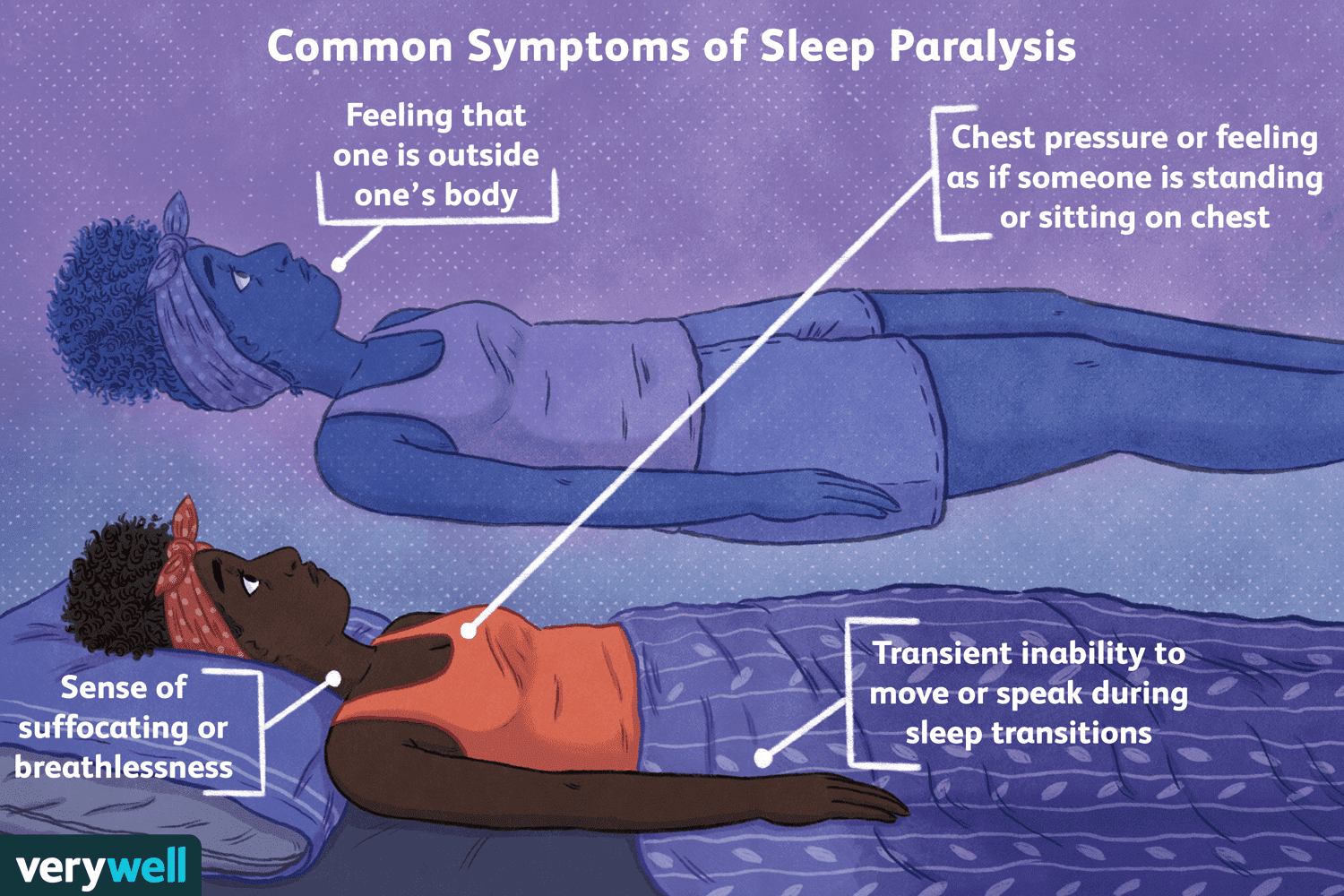
Sleep paralysis is a phenomenon that occurs when a person is either falling asleep or waking up and temporarily experiences an inability to move or speak. This can be accompanied by vivid hallucinations, sensations of pressure on the chest, and a feeling of being watched or not alone. While sleep paralysis is a relatively common experience, affecting up to 8% of the population, the exact cause of this phenomenon is still not fully understood.
What Happens During Sleep Paralysis?
During sleep paralysis, the body essentially becomes “stuck” between the stages of wakefulness and REM (rapid eye movement) sleep. In a normal sleep cycle, the body goes through different stages of sleep, including light sleep, deep sleep, and REM sleep. During REM sleep, the brain is highly active, and dreaming occurs. The body enters a state of muscle paralysis to prevent acting out dreams.
In the case of sleep paralysis, this muscle paralysis persists even as the person begins to wake up or fall asleep, leading to the sensation of being unable to move. This can be a terrifying experience, as the brain is awake and aware, but the body remains immobilized. Additionally, during sleep paralysis, the brain may also produce vivid and often frightening hallucinations, further adding to the distress of the experience.

Types of Hallucinations in Sleep Paralysis
Hallucinations experienced during sleep paralysis can be divided into two main categories: intruder hallucinations and incubus hallucinations. Understanding the differences between these types of hallucinations can provide insight into the underlying mechanisms of sleep paralysis.
Intruder Hallucinations
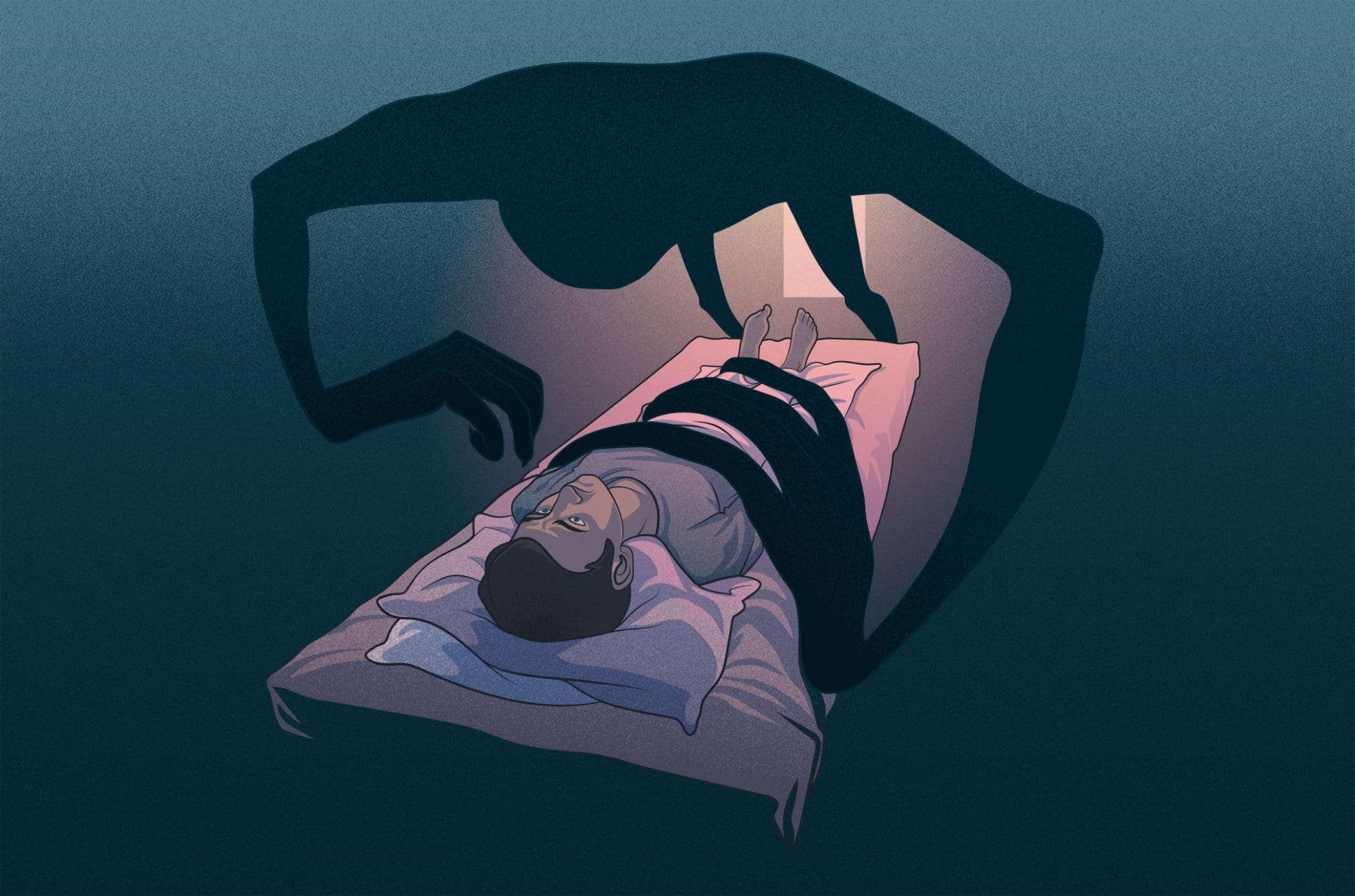
Intruder hallucinations are characterized by the perception of a presence in the room, often described as a shadowy figure, an intruder, or an evil presence. These hallucinations can be accompanied by feelings of fear, dread, and impending doom. People experiencing intruder hallucinations during sleep paralysis may feel as though they are being watched or threatened by an unseen entity.
Incubus Hallucinations
Incubus hallucinations involve sensations of pressure on the chest, difficulty breathing, and the feeling of being pinned down by an unseen force. These hallucinations are often associated with a sense of suffocation and can be extremely distressing for individuals experiencing them. Incubus hallucinations may also involve perceived physical sensations, such as being touched, pulled, or dragged by an unseen entity.

The Science Behind Hallucinations in Sleep Paralysis
The exact neurobiological mechanisms underlying hallucinations in sleep paralysis are not yet fully understood. However, researchers have proposed several theories to explain the phenomenon.
Sleep-Wake Transition Dysfunction
One theory suggests that hallucinations in sleep paralysis may be due to a dysfunction in the sleep-wake transition process. During normal sleep, the brain transitions between different stages of sleep, including wakefulness, non-REM sleep, and REM sleep, in a coordinated manner. In sleep paralysis, this transition process may become disrupted, leading to a mismatch between the body’s state of paralysis and the brain’s wakeful awareness.
Activation of the Amygdala
The amygdala, a region of the brain involved in processing emotions, may also play a role in the generation of hallucinations during sleep paralysis. Research has shown that heightened activity in the amygdala is associated with fear and anxiety responses. During sleep paralysis, increased activation of the amygdala may contribute to the intense feelings of fear and dread experienced during hallucinations.
REM Intrusion into Wakefulness
Another hypothesis proposes that hallucinations in sleep paralysis may result from a partial intrusion of REM sleep characteristics into the wakeful state. During REM sleep, the brain exhibits increased activity, vivid dreaming, and muscle atonia (paralysis). In sleep paralysis, remnants of REM sleep characteristics, such as vivid imagery and paralysis, may persist into the wakeful state, giving rise to hallucinations.

Coping with Hallucinations in Sleep Paralysis
If you have experienced hallucinations in sleep paralysis, it is essential to know that you are not alone. Many people have reported similar experiences, and there are strategies you can employ to cope with and reduce the frequency of hallucinations during sleep paralysis.
Improve Sleep Hygiene
Maintaining good sleep hygiene can help reduce the likelihood of experiencing sleep paralysis episodes. This includes establishing a regular sleep schedule, creating a relaxing bedtime routine, and ensuring your sleep environment is conducive to restful sleep.
Manage Stress and Anxiety
Stress and anxiety can exacerbate sleep paralysis episodes and may contribute to the intensity of hallucinations. Engaging in stress-reducing activities such as mindfulness meditation, deep breathing exercises, or physical exercise can help mitigate anxiety and promote relaxation before bedtime.
Seek Support
Talking to a healthcare provider or mental health professional about your experiences with sleep paralysis can provide valuable support and guidance. They can help you understand the underlying causes of sleep paralysis and offer strategies to cope with hallucinations effectively.
Conclusion
In conclusion, hallucinations in sleep paralysis are a fascinating yet often unsettling phenomenon that can occur during the transition between wakefulness and REM sleep. Understanding the types of hallucinations and the underlying mechanisms of sleep paralysis can help shed light on this mysterious experience. By implementing strategies to improve sleep hygiene, manage stress, and seek support, individuals experiencing hallucinations in sleep paralysis can learn to cope with and potentially reduce the frequency of these vivid experiences. Remember, if you are struggling with sleep paralysis or its associated hallucinations, you are not alone, and help is available.