Imagine waking up in the middle of the night, paralyzed and unable to move. Your mind is fully aware, but your body is trapped. This is the terrifying experience of sleep paralysis. In this article, we will delve into the impact that sleep paralysis has on your identity and self-concept. Through personal narratives and scientific research, we will explore how this phenomenon can affect your perception of yourself and the world around you. Get ready to gain a deeper understanding of this eerie phenomenon and its potential implications on your sense of self.
Definition of Sleep Paralysis
Overview of sleep paralysis
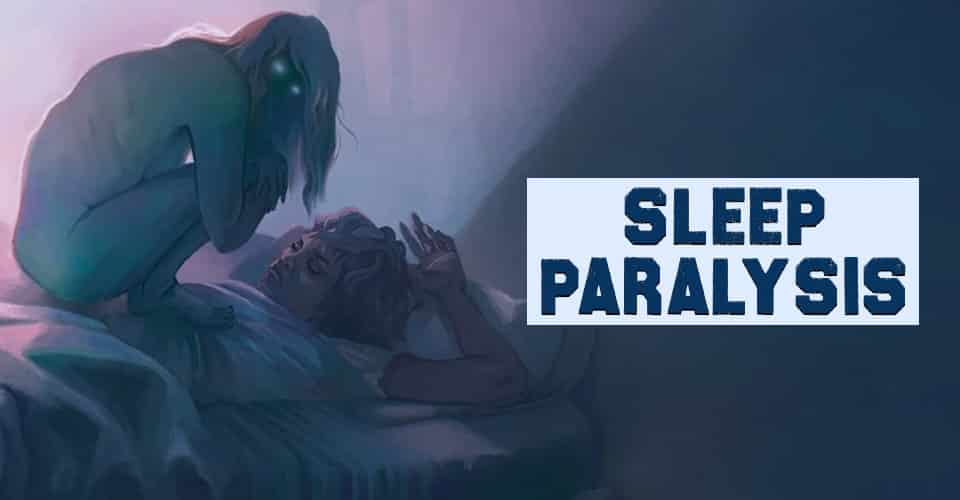
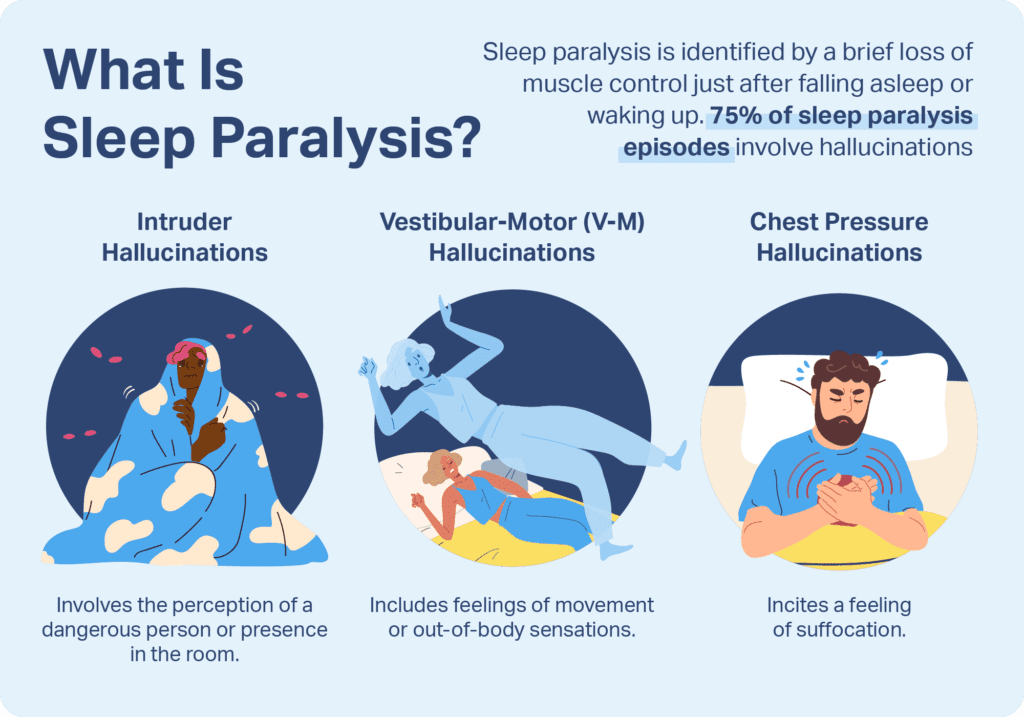
Sleep paralysis is a phenomenon that occurs during the transition between wakefulness and sleep, characterized by a temporary inability to move or speak. It is a state of paralysis that affects a person while they are conscious and aware of their surroundings. This condition typically lasts for a few seconds to a few minutes and can be accompanied by vivid hallucinations or a sense of pressure on the chest. Sleep paralysis can occur upon falling asleep or upon waking up, and it can be a frightening and distressing experience.
Causes of sleep paralysis
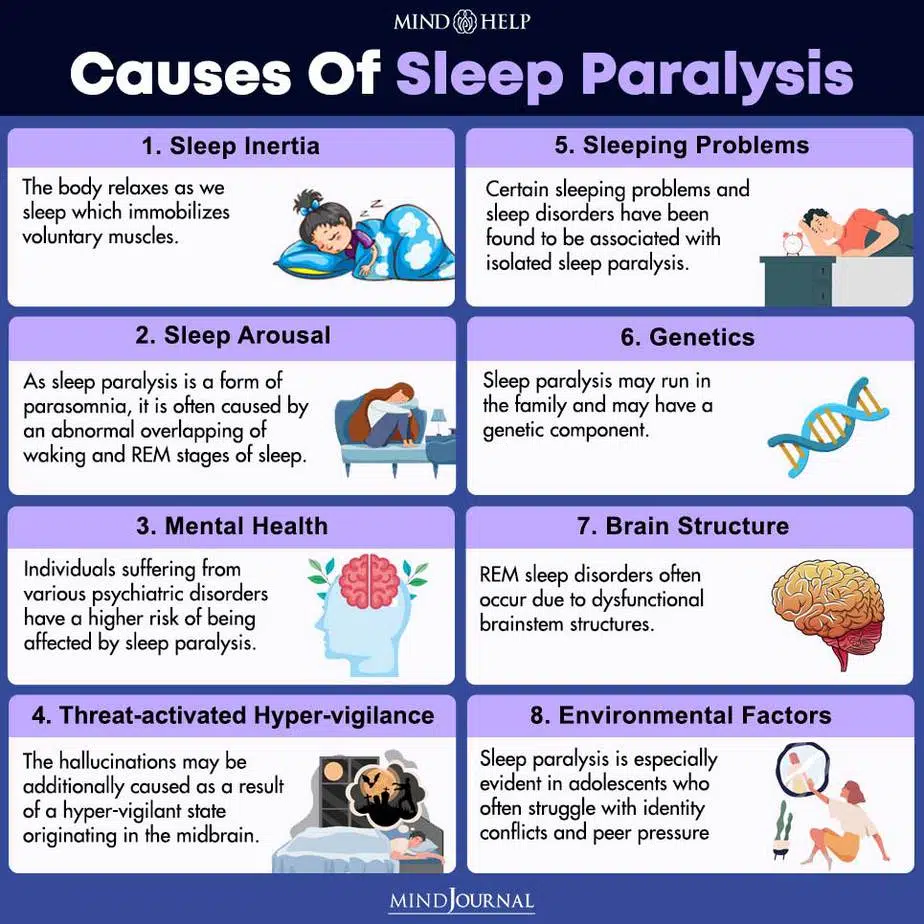
Sleep paralysis is thought to be caused by disrupted REM (rapid eye movement) sleep, which is the stage of sleep associated with dreaming. During REM sleep, the body is typically paralyzed to prevent acting out dreams. However, in individuals with sleep paralysis, this paralysis persists even when they are awake. Various factors can contribute to the occurrence of sleep paralysis, including sleep deprivation, irregular sleep patterns, stress, anxiety, and certain sleep disorders such as narcolepsy. Genetics may also play a role in determining susceptibility to sleep paralysis.
Symptoms of sleep paralysis
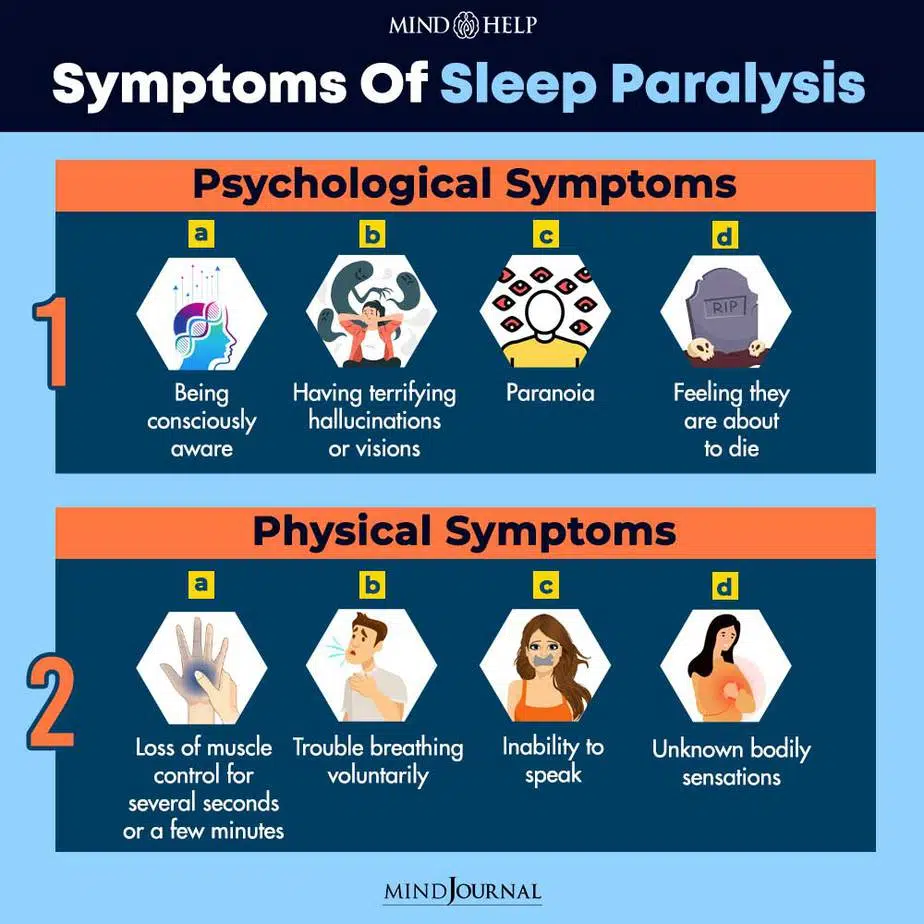
The primary symptom of sleep paralysis is the inability to move or speak, despite being fully conscious. Other symptoms that may accompany sleep paralysis include hallucinations, often of a vivid and sometimes disturbing nature, as well as a sense of pressure on the chest or difficulty breathing. These symptoms can be highly distressing and may contribute to feelings of fear and helplessness. It is important to note that while sleep paralysis can be a recurring phenomenon, it is typically harmless and does not pose any physical harm to individuals experiencing it.
Understanding Identity and Self Concept
Definition of identity and self concept
Identity refers to the characteristics, beliefs, and values that define an individual and differentiate them from others. It encompasses various aspects such as gender, cultural background, personality traits, and personal experiences. Self-concept, on the other hand, refers to the individual’s perception and understanding of themselves, including their abilities, appearance, and overall sense of self-worth. Both identity and self-concept play a crucial role in shaping an individual’s sense of who they are and how they relate to the world around them.
Factors influencing identity and self concept
Identity and self-concept are shaped by a myriad of factors, including cultural and societal influences, family upbringing, personal experiences, and individual interactions with others. Cultural norms and social expectations can significantly impact how individuals perceive themselves and their identities. Family dynamics and the environment in which one grows up can also play a crucial role in shaping one’s self-concept. Personal experiences, achievements, and setbacks can greatly influence how individuals perceive themselves and contribute to the development of their identity. Additionally, interactions with others and feedback received can impact self-concept, either positively or negatively.
Implications of identity and self concept
Identity and self-concept have significant implications for various aspects of an individual’s life, including self-esteem, relationships, career choices, and overall well-being. A strong and positive sense of identity and self-concept often leads to increased self-confidence, healthy relationships, and a higher level of life satisfaction. Conversely, a negative or conflicted sense of identity and self-concept can contribute to feelings of insecurity, low self-esteem, and difficulties in forming meaningful connections with others. Understanding and developing a healthy sense of identity and self-concept are essential for personal growth and overall psychological well-being.
Sleep Paralysis and Perception of Self
How sleep paralysis affects perception of self
Sleep paralysis can have a profound impact on an individual’s perception of self. The experience of being unable to move or speak, combined with the vivid hallucinations often associated with sleep paralysis, can lead to feelings of helplessness, fear, and a distorted sense of reality. These experiences can challenge one’s understanding of their capabilities and control over their own body, contributing to a sense of powerlessness and vulnerability. Additionally, the hallucinations experienced during sleep paralysis can blur the line between the dream world and reality, making it difficult to distinguish between what is imagined and what is real.
Experiences and emotions during sleep paralysis
During sleep paralysis, individuals may experience a range of emotions, including fear, panic, and anxiety. The feeling of being trapped and unable to move or speak can be incredibly distressing, leading to a heightened sense of vulnerability and a perception of being at the mercy of external forces. The hallucinations that often accompany sleep paralysis can intensify these emotions, as individuals may see or hear things that are not actually present. These experiences can contribute to a distorted sense of self and a heightened state of alertness, as individuals may fear the recurrence of sleep paralysis episodes.
Psychological impact on self perception
The psychological impact of sleep paralysis can be significant, as it can challenge an individual’s sense of self and their understanding of their own body. The recurring nature of sleep paralysis can lead to feelings of frustration, anxiety, and a loss of control. Individuals may begin to question their own mental and physical health, often wondering if there is something fundamentally wrong with them. The hallucinations and vivid imagery experienced during sleep paralysis can also leave individuals questioning their own perception of reality, further affecting their self-perception and overall psychological well-being.
Sleep Paralysis and Identity Formation
Impact of sleep paralysis on personal identity
Sleep paralysis can have an impact on personal identity, as it challenges an individual’s understanding of their abilities and physical autonomy. The recurrent episodes of sleep paralysis may cause individuals to question their own capabilities and limit their engagement in certain activities or situations for fear of triggering an episode. This self-imposed restriction can influence personal identity by limiting experiences and opportunities for personal growth. Additionally, the fear and anxiety associated with sleep paralysis can lead to a negative self-perception, potentially contributing to a diminished sense of self and self-worth.
Influence on self-discovery and self-expression
Sleep paralysis can also impact the process of self-discovery and self-expression. The experiences and emotions associated with sleep paralysis may hinder an individual’s ability to explore and understand their own desires, interests, and values. Individuals may be hesitant to pursue new experiences or express themselves fully due to the fear and apprehension associated with sleep paralysis. This limitation can hinder personal growth and the development of a well-rounded personal identity.
Challenges in forming identity due to sleep paralysis
Forming a coherent and stable identity can be challenging for individuals experiencing sleep paralysis. The unpredictable nature of sleep paralysis episodes can create a sense of instability and uncertainty, making it difficult for individuals to establish a consistent sense of self. Additionally, the fear and anxiety associated with sleep paralysis may lead individuals to develop avoidance behaviors, further limiting their ability to explore and engage in activities that contribute to the formation of identity. These challenges can hinder personal growth and identity development, potentially leading to a fragmented and conflicted sense of self.
Cultural and Societal Perspectives on Sleep Paralysis
Historical and cultural beliefs surrounding sleep paralysis
Throughout history, sleep paralysis has been attributed to various cultural and supernatural beliefs. In many cultures, sleep paralysis has been associated with demonic possession, witchcraft, or malevolent spirits. These beliefs have often led to cultural practices and rituals aimed at warding off or alleviating the perceived negative effects of sleep paralysis. These beliefs and practices vary across different cultures, highlighting the influence of cultural and societal perspectives on the understanding and interpretation of sleep paralysis.
Role of societal attitudes in shaping self concept
Societal attitudes towards sleep paralysis can also shape an individual’s self-concept. If sleep paralysis is stigmatized or misunderstood within a particular society, individuals experiencing it may internalize negative beliefs and attitudes about themselves. The lack of awareness and understanding surrounding sleep paralysis can contribute to feelings of isolation and a diminished sense of self-worth. Conversely, a society that promotes understanding and acceptance of sleep paralysis can foster a more supportive environment for individuals experiencing it, helping to maintain a positive self-concept.
Stigmatization and misconceptions related to sleep paralysis
Unfortunately, sleep paralysis is often stigmatized and misunderstood in many societies. The lack of awareness and education about sleep paralysis can lead to misconceptions and misinformation, further contributing to the stigma surrounding this phenomenon. Individuals experiencing sleep paralysis may be hesitant to open up about their experiences due to fear of judgment or dismissal. This stigma and misunderstanding can negatively impact an individual’s self-concept, leading to feelings of shame and isolation. Increasing awareness and addressing misconceptions about sleep paralysis are essential for creating a more supportive and understanding society.
Sleep Paralysis and Mental Health
Association between sleep paralysis and mental disorders
Sleep paralysis has been found to be associated with various mental disorders, including anxiety disorders and depression. The fear, anxiety, and distress experienced during sleep paralysis episodes can have a significant impact on an individual’s mental well-being, potentially contributing to the development or exacerbation of these disorders. It is important to note that while sleep paralysis may be a symptom or a contributing factor to these mental health conditions, it does not necessarily mean that everyone experiencing sleep paralysis will develop a mental disorder. However, individuals with pre-existing mental health conditions may be more vulnerable to the psychological impact of sleep paralysis.
Impact on anxiety and depression levels
Sleep paralysis can significantly impact anxiety and depression levels in individuals experiencing it. The fear and distress associated with sleep paralysis can contribute to heightened levels of anxiety, as individuals may anticipate and dread the recurrence of sleep paralysis episodes. The sense of powerlessness and vulnerability during these episodes can also lead to feelings of depression and a loss of hope. The impact on anxiety and depression levels may be more pronounced for individuals who already struggle with these mental health conditions, as sleep paralysis can exacerbate their symptoms.
Psychological interventions for coping with sleep paralysis
Psychological interventions can be helpful for individuals struggling with the psychological impact of sleep paralysis. Cognitive-behavioral therapy (CBT) has been found to be effective in helping individuals reframe their thoughts and beliefs about sleep paralysis, reducing anxiety and distress. CBT can also help individuals develop coping strategies to manage their emotions and fears related to sleep paralysis. In addition to therapy, relaxation techniques, such as deep breathing exercises or mindfulness meditation, may help reduce anxiety and promote better sleep hygiene.
Coping Mechanisms for Dealing with Sleep Paralysis
Educational resources and awareness about sleep paralysis
Increasing awareness about sleep paralysis through educational resources and public campaigns can be beneficial in helping individuals cope with this phenomenon. Providing accurate information about sleep paralysis can help dispel misconceptions and reduce stigma. Educational resources can also offer practical tips and strategies for managing sleep paralysis episodes, empowering individuals to take control of their experiences and reduce anxiety associated with sleep paralysis.
Practical tips for managing sleep paralysis episodes
There are several practical tips that individuals experiencing sleep paralysis can implement to manage the impact on their well-being. Maintaining a regular sleep schedule, practicing good sleep hygiene, and managing stress levels can contribute to better sleep quality and potentially reduce the frequency of sleep paralysis episodes. Creating a relaxing bedtime routine, avoiding stimulating activities before bed, and ensuring a comfortable sleep environment can also contribute to a more restful sleep, potentially minimizing the occurrence of sleep paralysis.
Support groups and therapy options
Joining support groups or seeking therapy can provide much-needed emotional support for individuals experiencing sleep paralysis. Interacting with others who have similar experiences can help individuals feel less alone and provide a safe space for sharing fears, frustrations, and coping strategies. Therapy, whether individual or group, can provide additional guidance and support in managing the psychological impact of sleep paralysis, helping individuals build resilience and develop effective coping mechanisms.
Impact of Sleep Paralysis on Relationships
Effect on intimate relationships
Sleep paralysis can have an impact on intimate relationships, as it can disrupt sleep patterns, increase anxiety levels, and cause communication challenges. Partners of individuals experiencing sleep paralysis may find it difficult to understand and respond effectively to their partner’s experiences and emotions. The fear and anxiety associated with sleep paralysis may also contribute to sleep disturbances for both partners, potentially affecting the intimacy and quality of their relationship. Open and empathetic communication, as well as a willingness to adapt and support each other, can help navigate the challenges posed by sleep paralysis in intimate relationships.
Communication challenges and misunderstandings
Communication challenges often arise in relationships when one partner experiences sleep paralysis. The individual experiencing sleep paralysis may find it challenging to explain their experiences and emotions effectively, leading to misunderstandings and confusion. In some cases, partners may respond with skepticism or dismissiveness, further exacerbating the individual’s feelings of isolation and distress. It is crucial for partners to maintain open lines of communication, actively listen, and seek to understand each other’s perspectives in order to foster a supportive and nurturing relationship.
Supportive strategies for partners and loved ones
Partners and loved ones can play a vital role in supporting individuals experiencing sleep paralysis. Offering empathy, understanding, and validation can go a long way in creating a safe and supportive environment. Learning about sleep paralysis and its psychological impact can help partners better comprehend the experiences and emotions associated with it. Engaging in relaxation techniques or creating a calming pre-sleep routine together can help reduce anxiety and promote quality sleep for both partners. Additionally, seeking couples therapy or support groups can provide a space for partners to navigate the challenges and strengthen their relationship.
Personal Stories and Testimonials
Sharing experiences of individuals with sleep paralysis
Personal stories and testimonials from individuals who have experienced sleep paralysis can provide valuable insights into the impact of sleep paralysis on identity and self-concept. Hearing about others’ experiences can help individuals experiencing sleep paralysis feel less alone and offer validation for their own emotions and challenges. Sharing personal stories can also help raise awareness about sleep paralysis and contribute to a greater understanding and acceptance of this phenomenon within society.
How it has influenced their self concept
Personal stories often reveal the ways in which sleep paralysis has influenced individuals’ self-concept. Many individuals report feeling a loss of control, increased anxiety, and a diminished sense of self-worth as a result of their experiences with sleep paralysis. The recurrence of sleep paralysis episodes can lead individuals to question their mental and physical health, often contributing to self-doubt and negative self-perception. Personal stories can illuminate the profound impact that sleep paralysis can have on an individual’s identity and self-concept, further emphasizing the importance of understanding and addressing this phenomenon.
Lessons learned and advice for others
Personal stories of individuals with sleep paralysis often highlight the lessons learned and offer advice for others experiencing similar challenges. Individuals may share coping mechanisms, relaxation techniques, or strategies they have found helpful in managing the psychological impact of sleep paralysis. They may also encourage seeking support from professionals or joining support groups to foster a sense of understanding and validation. Sharing these lessons and advice can provide valuable guidance and inspiration for individuals seeking to navigate their own experiences with sleep paralysis and develop a resilient sense of self.
Future Implications and Potential Research
Areas for further study on sleep paralysis and identity
Further research is needed to better understand the specific impact of sleep paralysis on personal identity and self-concept. Exploring the experiences and responses of individuals with sleep paralysis over an extended period can provide insights into the long-term effects on identity formation and self-perception. Additionally, investigating the role of cultural and societal factors in shaping the self-concept of individuals experiencing sleep paralysis can help identify potential interventions and support strategies.
Potential therapies and interventions
Future research could also focus on developing specific therapies and interventions tailored to address the psychological impact of sleep paralysis on identity and self-concept. Incorporating techniques from cognitive-behavioral therapy, mindfulness-based approaches, and other psychotherapeutic modalities may prove beneficial in helping individuals reframe their experiences and develop effective coping strategies. Additionally, exploring the potential benefits of holistic approaches, such as integrating physical and spiritual practices, may provide further avenues for supporting individuals in their journey towards developing a positive self-concept in the face of sleep paralysis.
Importance of incorporating sleep paralysis in mental health discourse
The significance of sleep paralysis in mental health discourse should not be overlooked. Including sleep paralysis in discussions about mental health can help destigmatize this phenomenon and promote understanding and acceptance. By recognizing the impact that sleep paralysis can have on identity and self-concept, mental health professionals can offer appropriate support and treatment options to individuals experiencing sleep paralysis. Integrating sleep paralysis into the broader conversation about mental health can contribute to a more holistic and inclusive approach to supporting individuals in their journey towards optimal psychological well-being.