Do Cultural Beliefs And Practices Impact The Experience Of Sleep Paralysis?
Understanding Sleep Paralysis
Sleep paralysis is a temporary inability to move or speak that occurs when waking up or falling asleep. It can be accompanied by hallucinations and a feeling of pressure on the chest. Many people around the world experience sleep paralysis at least once in their lifetime.
What Causes Sleep Paralysis?
Sleep paralysis is believed to occur when a person’s body is in the REM (rapid eye movement) stage of sleep but the mind wakes up. During REM sleep, the body is typically in a state of temporary paralysis to prevent individuals from acting out their dreams. However, in the case of sleep paralysis, the mind wakes up but the paralysis persists, leading to a feeling of being trapped in one’s own body.
The Role of Culture in Sleep Paralysis
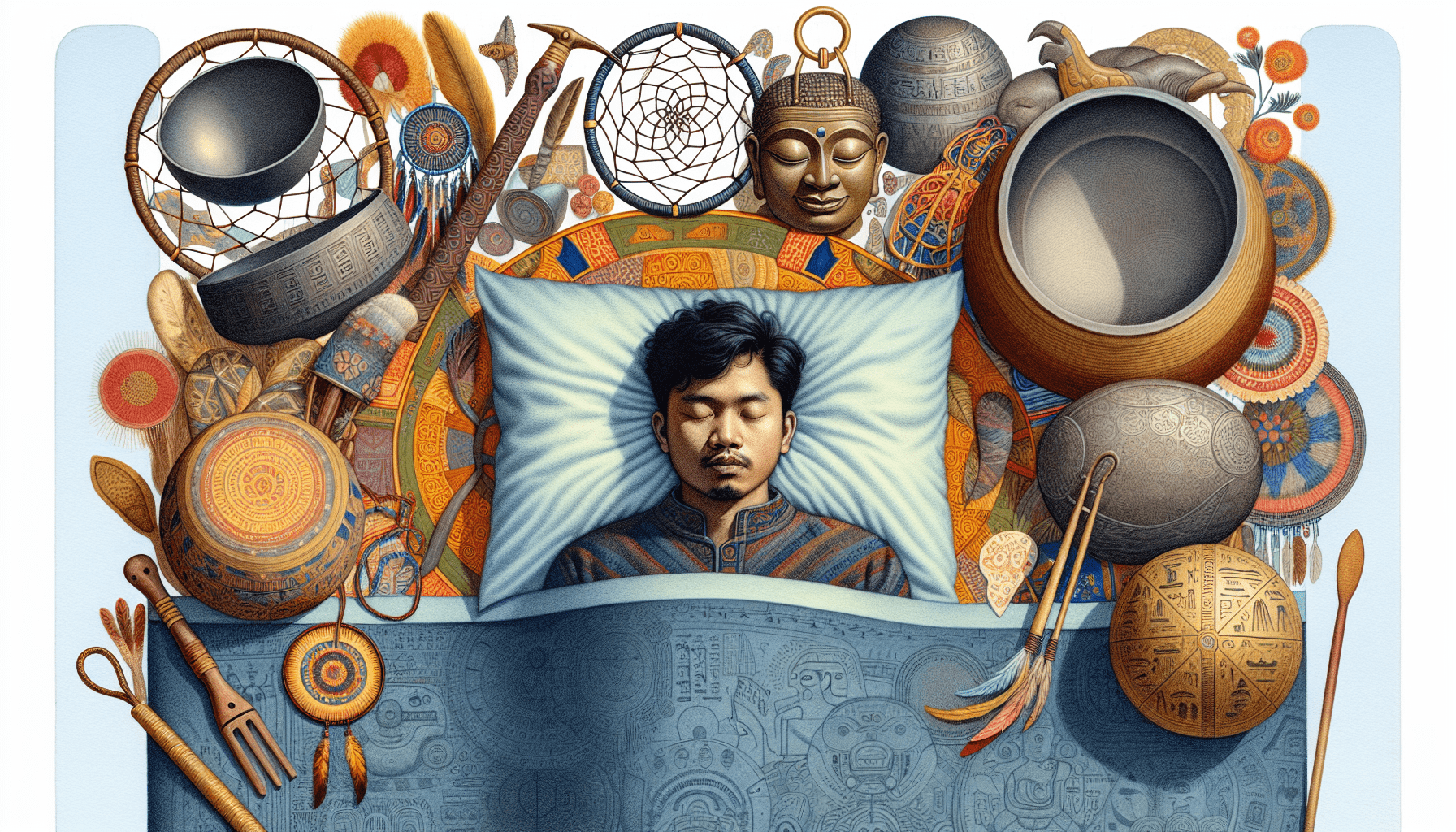
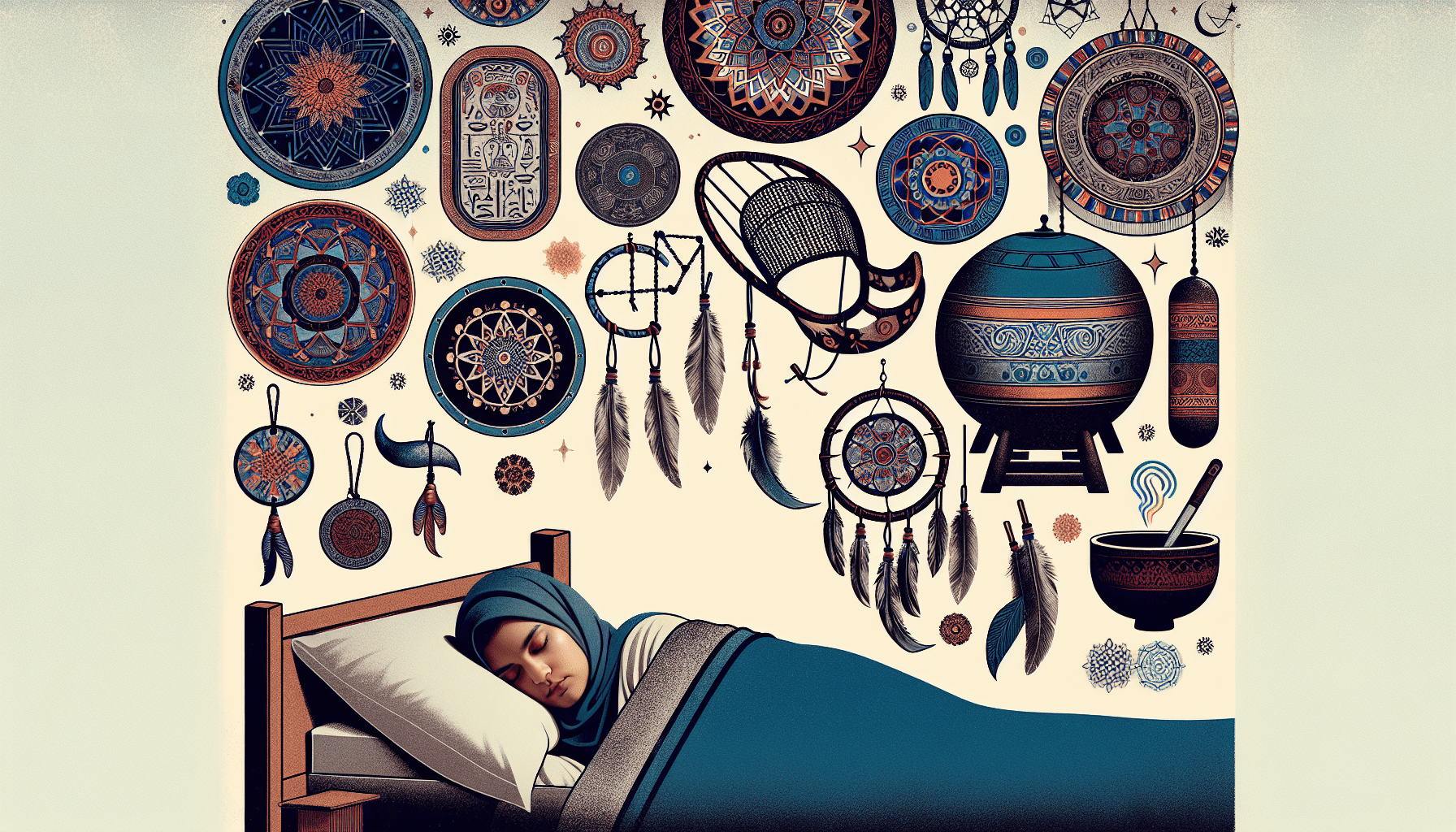
Cultural beliefs and practices play a significant role in how individuals perceive and experience sleep paralysis. The way different cultures interpret sleep paralysis can influence the overall experience and the psychological impact it has on individuals. Let’s explore some common cultural beliefs and practices related to sleep paralysis around the world.
Cultural Beliefs and Practices in Asia
In many Asian cultures, sleep paralysis is often associated with the presence of supernatural entities or spirits. It is believed that during sleep paralysis, evil spirits or ghosts may be trying to possess or harm the individual. This cultural belief can lead to increased fear and anxiety during episodes of sleep paralysis.
Cultural Beliefs and Practices in Africa
In African cultures, sleep paralysis is sometimes seen as a result of spiritual attacks or curses. It is believed that witchcraft or evil spirits may be responsible for causing sleep paralysis. As a result, individuals may seek the help of traditional healers or perform rituals to ward off negative energies.
Cultural Beliefs and Practices in Latin America
In Latin American cultures, sleep paralysis is often associated with the concept of “subirse el muerto” (being ridden by the dead). It is believed that the spirits of deceased ancestors may visit and sit on the chest of the sleeping individual, causing the sensation of pressure and paralysis. This belief can lead to feelings of dread and fear during episodes of sleep paralysis.

Cultural Beliefs and Practices in Europe
In some European cultures, sleep paralysis is associated with folklore and legends of supernatural beings such as witches, demons, or vampires. It is believed that these entities may visit individuals during sleep paralysis, leading to feelings of terror and helplessness. These cultural beliefs can contribute to the fear and anxiety experienced during episodes of sleep paralysis.
How Cultural Beliefs Impact the Experience of Sleep Paralysis
The cultural beliefs and practices surrounding sleep paralysis can have a profound impact on how individuals experience and cope with this phenomenon. Believing that sleep paralysis is caused by supernatural entities or spiritual forces can lead to increased fear, anxiety, and distress during episodes. On the other hand, cultural practices such as seeking the help of traditional healers or performing rituals may provide a sense of control and comfort for some individuals.
Coping Strategies for Sleep Paralysis
If you experience sleep paralysis and find that cultural beliefs and practices are influencing your experience, there are several coping strategies you can try:
-
Educate Yourself: Learn more about the science behind sleep paralysis and understand that it is a natural phenomenon that many people experience. Knowing the facts can help dispel myths and fears surrounding sleep paralysis.
-
Practice Relaxation Techniques: Try incorporating relaxation techniques such as deep breathing, meditation, or progressive muscle relaxation into your daily routine. These techniques can help reduce stress and anxiety, making it easier to cope with episodes of sleep paralysis.
-
Create a Safe Sleeping Environment: Make sure your bedroom is a comfortable and relaxing space that promotes good sleep hygiene. Keep the room cool, dark, and quiet, and consider using white noise machines or calming essential oils to create a peaceful atmosphere.
-
Seek Support: If cultural beliefs and practices are causing distress during episodes of sleep paralysis, consider talking to a mental health professional or counselor. They can help you explore coping strategies and provide support during difficult times.
-
Develop a Bedtime Routine: Establishing a consistent bedtime routine can signal to your body that it is time to sleep, making it easier to fall asleep and reducing the likelihood of experiencing sleep paralysis.
Conclusion
In conclusion, cultural beliefs and practices can significantly impact the experience of sleep paralysis. Understanding how different cultures interpret and cope with sleep paralysis can help individuals navigate their own experiences and develop effective coping strategies. By educating yourself, practicing relaxation techniques, creating a safe sleeping environment, seeking support, and developing a bedtime routine, you can better manage episodes of sleep paralysis and reduce the fear and anxiety associated with this phenomenon. Remember, you are not alone in your experience, and there are resources available to help you cope with sleep paralysis.