
Welcome to an intriguing exploration into the phenomenon of sleep paralysis in ancient civilizations. This phenomenon, which has been documented in texts and artwork from civilizations like the Egyptians, Greeks, and Chinese, offers a fascinating glimpse into the intersection of culture, religion, and medicine. By examining how sleep paralysis was perceived and explained in ancient times, we can gain a deeper understanding of the enduring nature of this mysterious experience. Join us on a journey through history as we uncover the beliefs and practices surrounding sleep paralysis in ancient civilizations. Have you ever woken up in the middle of the night unable to move or speak, feeling paralyzed and terrified? If so, you may have experienced sleep paralysis. But did you know that sleep paralysis is not a modern phenomenon, but has actually been documented in ancient civilizations? Let’s explore the history of sleep paralysis in ancient cultures and how it was perceived and understood.
Understanding Sleep Paralysis in Ancient Civilizations
Sleep paralysis is a phenomenon in which a person is briefly unable to move, speak, or react while falling asleep or waking up. It is often accompanied by hallucinations and a sense of suffocation or pressure on the chest. While it is now understood to be a normal part of the sleep cycle, ancient civilizations had different interpretations and beliefs surrounding sleep paralysis.
Ancient Egyptian Beliefs
In ancient Egypt, sleep paralysis was believed to be the work of evil spirits or demons. The Egyptians were deeply spiritual and believed in the existence of powerful supernatural beings that could influence human affairs. Sleep paralysis was seen as a form of spiritual attack, with the afflicted person being visited by a malevolent force during the night.
Mesopotamian Interpretations
In Mesopotamia, sleep paralysis was often attributed to the presence of demons or malevolent spirits. The Mesopotamians believed that the world was inhabited by a variety of supernatural beings, both benevolent and malevolent. Sleep paralysis was seen as a form of demonic possession, with the demon taking control of the person’s body during the night.
Greek and Roman Views
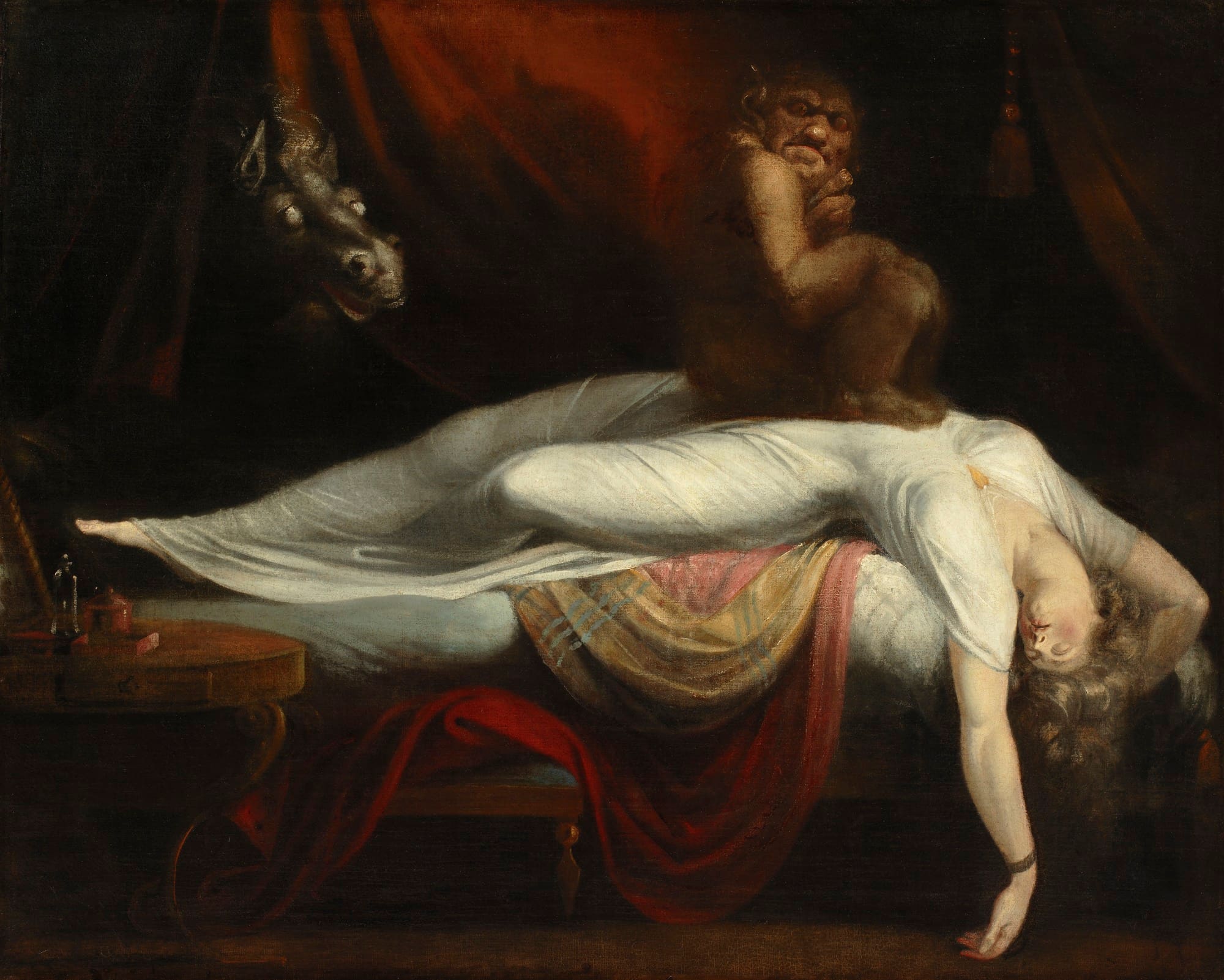
In ancient Greece and Rome, sleep paralysis was associated with the presence of night demons known as “ephialtes” or “incubi.” These demons were believed to sit on the chests of sleeping people, causing them to experience paralysis and terrifying hallucinations. The Greeks and Romans viewed sleep paralysis as a form of demonic attack, and sought protection from these malevolent spirits through prayers and rituals.
Chinese Perspectives
In ancient China, sleep paralysis was believed to be caused by wandering spirits or ghosts. Chinese culture has a rich tradition of ancestor worship and the belief in the spirits of the dead. Sleep paralysis was seen as a sign of spiritual disturbance, with the affected person being visited by an angry or vengeful spirit during the night.

Coping Mechanisms in Ancient Times
Despite the terrifying nature of sleep paralysis, ancient civilizations developed various coping mechanisms and rituals to protect themselves from the perceived spiritual threats associated with this phenomenon.
Amulets and Talismans
Amulets and talismans were commonly used in ancient civilizations to ward off evil spirits and protect against supernatural forces. People would wear or carry these protective objects while sleeping to guard themselves against demonic attacks and spiritual disturbances.
Rituals and Prayers
Prayers, incantations, and rituals were also common practices in ancient cultures to ward off evil spirits and protect against malevolent forces. People would recite prayers or perform rituals before going to bed to invoke the protection of benevolent spirits or deities and ward off any spiritual threats during the night.
Herbal Remedies
Herbal remedies and potions were frequently used in ancient civilizations to cleanse the body and spirit of negative energies and protect against supernatural influences. People would drink herbal teas or use aromatic oils before bed to promote relaxation and ward off evil spirits that could cause sleep paralysis.
Modern Understanding of Sleep Paralysis
While ancient civilizations viewed sleep paralysis through a spiritual or supernatural lens, modern science has provided a more physiological explanation for this phenomenon. Sleep paralysis is now understood to occur when the body transitions between different stages of sleep, particularly during the REM (rapid eye movement) stage.
REM Sleep and Paralysis
During REM sleep, the body becomes temporarily paralyzed to prevent people from acting out their dreams and potentially harming themselves. In some cases, this paralysis can persist as a person wakes up, leading to the sensation of being unable to move or speak. Hallucinations and feelings of suffocation are also common during sleep paralysis, as the brain may still be partly in a dream state.
Triggers and Risk Factors
While sleep paralysis can occur in anyone, certain factors may increase the likelihood of experiencing this phenomenon. Stress, sleep deprivation, irregular sleep patterns, and mental health conditions such as anxiety and depression have all been linked to an increased risk of sleep paralysis. Genetics may also play a role in determining susceptibility to this phenomenon.
Treatment and Management
There is currently no specific treatment for sleep paralysis, as it is considered a normal part of the sleep cycle for most people. However, improving sleep hygiene, managing stress levels, and maintaining a regular sleep schedule can help reduce the frequency and severity of episodes. Seeking support from a mental health professional may also be beneficial for addressing any underlying conditions contributing to sleep paralysis.

Cultural Perceptions and Modern Beliefs
While sleep paralysis is now understood from a scientific perspective, cultural beliefs and superstitions surrounding this phenomenon still persist in many parts of the world. Some people may continue to view sleep paralysis as a form of spiritual attack or demonic possession, seeking protection through rituals, prayers, or spiritual practices.
Cultural Influences
Cultural influences play a significant role in shaping how individuals perceive and interpret sleep paralysis. In some cultures, sleep paralysis may be viewed as a sign of divine intervention or prophetic dreams, while in others it may be seen as a malevolent force or curse. Understanding the cultural context of sleep paralysis can provide valuable insights into how different societies make sense of this phenomenon.
Psychological Impact
The psychological impact of sleep paralysis can be profound, causing significant distress and fear in those who experience it. Individuals may struggle with feelings of helplessness, anxiety, and paranoia as a result of their recurrent episodes. Seeking support from mental health professionals or joining support groups can help individuals cope with the emotional effects of sleep paralysis.
Integrating Science and Tradition
In some cases, individuals may choose to integrate scientific knowledge with traditional beliefs when it comes to understanding sleep paralysis. This may involve seeking medical explanations for the physical symptoms of sleep paralysis while still acknowledging the spiritual or cultural significance of the experience. Finding a balance between science and tradition can help individuals navigate their beliefs and experiences in a way that feels meaningful and empowering.

Conclusion
Sleep paralysis has a long history of cultural interpretations and beliefs, dating back to ancient civilizations that viewed this phenomenon through a spiritual or supernatural lens. While modern science has provided a more physiological explanation for sleep paralysis, cultural perceptions and beliefs continue to shape how individuals understand and cope with this phenomenon. By exploring the rich history of sleep paralysis in ancient civilizations, we can gain a deeper appreciation for the complexities of human experience and the interconnectedness of science, culture, and spirituality.
