The Impact Of Sleep Paralysis On Career And Academic Success
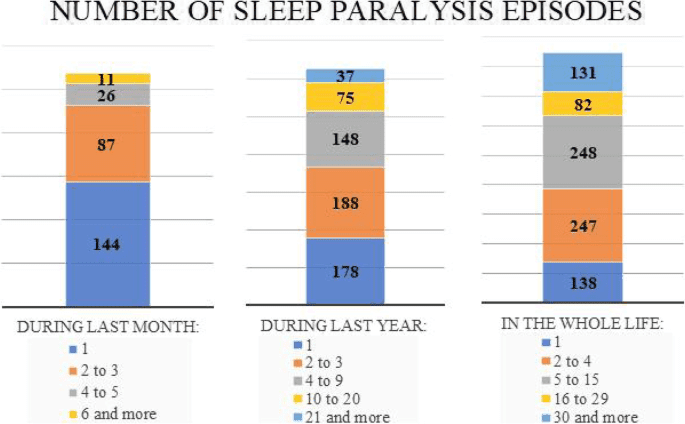
Have you ever experienced sleep paralysis? If so, you are not alone. In fact, it is estimated that around 8% of the population will experience sleep paralysis at some point in their lives. But did you know that sleep paralysis can have a significant impact on your career and academic success? In this article, we will explore the ways in which sleep paralysis can affect your professional and academic life, and provide tips on how to manage and overcome this challenging sleep disorder.
Understanding Sleep Paralysis
Sleep paralysis is a phenomenon that occurs when a person wakes up from sleep but is temporarily unable to move or speak. It is often accompanied by feelings of fear, dread, and hallucinations. Sleep paralysis occurs during the REM (rapid eye movement) stage of sleep, when the body is typically paralyzed to prevent acting out dreams. However, in the case of sleep paralysis, the mind wakes up before the body, leading to a temporary state of paralysis.
This experience can be extremely frightening and unsettling for those who suffer from it, and can have a range of negative effects on both their personal and professional lives.
How Sleep Paralysis Affects Your Career
If you are experiencing sleep paralysis on a regular basis, it can have a significant impact on your career. The effects of sleep paralysis on your career can be both direct and indirect, affecting everything from your job performance to your ability to advance in your chosen field.
Direct Effects
One of the most immediate ways in which sleep paralysis can affect your career is through its impact on your ability to get a good night’s sleep. Sleep paralysis can disrupt your sleep patterns, leading to poor quality sleep and daytime fatigue. This can make it difficult for you to focus, concentrate, and perform well at work.
In addition, the fear and anxiety associated with sleep paralysis can take a toll on your mental health, leading to increased stress, irritability, and difficulty coping with everyday challenges. This can affect your relationships with colleagues and superiors, as well as your overall job satisfaction.
Indirect Effects
The indirect effects of sleep paralysis on your career can be just as damaging as the direct effects. For example, if you are consistently tired and irritable due to lack of sleep, you may be more likely to make mistakes at work or miss deadlines. This can hurt your reputation as a reliable and competent employee, and may even put your job security at risk.
Furthermore, if you are experiencing sleep paralysis on a regular basis, you may be less likely to take on new challenges or opportunities at work. The fear of having an episode of sleep paralysis during an important meeting or presentation can be enough to discourage you from stepping outside your comfort zone and pursuing new career goals.
How Sleep Paralysis Affects Your Academic Success
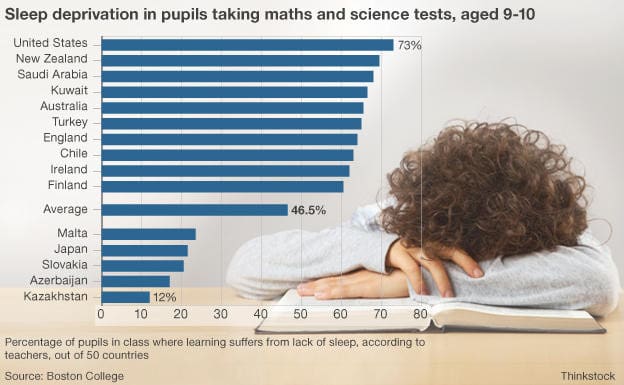
In addition to its impact on your career, sleep paralysis can also affect your academic success. If you are a student or a researcher, experiencing sleep paralysis can have serious consequences for your academic performance, productivity, and overall well-being.
Academic Performance
One of the most obvious ways in which sleep paralysis can affect your academic success is through its impact on your ability to focus and concentrate during classes, lectures, or study sessions. Poor quality sleep can impair your cognitive function, memory, and learning abilities, making it difficult for you to retain information and perform well on exams.
Furthermore, the fear and anxiety associated with sleep paralysis can exacerbate these cognitive deficits, making it even harder for you to keep up with your academic workload and achieve your full potential.
Productivity
Sleep paralysis can also have a negative impact on your productivity as a student or researcher. If you are experiencing sleep paralysis on a regular basis, you may find yourself falling behind on assignments, missing deadlines, or struggling to stay motivated and engaged with your coursework.
The fatigue and irritability caused by poor sleep can make it difficult for you to stay focused and productive, leading to decreased academic performance and lower grades. This can be particularly problematic if you are working towards a deadline or aiming to achieve a specific academic goal.
Managing Sleep Paralysis For Career And Academic Success
While sleep paralysis can certainly have a significant impact on your career and academic success, there are steps you can take to manage and overcome this challenging sleep disorder. By implementing the following strategies, you can improve your sleep quality, reduce the frequency of sleep paralysis episodes, and mitigate its effects on your professional and academic life.
Establish a Consistent Sleep Routine
One of the best ways to manage sleep paralysis is to establish a consistent sleep routine. By going to bed and waking up at the same time each day, you can regulate your body’s internal clock and promote healthy sleep patterns. This can help reduce the likelihood of experiencing sleep paralysis, as well as improve the overall quality of your sleep.
Create a Relaxing Bedtime Routine
Creating a relaxing bedtime routine can also help reduce the frequency of sleep paralysis episodes. By engaging in calming activities before bed, such as reading, listening to music, or taking a warm bath, you can signal to your body that it is time to wind down and prepare for sleep. Avoiding stimulating activities, such as watching TV or using electronic devices, can also help promote restful sleep and reduce the likelihood of sleep paralysis.
Practice Good Sleep Hygiene
Good sleep hygiene is essential for managing sleep paralysis and promoting healthy sleep. This includes creating a comfortable sleep environment, avoiding caffeine and alcohol close to bedtime, and ensuring that your bedroom is dark, quiet, and cool. By following these guidelines, you can create the optimal conditions for a restful night’s sleep and reduce the risk of experiencing sleep paralysis.
Seek Professional Help
If you are experiencing frequent or severe episodes of sleep paralysis, it may be beneficial to seek professional help. A doctor or sleep specialist can help diagnose any underlying sleep disorders or medical conditions that may be contributing to your symptoms. They can also provide guidance on treatment options, such as cognitive-behavioral therapy or medication, to help manage your sleep paralysis and improve your overall sleep quality.
Practice Stress-Relief Techniques
Stress and anxiety can exacerbate sleep paralysis, making it important to practice stress-relief techniques on a regular basis. Activities such as yoga, meditation, deep breathing exercises, or journaling can help reduce feelings of fear and anxiety, promote relaxation, and improve your mental well-being. By incorporating these techniques into your daily routine, you can better cope with the challenges of sleep paralysis and prevent it from negatively impacting your career and academic success.
Conclusion
In conclusion, sleep paralysis can have a significant impact on your career and academic success. From poor sleep quality and daytime fatigue to impaired cognitive function and decreased productivity, the effects of sleep paralysis can be far-reaching and detrimental to your professional and academic life. However, by understanding the causes and symptoms of sleep paralysis, implementing effective management strategies, and seeking professional help when needed, you can better cope with this challenging sleep disorder and prevent it from hindering your career and academic goals. By prioritizing your sleep health and well-being, you can take control of your sleep paralysis and achieve success in your chosen field.