
Have you ever experienced the unsettling sensation of being unable to move or speak upon waking up or falling asleep? If so, you may have encountered sleep paralysis. This phenomenon occurs when the body is temporarily paralyzed during the transition between sleep and wakefulness, leaving the individual fully conscious but unable to move or speak. In this article, we will explore how sleep paralysis affects the body and delve into its potential causes and treatment options. So, if you’ve ever wondered about the curious world of sleep paralysis, read on to uncover its fascinating impact on the body.

The Definition of Sleep Paralysis
What is Sleep Paralysis?
Sleep paralysis is a phenomenon that occurs during sleep, in which a person is temporarily unable to move or speak. It is often accompanied by a feeling of being awake and aware of one’s surroundings, but unable to move or react. This can be a frightening experience for those who go through it, as it can feel like being trapped in one’s own body. Sleep paralysis typically occurs during the transition between wakefulness and sleep, or vice versa.
Types of Sleep Paralysis
Sleep paralysis can be categorized into two main types: isolated sleep paralysis and recurrent sleep paralysis. Isolated sleep paralysis refers to an occurrence of sleep paralysis that happens occasionally and is not associated with any underlying medical or sleep disorder. On the other hand, recurrent sleep paralysis involves frequent episodes of sleep paralysis and may be linked to conditions such as narcolepsy or other sleep disorders.
The Experience of Sleep Paralysis
Symptoms of Sleep Paralysis
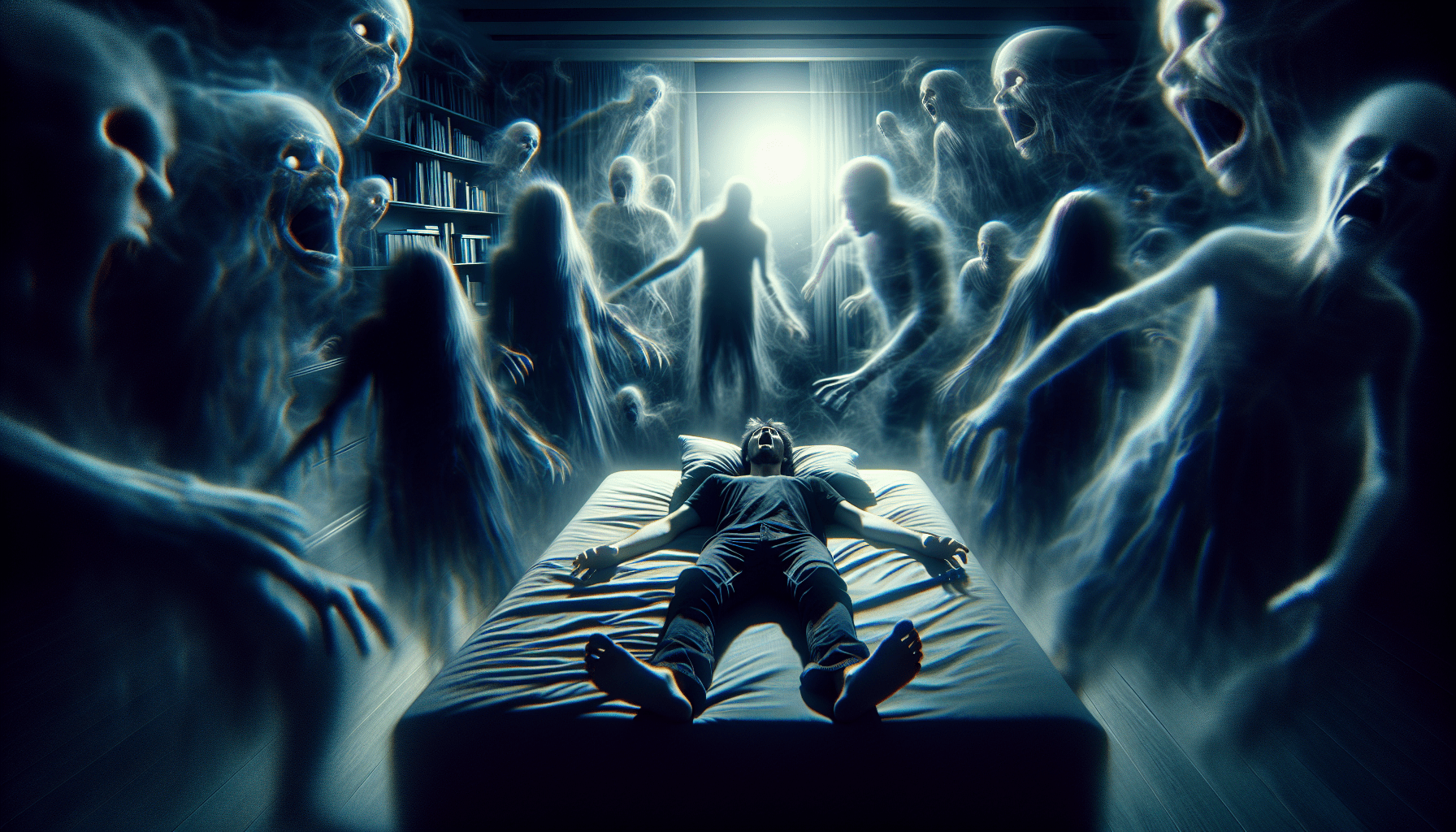
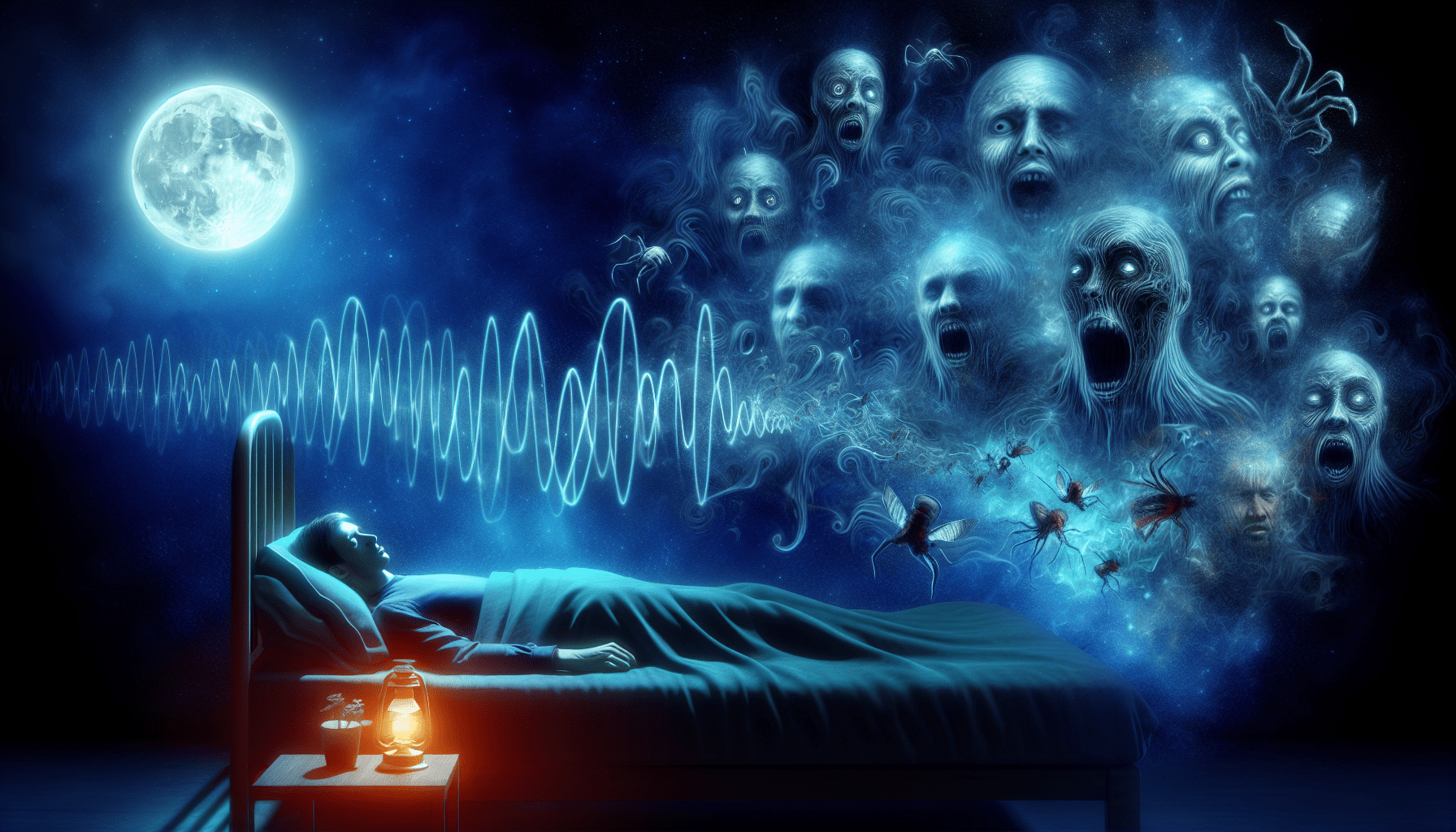
The most prominent symptom of sleep paralysis is the temporary inability to move or speak. During an episode, individuals may also report a sensation of pressure on their chest or body, as well as a feeling of impending doom or presence of a malevolent entity in the room. It is common to experience intense fear and panic during sleep paralysis episodes. Additionally, some individuals may also hallucinate vividly, seeing or hearing things that aren’t actually there.
Length and Frequency of Episodes
The duration of sleep paralysis episodes can vary, but they typically last for a few seconds to a couple of minutes. However, it is not uncommon for people to perceive these episodes as lasting longer due to the anxiety and fear associated with them. The frequency of sleep paralysis episodes can also vary greatly among individuals, with some experiencing them only once or twice in their lifetime, while others may have them more frequently, even several times a week.
Neurological Impact of Sleep Paralysis
Effect on Brain Activity
Sleep paralysis has been found to be associated with disruptions in normal brain functioning. Studies have shown that during sleep paralysis episodes, there is an increase in hyperarousal and heightened activity in brain regions responsible for emotional processing and self-awareness. This hyperarousal may contribute to the intense fear and hallucinations experienced during sleep paralysis.
Influence on Sleep Architecture
Sleep paralysis can also impact the overall structure and quality of sleep. Episodes of sleep paralysis often occur during the rapid eye movement (REM) stage of sleep, which is known as the stage where dreaming occurs. As a result, individuals who experience sleep paralysis may have fragmented and disrupted REM sleep, leading to daytime tiredness and fatigue. This disruption of sleep architecture can contribute to sleep disorders and affect overall well-being.
Psychological Effects of Sleep Paralysis
Emotional Distress
Sleep paralysis can have a significant impact on an individual’s emotional well-being. The intense fear and panic experienced during episodes can lead to increased levels of anxiety, stress, and fear of falling asleep. This can create a vicious cycle, as the fear and anxiety surrounding sleep paralysis can actually increase the likelihood of experiencing future episodes.
Impact on Mental Health
Sleep paralysis has been linked to various mental health conditions, including depression and post-traumatic stress disorder (PTSD). The distressing nature of the experience, coupled with the potential for recurring episodes, can contribute to feelings of helplessness, anxiety, and even depression. It is important for individuals experiencing sleep paralysis to seek support and treatment if these psychological effects become overwhelming.

Physical Sensations during Sleep Paralysis
Perceived Physical Pressure
One of the most notable physical sensations during sleep paralysis is the feeling of pressure on the chest or body. This sensation can vary in intensity and may vary among individuals. The pressure is often described as a “weight” or “presence” that makes breathing and moving difficult. While these sensations can be frightening, it is important to note that they are not physically harmful and will pass as the episode ends.
Difficulty Breathing
Some people may experience a sense of suffocation or difficulty breathing during sleep paralysis episodes. This sensation can be distressing and may further exacerbate feelings of fear and panic. It is crucial to remember that despite the sensation, normal breathing will resume once the episode ends. However, if breathing difficulties persist or worsen, it is important to seek medical attention to rule out any underlying respiratory conditions.
Sleep Paralysis and Sleep Disorders
Association with Narcolepsy
Sleep paralysis is commonly found in individuals with narcolepsy, a neurological disorder characterized by excessive daytime sleepiness and a tendency to fall asleep suddenly and unexpectedly. In fact, sleep paralysis is one of the hallmark symptoms of narcolepsy. The relationship between the two conditions is complex, with sleep paralysis often occurring as a result of disruptions in REM sleep regulation.
Relationship with REM Sleep Behavior Disorder
Another sleep disorder that is closely related to sleep paralysis is REM sleep behavior disorder (RBD). While sleep paralysis involves the temporary inability to move during REM sleep, RBD involves the opposite – acting out dreams physically during REM sleep, without the typical muscle paralysis. Interestingly, some individuals with RBD may experience sleep paralysis during the transition between wakefulness and REM sleep.
Sleep Paralysis and Other Medical Conditions
Connection to Anxiety and Panic Disorders
Sleep paralysis has been found to have a high prevalence among individuals with anxiety and panic disorders. The heightened emotional response and the overarching feeling of being trapped during episodes can intensify anxiety symptoms and trigger panic attacks. Managing and treating underlying anxiety disorders is crucial in minimizing the occurrence and impact of sleep paralysis.
Potential Correlation with Sleep Apnea
There is some evidence suggesting a potential correlation between sleep paralysis and sleep apnea, a sleep disorder characterized by interrupted breathing during sleep. Both conditions can disrupt normal sleep patterns and contribute to feelings of fatigue and tiredness. While more research is needed to establish a definitive link, it is important for individuals experiencing sleep paralysis to consult with a healthcare professional to rule out any underlying medical conditions.
Sleep Paralysis Triggers and Risk Factors
Sleep Deprivation and Irregular Sleep Patterns
Sleep deprivation and irregular sleep patterns have been identified as common triggers for sleep paralysis. Disrupting the body’s natural sleep-wake cycle can increase the likelihood of experiencing sleep paralysis episodes. Establishing consistent sleep routines and prioritizing adequate sleep can help reduce the frequency of sleep paralysis episodes.
Stress and Sleep Paralysis
Stress has been shown to play a significant role in the occurrence and severity of sleep paralysis episodes. High levels of stress can disrupt sleep patterns and increase the likelihood of experiencing sleep paralysis. Incorporating stress management techniques such as meditation, exercise, and relaxation exercises into daily routines can help reduce stress levels and minimize the impact of sleep paralysis.
Treatment Options for Sleep Paralysis
Improving Sleep Hygiene
One of the first steps in managing sleep paralysis is to prioritize good sleep hygiene. This involves establishing a regular sleep schedule, creating a soothing sleep environment, and avoiding stimulants such as caffeine and electronic devices close to bedtime. Creating a calming bedtime routine can also help signal to the body and mind that it is time to relax and prepare for sleep.
Medical Interventions
For individuals experiencing frequent and distressing sleep paralysis episodes, medical interventions may be necessary. Sleep specialists may recommend medication to regulate sleep-wake cycles and decrease the occurrence of sleep paralysis. Additionally, therapy options, such as cognitive-behavioral therapy for insomnia (CBT-I), can help address underlying sleep issues and manage the psychological impact of sleep paralysis.
Coping Strategies for Sleep Paralysis
Relaxation Techniques
Engaging in relaxation techniques can be beneficial in managing sleep paralysis episodes. Deep breathing exercises, progressive muscle relaxation, and guided imagery can all help calm the mind and body during episodes. These techniques can not only help reduce the intensity of the physical sensations but also decrease anxiety and fear, allowing for a quicker resolution of the episode.
Supportive Measures
Seeking support from loved ones or joining support groups for individuals experiencing sleep paralysis can be instrumental in coping with the condition. Sharing experiences and learning from others who have gone through similar situations can provide comfort and reassurance. Additionally, psychotherapy can help individuals develop coping mechanisms and alleviate the psychological impact of sleep paralysis.
In conclusion, sleep paralysis is a phenomenon that can have significant effects on both the body and mind. It is important for individuals experiencing sleep paralysis to understand that while it can be a distressing experience, it is not physically harmful. Seeking medical guidance and support can help manage the condition, improve sleep quality, and minimize the psychological impact. By implementing proper sleep hygiene practices, addressing underlying medical conditions, and utilizing coping strategies, individuals can find relief and regain control over their sleep experiences.