Welcome to a fascinating exploration of the diverse cultural perspectives on sleep paralysis symptoms. As you delve into this article, you will learn about the different interpretations and beliefs surrounding this puzzling phenomenon from various cultures around the world. From folklore and superstitions to scientific explanations, you will gain a deeper understanding of how different societies perceive and experience sleep paralysis. Get ready to broaden your horizons and discover the rich tapestry of beliefs and traditions that shape our understanding of this mysterious sleep disorder. Have you ever experienced sleep paralysis? It can be a scary and confusing phenomenon where you are unable to move or speak while falling asleep or waking up. This article will explore diverse cultural perspectives on sleep paralysis symptoms, shedding light on how different cultures interpret and understand this common yet mysterious experience.
Understanding Sleep Paralysis Across Cultures
Sleep paralysis is a universal phenomenon that has been reported by people from all around the world. However, the way it is interpreted and understood can vary greatly depending on cultural beliefs and practices. Let’s take a closer look at some diverse cultural perspectives on sleep paralysis symptoms.
In many Western cultures, sleep paralysis is often viewed through a scientific lens, attributed to factors such as stress, sleep deprivation, and irregular sleep patterns. On the other hand, in many Asian cultures, sleep paralysis is often seen as a spiritual or supernatural experience, with connections to ghosts, demons, or otherworldly beings.
Western Cultural Perspectives
In Western cultures, sleep paralysis is often explained by science and medicine. It is believed to occur when the brain wakes up from REM sleep but the body remains paralyzed, a condition known as REM atonia. This can happen due to disruptions in the sleep cycle, stress, anxiety, or other psychological factors.
Asian Cultural Perspectives
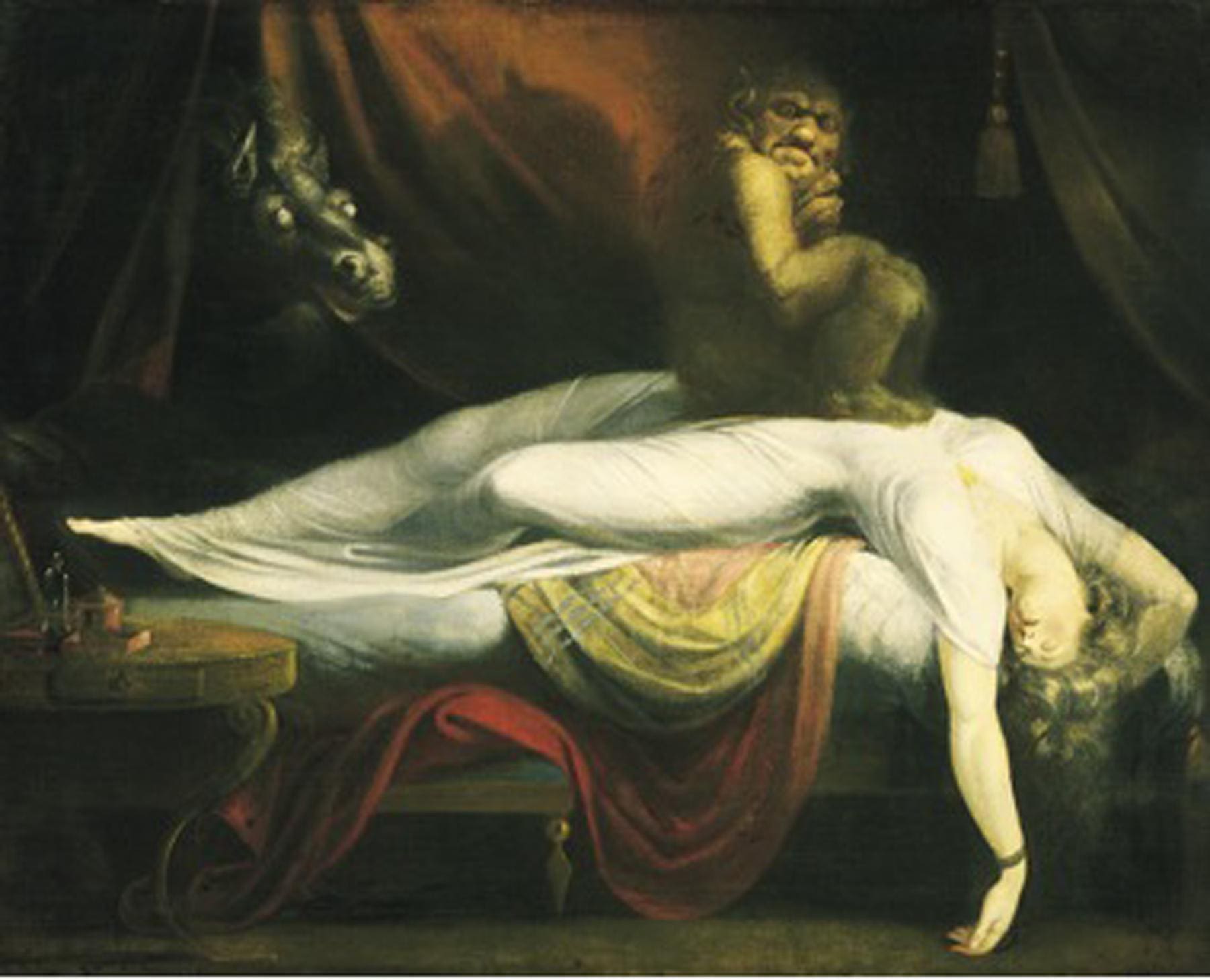
In many Asian cultures, sleep paralysis is often seen as a spiritual or supernatural phenomenon. It is believed that during sleep paralysis, the person’s soul or spirit is vulnerable to outside influences, such as malevolent spirits, demons, or ghosts. This belief is deeply rooted in cultural folklore and traditional beliefs.
Symptoms of Sleep Paralysis
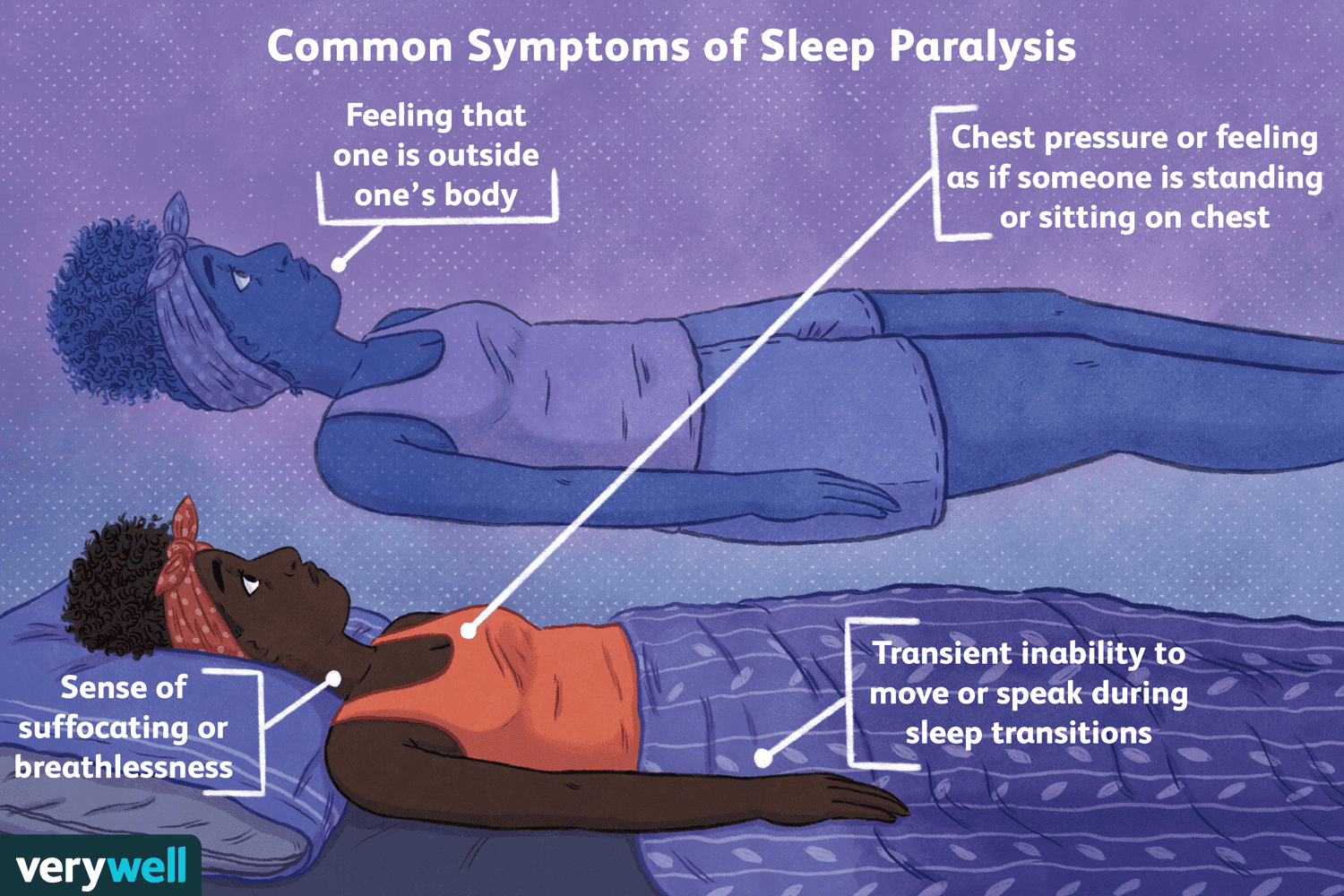
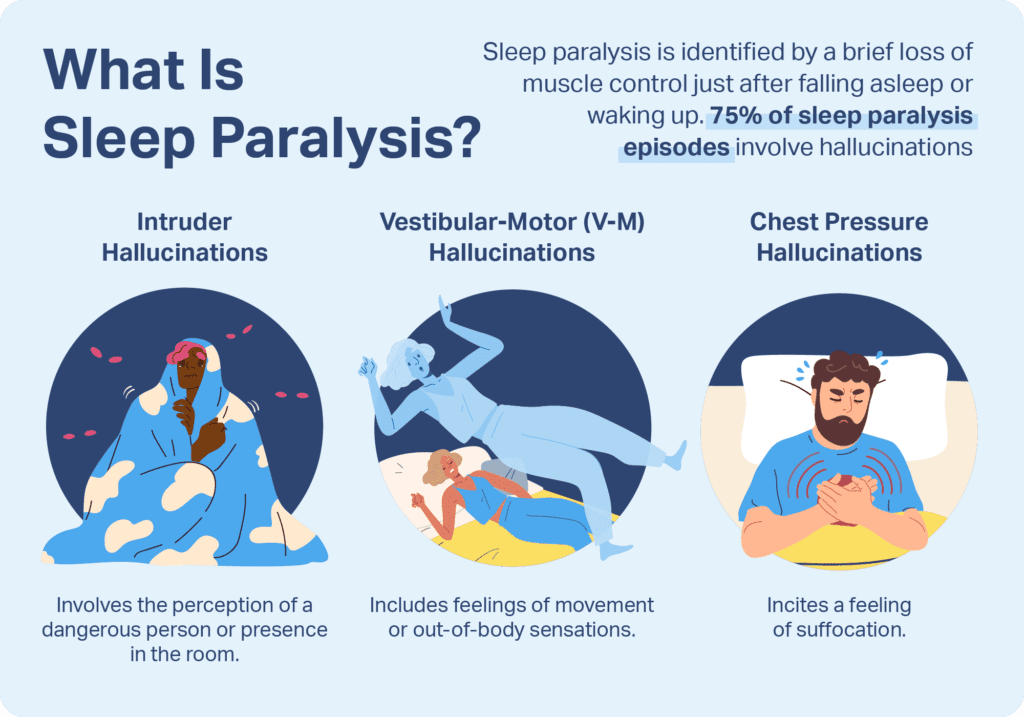
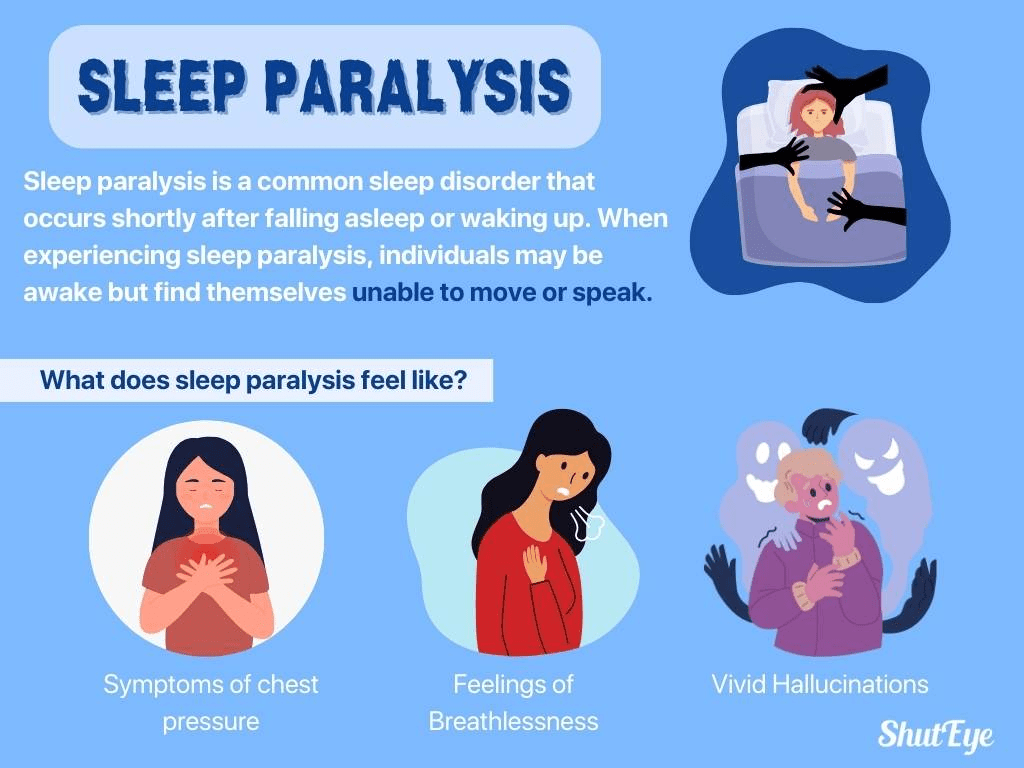
Sleep paralysis can manifest in various symptoms, regardless of cultural beliefs or backgrounds. While the experience may differ from person to person, there are some common symptoms that are often reported during episodes of sleep paralysis.
Inability to Move or Speak
The most prominent symptom of sleep paralysis is the inability to move or speak while conscious. This can be a terrifying experience as you are fully aware of your surroundings but unable to control your body or vocalize your thoughts.
Hallucinations
Hallucinations are another common symptom of sleep paralysis. These hallucinations can range from visual, auditory, or tactile sensations, often manifesting as frightening or surreal experiences. People may report seeing shadowy figures, hearing strange noises, or feeling a presence in the room.
Sense of Pressure or Choking
Many people also report feeling a sense of pressure on their chest or a feeling of being choked during sleep paralysis. This sensation can add to the fear and discomfort of the experience, making it even more distressing for those who suffer from it.
Coping Mechanisms and Remedies
Dealing with sleep paralysis can be challenging, especially if you experience it frequently or if it causes significant distress. While there is no definitive cure for sleep paralysis, there are some coping mechanisms and remedies that you can try to help alleviate symptoms and improve your sleep quality.
Improve Sleep Hygiene
Maintaining good sleep hygiene is crucial for managing sleep paralysis symptoms. This includes establishing a consistent sleep schedule, creating a calming bedtime routine, and ensuring your sleep environment is conducive to a restful night’s sleep.
Manage Stress and Anxiety
Stress and anxiety can exacerbate sleep paralysis symptoms, so managing these factors is essential. Practice relaxation techniques such as deep breathing, meditation, or yoga to reduce stress levels and promote a sense of calm before bedtime.
Seek Professional Help
If sleep paralysis is significantly impacting your quality of life or if you experience other sleep disorders, it may be beneficial to seek help from a healthcare professional. A sleep specialist or therapist can provide guidance and support in managing and coping with your symptoms.
Cultural Remedies and Practices
Across different cultures, there are various remedies and practices that are believed to help prevent or alleviate sleep paralysis symptoms. While these may not have scientific evidence to support their effectiveness, they are deeply ingrained in cultural traditions and beliefs.
Western Herbal Remedies
In Western cultures, certain herbal remedies are believed to promote relaxation and improve sleep quality, which may help reduce the frequency of sleep paralysis episodes. Common herbs such as valerian root, chamomile, or lavender are often used in teas or supplements to induce a sense of calm before bedtime.
Asian Rituals and Ceremonies
In many Asian cultures, rituals and ceremonies are performed to ward off evil spirits or negative energies that are believed to cause sleep paralysis. These practices often involve incense, prayers, and offerings to appease spirits and protect the individual from harm during sleep.
Indigenous Healing Practices
In indigenous cultures around the world, healing practices such as shamanic rituals, energy work, or plant medicine are utilized to address sleep paralysis symptoms. These practices often involve connecting with the spiritual realm and seeking guidance from ancestors or spirit guides to overcome the challenges of sleep paralysis.
Conclusion
Sleep paralysis is a complex and multifaceted phenomenon that can have a profound impact on individuals from a variety of cultural backgrounds. By understanding diverse cultural perspectives on sleep paralysis symptoms, we can gain insight into the different ways in which this experience is interpreted and addressed around the world.
Whether you view sleep paralysis through a scientific lens or a spiritual perspective, it is essential to find coping mechanisms and remedies that work for you. By taking care of your physical, mental, and spiritual well-being, you can navigate the challenges of sleep paralysis and improve your overall sleep quality and health. Remember, you are not alone in this experience, and there are resources and support available to help you through it.