
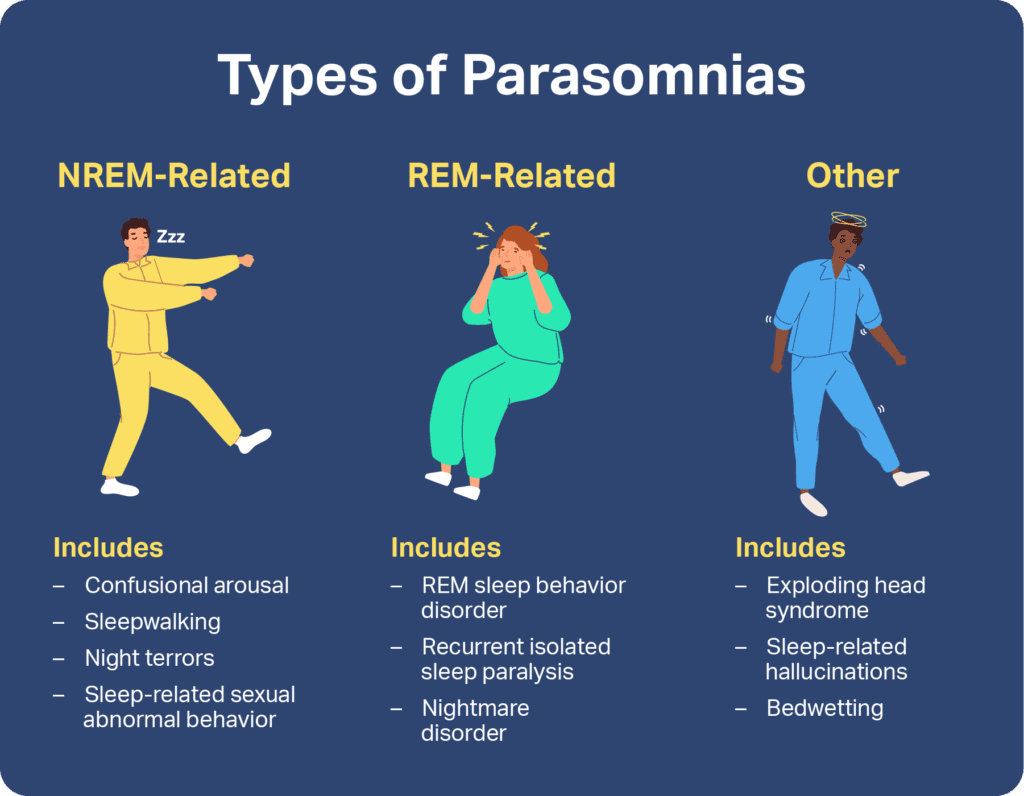
Welcome to an insightful article that explores the connection between sleep paralysis and sleep disorders in children. Sleep paralysis, a temporary inability to move or speak while falling asleep or waking up, can be a distressing experience for children and parents alike. Research has shown a potential correlation between sleep paralysis and various sleep disorders such as insomnia, sleepwalking, and night terrors in children. Understanding this link can help parents and healthcare providers better support children who may be experiencing these sleep disturbances. Stay tuned to learn more about the fascinating relationship between sleep paralysis and sleep disorders in children. Have you ever woken up in the middle of the night unable to move, feeling like you’re being held down, and experiencing hallucinations? This terrifying experience is known as sleep paralysis, and it can be especially alarming when it happens to children. In this article, we will explore the link between sleep paralysis and sleep disorders in children and how parents can help their little ones navigate through these challenges.
Understanding Sleep Paralysis in Children
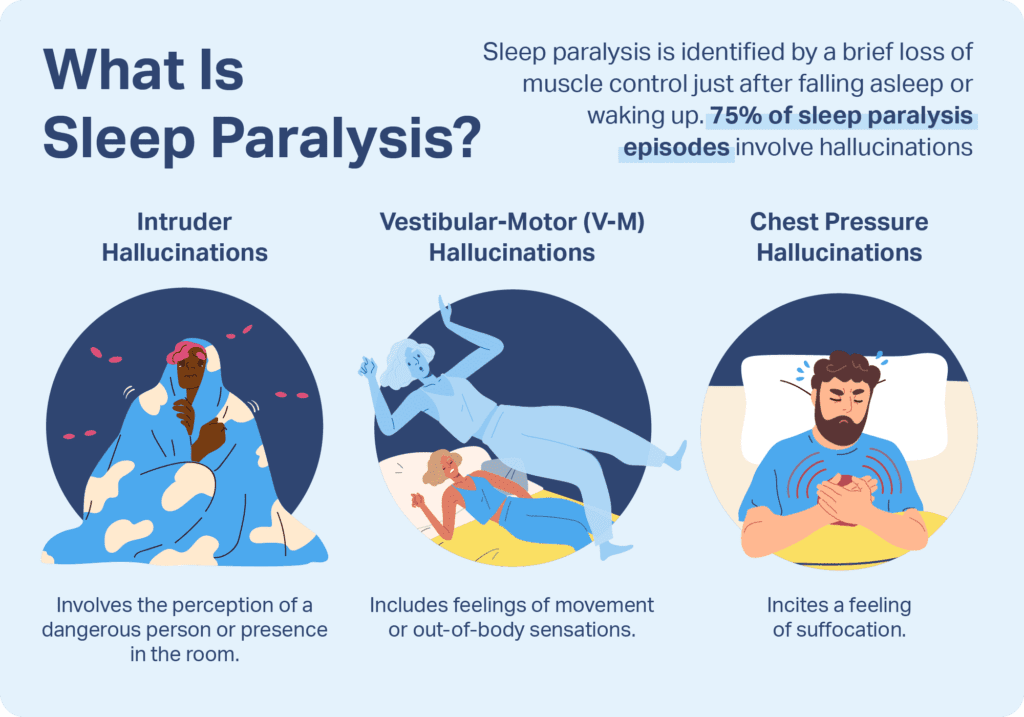
Sleep paralysis is a phenomenon in which a person experiences a temporary inability to move or speak while falling asleep or waking up. It is often accompanied by vivid hallucinations and a sense of pressure on the chest. While sleep paralysis is relatively common in adults, it can also affect children, although it is less frequently reported in this age group.
Children who experience sleep paralysis may feel frightened and confused by the sensation of being unable to move or speak. They may also report seeing or hearing things that aren’t there, which can be particularly distressing for young minds. Understanding the symptoms and triggers of sleep paralysis in children is essential for parents and caregivers.
Symptoms of Sleep Paralysis in Children
The symptoms of sleep paralysis in children are similar to those experienced by adults but may manifest differently due to their age and developmental stage. Some common symptoms of sleep paralysis in children include:
- Inability to move or speak upon waking up
- Feeling like someone is sitting on their chest
- Seeing or hearing things that aren’t there
- Feeling intense fear or panic
- Shortness of breath or rapid heartbeat
If your child is experiencing these symptoms regularly, it is essential to seek medical attention to rule out any underlying sleep disorders or other health conditions.
Talking to Your Child About Sleep Paralysis
It is essential to create an open and supportive dialogue with your child about their experiences with sleep paralysis. Encourage them to share their feelings and fears with you without judgment. Let them know that sleep paralysis is a common phenomenon and that they are not alone in experiencing it.
Reassure your child that sleep paralysis is a natural occurrence that happens to many people, and it is not a sign of anything dangerous or harmful. Offer comfort and understanding when they feel scared or confused about their experiences. Talking openly about sleep paralysis can help alleviate any anxiety or fear your child may have about going to sleep.
The Link Between Sleep Paralysis and Sleep Disorders in Children
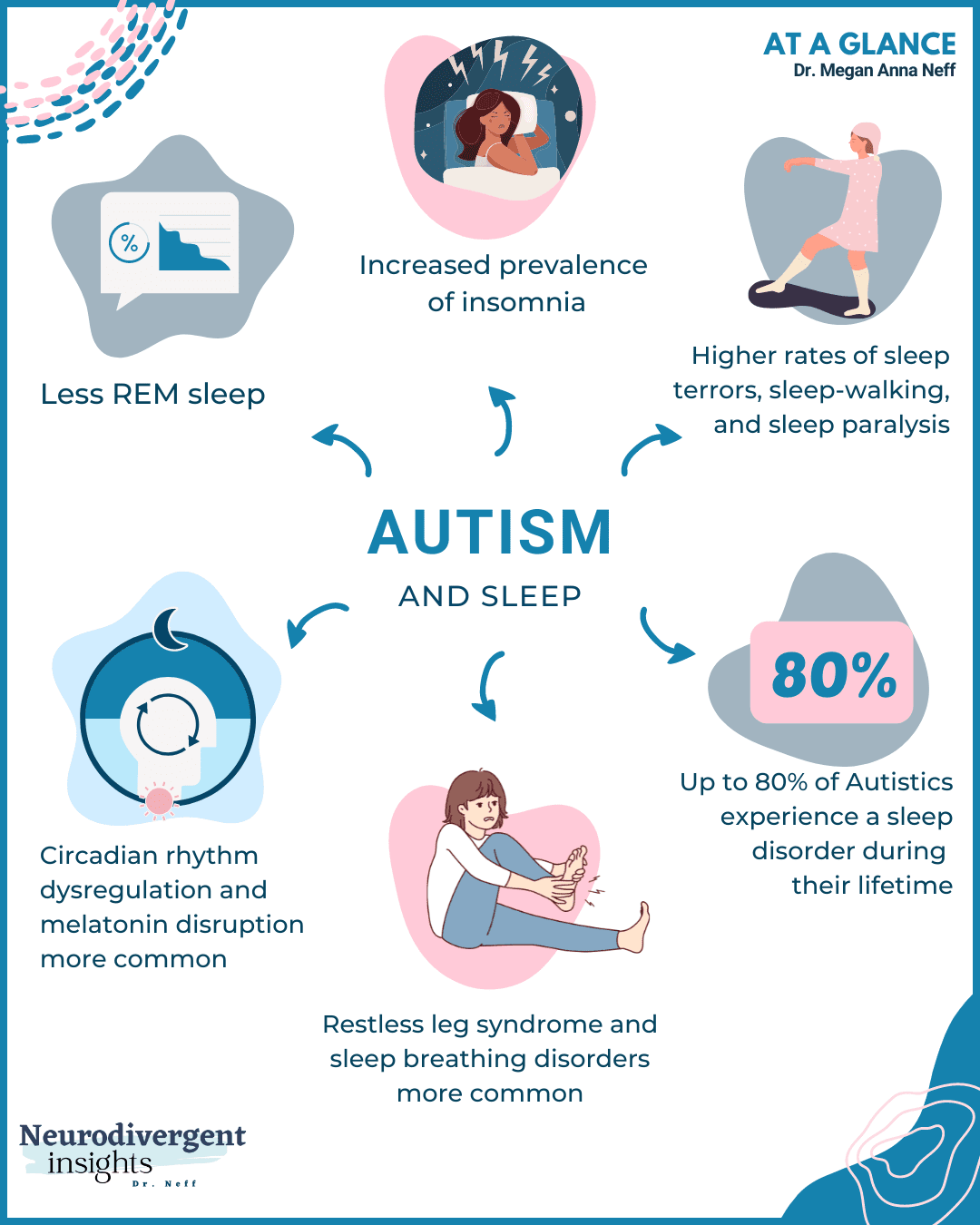
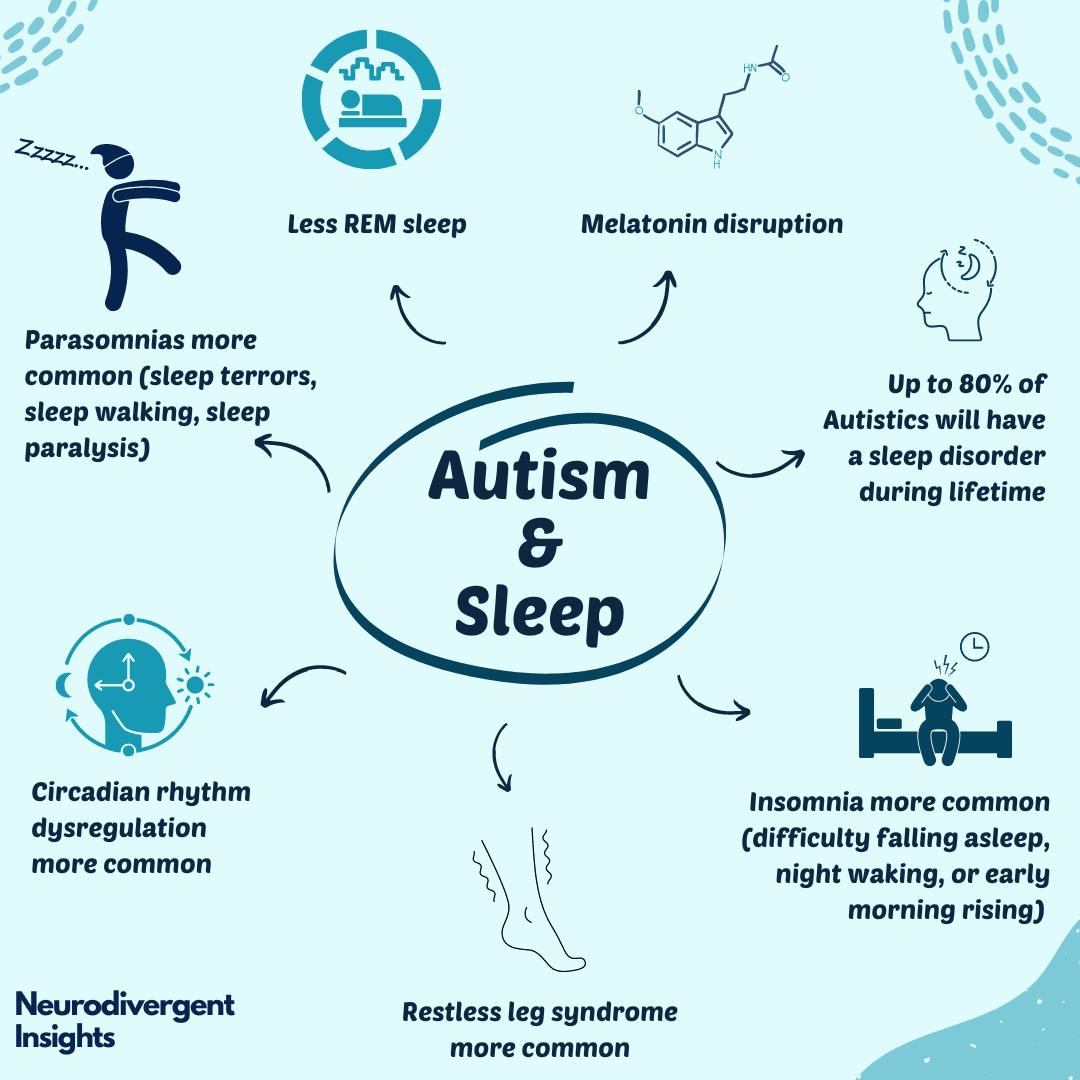
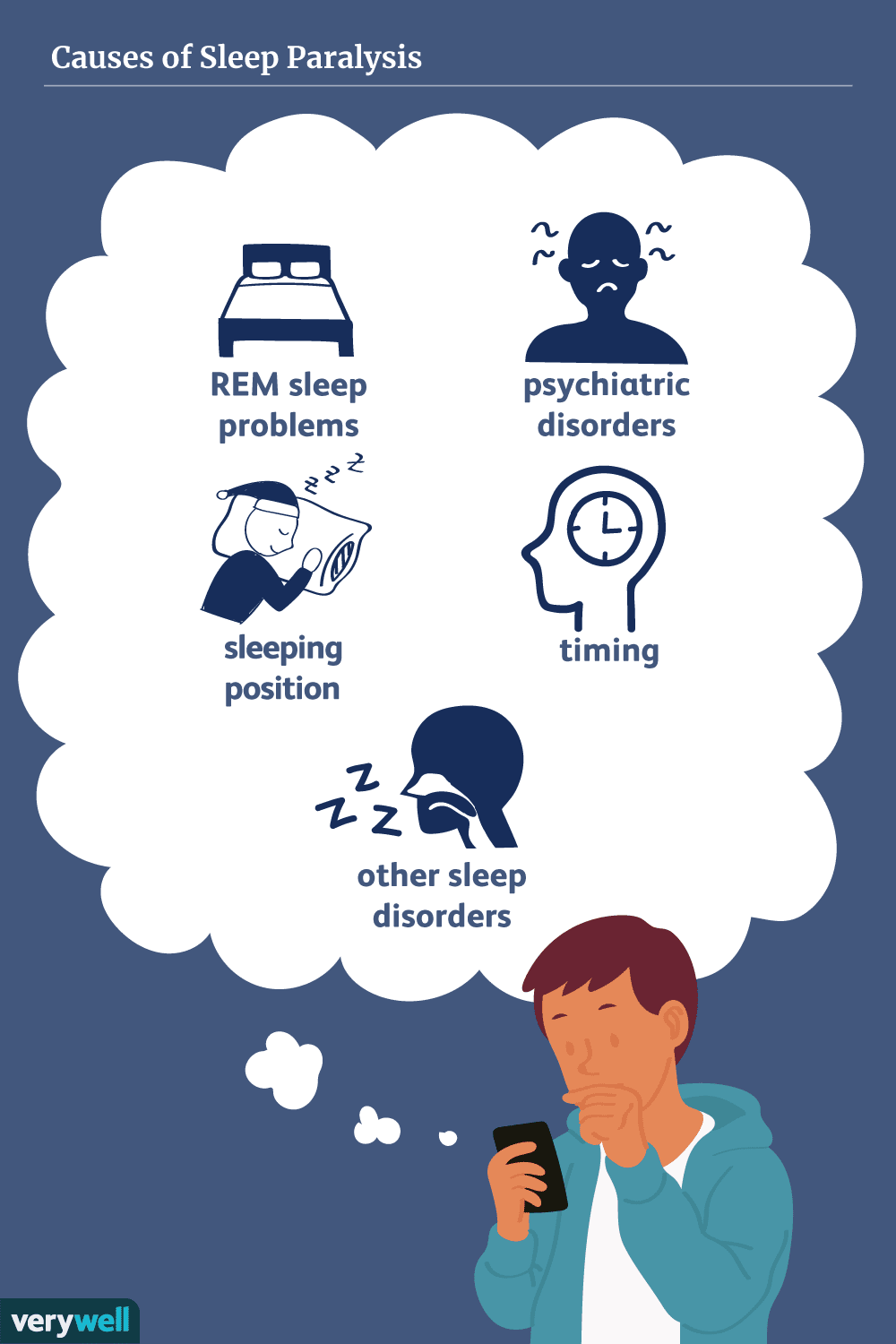
While sleep paralysis is often considered a standalone phenomenon, it can also be linked to various sleep disorders in children. Children who experience frequent episodes of sleep paralysis may be at higher risk of developing sleep-related conditions, such as:
- Insomnia
- Sleep apnea
- Narcolepsy
- REM sleep behavior disorder
Understanding the connection between sleep paralysis and these sleep disorders is crucial for both parents and healthcare providers to provide proper treatment and support for affected children.
Impact of Sleep Disorders on Children’s Health
Sleep disorders can have a significant impact on children’s overall health and well-being. Chronic sleep deprivation can lead to various physical and mental health issues, including:
- Impaired cognitive function and academic performance
- Behavioral problems and mood disorders
- Increased risk of obesity and metabolic disorders
- Weakened immune system and susceptibility to illnesses
Identifying and addressing sleep disorders in children, including those associated with sleep paralysis, is essential for promoting healthy sleep habits and ensuring optimal development and growth.
Diagnosing and Treating Sleep Paralysis and Sleep Disorders in Children
Diagnosing sleep paralysis and related sleep disorders in children can be challenging due to the complex nature of these conditions. Healthcare providers may use a combination of medical history, sleep studies, and physical exams to determine the underlying causes of sleep disturbances in children.
Sleep Studies
Sleep studies, also known as polysomnography, are often used to monitor children’s sleep patterns and detect abnormalities that may be contributing to their sleep disorders. During a sleep study, your child will spend the night in a sleep laboratory while being monitored by healthcare professionals to assess various aspects of their sleep, such as brain activity, breathing patterns, and movement.
Treatment Options
The treatment options for sleep paralysis and sleep disorders in children may vary depending on the underlying causes and severity of symptoms. Some common treatment approaches include:
- Establishing a consistent bedtime routine and sleep schedule
- Creating a calm and comfortable sleep environment free of distractions and noise
- Cognitive-behavioral therapy to manage anxiety and stress related to sleep disturbances
- Medications to regulate sleep-wake cycles and improve overall sleep quality
It is essential to work closely with your child’s healthcare provider to develop a customized treatment plan that addresses their specific needs and preferences.
Tips for Parents to Help Children Cope with Sleep Paralysis
As a parent, it can be challenging to see your child struggle with sleep paralysis and related sleep disorders. Here are some tips to help your child cope with these experiences and promote healthy sleep habits:
Create a Relaxing Bedtime Routine
Establishing a calming bedtime routine can help your child wind down and prepare for a restful night’s sleep. Incorporate activities such as reading, gentle stretching, or listening to soothing music to help them relax and feel ready for bed.
Encourage Good Sleep Hygiene
Good sleep hygiene practices can promote healthy sleep habits and reduce the risk of sleep disturbances in children. Ensure that your child’s sleep environment is conducive to restful sleep by keeping the room dark, quiet, and at a comfortable temperature.
Address Underlying Stress and Anxiety
Children may experience sleep paralysis or sleep disorders as a result of stress, anxiety, or other emotional issues. Encourage your child to talk about their feelings and concerns, and work together to find healthy coping strategies to manage stress and anxiety.
Seek Professional Help
If your child continues to experience sleep paralysis or sleep disturbances despite your best efforts, it may be beneficial to seek help from a healthcare provider or sleep specialist. They can perform a thorough evaluation and recommend appropriate treatment options to address your child’s sleep-related issues.
Stay Supportive and Understanding
Above all, it is essential to remain supportive and understanding of your child’s experiences with sleep paralysis and sleep disorders. Offer comfort, reassurance, and encouragement as they navigate through these challenges and work towards better sleep health.
Conclusion
In conclusion, sleep paralysis can be a frightening experience for children, but with proper understanding and support from parents and caregivers, they can learn to cope with these challenges and achieve healthy sleep habits. By recognizing the link between sleep paralysis and sleep disorders in children, we can take proactive steps to address any underlying issues and promote better sleep quality and overall well-being for our little ones. Remember to create an open dialogue with your child about their sleep experiences, seek professional help when needed, and prioritize good sleep hygiene practices to help them get the rest they need to thrive.