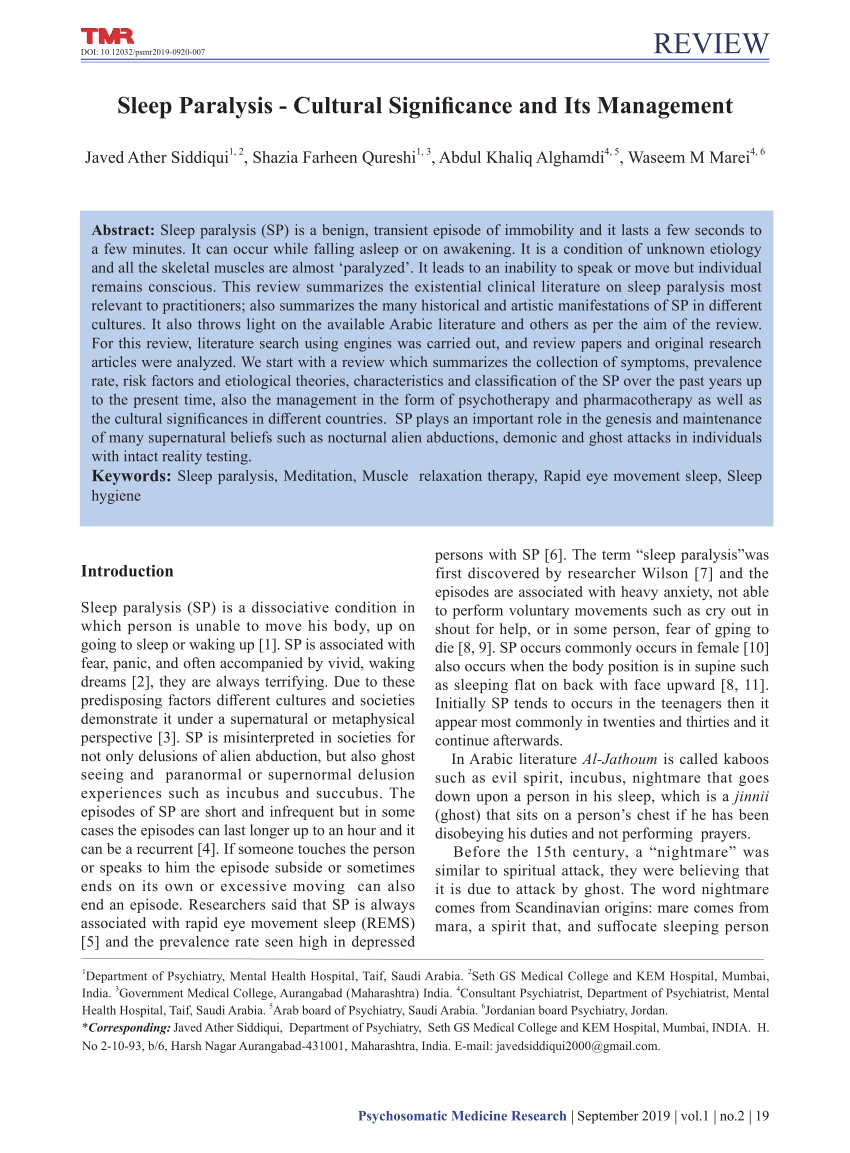
In today’s interconnected world, globalization has profoundly influenced cultural perspectives on various aspects of life, including sleep paralysis. As people from different cultures and backgrounds interact more frequently and share their experiences, a fascinating blend of beliefs and explanations surrounding sleep paralysis has emerged. This article explores how globalization has shaped cultural interpretations of this unsettling phenomenon, shedding light on the diverse perspectives and unique explanations found around the world. Whether you’re familiar with sleep paralysis or intrigued by cultural variations, join us as we uncover the intriguing impact of globalization on our understanding of this mysterious phenomenon.
Impact of Globalization on Cultural Perspectives on Sleep Paralysis
Introduction to the topic
Sleep paralysis is a phenomenon that has intrigued and perplexed individuals throughout history. It is a state of temporary muscle paralysis that occurs during the transition between sleep and wakefulness, leaving individuals unable to move or speak. What makes sleep paralysis even more fascinating is the wide range of cultural perspectives and interpretations that exist around the world. The impact of globalization on these cultural perspectives is a topic worth exploring, as it sheds light on how the world has become interconnected and how cultural beliefs and practices have evolved over time.
Cultural perspectives on sleep paralysis in different regions
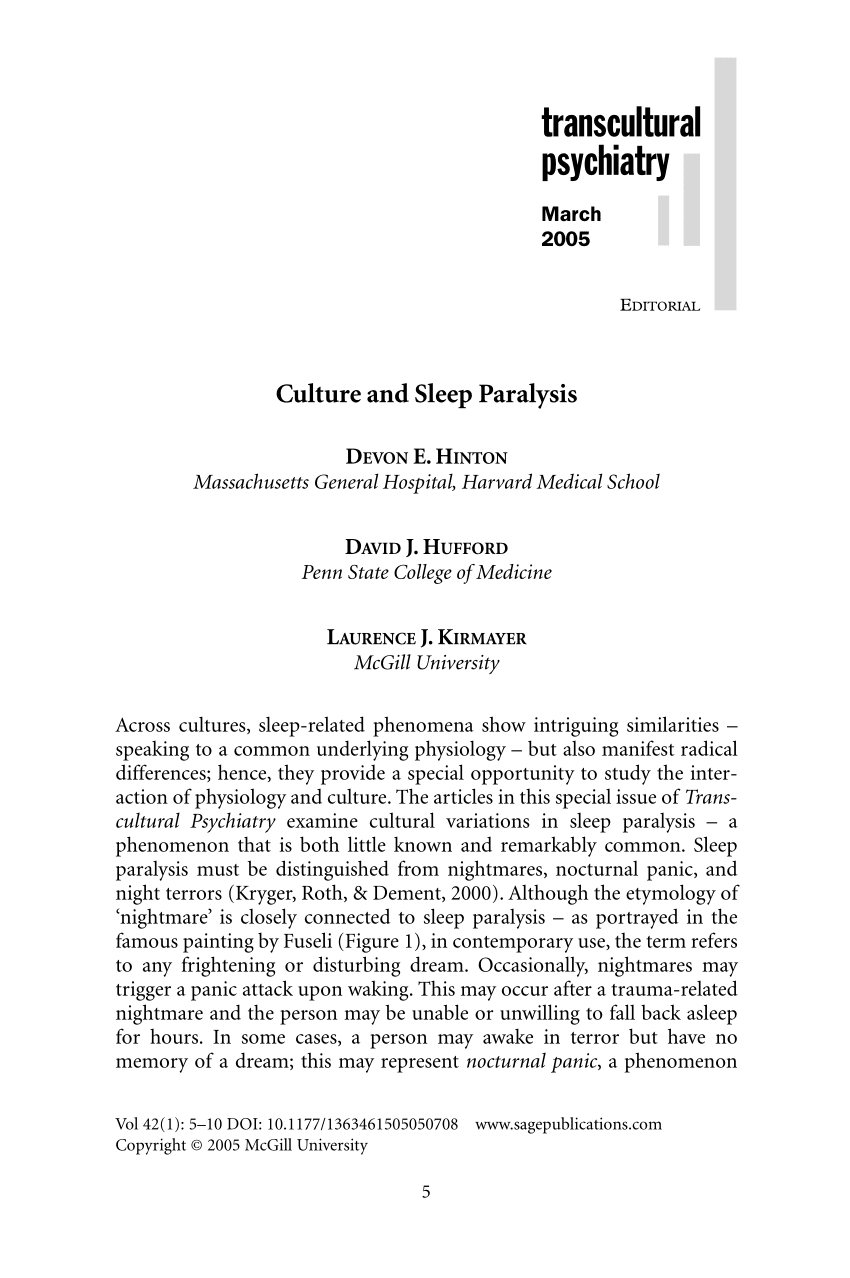
Cultural perspectives on sleep paralysis vary significantly across different regions. In some cultures, sleep paralysis is interpreted as a supernatural experience, attributed to supernatural beings or spirits that visit individuals during sleep. These cultural beliefs often include explanations of the origin and purpose of sleep paralysis, offering comfort or reassurance to those who experience it. In other cultures, sleep paralysis may be seen as a medical condition, requiring scientific explanations and medical interventions. The diverse cultural perspectives on sleep paralysis provide a rich tapestry of beliefs and interpretations that offer unique insights into human experiences and perceptions.
Effect of globalization on cultural beliefs and interpretations
As the world becomes increasingly globalized, cultural beliefs and interpretations are not immune to change. The exposure to different cultures and ideas that comes with globalization has led to a blending of beliefs and a reevaluation of cultural perspectives on sleep paralysis. Traditional interpretations may be influenced or replaced by new ideas, leading to a shift in how sleep paralysis is understood and interpreted in different cultures. This blending of beliefs can be both enriching and challenging, as it encourages the exchange of ideas but also raises questions about the preservation of cultural heritage and identity.
Western influence on cultural perspectives
One significant aspect of globalization is the influence of Western culture on traditional cultural perspectives. The dominance of Western media, technology, and scientific advancements has played a crucial role in shaping how sleep paralysis is perceived in many parts of the world. Western scientific explanations have gained prominence, often overshadowing traditional beliefs. This influence can be seen in both urban and rural areas, where Western ideas of sleep paralysis are disseminated through various channels such as television, the internet, and educational institutions. As a result, traditional cultural perspectives may be marginalized or even forgotten, leading to a loss of cultural diversity and heritage.
Cross-cultural exchange and its impact
While Western influences are pervasive, globalization has also facilitated cross-cultural exchanges that have led to a more nuanced understanding of sleep paralysis. As different cultures interact and share their beliefs and interpretations, a more comprehensive and inclusive understanding of sleep paralysis can emerge. This cross-cultural exchange not only challenges existing beliefs but also enriches cultural perspectives, fostering a greater appreciation of the diversity of human experiences. By embracing and valuing different viewpoints, globalization can contribute to a more holistic and inclusive understanding of sleep paralysis.
Technological advancements and changing perceptions
Technological advancements, a hallmark of globalization, have played a significant role in shaping cultural perspectives on sleep paralysis. With the proliferation of the internet and social media, individuals now have easy access to information from around the world. This has led to the dissemination of diverse viewpoints, and individuals are now exposed to a wide range of cultural interpretations and explanations for sleep paralysis. The availability of online forums and support groups also allows individuals to connect with others who have similar experiences, making it easier to share stories and gain a deeper understanding of sleep paralysis. As technology continues to advance, the impact on cultural perspectives is likely to increase, further shaping how sleep paralysis is understood and discussed.
Global access to information and awareness
Globalization has also led to increased global access to information and awareness about sleep paralysis. In the past, cultural perspectives on sleep paralysis were often confined to specific regions or communities, with limited opportunities for dissemination beyond those boundaries. However, with the advent of the internet and the ease of access to information, individuals from all over the world can now learn about different cultural perspectives on sleep paralysis. This access to information has not only increased awareness but has also fostered a sense of interconnectedness, as individuals realize that their experiences are shared by others across the globe.
Changes in treatment approaches
Globalization has also had an impact on the treatment approaches for sleep paralysis. With the exchange of medical knowledge and practices across borders, different cultures have been exposed to various therapeutic modalities. Traditional treatments, such as herbal remedies or spiritual practices, may now be supplemented or replaced by Western medical interventions, such as medications or counseling. While these advancements in treatment options can bring about positive changes and offer relief to those who suffer from sleep paralysis, there is also a concern that traditional healing practices may be overshadowed or forgotten, posing challenges to the preservation of cultural heritage.
Emergence of new cultural practices
As cultural perspectives continue to evolve due to globalization, new cultural practices surrounding sleep paralysis have emerged. These practices may blend traditional beliefs with contemporary influences or may arise from the synthesis of different cultural perspectives. For example, individuals may incorporate rituals or ceremonies from different cultures to alleviate sleep paralysis or seek guidance from spiritual healers who incorporate both traditional and Western approaches. These new cultural practices highlight the dynamic nature of cultural perspectives and demonstrate how globalization can contribute to the creation of unique and innovative solutions.
Struggles to preserve traditional cultural perspectives
While globalization brings about many benefits and opportunities for cultural exchange, it also poses challenges to preserving traditional cultural perspectives on sleep paralysis. As Western influences become more dominant, traditional beliefs and practices may face the risk of being marginalized or even lost. The younger generations, in particular, may gravitate towards Western interpretations, leading to the erosion of cultural heritage. Efforts to preserve traditional cultural perspectives are therefore crucial to maintaining the diversity of beliefs and practices surrounding sleep paralysis. This can be done through the documentation of cultural practices, the promotion of cultural education, and the recognition and respect of traditional beliefs within broader society.
Conclusion
Globalization has had a profound impact on cultural perspectives on sleep paralysis. It has influenced how sleep paralysis is perceived and interpreted across different regions, with Western influences often overshadowing traditional beliefs. However, globalization has also fostered cross-cultural exchange, allowing for a more comprehensive understanding of sleep paralysis. Technological advancements have further shaped how sleep paralysis is understood, increasing global access to information and awareness. Changes in treatment approaches and the emergence of new cultural practices demonstrate the dynamic nature of cultural perspectives. Despite the challenges to preserving traditional beliefs, efforts must be made to embrace cultural diversity and to safeguard the rich tapestry of beliefs and practices surrounding sleep paralysis. Through continued dialogue and mutual respect, cultural perspectives on sleep paralysis can continue to evolve while honoring and preserving their cultural authenticity.