Cultural Differences In The Portrayal Of Sleep Paralysis In Literature
Have you ever experienced the terrifying phenomenon of sleep paralysis? Did you know that the way sleep paralysis is portrayed in literature can vary greatly depending on the cultural context? Let’s explore the fascinating world of cultural differences in the portrayal of sleep paralysis in literature.
Understanding Sleep Paralysis
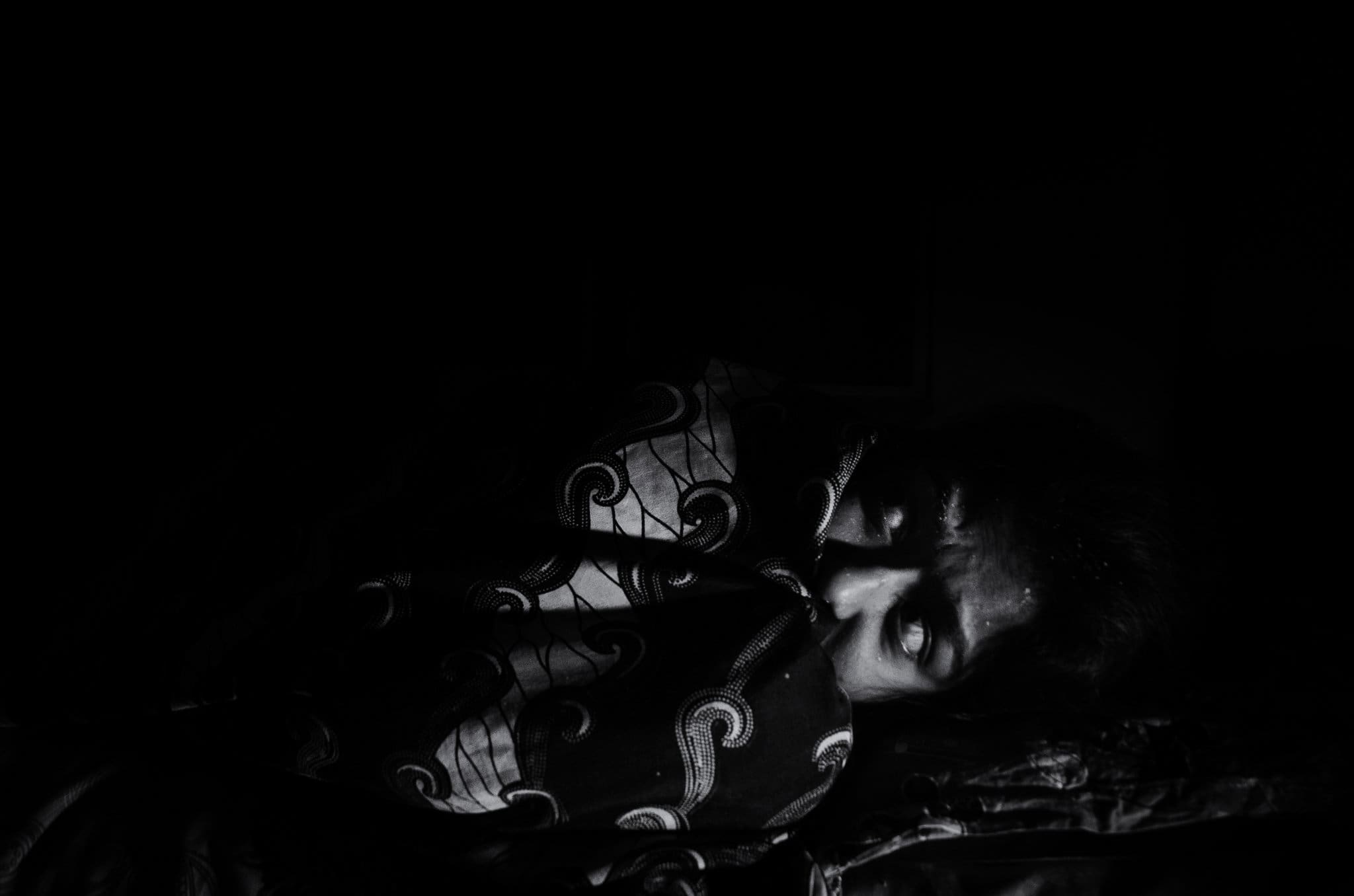
Sleep paralysis is a phenomenon in which a person is temporarily unable to move or speak while falling asleep or waking up. It is often accompanied by a feeling of pressure on the chest and intense fear. Sleep paralysis is believed to be caused by a disruption in the REM (rapid eye movement) stage of sleep.
What is Sleep Paralysis?
Sleep paralysis is a common experience that can be terrifying for those who encounter it. It is crucial to understand the physical and psychological aspects of sleep paralysis to comprehend its portrayal in literature.
Cultural Beliefs and Interpretations
Cultural beliefs and interpretations play a significant role in how sleep paralysis is perceived and portrayed in literature. Different cultures have varying explanations for the phenomenon and its accompanying sensations.
Cultural Beliefs Influence Perception
Cultural beliefs regarding sleep paralysis can influence how individuals interpret the experience. Some cultures view sleep paralysis as a spiritual encounter, while others see it as a purely physiological phenomenon.
Sleep Paralysis in Western Literature
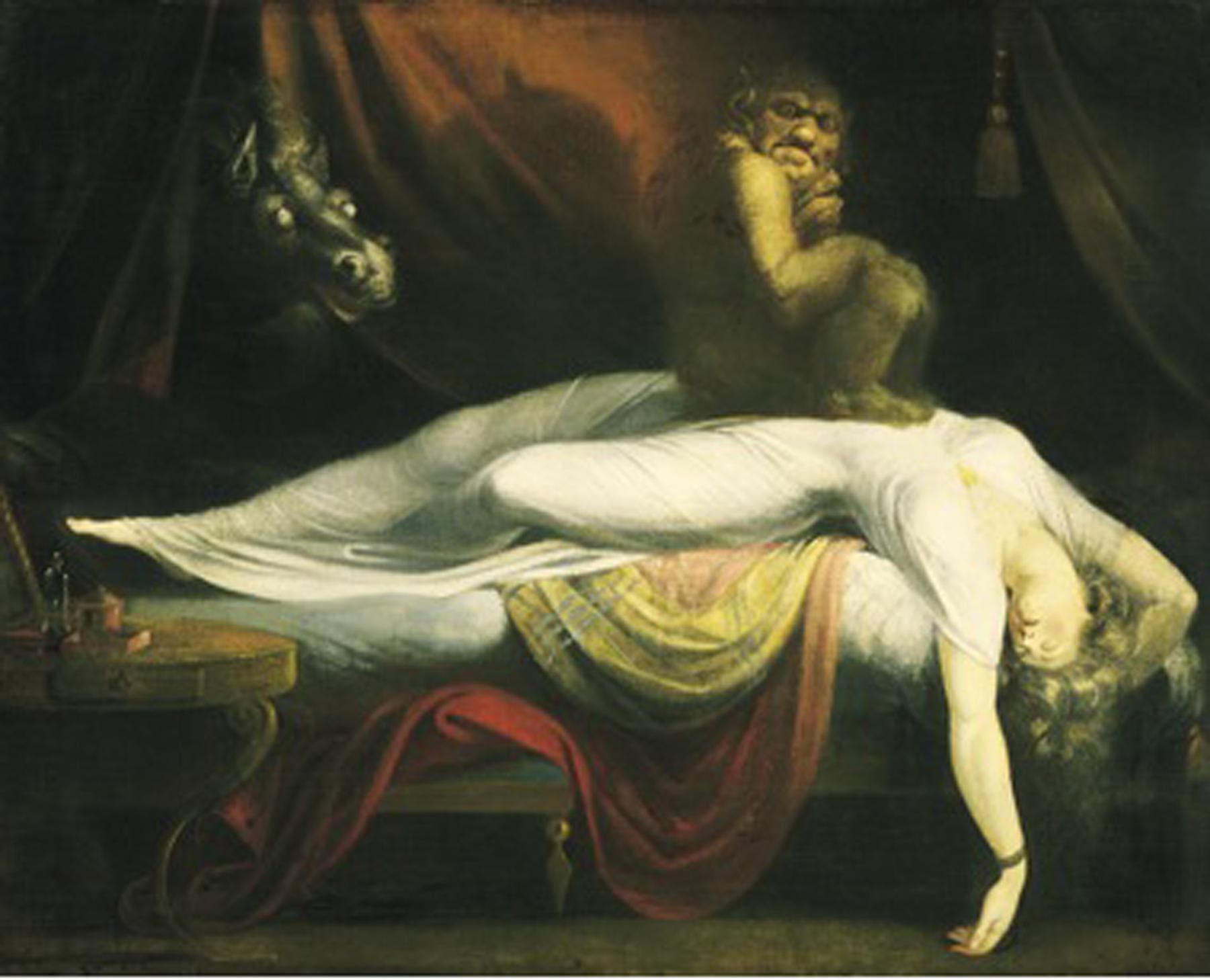
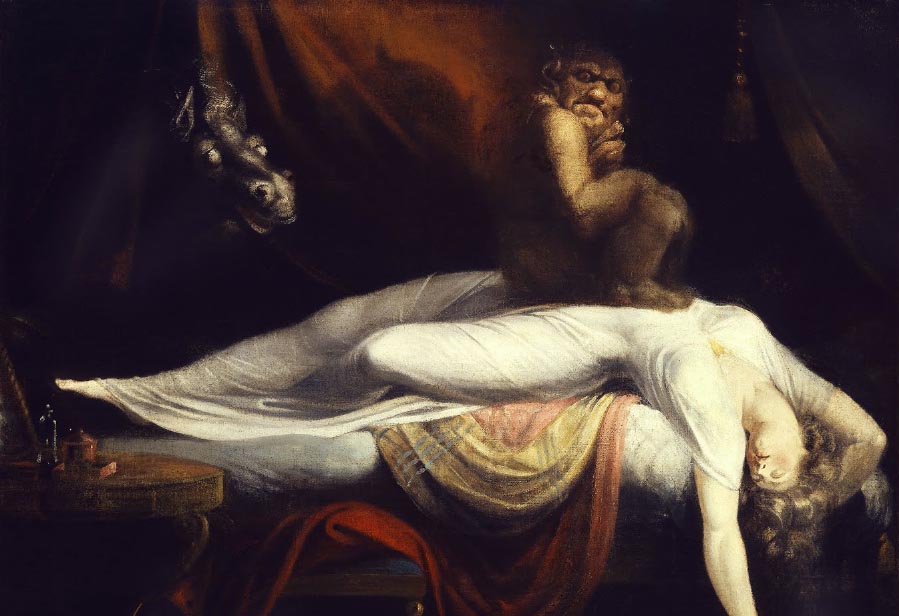
In Western literature, sleep paralysis is often portrayed as a frightening experience associated with evil entities or supernatural beings. Writers use this phenomenon to create a sense of horror and suspense in their stories.
Evil Entities and Supernatural Beings
Western literature frequently depicts sleep paralysis as a result of demonic or malevolent entities holding the afflicted person down. These portrayals capitalize on the fear and helplessness experienced during sleep paralysis.
Sleep Paralysis in Eastern Literature
In contrast to Western literature, sleep paralysis in Eastern literature is often associated with spiritual experiences or practices. The portrayal of sleep paralysis in Eastern cultures reflects a different perspective on the phenomenon.
Spiritual Experiences and Practices
Eastern literature may depict sleep paralysis as a pathway to spiritual enlightenment or a connection to the supernatural realm. Some cultures believe that sleep paralysis allows individuals to communicate with ancestral spirits or divine entities.
Common Themes and Motifs
Despite the cultural differences in the portrayal of sleep paralysis, there are common themes and motifs that appear in literature from around the world. These universal elements help to create a sense of familiarity for readers regardless of their cultural background.
Universal Themes
Themes such as fear, helplessness, and vulnerability are prevalent in literature that explores sleep paralysis. These emotions are relatable to readers and serve to evoke a sense of empathy for those who have experienced sleep paralysis.
Contemporary Perspectives
In modern literature, the portrayal of sleep paralysis has evolved to incorporate scientific explanations and psychological interpretations. Writers draw on current knowledge and research to provide a more nuanced understanding of this phenomenon.
Scientific Explanations and Psychological Interpretations
Contemporary literature on sleep paralysis often includes references to sleep disorders and neurological conditions that can contribute to the experience. Authors may explore the psychological impact of sleep paralysis on individuals and the potential treatments available.
Coping Mechanisms and Solutions
For those who experience sleep paralysis, coping mechanisms and solutions can help alleviate the fear and distress associated with the phenomenon. Different cultures offer unique approaches to managing sleep paralysis and its effects.
Cultural Coping Mechanisms
Cultural practices such as prayer, meditation, and rituals are commonly used to cope with sleep paralysis in various cultures. These coping mechanisms can provide comfort and reassurance to individuals who experience the phenomenon.
Conclusion
In conclusion, the portrayal of sleep paralysis in literature is influenced by cultural beliefs, interpretations, and perspectives. Western literature tends to focus on the horror and supernatural aspects of sleep paralysis, while Eastern literature emphasizes the spiritual and mystical dimensions of the phenomenon. Despite these differences, common themes and motifs can be found in literature from around the world, creating a sense of connection and understanding among readers. Whether viewed as a terrifying experience or a spiritual journey, sleep paralysis continues to captivate and intrigue both writers and readers alike.