

Understanding Sleep Paralysis
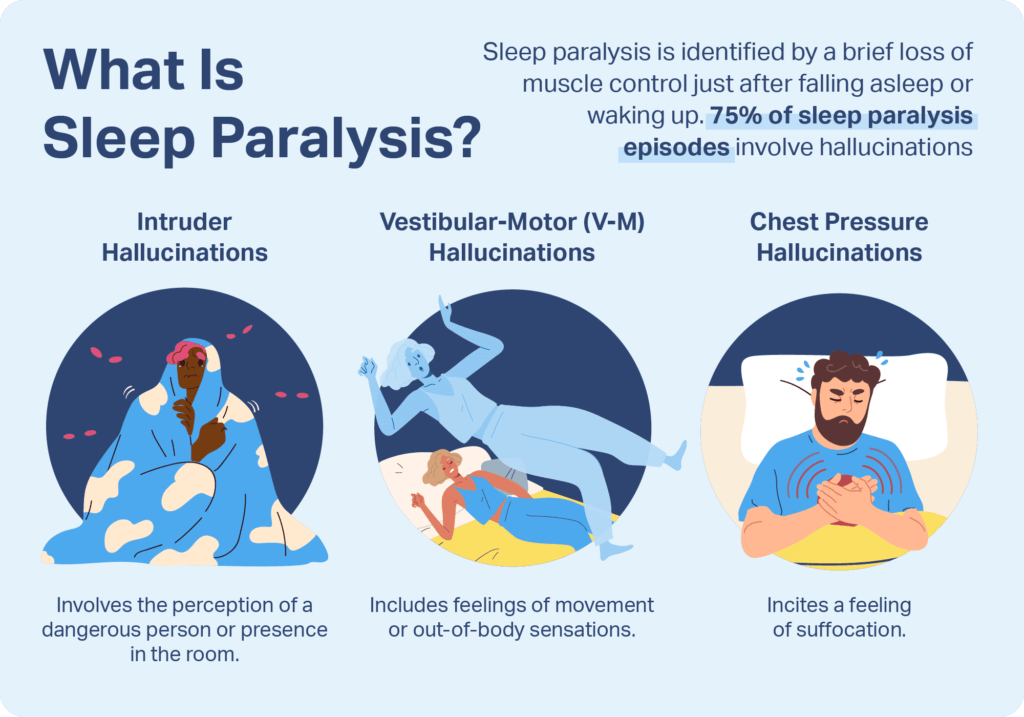
Sleep paralysis is a temporary inability to move or speak that occurs when you are waking up or falling asleep. It can be a frightening experience for those who go through it. Understanding what sleep paralysis is and what causes it is the first step in helping someone who is experiencing it.
What Causes Sleep Paralysis?
Sleep paralysis occurs when there is a disruption in the REM (rapid eye movement) stage of sleep. During this stage, your body is typically paralyzed to prevent you from acting out your dreams. However, when this paralysis continues after you wake up, it can lead to sleep paralysis.
The Symptoms of Sleep Paralysis
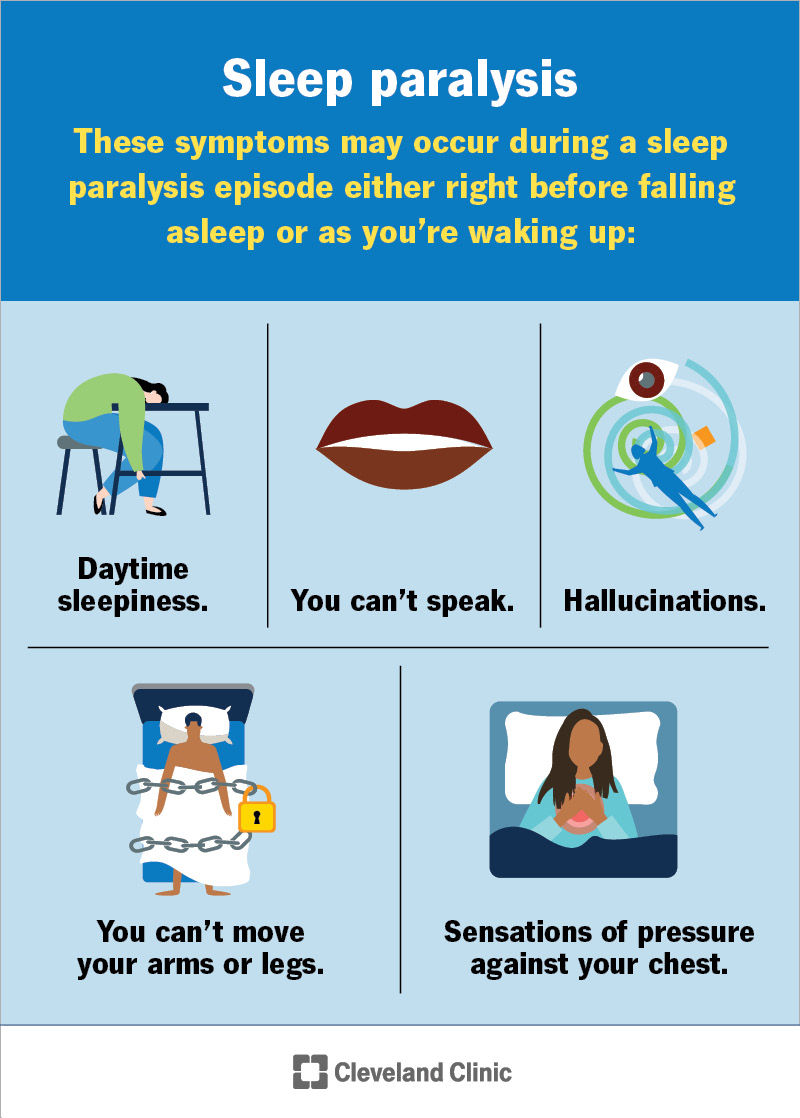
Some common symptoms of sleep paralysis include the inability to move or speak, a feeling of pressure on your chest, and hallucinations. It is essential to be aware of these symptoms to recognize when someone is experiencing sleep paralysis.
How To Offer Support
If you know someone who experiences sleep paralysis, there are several ways you can offer support to help them cope with this condition.
Be Understanding and Patient
One of the most critical ways to support someone experiencing sleep paralysis is to be understanding and patient. It can be a terrifying experience for them, and having a supportive friend or family member can make a significant difference.
Encourage Them To Seek Professional Help
If someone is experiencing frequent episodes of sleep paralysis, it is essential to encourage them to seek help from a healthcare professional. A doctor can help diagnose any underlying conditions that may be contributing to the sleep paralysis and recommend appropriate treatment options.
Offer Reassurance
During an episode of sleep paralysis, a person may feel scared and disoriented. Offering reassurance that they are safe and that the episode will pass can help calm them down and make the experience less frightening.
Creating a Sleep-Friendly Environment
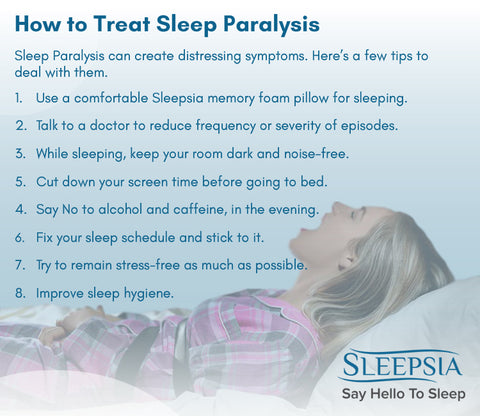
Creating a sleep-friendly environment is essential for anyone experiencing sleep paralysis. By following some simple steps, you can help improve the quality of sleep and reduce the likelihood of experiencing sleep paralysis episodes.
Maintain a Consistent Sleep Schedule
Encouraging someone to maintain a consistent sleep schedule can help regulate their sleep patterns and reduce the risk of sleep paralysis. Going to bed and waking up at the same time every day can help improve the quality of sleep.
Create a Relaxing Bedtime Routine
A relaxing bedtime routine can help signal to the body that it is time to wind down and prepare for sleep. Encourage the person to engage in calming activities such as reading or listening to soft music before bed.
Keep the Bedroom Dark and Quiet
Creating a dark and quiet sleep environment can help promote restful sleep. Consider using blackout curtains and white noise machines to block out any distractions that may disrupt sleep.
Coping Strategies for Sleep Paralysis
There are several coping strategies that can help someone manage sleep paralysis episodes and reduce their frequency.
Stay Calm and Try to Relax
During an episode of sleep paralysis, it is essential to stay calm and try to relax. Panicking can make the experience more frightening and prolong the paralysis. Encourage the person to take deep breaths and focus on calming their mind.
Focus on Movement
Encouraging the person to focus on moving a small body part, such as a finger or toe, can help break the paralysis. This can help signal to the brain that the body is awake and ready to move.
Practice Stress-Reducing Techniques
Stress and anxiety can contribute to sleep paralysis episodes. Encourage the person to practice stress-reducing techniques such as meditation, deep breathing exercises, or yoga to help relax the mind and body.
Conclusion
Supporting someone who experiences sleep paralysis requires patience, understanding, and compassion. By educating yourself about sleep paralysis, offering reassurance, and creating a sleep-friendly environment, you can help someone cope with this condition and improve the quality of their sleep. Remember to encourage them to seek professional help if needed and to focus on managing stress to reduce the frequency of sleep paralysis episodes. With your support and guidance, you can help someone navigate through the challenges of sleep paralysis and get the restful sleep they deserve.
