
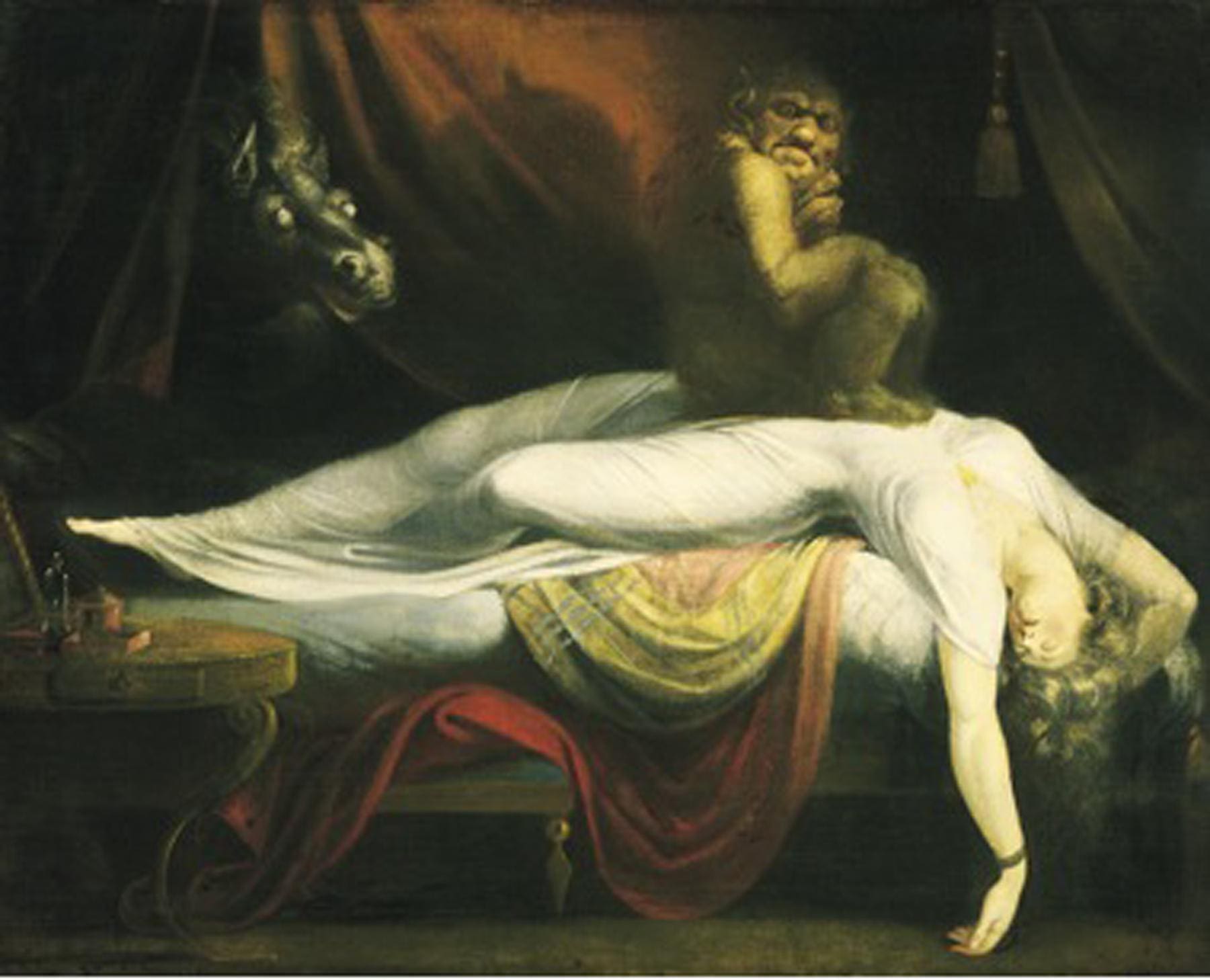
In this enlightening article, you will explore the fascinating world of sleep paralysis from cross-cultural perspectives and uncover the spiritual significance it holds. Delve into the diverse beliefs and interpretations of this phenomenon across different cultures, as you come to understand the spiritual dimensions and implications of sleep paralysis. Immerse yourself in this captivating exploration that sheds light on a universal experience that transcends borders and taps into the depths of our collective consciousness. Get ready to embark on a journey where spiritual insights and cultural differences intertwine, offering a deeper understanding of the enigmatic realm of sleep paralysis.
Introduction
Welcome to this comprehensive article on the cross-cultural perspectives of sleep paralysis. Sleep paralysis is a fascinating phenomenon that has been experienced by many people all over the world. In this article, we will delve into the definition of sleep paralysis and explore the common experiences associated with it. From there, we will examine the spiritual beliefs and interpretations of sleep paralysis across various cultures. We will explore indigenous perspectives, Eastern religious views, and Western interpretations to gain a deeper understanding of this intriguing phenomenon. Additionally, we will discuss the impact of sleep paralysis on mental health and well-being and explore cultural practices and coping mechanisms. Lastly, we will reflect on the importance of embracing cross-cultural perspectives and promoting cultural sensitivity and inclusivity. So, get ready to embark on a journey of exploration and understanding as we unravel the cultural significance of sleep paralysis.
Sleep Paralysis – Definition and Experiences
What is sleep paralysis?
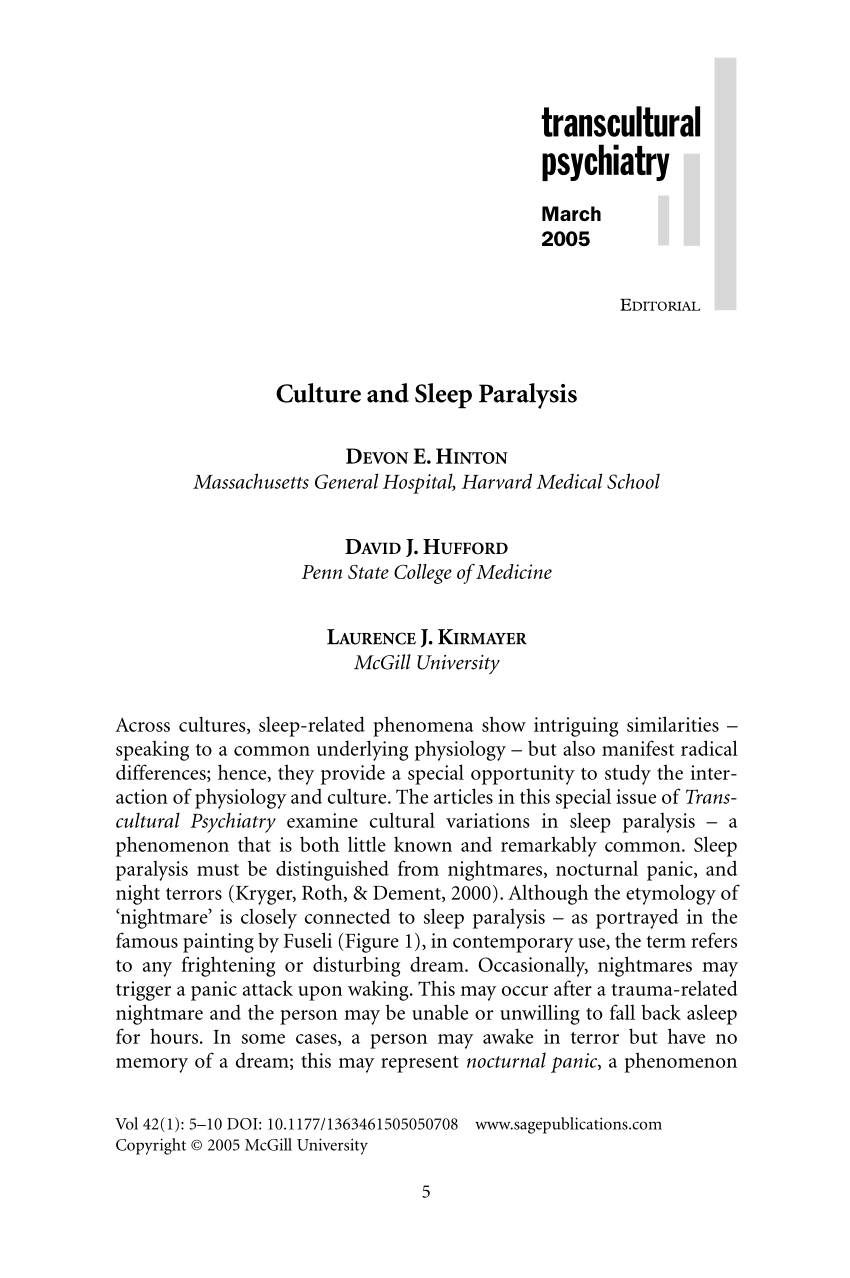
Sleep paralysis is a temporary inability to move or speak that occurs when a person is waking up or falling asleep. It is often accompanied by a feeling of pressure on the chest and a sense of being awake but unable to move. This phenomenon occurs during the REM (rapid eye movement) stage of sleep, when our brains are highly active, but our muscles are temporarily paralyzed to prevent us from acting out our vivid dreams. While sleep paralysis is considered a harmless sleep disorder, it can be a frightening and distressing experience for those who go through it.
Common experiences during sleep paralysis
During an episode of sleep paralysis, individuals often report a variety of sensations and experiences. These can include hallucinations, such as seeing shadowy figures or hearing strange sounds, a sense of being watched or touched by an unseen presence, and a feeling of being unable to breathe or cry out for help. Some people also describe a feeling of intense fear, as if something malevolent is in the room with them. These experiences can vary in intensity and duration, but they commonly evoke a sense of helplessness and vulnerability.
Spirituality and Sleep Paralysis
Beliefs about sleep paralysis across cultures
Across different cultures, sleep paralysis has been attributed to various spiritual and supernatural beliefs. These beliefs reflect the cultural contexts and worldviews of different societies and offer diverse interpretations of this phenomenon. In some cultures, sleep paralysis is seen as a spiritual or supernatural encounter, while in others, it is considered a purely physiological event. Exploring these cross-cultural perspectives can shed light on the ways in which spirituality and culture influence our understanding of sleep paralysis.
Connections to the spiritual realm
In many cultures, sleep paralysis is associated with the spiritual realm. It is believed to be a state in which the boundaries between the physical and spiritual worlds are blurred, allowing for interactions with supernatural entities. These entities can range from spirits and demons to ancestral beings or deities. Different cultures have their own explanations and interpretations of these encounters. Understanding these connections to the spiritual realm can provide valuable insights into the cultural significance of sleep paralysis.
Cultural Interpretations of Sleep Paralysis
Indigenous perspectives
Indigenous cultures have long held diverse beliefs and interpretations of sleep paralysis. In some Native American cultures, sleep paralysis is seen as a communication tool with spirits or ancestors. It is often considered a sacred experience and an opportunity for spiritual guidance. In other indigenous communities, sleep paralysis is associated with malevolent spirits or demons that try to harm or possess individuals during their vulnerable state. These perspectives highlight the rich cultural tapestry of indigenous interpretations of sleep paralysis.
Eastern religious views
Eastern religions, such as Buddhism, Hinduism, and Taoism, offer unique perspectives on sleep paralysis. In Buddhism, sleep paralysis is seen as an opportunity for spiritual awakening and an invitation to explore the nature of the self. Hindu interpretations regard sleep paralysis as a result of karmic influences or the presence of supernatural entities. Taoist beliefs emphasize the importance of maintaining balance and harmony between the physical and spiritual realms to prevent disturbances during sleep paralysis. These spiritual frameworks provide different lenses through which sleep paralysis is viewed and understood in Eastern cultures.
Western interpretations
In Western societies, sleep paralysis has often been approached from a scientific and psychological standpoint. Psychological explanations attribute sleep paralysis to the brain’s inability to smoothly transition between sleep stages, resulting in a temporary state of paralysis. Scientific perspectives focus on the physiological mechanisms behind sleep paralysis, such as disruptions in REM sleep or the activation of the body’s fight-or-flight response. However, there are also skeptical views that dismiss the spiritual aspects of sleep paralysis and consider it solely as a biological phenomenon. These interpretations reflect the dominant scientific and rationalistic worldview of Western cultures.

Sleep Paralysis in Indigenous Cultures
Beliefs and interpretations in indigenous cultures
Sleep paralysis holds great cultural significance in many indigenous communities. It is often regarded as a doorway to the spirit world and an important aspect of spiritual growth and development. Indigenous cultures attribute diverse meanings to sleep paralysis, considering it a spiritual gift, an initiation into adulthood, or a test of one’s courage and resilience. These beliefs and interpretations demonstrate the deep connection between sleep paralysis and indigenous cultural practices and belief systems.
Associations with spirits, demons, or supernatural entities
In indigenous cultures, sleep paralysis is frequently associated with spirits, demons, or other supernatural entities. These beings are believed to be capable of interacting with individuals during episodes of sleep paralysis. Some indigenous communities view these encounters as opportunities for spiritual guidance or a way to connect with ancestral spirits. However, other cultures perceive these interactions as malevolent and potentially harmful, requiring protective rituals and practices to ward off negative energies. The associations between sleep paralysis and supernatural entities reveal the spiritual beliefs and practices deeply rooted in indigenous cultures.
Sleep Paralysis and Eastern Religions
Buddhist perspectives
Buddhism offers insightful perspectives on sleep paralysis, viewing it as a manifestation of the mind’s attachment and identification with the physical body. Buddhists believe that sleep paralysis presents an opportunity to observe and detach from the illusory nature of the self. It is seen as a chance to cultivate mindfulness and gain deeper insights into the impermanence and emptiness of phenomena. Buddhist practitioners often approach sleep paralysis as a spiritual practice, using it to develop wisdom and compassion.
Hindu interpretations
In Hinduism, sleep paralysis is often associated with karmic influences or the presence of supernatural entities. It is believed that past actions, both good and bad, can influence the occurrence of sleep paralysis. Hindu texts suggest that encounters with deities or demons can happen during sleep paralysis, presenting individuals with opportunities for spiritual growth or challenges to overcome. Hindu interpretations highlight the intricate relationship between sleep paralysis and the Hindu cosmology, emphasizing the role of karma and divine influences.
Taoist beliefs
Taoism, an ancient Chinese philosophy and religion, views sleep paralysis as a disruption in the balance between the physical and spiritual realms. According to Taoist perspectives, disturbances during sleep paralysis can occur when the body or mind is imbalanced or when there is disharmony in the surrounding environment. Taoists emphasize the importance of cultivating inner stillness and harmonizing with the natural flow of energy to prevent disturbances during sleep paralysis. This holistic approach reflects the Taoist belief in the interconnection of all aspects of existence.

Western Views on Sleep Paralysis
Psychological explanations
In Western cultures, sleep paralysis is often approached from a psychological perspective. It is seen as a phenomenon resulting from the brain’s difficulty in transitioning smoothly between sleep stages. During REM sleep, the brain sends signals to inhibit muscle movement, ensuring that individuals do not act out their dreams. In sleep paralysis, this inhibition continues even after waking up, leading to a temporary state of paralysis. Psychological explanations focus on the neurological mechanisms behind sleep paralysis, emphasizing the importance of understanding the brain’s role in this phenomenon.
Scientific perspectives
Scientific research on sleep paralysis has contributed valuable insights into its physiological aspects. It has been found that disruptions in the normal REM sleep cycle can trigger episodes of sleep paralysis. Factors such as sleep deprivation, irregular sleep patterns, or stress can increase the likelihood of experiencing sleep paralysis. Scientific perspectives aim to understand the underlying neurological mechanisms and provide evidence-based explanations for this intriguing phenomenon.
Skeptical views
Some individuals adopt a skeptical view towards the spiritual aspects of sleep paralysis. They consider it solely as a biological phenomenon and dismiss any supernatural or paranormal explanations. Skeptics argue that sleep paralysis can be fully understood through scientific and physiological models, without attributing any additional spiritual meaning. While skepticism has its place in fostering critical thinking, it is important to approach sleep paralysis with an open mind and respect the diverse cultural interpretations surrounding it.
Cultural Practices and Coping Mechanisms
Rituals and ceremonies
Across different cultures, various rituals and ceremonies have been developed to cope with sleep paralysis and ward off negative energies. For example, in some indigenous cultures, individuals may engage in cleansing ceremonies involving smudging with sacred herbs, prayer, or the cooperation of a shaman or spiritual leader. These rituals aim to restore balance and harmony between the physical and spiritual realms, providing protection against malevolent entities during sleep paralysis. Rituals and ceremonies play a significant role in cultural practices related to sleep paralysis and serve as coping mechanisms for those who experience it.
Spiritual tools and protection
In many cultures, spiritual tools and protection are used to safeguard individuals during episodes of sleep paralysis. These can include wearing amulets or talismans, placing sacred objects near the bed, or using specific prayers or chants for spiritual protection. These practices reflect the belief in the power of spiritual symbols, words, or objects to provide a sense of security and repel negative energies. Spiritual tools and protection serve as tangible reminders of cultural beliefs and practices, offering comfort and reassurance during sleep paralysis experiences.
Traditional healing methods
Traditional healing methods are significant in many cultures when it comes to addressing the spiritual and psychological aspects of sleep paralysis. These methods often involve the guidance of traditional healers, shamans, or spiritual advisors. Traditional healers may use a combination of herbal remedies, energy healing techniques, or spiritual counseling to help individuals navigate their experiences of sleep paralysis. By addressing the holistic well-being of individuals, traditional healing methods aim to restore balance and harmony in their lives.
Impacts on Mental Health and Well-being
Effects on psychological well-being
Sleep paralysis experiences can have a profound impact on an individual’s mental health and well-being. The intense fear, vulnerability, and feelings of helplessness associated with sleep paralysis can lead to anxiety, panic disorders, or even post-traumatic stress disorder (PTSD) in some cases. The fear of recurring episodes can also result in sleep disturbances, leading to chronic sleep deprivation and its associated mental health effects. It is important to acknowledge the psychological toll that sleep paralysis can have on individuals and provide them with appropriate support and resources.
Therapeutic approaches and interventions
Various therapeutic approaches and interventions can be beneficial for individuals experiencing sleep paralysis. Cognitive-behavioral therapy (CBT) has been effective in helping individuals change their thoughts and behavior patterns related to sleep paralysis, reducing anxiety and improving overall well-being. Relaxation techniques, such as deep breathing exercises or mindfulness meditation, can also be useful in managing the distress associated with sleep paralysis. Seeking support from mental health professionals, support groups, or online communities can provide individuals with a sense of validation and understanding, promoting their mental health and well-being.
Understanding and Embracing Cross-cultural Perspectives
Appreciating diverse interpretations
Understanding and appreciating cross-cultural perspectives is essential in our globalized world. Sleep paralysis offers a unique lens through which we can explore the rich tapestry of human experiences and beliefs. By recognizing the diverse interpretations of sleep paralysis across cultures, we can foster a greater sense of empathy and respect for cultural differences. Appreciating and valuing these diverse perspectives enhances our understanding of the human experience and promotes a more inclusive and interconnected world.
Exploring the interplay between culture and spirituality
The exploration of sleep paralysis and its cultural interpretations allows us to delve into the interplay between culture and spirituality. It highlights the ways in which cultural beliefs, practices, and worldviews shape our understanding of the spiritual significance of sleep paralysis. By exploring this interplay, we gain insight into the deep-rooted connections between spirituality and cultural identity, broadening our perspectives and deepening our appreciation for diverse cultural expressions.
Promoting cultural sensitivity and inclusivity
The study of sleep paralysis and its cross-cultural interpretations calls for the promotion of cultural sensitivity and inclusivity. It is important to approach these interpretations with an open mind and respect for diverse belief systems. Acknowledging the spiritual significance attributed to sleep paralysis by different cultures can help foster understanding, acceptance, and cultural humility. By promoting cultural sensitivity and inclusivity, we create spaces where individuals from diverse backgrounds feel valued and understood.
In conclusion, sleep paralysis is a fascinating phenomenon that has captivated the attention of individuals across cultures and throughout history. Its spiritual significance varies greatly from culture to culture, with interpretations ranging from the interaction with spirits and deities to purely physiological explanations. The impacts on mental health and well-being cannot be overlooked, and it is crucial to provide support and resources for those who experience sleep paralysis. By embracing cross-cultural perspectives, appreciating diverse interpretations, and promoting cultural sensitivity and inclusivity, we can gain a deeper understanding of the spiritual tapestry of humanity and foster a more empathetic and inclusive world. Sleep paralysis serves as a reminder of the vastness and complexity of human experiences, inviting us to explore and respect the diverse beliefs that shape our understanding of the world.