
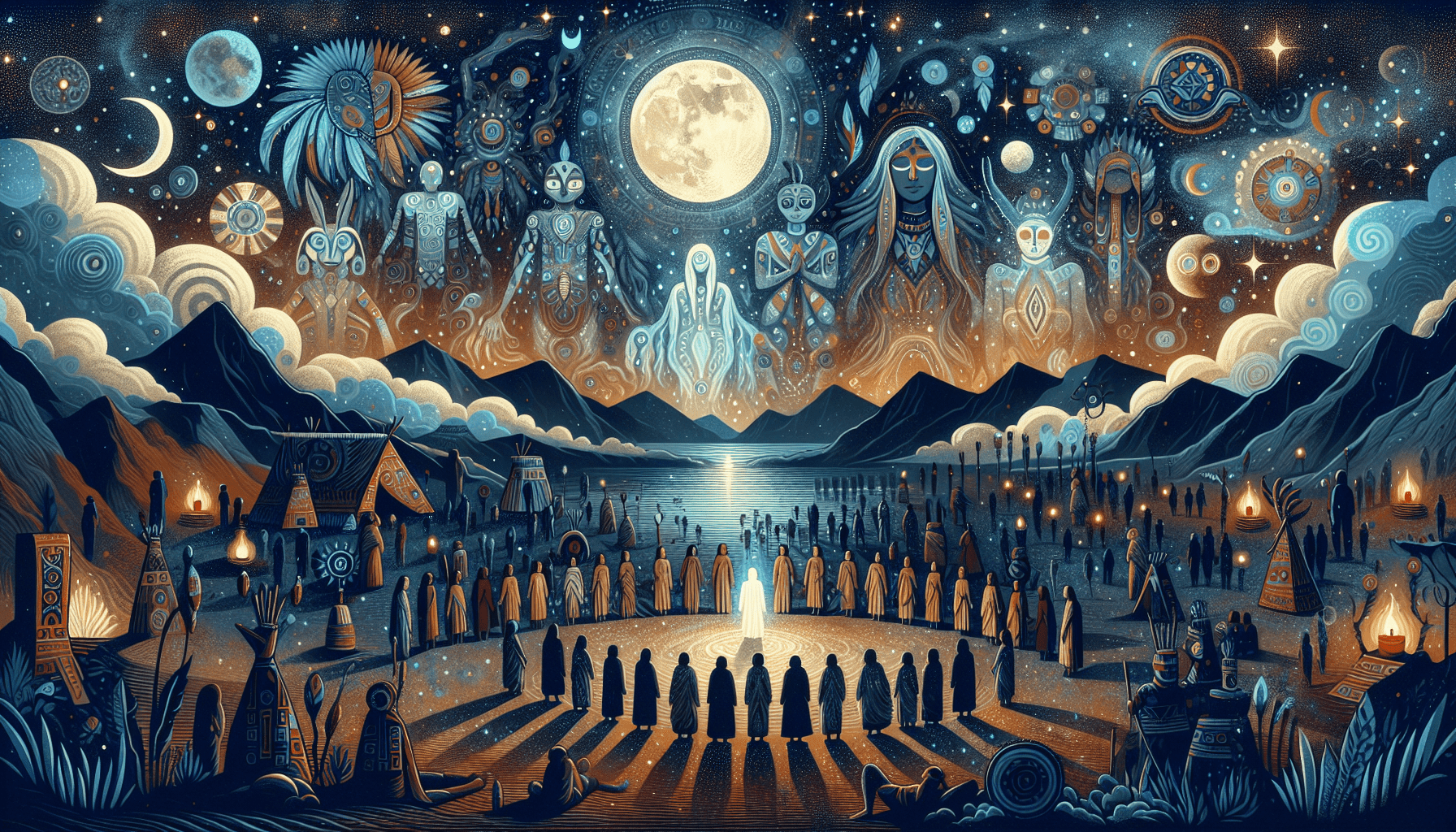
Have you ever experienced the sensation of being awake but completely unable to move? This eerie phenomenon, known as sleep paralysis, has been reported by individuals all around the world, including indigenous cultures. In this article, we’ll explore the unique insights and perspectives on sleep paralysis from indigenous communities. From ancient legends to spiritual beliefs, these cultures offer a fascinating glimpse into the mysterious world of sleep paralysis and its significance in their societies. So, get ready to embark on a journey of understanding and enlightenment as we delve into the realm of sleep paralysis in indigenous cultures.
Understanding Sleep Paralysis
Sleep paralysis is a phenomenon that affects individuals across cultures and has been experienced for centuries. It is often characterized by a temporary inability to move or speak upon waking up or falling asleep. This condition can be accompanied by a range of distressing symptoms, including hallucinations, a sense of pressure on the chest, and a feeling of being watched or haunted. While sleep paralysis can be a terrifying experience for anyone who endures it, indigenous cultures have provided unique insights and perspectives on this phenomenon.
Cultural Beliefs and Interpretations
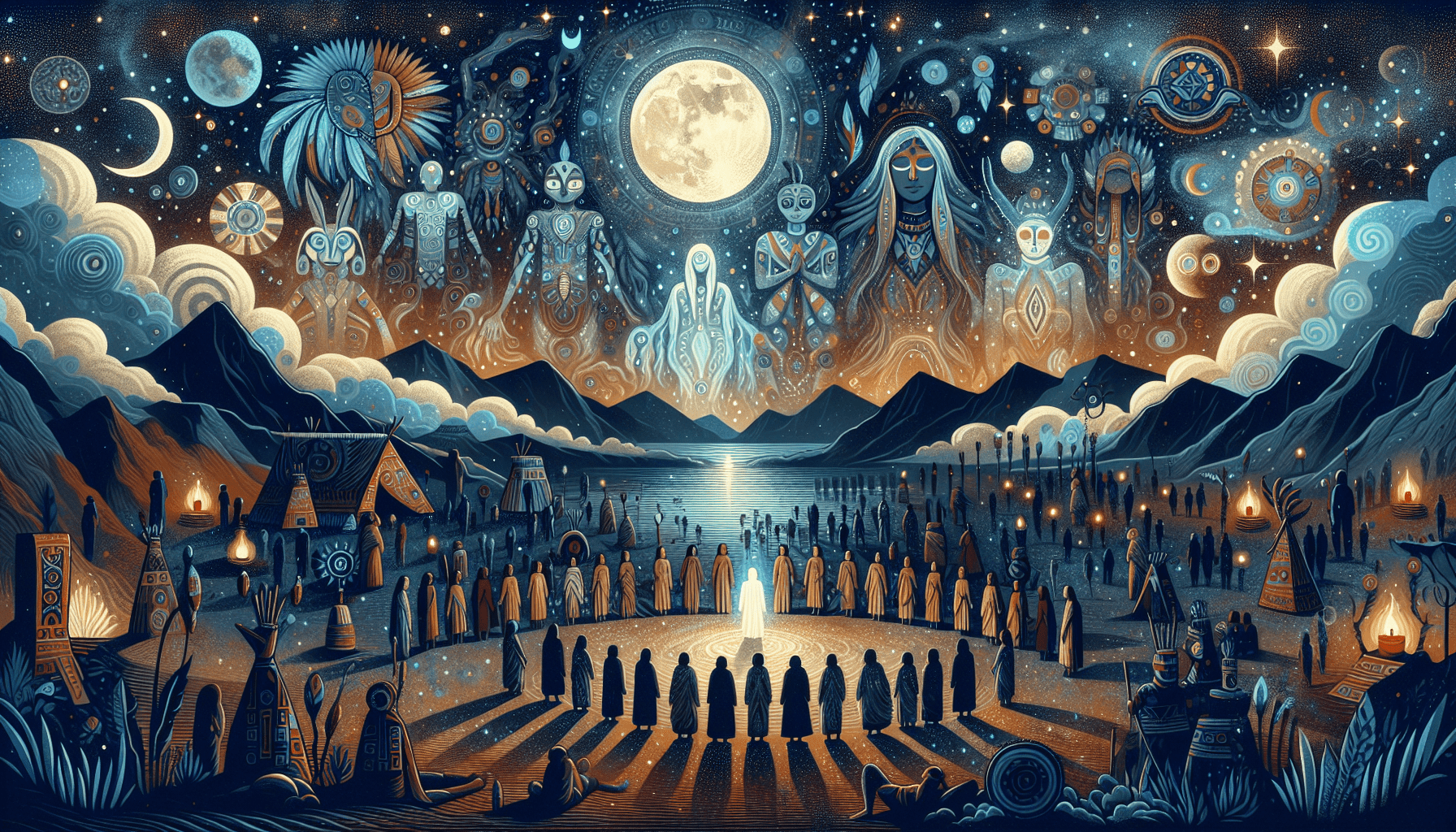
In indigenous cultures, sleep paralysis is often viewed as a spiritual encounter rather than a medical condition. People believe that during these episodes, the person is transported to the dream world, providing them with an opportunity to communicate with ancestors and supernatural beings. The experience is seen as a sacred connection to the spiritual realm, and it holds significant importance in the cosmology of many indigenous communities. It is believed that the spirits may visit during these episodes to deliver messages or provide guidance to the individual.
Traditional Remedies and Practices
Indigenous cultures have developed various remedies and practices to address sleep paralysis. These remedies often involve the use of herbs, plants, and natural substances believed to possess spiritual or medicinal properties. Shamanic healing and rituals are also commonly employed to help alleviate the symptoms and restore balance to the individual’s spiritual and physical well-being. Additionally, objects such as dreamcatchers are used as protective tools, believed to ward off negative energies and prevent sleep paralysis.
Spiritual and Supernatural Experiences
Sleep paralysis is often associated with a wide range of spiritual and supernatural experiences in indigenous cultures. Some individuals report having out-of-body experiences, where they feel as though their spirit has left their physical body and entered the spiritual realm. Others claim to communicate with spirits and receive guidance or insights during these episodes. Encounters with supernatural entities, such as shape-shifting beings or guardian spirits, are also reported. These experiences are seen as profound connections to the spiritual world and are highly valued within indigenous communities.

Interactions with Ancestors and Spirits
Within indigenous cultures, sleep paralysis is believed to facilitate interactions with ancestors and spirits. The ancestors are seen as wise beings who possess knowledge, guidance, and teachings that they can impart to the individual experiencing sleep paralysis. These interactions can take the form of visions, prophecies, or symbolic messages that provide deeper insight into one’s path in life. Sleep paralysis is also associated with spiritual awakening and initiation into the spiritual realm, as individuals undergo a transformative experience that deepens their connection with the supernatural world.
Oral Traditions and Stories
Indigenous cultures have a rich tradition of oral storytelling, and sleep paralysis often features prominently in these narratives. Myths and legends are passed down through generations, capturing the cultural beliefs and interpretations of sleep paralysis. These stories explore the symbolism and interpretation of sleep paralysis within specific cultural contexts, shedding light on its significance and meaning. By passing down these stories, indigenous communities ensure the preservation and transmission of their cultural knowledge and traditions.
Differences Across Indigenous Cultures
While sleep paralysis is a common experience across indigenous cultures, there are notable differences in beliefs and practices surrounding this phenomenon. Regional and cultural variances influence the interpretation and understanding of sleep paralysis. Unique beliefs and practices are shaped by diverse cultural histories, environmental contexts, and spiritual traditions. Indigenous healing systems also differ, with each culture offering its own remedies and rituals to address sleep paralysis. Furthermore, multicultural exchange and influence have contributed to the evolution of beliefs and practices related to sleep paralysis in indigenous communities.
Community Support and Healing Practices
In indigenous cultures, community support plays a vital role in addressing sleep paralysis. Elders and healers are often consulted to provide guidance and assistance to those experiencing this phenomenon. Community rituals and ceremonies are organized to offer healing and protection. These practices take a holistic approach to well-being, integrating physical, emotional, and spiritual aspects of healing. There is also a growing recognition of the importance of integrating Western medicine alongside traditional indigenous healing practices, providing individuals with a comprehensive approach to addressing sleep paralysis and related issues.
Intergenerational Transmission and Cultural Preservation
The transmission of knowledge about sleep paralysis and its cultural significance occurs primarily through oral traditions in indigenous cultures. Elders and cultural teachers pass down their wisdom and teachings to younger generations, ensuring the preservation of cultural beliefs and practices. Efforts to educate and raise awareness about indigenous cultures and their unique perspectives on sleep paralysis are being made to prevent the loss of these invaluable cultural traditions. However, there are challenges in preserving indigenous cultures, including globalization, colonization, and the erosion of traditional knowledge. It is crucial to recognize and support these efforts to protect and celebrate the diverse indigenous perspectives on sleep paralysis.
In conclusion, sleep paralysis holds deep insights and perspectives in indigenous cultures. Understanding the cultural beliefs and interpretations, traditional remedies and practices, and spiritual experiences associated with sleep paralysis provides a richer understanding of this phenomenon. Indigenous communities have developed unique ways of addressing sleep paralysis and have embedded it within their cultural narratives and oral traditions. By recognizing and respecting these diverse perspectives, we can contribute to the preservation and celebration of indigenous cultures while enriching our understanding of sleep paralysis as a universal human experience.