The Impact Of Sleep Paralysis On Mental Health
Have you ever experienced the terrifying feeling of being unable to move or speak while falling asleep or waking up? This phenomenon is known as sleep paralysis, and it can have a significant impact on your mental health. In this article, we will explore the various ways in which sleep paralysis can affect your well-being and provide tips for managing and overcoming this unsettling experience.
Understanding Sleep Paralysis
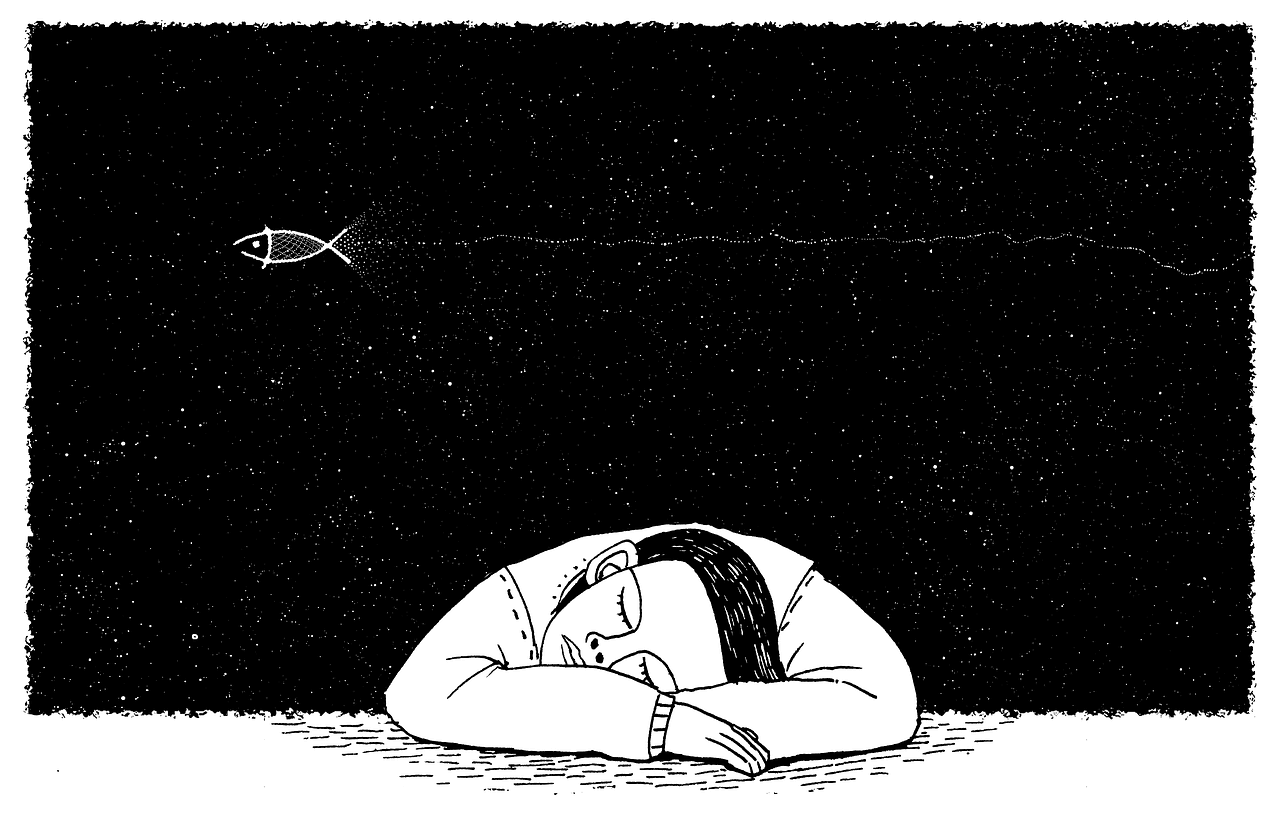
Sleep paralysis is a phenomenon that occurs when a person is either falling asleep or waking up. During these transitional stages of sleep, the body is normally paralyzed to prevent us from acting out our dreams. However, in cases of sleep paralysis, this paralysis persists even when the person is conscious.
What Causes Sleep Paralysis?
There are several factors that can contribute to the occurrence of sleep paralysis. One major cause is disrupted sleep patterns, such as those experienced by people with irregular sleep schedules or those who suffer from sleep disorders like insomnia. Stress and anxiety can also play a role in triggering episodes of sleep paralysis.
What Does Sleep Paralysis Feel Like?
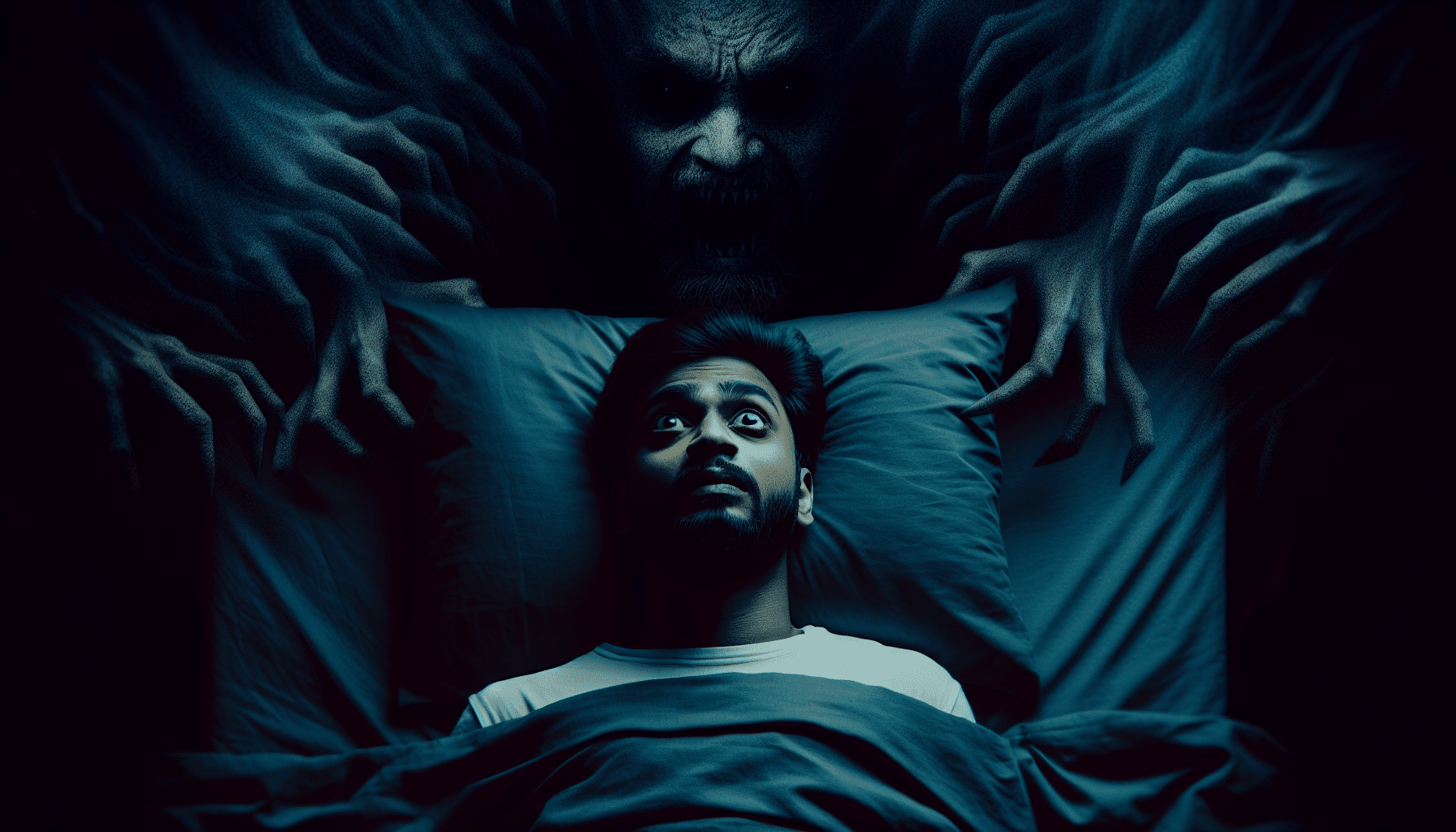
During an episode of sleep paralysis, you may feel like you are awake but unable to move or speak. Some people also report experiencing hallucinations, such as seeing shadowy figures or feeling a presence in the room. These sensations can be extremely frightening and distressing.
The Impact On Mental Health
The experience of sleep paralysis can have a significant impact on your mental health, leading to feelings of anxiety, fear, and even depression. It can be especially troubling for those who experience chronic episodes of sleep paralysis, as it can disrupt their ability to get a good night’s sleep and leave them feeling exhausted and on edge.
Anxiety
The feeling of helplessness and vulnerability that comes with sleep paralysis can trigger intense feelings of anxiety. The fear of experiencing another episode can also contribute to generalized anxiety disorder, making it difficult to relax and fall asleep at night.
Depression
Chronic sleep paralysis can also lead to feelings of depression. The constant stress and exhaustion from disrupted sleep patterns can take a toll on your mental health, leaving you feeling irritable, unmotivated, and hopeless.

Coping Strategies
If you are struggling with sleep paralysis and its impact on your mental health, there are several coping strategies that you can try to help manage and overcome this challenging experience.
Improve Your Sleep Hygiene
Developing healthy sleep habits is essential for managing sleep paralysis. Make sure you are getting an adequate amount of sleep each night, and try to stick to a regular sleep schedule. Avoid caffeine and electronic devices before bed, as these can disrupt your natural sleep cycle.
Reduce Stress
Stress and anxiety can exacerbate episodes of sleep paralysis, so finding ways to relax and unwind is crucial. Practice mindfulness, deep breathing exercises, or meditation to help calm your mind and reduce your stress levels.
Seek Support
Talking to a therapist or counselor can be incredibly helpful in managing the psychological effects of sleep paralysis. They can provide you with coping strategies, help you process any underlying issues that may be contributing to your sleep paralysis, and offer emotional support during difficult times.

Seeking Professional Help
If you are experiencing chronic sleep paralysis and it is significantly impacting your mental health and quality of life, it may be beneficial to seek professional help. A doctor or sleep specialist can help diagnose any underlying sleep disorders that may be contributing to your episodes of sleep paralysis and recommend appropriate treatment options.
Medical Treatments
In some cases, medications may be prescribed to help manage the symptoms of sleep paralysis and improve your overall sleep quality. Cognitive-behavioral therapy (CBT) may also be recommended to address any underlying anxiety or stress that is contributing to your sleep paralysis.
Sleep Studies
If your episodes of sleep paralysis are particularly severe or frequent, a sleep study may be recommended to monitor your sleep patterns and identify any underlying issues that may be contributing to your symptoms. This can help healthcare providers develop a personalized treatment plan to address your specific needs.
Conclusion
Sleep paralysis can have a profound impact on your mental health, leading to feelings of anxiety, fear, and depression. By understanding the causes and effects of sleep paralysis and implementing coping strategies to manage this phenomenon, you can take steps towards improving your overall well-being and overcoming the challenges that come with this unsettling experience. Remember, you are not alone in your struggles with sleep paralysis, and there are resources and support available to help you navigate this difficult journey towards better sleep and mental health.