

Have you ever woken up in the middle of the night, completely unable to move? Your body feels heavy, your mind is wide awake, but you are trapped, frozen by an invisible force. This eerie phenomenon is known as sleep paralysis, and it is experienced by people all over the world. However, did you know that the way sleep paralysis is perceived and explained differs between Eastern and Western cultures? In this article, we will explore the fascinating variations in beliefs and interpretations when it comes to the mysterious realm of sleep paralysis in Eastern versus Western cultures. So, buckle up and get ready to uncover the intriguing differences that lie within the realm of your unconscious mind.
The Concept of Sleep Paralysis
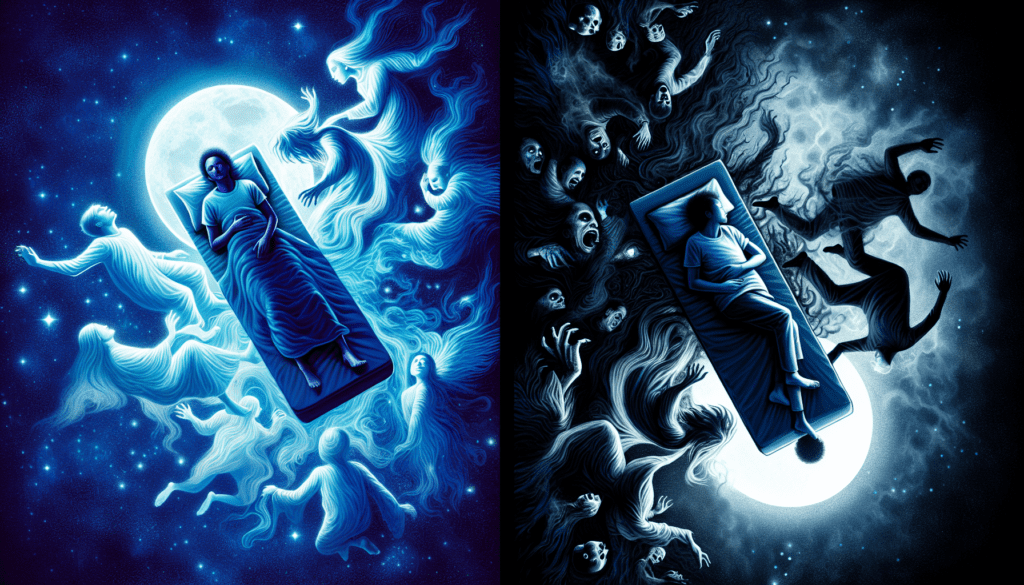
Sleep paralysis is a phenomenon that occurs when a person experiences temporary paralysis either when falling asleep or waking up. During sleep paralysis, one is fully conscious but unable to move or speak. It is often accompanied by hallucinations and a feeling of pressure or a heavy weight on the chest. This can be a frightening experience, but it is generally harmless and usually lasts only a few seconds to a few minutes.
Definition of Sleep Paralysis
Sleep paralysis is defined as a state of temporary immobility and muscle weakness that occurs during the transitional stages of sleep. It is commonly associated with REM (rapid eye movement) sleep, which is the phase of sleep when most dreaming occurs. During REM sleep, the brain sends signals to inhibit muscle activity, resulting in temporary paralysis to prevent us from acting out our dreams. However, in sleep paralysis, this paralysis occurs while the individual is awake and conscious.
Causes of Sleep Paralysis
The exact cause of sleep paralysis is not fully understood, but there are several factors that can contribute to its occurrence. Sleep deprivation, irregular sleep schedules, and stress are known to increase the likelihood of experiencing sleep paralysis. Certain sleep disorders, such as narcolepsy, insomnia, and sleep apnea, can also increase the risk. Additionally, some research suggests a genetic predisposition to sleep paralysis.
Signs and Symptoms of Sleep Paralysis
Sleep paralysis is characterized by the inability to move or speak, often accompanied by a sense of pressure on the chest and hallucinations. These hallucinations can take various forms, such as seeing shadowy figures, feeling a presence in the room, or hearing strange sounds. Some individuals may also experience intense fear, a rapid heartbeat, or difficulty breathing during episodes of sleep paralysis.
Historical and Cultural Perspectives
Sleep paralysis in Eastern cultures
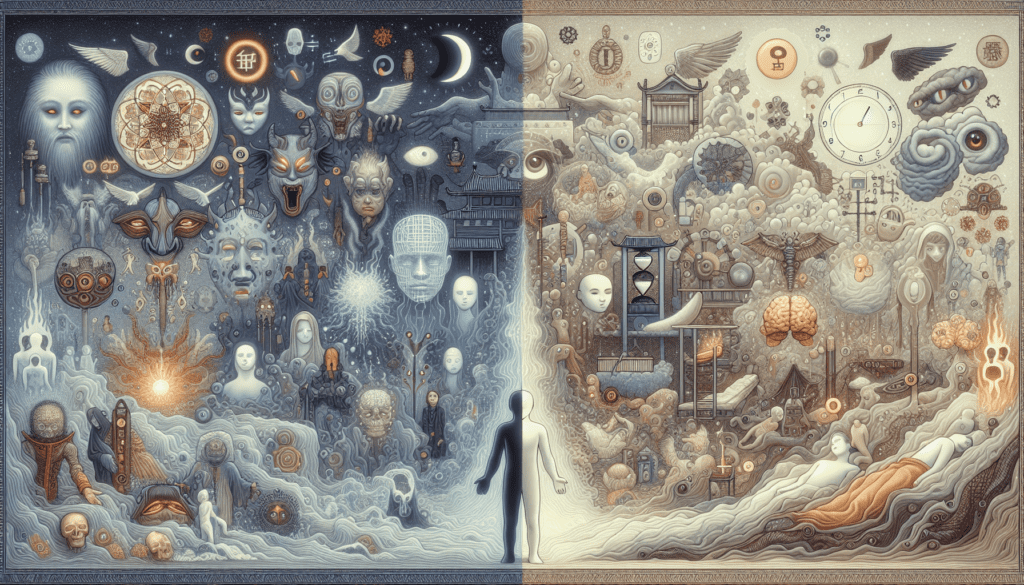
Eastern cultures have long recognized and interpreted sleep paralysis in their own unique ways. In many Asian countries, sleep paralysis is often attributed to supernatural causes or spiritual beliefs. It is seen as a state in which one’s soul is vulnerable to malevolent spirits or demons. Eastern cultures have developed various coping mechanisms, remedies, and rituals to protect oneself from these spiritual disturbances.
Sleep paralysis in Western cultures
In Western cultures, sleep paralysis has been observed and documented since ancient times, but the interpretations and explanations have evolved throughout history. In earlier periods, sleep paralysis was often associated with witchcraft or demonic possession. However, as scientific understanding advanced, Western cultures began to view sleep paralysis more as a sleep disorder rather than a supernatural occurrence.
Ancient beliefs and mythology around sleep paralysis
In both Eastern and Western cultures, sleep paralysis has been intertwined with ancient beliefs and mythology. In various mythological traditions, entities such as demons, spirits, and even witches were believed to be responsible for sleep paralysis. These cultural interpretations highlight the deep-rooted impact that sleep paralysis has had on human imagination and storytelling.
Medical Explanations and Research
Scientific understanding of sleep paralysis
The scientific understanding of sleep paralysis has made significant progress in recent years. Researchers have found that sleep paralysis occurs due to a disruption in the normal transition between sleep stages, particularly during REM sleep. It is thought to arise from a combination of biological and neurological factors.
Sleep disorders and sleep paralysis
Sleep paralysis is often associated with other sleep disorders, such as narcolepsy. Narcolepsy is a neurological disorder characterized by excessive daytime sleepiness and sudden, uncontrollable episodes of sleep. Sleep paralysis is a common symptom of narcolepsy, occurring when individuals transition from wakefulness to sleep or vice versa.
Neurological and physiological explanations
While the exact neurological and physiological mechanisms that cause sleep paralysis are still being studied, researchers believe that an imbalance in neurotransmitters and the disruption of normal muscle immobilization during REM sleep play a role. High levels of stress, anxiety, and sleep deprivation can also contribute to the occurrence of sleep paralysis.
The role of REM sleep in sleep paralysis
REM sleep is a critical stage of the sleep cycle, characterized by rapid eye movements, vivid dreams, and muscle paralysis. During REM sleep, the brain is highly active, and voluntary muscle movements are inhibited to prevent individuals from acting out their dreams. In sleep paralysis, this inhibition persists even as the individual becomes conscious, resulting in the inability to move or speak.
Eastern Cultural Interpretations
Spiritual and supernatural explanations
In many Eastern cultures, sleep paralysis is often attributed to supernatural causes. It is believed to be a result of spiritual disturbances or encounters with malevolent entities. These cultural interpretations emphasize the spiritual and metaphysical dimensions of sleep paralysis and tend to view it as a spiritual battle between good and evil forces.
Folklore and ghostly encounters
Eastern cultures have rich folklore and tales of ghostly encounters associated with sleep paralysis. These stories often involve encounters with vengeful spirits, demons, or ancestral beings. Such folklore serves to transmit cultural beliefs, values, and cautionary tales surrounding sleep paralysis.
Influence of Eastern philosophy and religion
Eastern philosophy and religion have contributed to the understanding and interpretation of sleep paralysis. Concepts such as karma, reincarnation, and the existence of multiple realms or dimensions can influence how Eastern cultures perceive and explain sleep paralysis. Practices like meditation, prayer, and rituals are often employed to protect oneself from negative spiritual influences during sleep paralysis.
Traditional Eastern remedies and coping mechanisms
Eastern cultures have developed a range of traditional remedies and coping mechanisms for dealing with sleep paralysis. These may include herbal remedies, talismans, and rituals to ward off evil spirits or protect one’s soul during sleep. Practices like meditation, mindfulness, and breathing techniques are also employed to promote relaxation and minimize the occurrence of sleep paralysis.
Western Cultural Interpretations
Psychological interpretations
In Western cultures, the interpretation of sleep paralysis has shifted towards psychological explanations. It is often seen as a symptom of inherent sleep disorders or as a manifestation of psychological stress, anxiety, or trauma. Sleep paralysis is studied within the framework of psychology and psychiatry, focusing on its association with mental health conditions.
Role of horror movies and popular culture
Horror movies and popular culture have played a significant role in shaping Western perceptions of sleep paralysis. Films such as “The Nightmare” have depicted sleep paralysis as a horrifying and terrifying experience, further contributing to the misconception that it is a supernatural phenomenon. These portrayals have influenced public attitudes and further stigmatized sleep paralysis.
Skepticism and scientific approach
The Western approach to sleep paralysis tends to be more skeptical and grounded in scientific research. Instead of attributing it to supernatural causes, Western cultures emphasize the biological, neurological, and psychological factors underlying sleep paralysis. This approach aims to demystify sleep paralysis and promote understanding from a scientific perspective.
Western treatment approaches and therapies
In Western cultures, the treatment approaches for sleep paralysis are primarily focused on managing associated sleep disorders or addressing underlying psychological issues. Cognitive-behavioral therapy (CBT), medication for sleep disorders, stress reduction techniques, and relaxation exercises are commonly used therapeutic interventions. The emphasis is on improving sleep quality and reducing the occurrence of sleep paralysis episodes.
Influence of Media and Entertainment
Movies and TV shows depicting sleep paralysis
The portrayal of sleep paralysis in movies and TV shows has both reflected and shaped cultural beliefs and understanding of the phenomenon. Several films and documentaries have delved into the eerie and supernatural aspects of sleep paralysis, amplifying fear and misconceptions surrounding it. However, there is also an emerging trend of more accurate and educational representations of sleep paralysis in the media.
Differences in portrayal between Eastern and Western media
Eastern and Western media have distinct ways of portraying sleep paralysis. Eastern media tend to focus on supernatural elements, with depictions of spiritual battles and religious rituals. In contrast, Western media often highlights the psychological and horror aspects, portraying sleep paralysis as a frightening and traumatic experience.
Impact on cultural beliefs and understanding
The influence of media and entertainment cannot be overlooked when considering cultural beliefs and understanding of sleep paralysis. Misrepresentations and sensationalized depictions can perpetuate misconceptions and reinforce cultural biases. However, accurate and informative portrayals have the potential to raise awareness, promote understanding, and challenge societal stigmatization.
Societal Attitudes and Stigmatization
Taboos and cultural beliefs surrounding sleep paralysis
Cultural beliefs surrounding sleep paralysis can contribute to stigmatization and taboos in both Eastern and Western societies. In some cultures, it may be seen as a punishment or a sign of spiritual weakness. This can lead to shame, fear, and reluctance to seek help or openly discuss sleep paralysis experiences.
Eastern cultural attitudes towards sleep paralysis
Eastern cultures often approach sleep paralysis with a blend of reverence and caution. The belief in supernatural or spiritual causes can lead to a more accepting attitude, where individuals actively seek remedies or protection against malevolent forces. Eastern cultures may also view sleep paralysis as an opportunity for spiritual growth or insight.
Western cultural views and misconceptions
In Western cultures, sleep paralysis is often misunderstood and misrepresented. It may be viewed as a sign of mental illness, demonic possession, or simply dismissed as a figment of one’s imagination. These misconceptions contribute to the stigmatization of sleep paralysis and can prevent individuals from seeking proper understanding and support.
Stigma and psychological impact
The stigma surrounding sleep paralysis can have a significant psychological impact on those who experience it. Feelings of fear, shame, and isolation are commonly reported. The lack of social acceptance and understanding can exacerbate anxiety and distress, leading to negative emotional and psychological consequences for affected individuals.
Coping Mechanisms and Remedies
Eastern traditional practices for dealing with sleep paralysis
Eastern cultures have developed various traditional practices and remedies for coping with sleep paralysis. These may include prayer, meditation, smudging with sacred herbs, or wearing protective amulets. The focus is on spiritual and metaphysical means of protection and seeking assistance from higher powers.
Western therapeutic approaches
In Western cultures, therapeutic approaches primarily focus on managing underlying sleep disorders or addressing associated psychological issues. Cognitive-behavioral therapy (CBT) has been found to be effective in reducing anxiety related to sleep paralysis. Improving sleep hygiene, stress management techniques, and relaxation exercises are also commonly recommended.
Self-help techniques and lifestyle adjustments
There are several self-help techniques that individuals can employ to mitigate the frequency and impact of sleep paralysis. Maintaining a regular sleep schedule, reducing stress levels, and creating a calming bedtime routine can contribute to better sleep quality. Techniques such as lucid dreaming, meditation, and sleep position adjustments may also be beneficial.
Cross-cultural influence on coping strategies
With increased cultural exchange and understanding, there is an opportunity to learn from various coping strategies employed in different cultures. Eastern practices, such as meditation and mindfulness, can be integrated into Western approaches to enhance well-being and mental resilience. Similarly, Western therapeutic techniques may be adapted and adopted in Eastern cultures to broaden the range of available options.
Case Studies and Personal Experiences
Documentation of sleep paralysis experiences in different cultures
Numerous case studies and personal accounts document the experiences of sleep paralysis in various cultural contexts. These narratives provide valuable insight into the cultural interpretations, individual responses, and coping strategies employed by those affected by sleep paralysis.
Individual stories from Eastern and Western perspectives
Listening to personal stories can offer a deeper understanding of the impact and perceptions of sleep paralysis across cultures. Individuals from Eastern cultures may share their encounters with spirits and supernatural beings during sleep paralysis, while those from Western cultures may describe the psychological and physical sensations they experience.
Impact of cultural context on personal interpretations
Personal interpretations of sleep paralysis are inevitably shaped by cultural context. Eastern individuals may find comfort and solace in spiritual explanations, while Western individuals may seek scientific or psychological understanding. Cultural beliefs and societal attitudes play a significant role in shaping personal interpretations and coping strategies.
Future Directions and Cultural Exchange
Interdisciplinary research collaborations
The study of sleep paralysis would greatly benefit from interdisciplinary research collaborations. Combining the expertise of researchers from neurobiology, psychology, anthropology, and cultural studies can foster a more comprehensive understanding of sleep paralysis and its cultural implications.
Understanding cultural differences in sleep paralysis
To better understand sleep paralysis, it is crucial to acknowledge and study the cultural differences in how it is perceived and interpreted. Comparative studies can shed light on the cultural, social, and psychological factors that contribute to the experience of sleep paralysis, leading to a more nuanced understanding of this phenomenon.
Promoting awareness and education
Raising awareness and providing accurate information about sleep paralysis is essential to combat misconceptions and reduce stigma. Education campaigns should emphasize the biological, psychological, and cultural aspects of sleep paralysis, promoting understanding and empathy.
Integration of Eastern and Western perspectives
By integrating Eastern and Western perspectives on sleep paralysis, we can foster a more inclusive and holistic approach to its understanding and management. Learning from diverse cultural interpretations and coping strategies can broaden the range of available treatments and support systems for individuals experiencing sleep paralysis.
In conclusion, sleep paralysis is a complex phenomenon that has been interpreted and understood differently across different cultures. While Eastern cultures tend to emphasize spiritual and supernatural explanations, Western cultures focus more on psychological and scientific interpretations. The media and entertainment industry has played a significant role in shaping cultural beliefs and understanding of sleep paralysis, often perpetuating misconceptions and stigmatization. However, by promoting awareness, fostering interdisciplinary research collaborations, and embracing cross-cultural exchange, we can advance our understanding of sleep paralysis and develop more inclusive approaches to support those affected by it.