
Have you Ever Experienced Sleep Paralysis?
Sleep paralysis is a phenomenon in which you temporarily cannot move or speak while falling asleep or waking up. It can be a frightening experience, but understanding its causes and taking preventive measures can help alleviate the occurrence of this unsettling condition. Let’s delve into the causes of sleep paralysis and learn how you can prevent it for a more restful night’s sleep.
What is Sleep Paralysis?
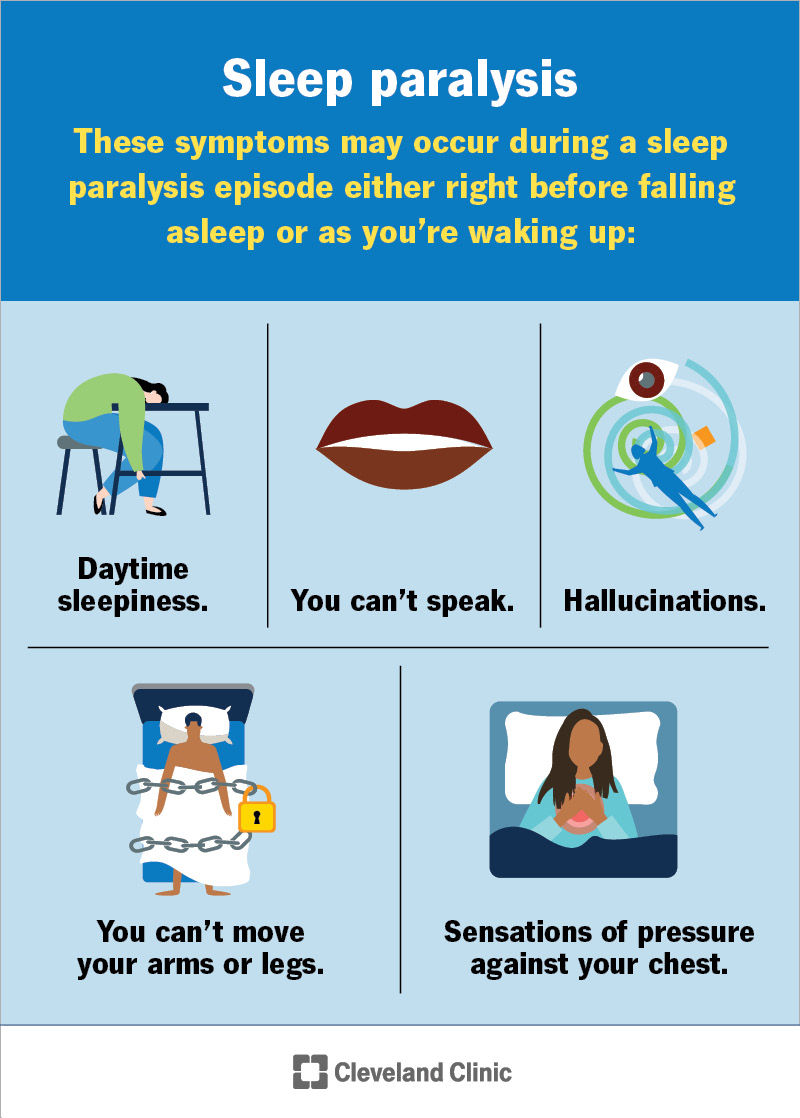
Sleep paralysis is a feeling of being conscious but unable to move or speak, often accompanied by a sense of pressure on the chest or a feeling of suffocation. It usually occurs as you are falling asleep or waking up, during the transition between stages of wakefulness and sleep.
How Common is Sleep Paralysis?
Sleep paralysis is actually quite common, with up to 40% of people experiencing it at least once in their lifetime. It can affect people of all ages, but it is most commonly reported in young adults and women.
Causes of Sleep Paralysis
There are several factors that can contribute to the occurrence of sleep paralysis. By understanding these causes, you can take steps to prevent it from happening to you.
Sleep Deprivation
One of the primary causes of sleep paralysis is a lack of sleep or irregular sleep patterns. When you do not get enough restorative sleep, your brain may struggle to transition smoothly between the different sleep stages, leading to disruptions that can manifest as sleep paralysis.
Irregular Sleep Schedule
Having an irregular sleep schedule, such as staying up late on weekends or working night shifts, can disrupt your circadian rhythm. This disruption can increase the likelihood of experiencing sleep paralysis, as your body’s internal clock may struggle to regulate your sleep-wake cycles effectively.
Stress and Anxiety
Mental health factors, such as stress and anxiety, can play a significant role in the onset of sleep paralysis. High levels of stress and anxiety can interfere with your ability to relax and fall asleep, making you more susceptible to experiencing sleep paralysis episodes.
Sleep Disorders
Certain sleep disorders, such as narcolepsy or insomnia, can also contribute to the occurrence of sleep paralysis. These conditions can disrupt your sleep patterns and make it more likely for you to experience episodes of paralysis during the night.
Sleeping on Your Back
Sleeping on your back can increase the likelihood of experiencing sleep paralysis. This position can make it easier for your airway to become blocked, leading to breathing difficulties that may trigger a paralysis episode.
Genetics
There may be a genetic component to sleep paralysis, as some research suggests that individuals with a family history of the condition may be more prone to experiencing it themselves. However, more studies are needed to fully understand the genetic factors at play.
How to Prevent Sleep Paralysis
While sleep paralysis can be a frightening experience, there are steps you can take to reduce its occurrence and get a better night’s sleep.
Maintain a Consistent Sleep Schedule
One of the most effective ways to prevent sleep paralysis is to maintain a consistent sleep schedule. Aim to go to bed and wake up at the same time every day, even on weekends, to help regulate your body’s internal clock and promote better sleep.
Create a Relaxing Bedtime Routine
Establishing a relaxing bedtime routine can signal to your body that it is time to wind down and prepare for sleep. Avoid stimulating activities, such as watching TV or using electronic devices, in the hour leading up to bedtime, and opt for calming activities like reading or taking a warm bath instead.
Manage Stress and Anxiety
Practicing stress-reducing techniques, such as mindfulness meditation or deep breathing exercises, can help alleviate feelings of anxiety and promote relaxation before bed. Finding healthy ways to manage stress in your daily life can also reduce the likelihood of experiencing sleep paralysis.
Sleep in a Comfortable Environment
Create a comfortable sleep environment that is conducive to restful sleep. Keep your bedroom cool, dark, and quiet, and invest in a supportive mattress and pillows to promote proper sleep posture.
Avoid Sleeping on Your Back
If you are prone to sleep paralysis, avoid sleeping on your back, as this position can increase the risk of experiencing episodes of paralysis. Instead, try sleeping on your side to help keep your airway open and reduce the likelihood of breathing difficulties during the night.
Seek Treatment for Underlying Sleep Disorders
If you suspect that an underlying sleep disorder may be contributing to your sleep paralysis, seek professional help for diagnosis and treatment. Conditions like narcolepsy or insomnia can be effectively managed with the right treatment plan, reducing the frequency of sleep paralysis episodes.

Conclusion
Sleep paralysis can be a distressing experience, but by understanding its causes and implementing preventive measures, you can reduce its occurrence and enjoy a more restful night’s sleep. Maintaining a healthy sleep routine, managing stress and anxiety, and creating a comfortable sleep environment are all essential steps in preventing sleep paralysis. Remember, if you continue to experience frequent episodes of sleep paralysis despite trying these strategies, seek advice from a healthcare professional for further guidance and support.
