
Have you ever experienced a state of half-wakefulness while feeling completely paralyzed, unable to move or speak? If so, you may have experienced sleep paralysis. This phenomenon can be deeply unsettling and often leaves individuals feeling scared and confused. However, sometimes associated with sleep paralysis is a heightened state of alertness known as hypervigilance. In this article, we will explore the concept of hypervigilance in individuals with sleep paralysis, its symptoms, and how it can be addressed.
Understanding Sleep Paralysis
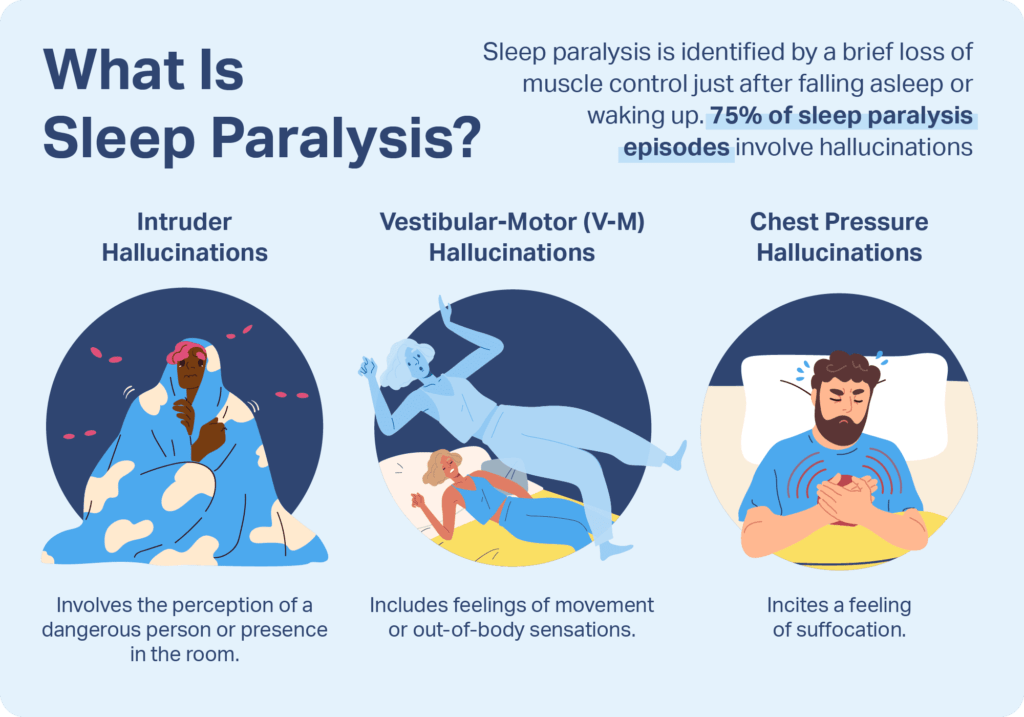
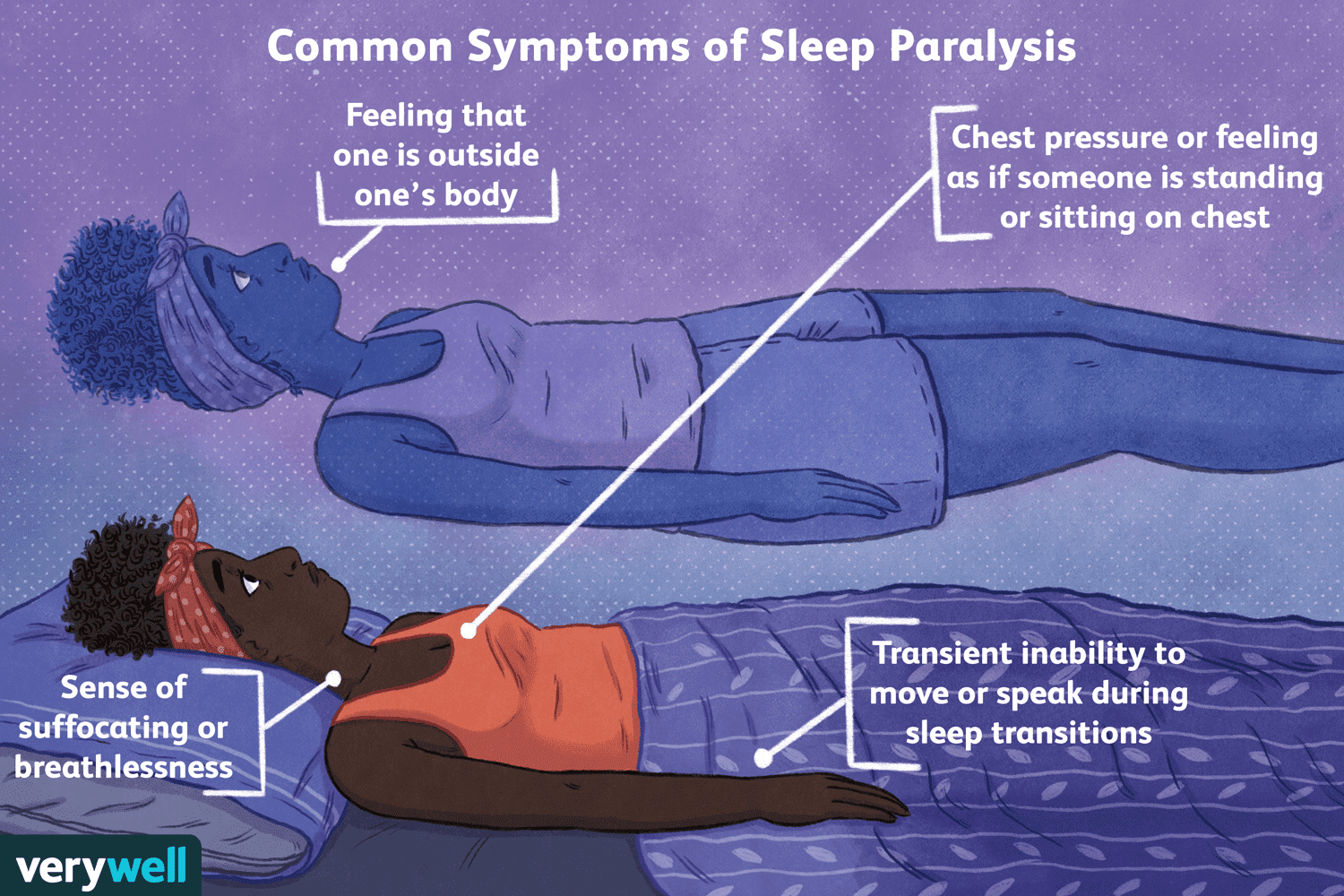
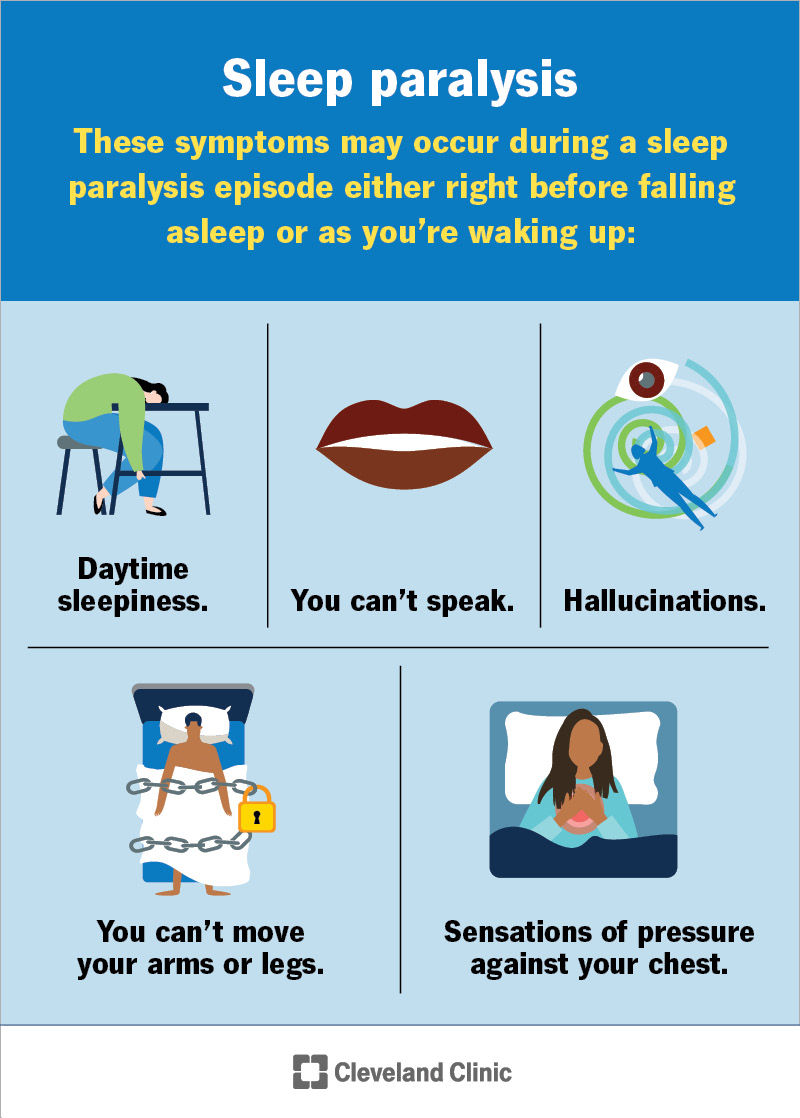
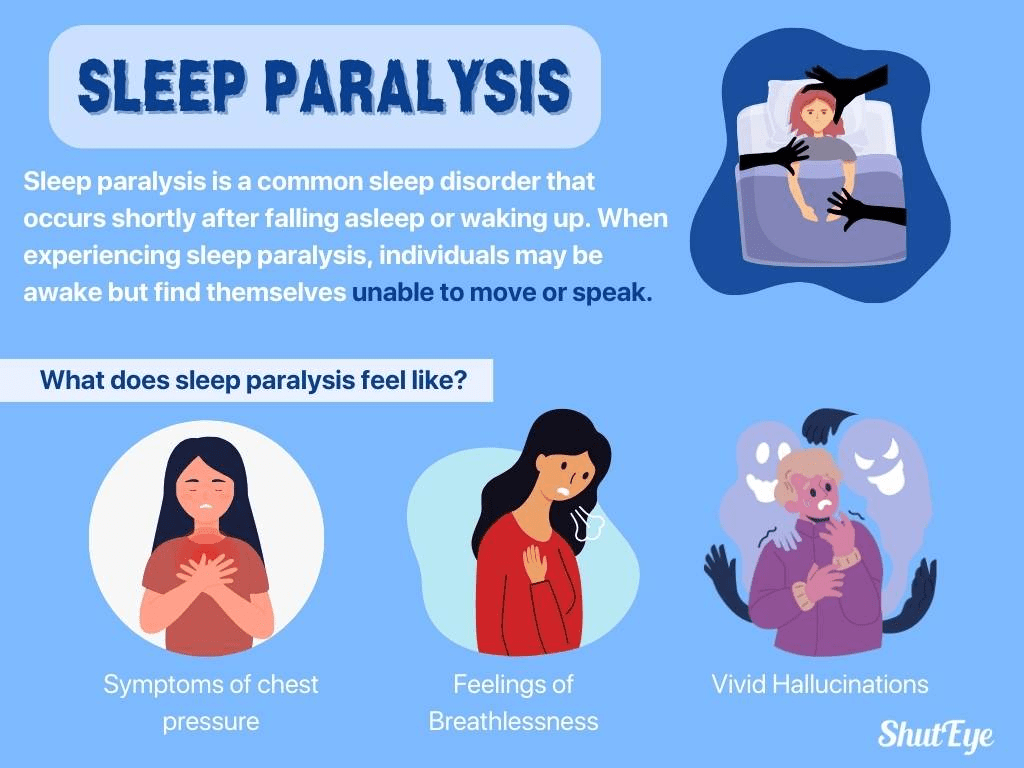
Sleep paralysis is a phenomenon that occurs when a person is either falling asleep or waking up and finds themselves unable to move or speak. This temporary inability to move or speak is often accompanied by vivid hallucinations, which can be frightening for those experiencing it. While the exact cause of sleep paralysis is not fully understood, it is most commonly associated with sleep deprivation, irregular sleep schedules, stress, and underlying sleep disorders.
What Happens During Sleep Paralysis
During sleep paralysis, your mind is awake, but your body is still in a state of sleep. This disconnect between the mind and body can lead to a feeling of helplessness and fear. It is important to understand that sleep paralysis is a relatively common experience and is not usually a cause for concern. However, when it becomes a frequent occurrence, it can have a significant impact on an individual’s mental and emotional well-being.
What is Hypervigilance?
Hypervigilance is a state of heightened alertness and sensitivity to potential threats in the environment. In the context of sleep paralysis, hypervigilance can exacerbate feelings of fear and anxiety during episodes of paralysis. Individuals who experience hypervigilance may constantly scan their surroundings for danger, leading to increased stress and difficulty relaxing.
Symptoms of Hypervigilance
Symptoms of hypervigilance may include:
- Feeling constantly on edge
- Difficulty concentrating
- Irritability
- Difficulty falling or staying asleep
- Heightened startle response
- Avoiding situations that may trigger feelings of anxiety
Impact of Hypervigilance on Mental Health
Hypervigilance can have a significant impact on an individual’s mental health, leading to increased levels of stress, anxiety, and even depression. In the context of sleep paralysis, hypervigilance can make episodes of paralysis more intense and distressing. It is essential to recognize and address hypervigilance to improve overall well-being and quality of life.
Recognizing Hypervigilance in Individuals with Sleep Paralysis
Recognizing hypervigilance in individuals who experience sleep paralysis can be challenging, as the symptoms of hypervigilance may be mistaken for symptoms of anxiety or panic attacks. However, by understanding the unique relationship between hypervigilance and sleep paralysis, it becomes easier to recognize the signs and symptoms of hypervigilance in this specific context.
Signs of Hypervigilance in Individuals with Sleep Paralysis
Some signs of hypervigilance in individuals with sleep paralysis may include:
- Heightened awareness of surroundings during episodes of paralysis
- Difficulty relaxing or falling asleep after experiencing sleep paralysis
- Persistent feelings of fear, anxiety, or stress related to sleep paralysis
- Avoidance of situations or triggers that may lead to sleep paralysis episodes
- Increased sensitivity to noise or movement during sleep
Talking to a Healthcare Provider
If you suspect that you or someone you know is experiencing hypervigilance in the context of sleep paralysis, it is essential to speak to a healthcare provider for guidance and support. A healthcare provider can help assess symptoms, provide resources for managing hypervigilance, and offer treatment options to improve overall well-being.
Addressing Hypervigilance in Individuals with Sleep Paralysis
Addressing hypervigilance in individuals with sleep paralysis involves a combination of self-care strategies, lifestyle modifications, and potentially professional intervention. By taking proactive steps to address hypervigilance, individuals with sleep paralysis can reduce feelings of fear and anxiety, improve sleep quality, and enhance overall mental well-being.
Self-Care Strategies
Self-care strategies can be effective in managing hypervigilance in individuals with sleep paralysis. Some self-care strategies may include:
- Practicing relaxation techniques such as deep breathing, meditation, or yoga
- Establishing a consistent sleep schedule and creating a relaxing bedtime routine
- Engaging in regular exercise to reduce stress and improve overall well-being
- Limiting caffeine and alcohol intake, especially close to bedtime
- Seeking support from friends, family, or support groups to discuss feelings and experiences related to sleep paralysis
Lifestyle Modifications
Modifying certain lifestyle habits can also help address hypervigilance in individuals with sleep paralysis. Some lifestyle modifications may include:
- Creating a comfortable and calming sleep environment to promote restful sleep
- Avoiding stimulating activities such as watching TV or using electronic devices before bedtime
- Maintaining a healthy diet rich in fruits, vegetables, whole grains, and lean protein
- Practicing good sleep hygiene by avoiding naps during the day and establishing a regular bedtime routine
Professional Intervention
In some cases, professional intervention may be necessary to address hypervigilance in individuals with sleep paralysis. A healthcare provider may recommend therapy, medication, or other interventions to help individuals manage feelings of fear, anxiety, and stress related to sleep paralysis. It is essential to work with a healthcare provider to develop a personalized treatment plan that addresses the unique needs and symptoms of each individual.
Conclusion
In conclusion, hypervigilance in individuals with sleep paralysis can exacerbate feelings of fear, anxiety, and stress during episodes of paralysis. By recognizing the signs and symptoms of hypervigilance and taking proactive steps to address it, individuals with sleep paralysis can improve their overall well-being and quality of life. If you or someone you know is experiencing hypervigilance in the context of sleep paralysis, it is essential to seek guidance and support from a healthcare provider. Remember that you are not alone, and there are resources available to help you navigate your experience with sleep paralysis and hypervigilance.
