

In the article “Understanding the Causes Behind Sleep Paralysis,” you will explore the various factors that contribute to this mysterious sleep disorder. From physiological reasons such as disrupted REM sleep to psychological triggers like stress and anxiety, understanding the complex interplay of these causes can shed light on why some individuals experience episodes of sleep paralysis. By delving into the intricate mechanisms of the brain during sleep, you will gain a deeper appreciation for the underlying reasons behind this unsettling phenomenon. Have you ever experienced the terrifying sensation of waking up from sleep only to find yourself unable to move, speak, or even open your eyes? If so, you may have experienced sleep paralysis. This unsettling phenomenon can be frightening and confusing, leaving many people wondering what causes it to occur. In this article, we will explore the various causes behind sleep paralysis and delve into the science behind this mysterious condition.
What is Sleep Paralysis?
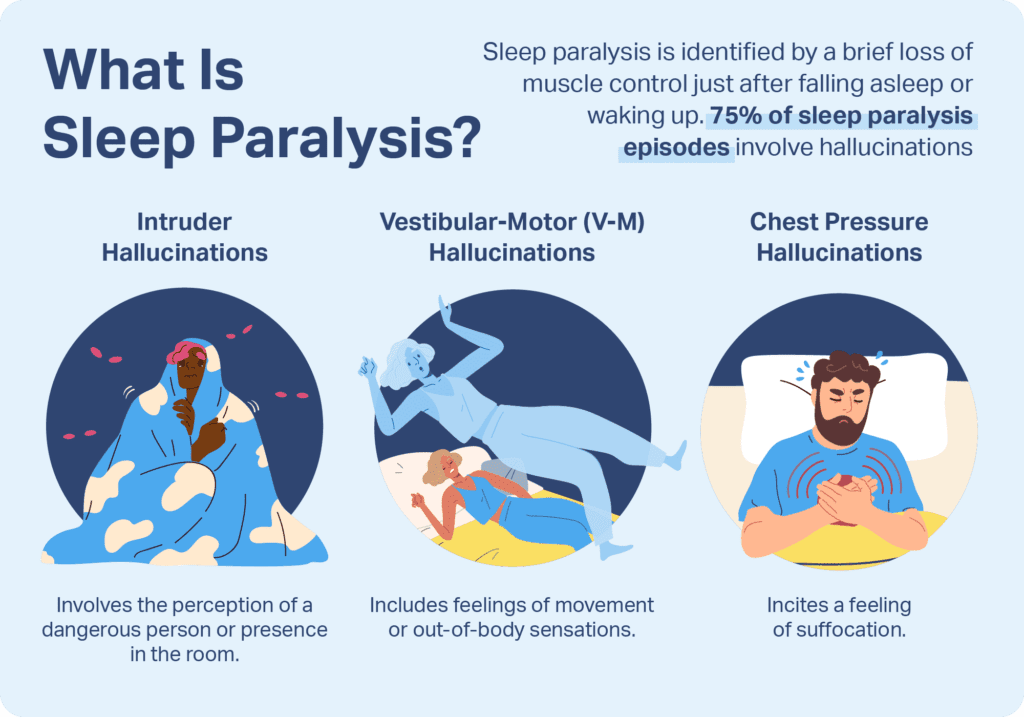
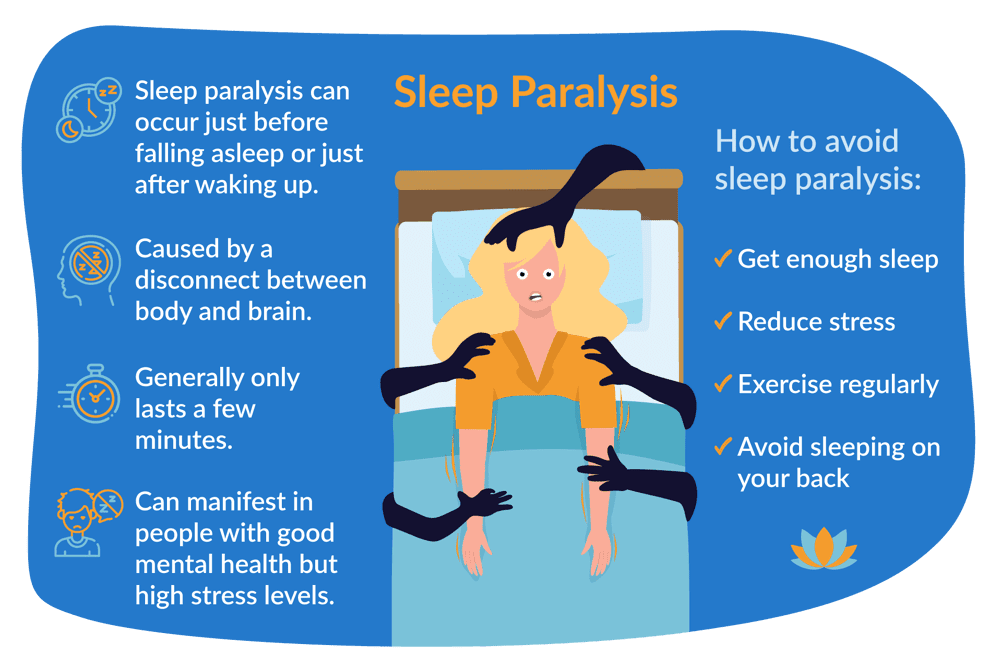
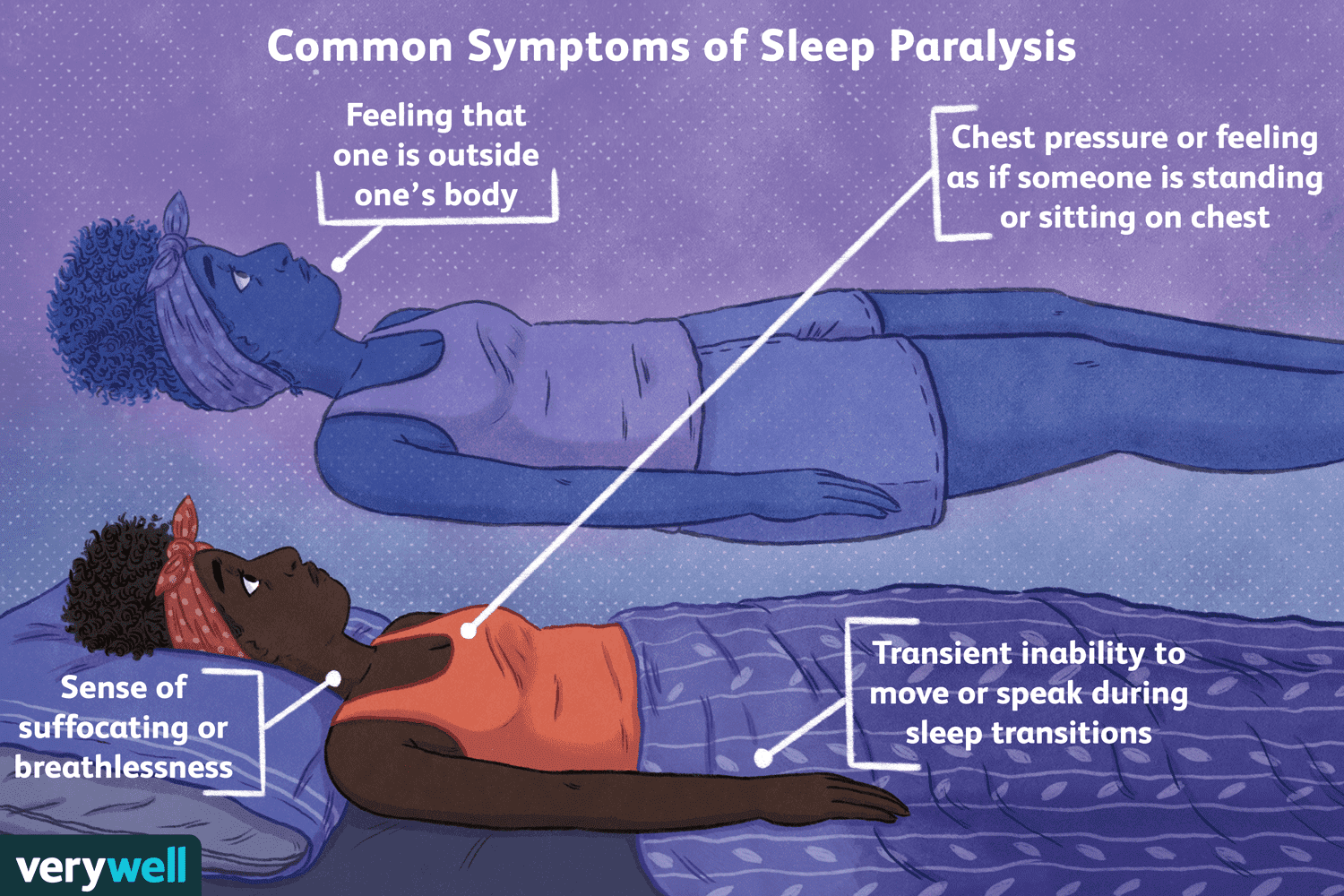
Sleep paralysis is a phenomenon that occurs either when falling asleep or waking up. During sleep paralysis, the individual is aware of their surroundings but unable to move or speak. This often lasts for a few seconds to a few minutes, but can feel like much longer to the individual experiencing it. Sleep paralysis is often accompanied by feelings of fear, dread, and the sensation of pressure on the chest.
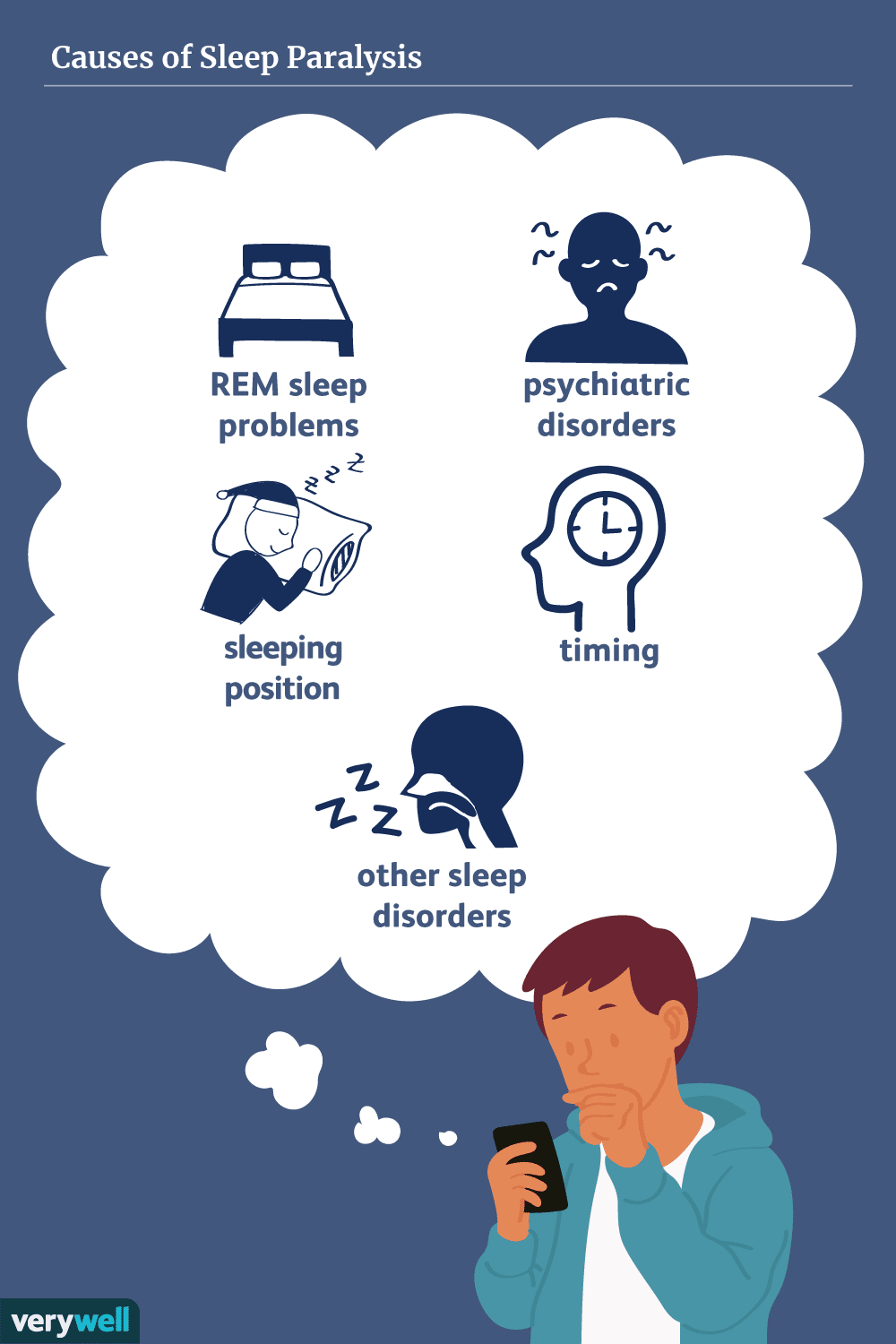
Research suggests that sleep paralysis may be linked to disrupted REM (rapid eye movement) sleep, a stage of sleep where dreaming occurs. During REM sleep, the body becomes temporarily paralyzed to prevent individuals from acting out their dreams. If this process is not functioning properly, it can lead to episodes of sleep paralysis.
The Role of Dreaming in Sleep Paralysis
Dreaming plays a significant role in the occurrence of sleep paralysis. During the REM stage of sleep, the brain is highly active, and vivid dreams can occur. In individuals with sleep paralysis, there may be a disruption in the brain’s ability to transition smoothly between dreaming and waking states. This disruption can lead to the individual becoming conscious while their body remains in a state of paralysis, resulting in the sensation of being trapped in a dream-like state.
The fear and anxiety often associated with sleep paralysis may be exacerbated by the vivid, often hallucinatory nature of dreams experienced during this phenomenon. These dreams can be perceived as threatening or scary, amplifying the individual’s feelings of helplessness during an episode of sleep paralysis.
The Link Between Sleep Disorders and Sleep Paralysis
Sleep disorders such as narcolepsy and insomnia have been closely linked to an increased risk of experiencing sleep paralysis. Researchers believe that disruptions in the normal sleep cycle can lead to an increased occurrence of sleep paralysis episodes.
Individuals with narcolepsy, a chronic neurological disorder characterized by excessive daytime sleepiness and sudden onset of REM sleep, are particularly prone to experiencing sleep paralysis. The irregularities in REM sleep patterns associated with narcolepsy can increase the likelihood of sleep paralysis episodes. Similarly, individuals with insomnia, a condition characterized by difficulty falling and staying asleep, may also be at a higher risk of experiencing sleep paralysis due to disruptions in their sleep cycle.
Tips for Managing Sleep Disorders and Sleep Paralysis
Dealing with sleep disorders can be challenging, but there are several strategies that can help manage symptoms and reduce the occurrence of sleep paralysis episodes. Here are some tips for managing sleep disorders and sleep paralysis:
- Establish a consistent sleep schedule: Going to bed and waking up at the same time every day can help regulate your body’s internal clock and promote healthy sleep patterns.
- Create a relaxing bedtime routine: Engage in calming activities such as reading, listening to soothing music, or taking a warm bath before bedtime to help signal to your body that it is time to sleep.
- Create a sleep-friendly environment: Keep your bedroom cool, dark, and quiet to promote restful sleep. Invest in a comfortable mattress and pillows to ensure a good night’s rest.
- Avoid stimulants close to bedtime: Caffeine, nicotine, and other stimulants can interfere with your ability to fall asleep. Avoid consuming these substances in the hours leading up to bedtime.
- Seek professional help: If you are experiencing frequent sleep paralysis episodes or are struggling with a sleep disorder, it is important to consult with a healthcare provider or sleep specialist for proper diagnosis and treatment.
Psychological Factors Contributing to Sleep Paralysis
In addition to physiological factors, psychological factors can also play a role in the occurrence of sleep paralysis. Stress, anxiety, and other mental health conditions can exacerbate the frequency and intensity of sleep paralysis episodes.
Research suggests that individuals who experience high levels of stress or anxiety may be more likely to experience sleep paralysis. The heightened emotional arousal associated with these conditions can disrupt sleep patterns and increase the risk of episodes of sleep paralysis. Additionally, individuals with post-traumatic stress disorder (PTSD) may be more prone to experiencing sleep paralysis due to the impact of trauma on their sleep quality and patterns.
Coping Strategies for Managing Stress and Anxiety
Managing stress and anxiety can help reduce the occurrence of sleep paralysis episodes and improve overall sleep quality. Here are some coping strategies for managing stress and anxiety:
- Practice relaxation techniques: Deep breathing exercises, meditation, and progressive muscle relaxation can help calm the mind and body, reducing stress and anxiety levels.
- Exercise regularly: Physical activity is a natural stress reliever and can help improve sleep quality. Aim for at least 30 minutes of moderate exercise most days of the week.
- Maintain a healthy lifestyle: Eating a balanced diet, staying hydrated, and avoiding excess alcohol and tobacco can help support overall health and well-being.
- Seek support: Talking to a therapist, counselor, or trusted friend or family member can provide emotional support and help you work through stressors and anxieties that may be contributing to sleep paralysis.
The Role of Genetics in Sleep Paralysis
Genetic factors may also contribute to the occurrence of sleep paralysis. Research suggests that individuals with a family history of sleep disorders, such as narcolepsy or insomnia, may be at a higher risk of experiencing sleep paralysis.
Additionally, certain genetic mutations or variations may impact an individual’s ability to regulate their sleep-wake cycle, increasing the likelihood of disruptions in REM sleep and subsequent episodes of sleep paralysis. While the exact genes responsible for sleep paralysis have yet to be identified, ongoing research is shedding light on the genetic underpinnings of this phenomenon.
Genetic Counseling and Testing for Sleep Disorders
If you have a family history of sleep disorders or suspect that genetic factors may be contributing to your sleep paralysis episodes, genetic counseling and testing may be beneficial. A genetic counselor can help assess your risks, provide information on genetic testing options, and offer guidance on managing and coping with inherited sleep disorders.
Genetic testing for sleep disorders may involve analyzing your DNA to identify mutations or variations associated with specific sleep disorders. This information can help healthcare providers tailor treatment plans and interventions to address your unique genetic profile and optimize your sleep health.
Environmental Factors Influencing Sleep Paralysis
In addition to genetic and psychological factors, environmental factors can also influence the occurrence of sleep paralysis. Factors such as sleep deprivation, shift work, and sleep disturbances can disrupt the normal sleep cycle and increase the likelihood of experiencing sleep paralysis.
Sleep deprivation, or not getting enough sleep on a regular basis, can significantly impact your overall health and well-being. Chronic sleep deprivation can disrupt REM sleep patterns, increase feelings of fatigue and irritability, and contribute to the occurrence of sleep paralysis episodes. Shift work, which involves working irregular or overnight hours, can also disrupt the body’s natural sleep-wake cycle and increase the risk of sleep paralysis.
Tips for Improving Sleep Hygiene
Improving your sleep hygiene can help promote restful sleep and reduce the occurrence of sleep paralysis episodes. Here are some tips for enhancing your sleep environment and habits:
- Create a sleep-conducive environment: Keep your bedroom cool, dark, and quiet to promote restful sleep. Invest in a comfortable mattress and pillows to support healthy sleep posture.
- Limit screen time before bed: Exposure to blue light from screens can interfere with your body’s production of melatonin, a hormone that regulates sleep. Avoid using electronic devices close to bedtime.
- Practice good sleep habits: Establish a bedtime routine and stick to a consistent sleep schedule to help regulate your body’s internal clock. Avoid napping during the day to ensure you are tired at bedtime.
- Address sleep disturbances: If you have difficulty falling or staying asleep, talk to your healthcare provider about potential underlying sleep disorders or conditions that may be contributing to your sleep paralysis episodes.
Conclusion
Sleep paralysis is a complex and multifaceted phenomenon that can be influenced by a variety of factors, including physiological, psychological, genetic, and environmental influences. By understanding the causes behind sleep paralysis and recognizing the role that these factors play in its occurrence, individuals may be better equipped to manage and mitigate the frequency and intensity of sleep paralysis episodes. Seeking professional help, implementing coping strategies for managing stress and anxiety, and adopting healthy sleep habits can all contribute to improving sleep quality and reducing the impact of sleep paralysis on overall well-being.
In conclusion, sleep paralysis is a fascinating yet unsettling experience that highlights the intricate relationship between the mind and body during sleep. By exploring the causes behind sleep paralysis and implementing strategies for addressing contributing factors, individuals can gain a better understanding of this phenomenon and take proactive steps towards improving their sleep health and overall quality of life.