Can Sleep Paralysis Occur During Naps?
Can sleep paralysis occur during naps? It’s a common question that many people have, especially those who have experienced this unsettling phenomenon. In this article, we’ll explore the connection between sleep paralysis and napping, providing you with valuable information to understand this experience better.
What is Sleep Paralysis?
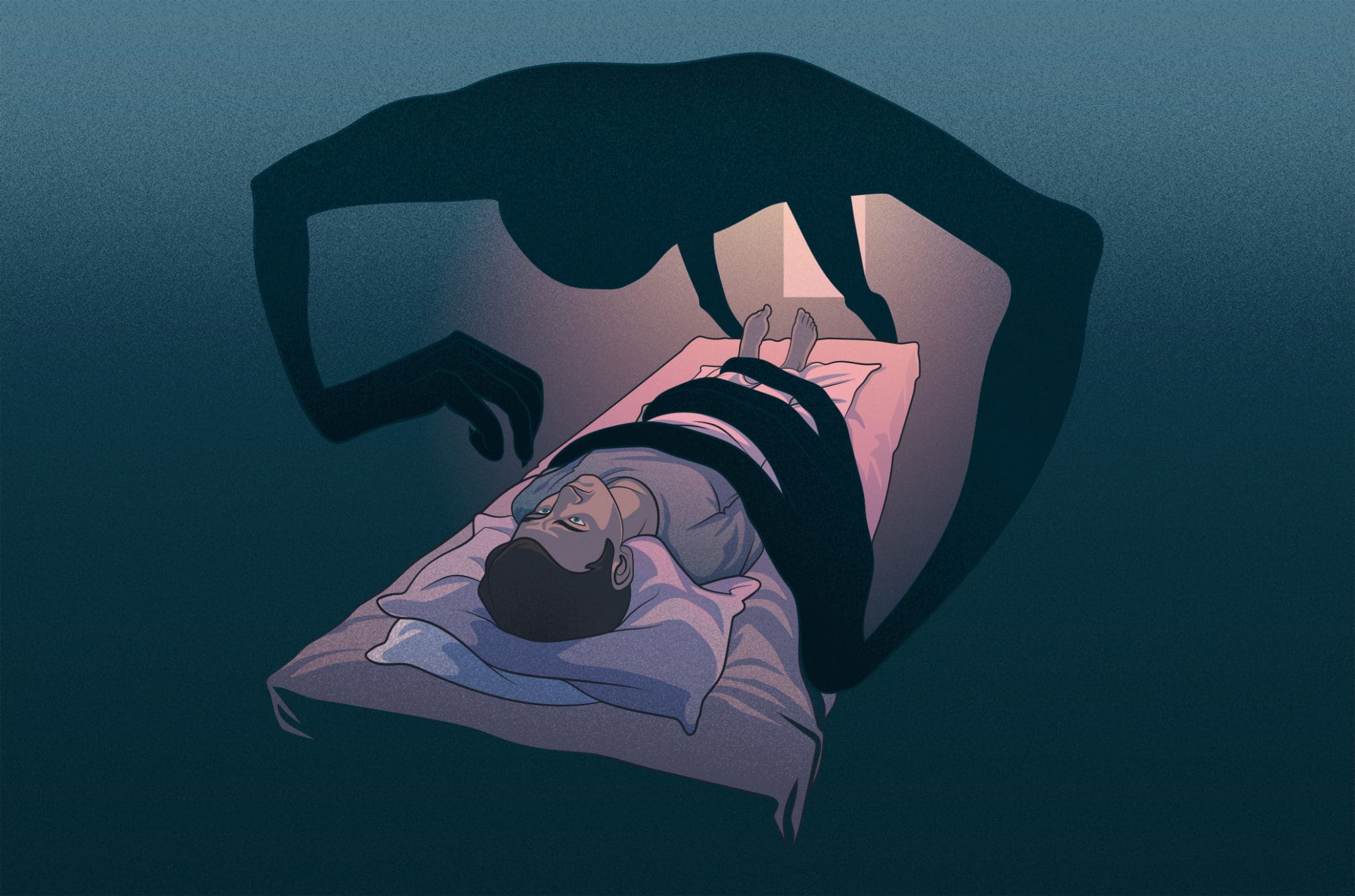
Before diving into the topic of sleep paralysis during naps, let’s first understand what sleep paralysis is. Sleep paralysis is a phenomenon that occurs when a person is either falling asleep or waking up. During this state, the individual is aware of their surroundings but unable to move or speak. This can be a frightening experience, as it may feel like you are trapped in your own body.
Understanding the Sleep-Wake Cycle
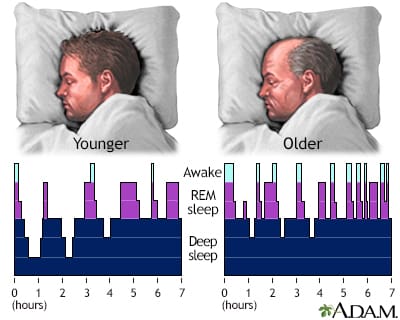
To understand why sleep paralysis occurs, it’s essential to grasp the basics of the sleep-wake cycle. The sleep-wake cycle consists of different stages, including non-REM (Rapid Eye Movement) sleep and REM sleep. During REM sleep, your brain is highly active, and your body is in a state of temporary paralysis to prevent you from acting out your dreams. Sleep paralysis can occur when this paralysis extends into wakefulness, leading to a disconnection between the mind and body.

Sleep Paralysis During Naps
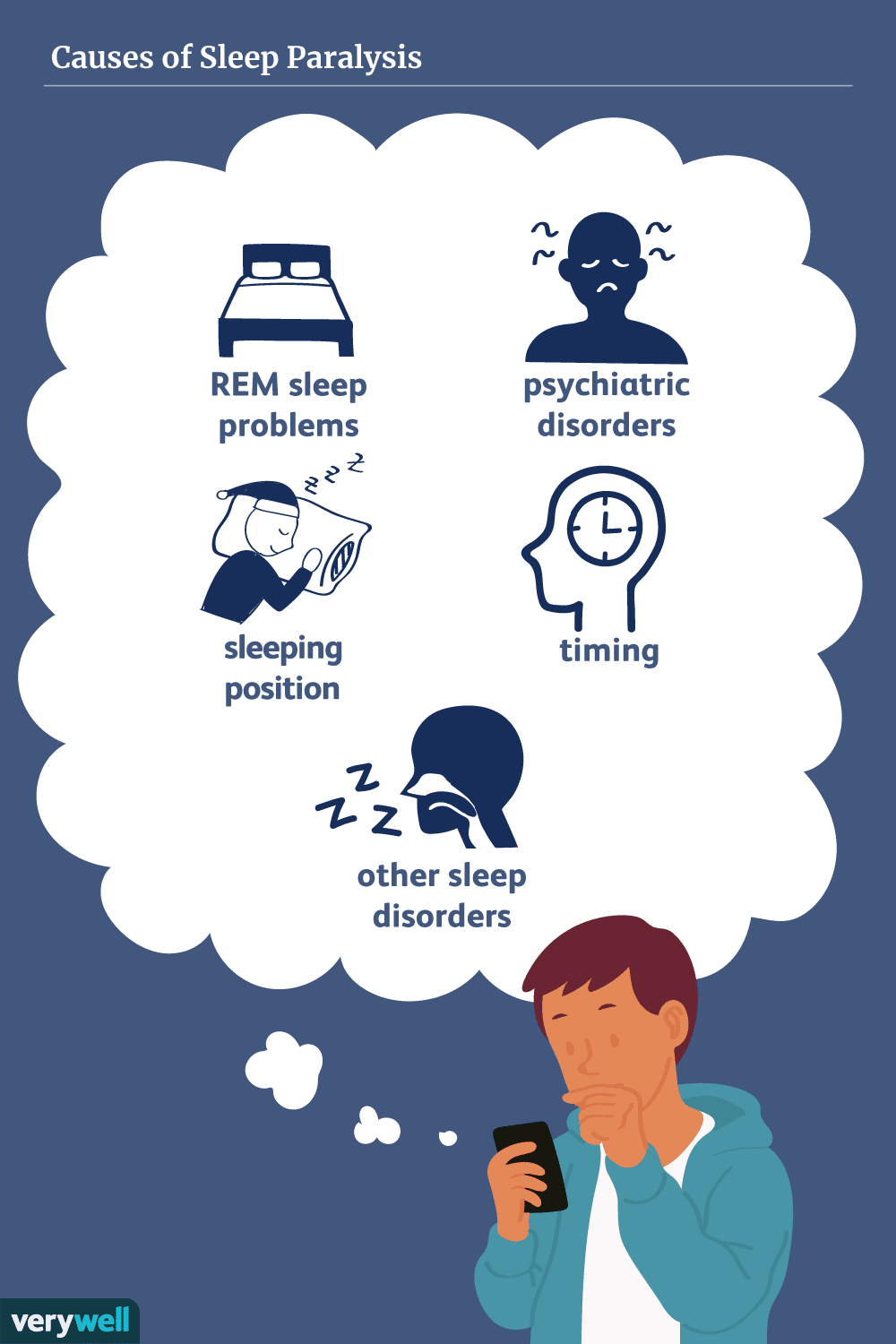
Now, let’s address the main question: can sleep paralysis occur during naps? The short answer is yes, sleep paralysis can indeed happen during naps. Napping can disrupt the natural sleep cycle, making it more likely for sleep paralysis to occur. Here are a few reasons why sleep paralysis might happen during naps:
Disrupted Sleep Patterns
Napping at irregular times, such as in the middle of the day, can disrupt your natural sleep patterns. This disruption can confuse your brain and body, increasing the chances of experiencing sleep paralysis during a nap.
Stress and Anxiety
Stress and anxiety can also contribute to sleep paralysis during naps. The heightened state of alertness caused by stress can make it more difficult for your body to transition between sleep stages smoothly, leading to episodes of sleep paralysis.
Lack of Sleep Hygiene
Poor sleep hygiene, such as napping in a brightly lit room or with distractions, can impact the quality of your nap. These environmental factors can make it harder for your body to relax and enter a state of deep sleep, potentially triggering sleep paralysis.
Tips to Prevent Sleep Paralysis During Naps
While sleep paralysis during naps can be unsettling, there are steps you can take to reduce the likelihood of experiencing it. Here are some tips to help prevent sleep paralysis during naps:
Stick to a Consistent Sleep Schedule
Maintaining a consistent sleep schedule can help regulate your body’s internal clock, making it easier to fall asleep and wake up without disruptions. Try to nap at the same time each day to minimize the risk of sleep paralysis.
Create a Relaxing Nap Environment
Create a relaxing nap environment by dimming the lights, reducing noise, and using comfortable bedding. Creating a calming atmosphere can help your body relax and enter a restful sleep state, reducing the chances of experiencing sleep paralysis.
Practice Stress-Relief Techniques
Engaging in stress-relief techniques such as deep breathing, meditation, or yoga can help reduce your overall stress levels. Lowering stress and anxiety can make it easier for your body to transition between sleep stages smoothly, decreasing the likelihood of sleep paralysis.
Avoid Stimulants Before Napping
Avoid consuming stimulants such as caffeine or nicotine before taking a nap. These substances can interfere with your ability to relax and fall asleep, making it more likely for sleep paralysis to occur.
Seeking Professional Help
If you find yourself experiencing sleep paralysis frequently during naps or if it significantly impacts your daily life, it may be time to seek professional help. A healthcare provider or sleep specialist can help identify any underlying sleep disorders or conditions contributing to sleep paralysis and provide appropriate treatment options.
Consult a Healthcare Provider
Schedule a visit with a healthcare provider if you experience frequent episodes of sleep paralysis during naps. A healthcare provider can conduct a thorough evaluation to determine the underlying cause of your sleep paralysis and recommend treatment options tailored to your needs.
Consider a Sleep Study
In some cases, a sleep study may be recommended to evaluate your sleep patterns and identify any potential sleep disorders contributing to sleep paralysis. A sleep study involves monitoring your sleep cycles, breathing patterns, and body movements while you nap, providing valuable insights into your sleep health.
Conclusion
In conclusion, yes, sleep paralysis can occur during naps. Napping at irregular times, stress, anxiety, and poor sleep hygiene can all contribute to the likelihood of experiencing sleep paralysis during a nap. By maintaining a consistent sleep schedule, creating a relaxing nap environment, practicing stress-relief techniques, and avoiding stimulants before napping, you can reduce the risk of sleep paralysis. If sleep paralysis persists or significantly impacts your quality of life, consider seeking professional help to address any underlying sleep disorders or conditions. Remember, you are not alone in this experience, and there are resources available to help you navigate through it.