
In the article titled “Awakening from the Nightmare: Understanding Sleep Paralysis,” we explore the perplexing phenomenon of sleep paralysis – a state in which an individual is temporarily unable to move or speak during the transition between sleep and wakefulness. As we delve into the intricacies of this haunting experience, we aim to shed light on the underlying causes, associated symptoms, and potential treatments, thus providing the reader with a comprehensive understanding of sleep paralysis and its impact on individuals who endure it.
What is Sleep Paralysis?
Sleep paralysis is a sleep disorder characterized by the temporary inability to move or speak while transitioning between sleep and wakefulness. It is often accompanied by vivid hallucinations and a sense of impending danger or doom. Individuals experiencing sleep paralysis are often awake and aware of their surroundings but are unable to move their voluntary muscles or vocalize. It typically lasts for a few seconds to a couple of minutes and can leave individuals feeling frightened and distressed.
Definition
Sleep paralysis is defined as a state of temporary muscle atonia that occurs during the transitions between sleep and wakefulness. This paralysis is believed to be a protective mechanism that prevents individuals from acting out their dreams during sleep. While it is a normal phenomenon that occurs during rapid eye movement (REM) sleep, individuals with sleep paralysis experience an abnormal continuation of this muscle paralysis upon awakening.
Prevalence
Sleep paralysis is relatively common, with estimates suggesting that approximately 8% to 50% of the general population may experience it at least once in their lifetime. It tends to occur more frequently in individuals with certain risk factors, such as those with sleep disorders like narcolepsy, insomnia, or sleep apnea. It can affect individuals of any age, but it appears to be more prevalent in teenagers and young adults.
Symptoms
The primary symptom of sleep paralysis is the inability to move or speak despite being fully conscious. Individuals often report a sense of pressure on their chests and a feeling of being pinned down or suffocated. Hallucinations, both visual and auditory, are also common during episodes of sleep paralysis. These hallucinations often involve terrifying images or sounds, such as shadowy figures or menacing voices. The combined experience of immobility, sensory hallucinations, and a sense of imminent danger can lead to significant distress and fear.
Causes
The exact causes of sleep paralysis are still not fully understood. However, several factors have been identified as possible contributors to the development of this sleep disorder. Sleep deprivation, irregular sleep schedules, and disrupted sleep patterns are believed to increase the likelihood of experiencing sleep paralysis. Other potential causes include sleep disorders, such as narcolepsy, as well as stress, anxiety, and certain medications. Additionally, there may be a genetic component involved, as some studies have shown an increased prevalence of sleep paralysis in individuals with a family history of the disorder.
The Science Behind Sleep Paralysis
Understanding the science behind sleep paralysis requires an exploration of sleep stages, the phenomenon of rapid eye movement (REM) sleep, hypnagogic/hypnopompic hallucinations, muscle atonia, and various neurological factors.
Sleep Stages
Sleep is a complex process consisting of distinct stages that cycle throughout the night. There are two main types of sleep: non-rapid eye movement (NREM) sleep and rapid eye movement (REM) sleep. NREM sleep is further divided into three stages: N1, N2, and N3. REM sleep is the stage associated with dreaming and the occurrence of sleep paralysis.
Rapid Eye Movement (REM) Sleep
REM sleep is characterized by increased brain activity, rapid eye movements, and muscle atonia. During this stage, the brain displays patterns similar to those seen when awake, and dreaming is most likely to occur. The onset of REM sleep typically follows a cycle of NREM sleep stages, with each REM period becoming longer as the night progresses. It is during REM sleep that sleep paralysis can occur.
Hypnagogic/Hypnopompic Hallucinations
Hypnagogic hallucinations are vivid sensory experiences that occur just before falling asleep, while hypnopompic hallucinations occur upon waking up. These hallucinations can range from simple images and sounds to complex and frightening scenarios. In the context of sleep paralysis, these hallucinations often occur concurrently with the experience of paralysis, leading to a heightened sense of fear and dread.
Muscle Atonia
Muscle atonia is a natural state of temporary muscle paralysis that occurs during REM sleep. It is believed to be the result of inhibitory signals generated by the brain to prevent us from acting out our dreams. In individuals with sleep paralysis, this muscle atonia persists beyond the cessation of REM sleep and into the wakening state, causing them to be aware of their surroundings but unable to move.
Neurological Factors
Research suggests that certain neurological factors may contribute to the occurrence of sleep paralysis. Dysfunction in the areas of the brain responsible for regulating sleep and wakefulness, such as the brainstem and thalamus, may play a role. Additionally, imbalances in neurotransmitters, such as serotonin and dopamine, have been implicated in the development of sleep paralysis. Further research is needed to fully understand the neurological mechanisms underlying this phenomenon.
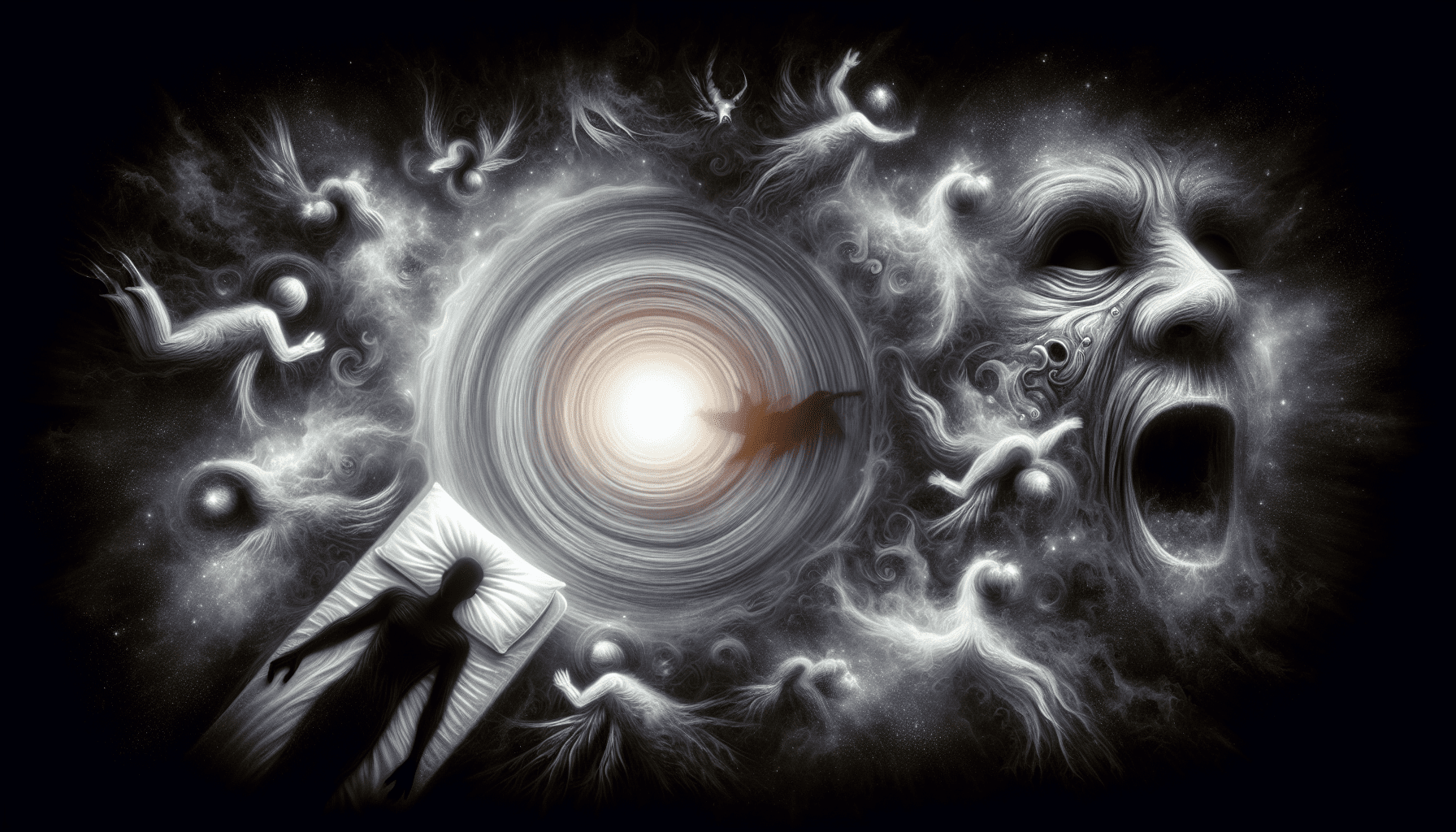
Cultural Interpretations and Legends
Sleep paralysis has long been a topic of fascination and cultural interpretation. Throughout history, various accounts, folklore, and myths have emerged to explain the experience of sleep paralysis across different cultures.
Historical Accounts
Historical records reveal that sleep paralysis has been documented for centuries, often attributed to supernatural and paranormal forces. Ancient texts from different civilizations describe encounters with demonic entities or otherworldly beings associated with sleep paralysis. Stories and accounts from cultures around the world provide insights into how sleep paralysis has been perceived and understood throughout history.
Folklore and Mythology
Sleep paralysis has played a significant role in the folklore and mythology of numerous cultures. In some traditions, sleep paralysis is believed to be the work of malevolent spirits, witches, or demons who attack individuals while they sleep. These entities are said to cause the immobility and terrifying hallucinations associated with sleep paralysis, feeding off the fear and distress experienced by the afflicted.
The Sleep Demon Phenomenon
A prevalent feature in cultural interpretations of sleep paralysis is the concept of the “sleep demon” or “night hag.” Across different cultures, this entity is often described as a malevolent spirit or an otherworldly creature that visits individuals during episodes of sleep paralysis. These encounters are typically accompanied by feelings of suffocation, pressure on the chest, and a strong sense of fear and dread.
Cross-Cultural Experiences
While specific cultural interpretations and legends may differ, the experience of sleep paralysis shares common themes across different societies. The universality of the phenomenon suggests that sleep paralysis is a fundamental human experience, shaped and understood within the context of cultural beliefs and mythologies.
The Psychological Aspect
Sleep paralysis not only has physiological aspects but also significant psychological implications. The fear and anxiety associated with sleep paralysis, especially when combined with traumatic experiences, can have a profound impact on an individual’s mental health.
Fear and Anxiety
Fear and anxiety are typical responses to sleep paralysis due to the unsettling nature of the experience. The inability to move or speak, coupled with hallucinations and a sense of impending danger, can induce intense feelings of fear and panic. The fear of recurrent episodes of sleep paralysis can lead to anxiety surrounding sleep, further exacerbating the problem.
Traumatic Experiences
Sleep paralysis itself can be traumatic, but trauma experienced before or during episodes of sleep paralysis can also contribute to its psychological impact. Many individuals report a traumatic event or distressing life experience preceding the onset of sleep paralysis. Trauma-related sleep paralysis has been associated with higher levels of distress and an increased risk for developing anxiety disorders and post-traumatic stress disorder (PTSD).
Impact on Mental Health
The psychological effects of sleep paralysis can extend beyond the actual episodes themselves. Individuals who experience frequent or severe sleep paralysis may develop anxiety disorders, depression, or other mental health conditions. Sleep disturbances caused by sleep paralysis can also contribute to daytime fatigue, impaired functioning, and a reduced quality of life.
Relationship with Sleep Disorders
Sleep paralysis is often associated with other sleep disorders, further complicating its psychological implications. It is commonly seen in individuals with narcolepsy, a neurological disorder characterized by excessive daytime sleepiness and sudden bouts of muscle weakness or paralysis. Understanding the relationship between sleep paralysis and other sleep disorders is crucial for effective diagnosis and treatment.

Treatment and Coping Strategies
Managing sleep paralysis involves a combination of medical interventions, implementing healthy sleep habits, stress reduction techniques, and therapeutic approaches to improve overall well-being.
Medical Interventions
In severe cases, medical interventions may be necessary to address underlying sleep disorders or to manage the symptoms of sleep paralysis. Medications commonly prescribed include selective serotonin reuptake inhibitors (SSRIs), which can help regulate sleep patterns and reduce anxiety. Treating any underlying conditions, such as narcolepsy or sleep apnea, may also alleviate the occurrence of sleep paralysis.
Sleep Hygiene
Maintaining good sleep hygiene is essential for managing sleep paralysis. This includes establishing a regular sleep schedule, creating a comfortable sleep environment, and practicing relaxation techniques before bed. Avoidance of stimulants, such as caffeine and nicotine, close to bedtime can also aid in achieving restful sleep.
Stress Reduction Techniques
Stress and anxiety can contribute to the occurrence and severity of sleep paralysis. Engaging in stress reduction techniques, such as mindfulness meditation, deep breathing exercises, and progressive muscle relaxation, can help lower overall stress levels and promote better sleep.
Therapeutic Approaches
Therapeutic approaches, such as cognitive-behavioral therapy (CBT), can be effective in managing the psychological impact of sleep paralysis. CBT aims to identify and modify negative thought patterns and behaviors that contribute to anxiety and fear surrounding sleep paralysis. It can also provide individuals with coping strategies to effectively deal with episodes when they occur.
Exploring Lucid Dreaming
Lucid dreaming is a fascinating phenomenon closely related to sleep paralysis. Understanding the concept, techniques for inducing lucid dreams, and the potential benefits and risks is important for those interested in exploring this unique state of consciousness.
Definition and Concept
Lucid dreaming involves being aware that one is dreaming while the dream is still occurring. It allows individuals to have control and self-awareness within the dream state, blurring the line between dreams and reality. This conscious experience can provide opportunities for exploration, creativity, and personal growth.
Connection with Sleep Paralysis
Lucid dreaming and sleep paralysis are intricately connected, as they both occur during REM sleep. Sleep paralysis can sometimes serve as a gateway to lucid dreaming, as individuals experiencing sleep paralysis may be more likely to maintain awareness and transition into a lucid dream state. However, it is important to note that not all lucid dream experiences involve sleep paralysis.
Techniques for Inducing Lucid Dreams
Various techniques can be employed to increase the likelihood of having lucid dreams. Reality testing, keeping a dream journal, and practicing mnemonic induction of lucid dreams (MILD) are some popular methods. These techniques involve developing a heightened state of self-awareness, training the mind to recognize dream signs, and setting intentions to have lucid dreams.
Potential Benefits and Risks
Lucid dreaming offers a range of potential benefits, such as enhanced creativity, problem-solving abilities, and emotional healing. It can provide individuals with unique opportunities for self-exploration and personal development. However, engaging in lucid dreaming practices should be approached cautiously, as it may disrupt sleep patterns and potentially exacerbate the occurrence of sleep paralysis or other sleep disorders. It is essential to strike a balance and prioritize overall sleep quality and mental well-being.
Experiences and Personal Accounts
Sleep paralysis has garnered widespread attention and interest, leading to numerous first-hand stories, artistic representations, and the formation of online communities for support and understanding.
First-hand Stories
Many individuals have shared their personal experiences with sleep paralysis, offering valuable insights into the various manifestations and effects of the disorder. These accounts often highlight the fear, helplessness, and vivid hallucinations associated with sleep paralysis. The narratives provide a sense of validation for those experiencing similar phenomena and promote greater understanding among the general population.
Artistic Representations
Sleep paralysis has found its way into various forms of art, literature, music, and film. Artists frequently depict the haunting imagery associated with the experience, seeking to capture the eerie atmosphere and the emotions it evokes. These artistic interpretations serve as a medium to communicate the impact of sleep paralysis on the human psyche and foster empathy among viewers.
Online Communities and Support
The advent of the internet has facilitated the formation of online communities dedicated to sleep paralysis, where individuals can connect, share experiences, and find support. These communities offer a sense of belonging and validation, enabling individuals to learn from one another and explore coping strategies. They also serve as platforms for raising awareness and dismantling misconceptions surrounding sleep paralysis.
Research and Scientific Studies
Ongoing research and scientific studies have shed light on the various aspects of sleep paralysis, from its historical background to neurological investigations and psychological studies.
Historical Background
Research on sleep paralysis encompasses historical aspects, including ancient accounts and cultural interpretations. By examining historical texts and cultural beliefs, researchers aim to gain insights into how sleep paralysis has been understood and interpreted throughout time.
Neurological Investigations
Advancements in neuroscience have allowed for a deeper understanding of the neurological mechanisms underlying sleep paralysis. Neurological investigations, such as brain imaging studies and monitoring of brain activity during sleep paralysis episodes, have provided valuable information on the brain regions involved and the alterations in neurotransmitter levels that occur during these episodes.
Psychological Studies
Psychological studies have focused on the psychological impact and associated mental health consequences of sleep paralysis. These studies involve examining the relationship between sleep paralysis and conditions like anxiety disorders, depression, PTSD, and sleep disturbances. Researchers also investigate the efficacy of therapeutic interventions, such as CBT, in managing the psychological aspects of sleep paralysis.
Future Directions
Sleep paralysis research is an active and evolving field, with many avenues for further exploration. Future studies may delve into the genetic and hereditary aspects of sleep paralysis, investigate potential biomarkers or predictive factors, and explore the role of cultural and individual variability in the experience. Research on the relationship between sleep paralysis and other phenomena, such as out-of-body experiences and alien abduction reports, also warrants further investigation.
Differentiating Sleep Paralysis from Other Phenomena
Sleep paralysis can sometimes be mistaken for or associated with other phenomena due to overlapping symptoms and experiences. Understanding the distinguishing features can help differentiate sleep paralysis from nightmares, out-of-body experiences, alien abduction reports, and other sleep-related conditions known as parasomnias.
Nightmares
Sleep paralysis and nightmares may share common elements, including hallucinations and a sense of terror. However, nightmares primarily occur during dreaming and are not associated with the characteristic paralysis experienced in sleep paralysis. While nightmares can be distressing, they do not involve waking up in a state of immobility.
Out-of-Body Experiences
Out-of-body experiences (OBEs) involve a sensation of feeling separated from one’s physical body. While OBEs can occur during sleep paralysis, not all instances of sleep paralysis include this phenomenon. OBEs are distinct from sleep paralysis in that they involve a perceived departure from the physical body, whereas sleep paralysis involves a temporary inability to move while fully conscious.
Alien Abduction Reports
Reports of alien abductions often contain elements similar to sleep paralysis experiences. Some individuals who believe they have been abducted by aliens describe moments of waking up in a paralyzed state and experiencing vivid hallucinations. However, the distinction between sleep paralysis and alien abduction reports lies in personal interpretation and belief systems. Sleep paralysis is a known sleep-related phenomenon, while the veracity of alien abduction reports is highly debated.
Parasomnias
Parasomnias encompass a group of sleep disorders characterized by abnormal behaviors or experiences during sleep. Sleepwalking, night terrors, and sleep-related eating disorders are among the various parasomnias that exist. While sleep paralysis is considered a parasomnia, it is distinct in its presentation, involving the experience of paralysis and accompanying hallucinations during sleep transitions.
Empowering Individuals with Sleep Paralysis
Empowering individuals with sleep paralysis involves fostering self-reflection and awareness, providing educational resources, creating supportive environments, and normalizing the experience.
Self-Reflection and Awareness
Encouraging individuals to develop self-reflection and awareness can help them gain a deeper understanding of their experiences with sleep paralysis. This self-awareness can facilitate the identification of triggers, the recognition of patterns, and the development of effective coping strategies. By fostering self-reflection, individuals can begin to reclaim a sense of control and reduce the fear associated with sleep paralysis.
Educational Resources
Providing accessible and accurate educational resources about sleep paralysis is crucial for dispelling misconceptions and reducing stigma. These resources can include informational websites, educational videos, and literature that explain the science, history, cultural interpretations, and psychological aspects of sleep paralysis. Educating the public and healthcare professionals can lead to improved recognition, empathy, and support for those living with sleep paralysis.
Creating Supportive Environments
Creating supportive environments entails promoting compassion, understanding, and open dialogue surrounding sleep paralysis experiences. Support groups, both online and in-person, can provide a safe space for individuals to share their stories, seek advice, and find validation. By fostering supportive environments, the isolation and fear associated with sleep paralysis can be mitigated, and individuals can feel empowered and less alone.
Normalizing the Experience
Normalizing the experience of sleep paralysis involves raising awareness and engaging in public discourse. By engaging in conversations about sleep paralysis, it becomes less mysterious and more accepted as a common occurrence. Normalization can help shift societal perspectives and reduce the fear and shame associated with sleep paralysis. Public education campaigns, media representation, and inclusion in public health initiatives can contribute to the normalization process.
In conclusion, sleep paralysis is a fascinating and complex sleep disorder that encompasses various scientific, cultural, psychological, and personal aspects. Throughout history, sleep paralysis has been interpreted through multiple cultural lenses, often associated with supernatural phenomena. Understanding the neurological and psychological factors involved in sleep paralysis is essential for effective management and support. With continued research and increased public awareness, individuals living with sleep paralysis can be empowered, and the stigma surrounding this phenomenon can be reduced.