
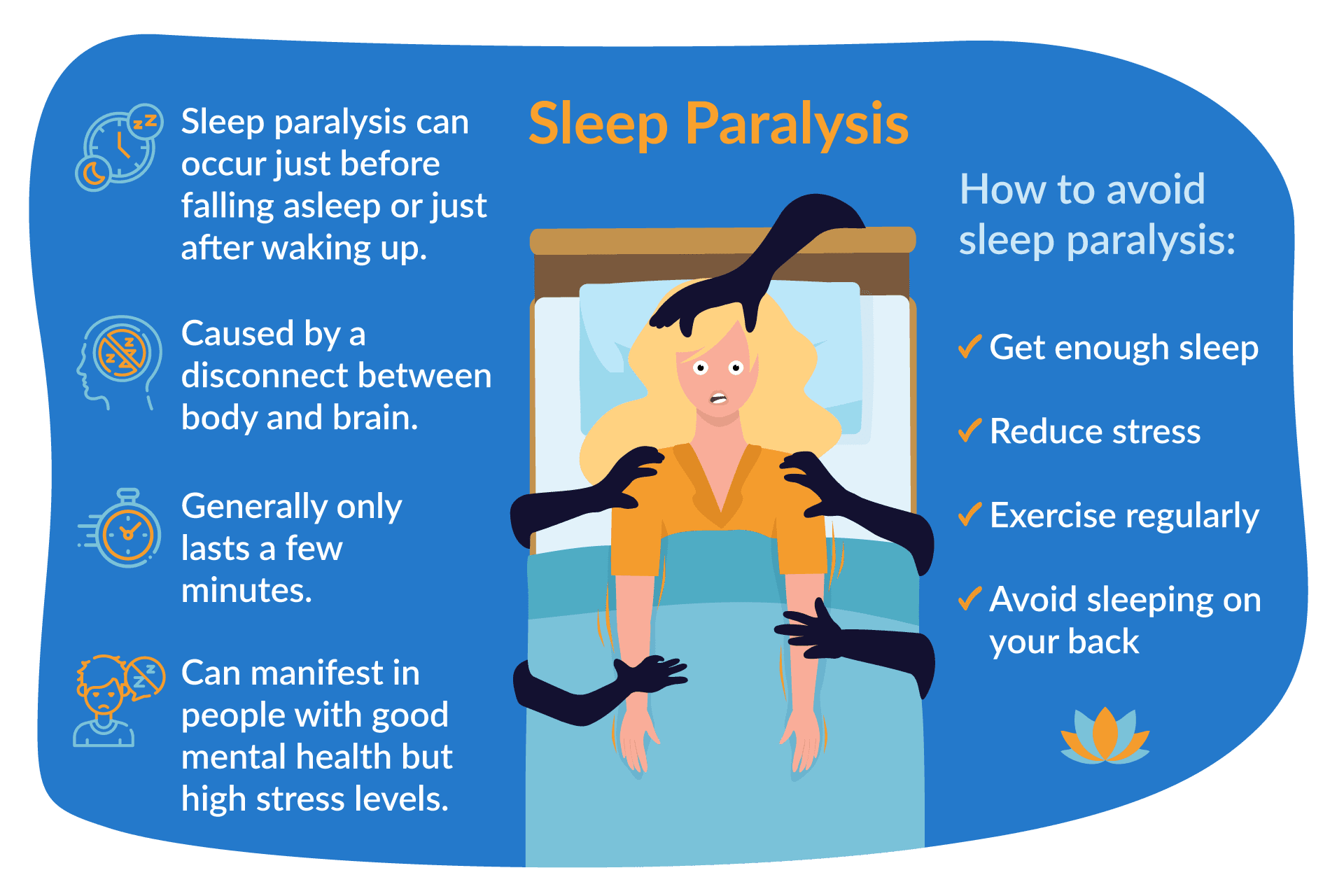
In this article, you will delve into the intriguing phenomenon of sleep paralysis, a condition where individuals experience a temporary inability to move or speak while transitioning between sleep and wakefulness. By exploring the reasons behind sleep paralysis, you will gain insight into the various factors that contribute to this perplexing state of altered consciousness. From the role of disrupted sleep patterns to the influence of stress and anxiety on the mind and body, understanding the underlying causes of sleep paralysis is essential in shedding light on this enigmatic phenomenon. What Causes Sleep Paralysis?
Have you ever woken up in the middle of the night unable to move, feeling as though there is a heavy weight on your chest? If so, you may have experienced sleep paralysis. But what causes this phenomenon?

Biological Factors
Sleep paralysis is thought to be closely related to the process of REM sleep, the stage of sleep in which dreaming occurs. During REM sleep, the body is typically paralyzed to prevent individuals from acting out their dreams. However, in cases of sleep paralysis, this paralysis continues even after waking up. This phenomenon is believed to be caused by disruptions in the REM sleep cycle.
REM Sleep Cycle
When you fall asleep, your brain goes through various stages of sleep, including non-REM sleep and REM sleep. REM sleep is characterized by rapid eye movements and vivid dreams. It is during this stage that the body is usually paralyzed to prevent individuals from physically acting out their dreams. This paralysis is caused by the inhibition of motor neurons in the brainstem.
Disruptions in the REM Sleep Cycle
In cases of sleep paralysis, the transition between REM sleep and wakefulness is disrupted, leading to a state in which the body is paralyzed even though the individual is awake. This disruption can occur due to various factors, such as stress, anxiety, and sleep disorders like insomnia or narcolepsy.

Psychological Factors
In addition to biological factors, psychological factors can also play a role in the development of sleep paralysis. Stress, anxiety, and trauma are often cited as triggers for sleep paralysis episodes.
Stress and Anxiety
High levels of stress and anxiety can disrupt sleep patterns and make individuals more prone to experiencing sleep paralysis. When the body is under stress, the natural sleep cycle can be disturbed, leading to disruptions in REM sleep and an increased likelihood of sleep paralysis.
Trauma
Individuals who have experienced trauma, such as physical or emotional abuse, may also be at a higher risk of experiencing sleep paralysis. Trauma can trigger feelings of fear and anxiety, which can manifest as episodes of sleep paralysis.

Cultural and Historical Perspectives
Sleep paralysis has been documented throughout history in various cultures and is often associated with supernatural or spiritual beliefs. In some cultures, sleep paralysis is thought to be caused by malevolent entities or spirits that visit individuals during the night.
Folklore and Mythology
In folklore and mythology, sleep paralysis is often attributed to supernatural beings such as demons, witches, or ghosts. These entities are believed to visit individuals during their sleep and cause paralysis as a form of malevolent punishment.
Cultural Beliefs
Cultural beliefs surrounding sleep paralysis vary around the world. In some cultures, sleep paralysis is seen as a spiritual experience, while in others, it is viewed as a medical condition. Understanding the cultural and historical perspectives of sleep paralysis can provide valuable insights into the phenomenon.

Treatment and Management
Although sleep paralysis can be a frightening experience, it is generally not harmful and does not require treatment in most cases. However, there are strategies that can help individuals manage and reduce the frequency of sleep paralysis episodes.
Sleep Hygiene
Maintaining good sleep hygiene practices, such as going to bed and waking up at the same time each day, avoiding caffeine and electronics before bedtime, and creating a relaxing bedtime routine, can help improve sleep quality and reduce the likelihood of experiencing sleep paralysis.
Stress Management
Managing stress and anxiety through techniques such as mindfulness, meditation, yoga, or therapy can help reduce the frequency of sleep paralysis episodes. By addressing underlying psychological factors, individuals may experience fewer episodes of sleep paralysis.
Medical Treatment
In some cases, sleep paralysis may be a symptom of an underlying sleep disorder, such as narcolepsy or sleep apnea. If sleep paralysis is frequent or disruptive to daily life, it is important to consult a healthcare provider for a thorough evaluation and appropriate treatment.

Conclusion
In conclusion, sleep paralysis is a fascinating and complex phenomenon that stems from a combination of biological, psychological, and cultural factors. By understanding the reasons behind sleep paralysis, individuals can better manage and cope with this experience. If you have experienced sleep paralysis, know that you are not alone, and there are strategies available to help you navigate this unique aspect of sleep.