
In this article, we will explore the fascinating phenomenon known as sleep paralysis and its significant impact on your daily life and productivity. Sleep paralysis is a temporary condition that occurs when you wake up or fall asleep, leaving you unable to move or speak. It can be accompanied by hallucinations and a sense of impending danger, causing discomfort and distress for those who experience it. This article aims to shed light on the effects of sleep paralysis, both in terms of its immediate consequences and its long-term implications for your overall well-being and productivity.
Definition of Sleep Paralysis
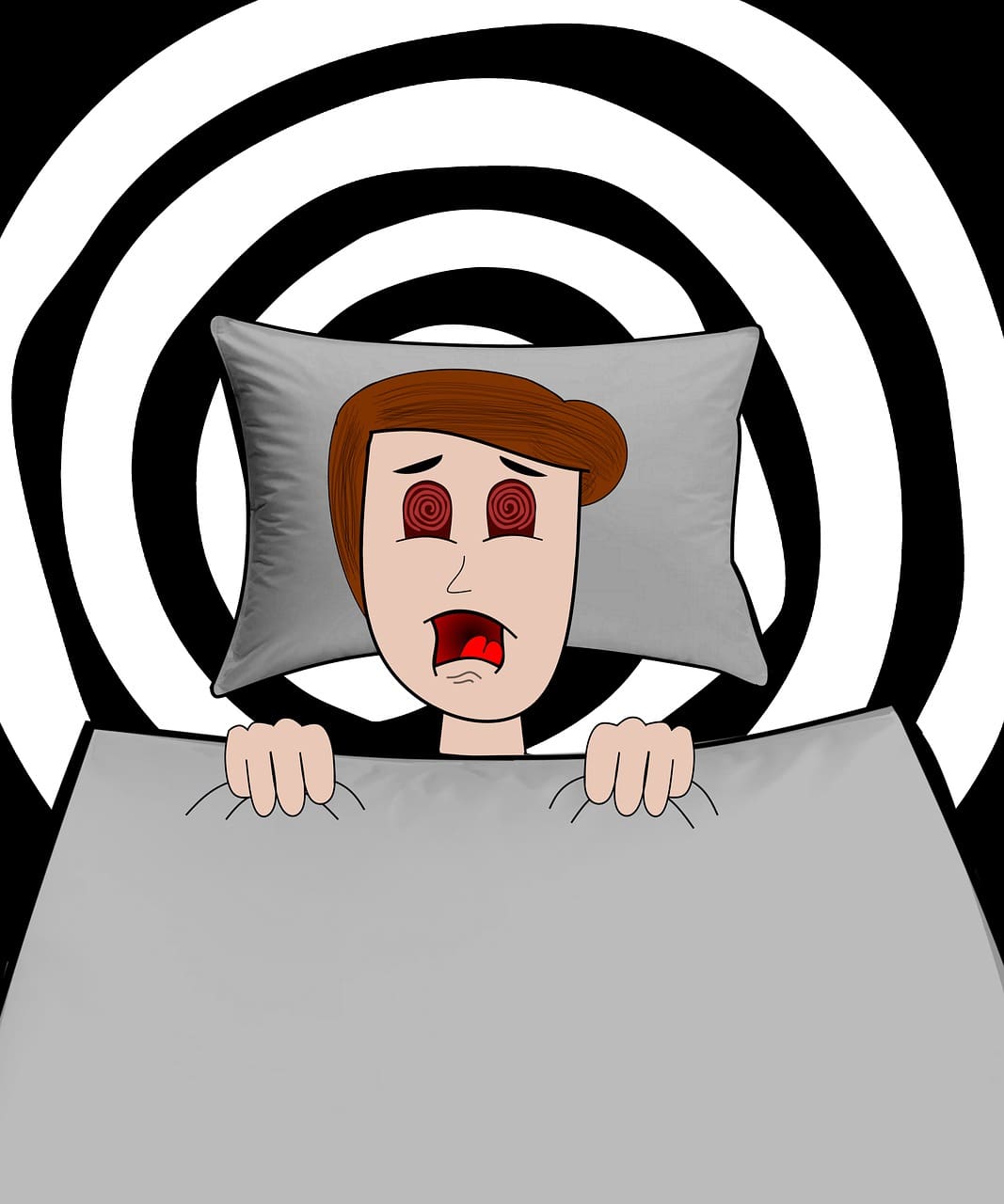
Sleep paralysis is a phenomenon that occurs during the transition between wakefulness and sleep, where an individual is temporarily unable to move or speak. It is a condition that affects the body’s ability to function normally during sleep and can have a significant impact on the overall well-being of an individual. Sleep paralysis often occurs when the brain and body are out of sync during the sleep cycle, leading to a temporary paralysis of the muscles. It is a relatively common occurrence, with many individuals experiencing it at least once in their lives.
Explanation of Sleep Paralysis
During sleep, the body undergoes various stages, including rapid eye movement (REM) sleep, which is characterized by intense brain activity and vivid dreams. Sleep paralysis most commonly occurs during REM sleep, when the brain is highly active, but the body is temporarily immobilized to prevent acting out dreams. In normal circumstances, when an individual wakes up, the brain sends signals to the muscles, allowing them to move and carry out voluntary actions. However, during sleep paralysis, this process is disrupted, and the voluntary muscles remain temporarily paralyzed even though the individual is conscious.
Types of Sleep Paralysis
There are two main types of sleep paralysis: isolated sleep paralysis (ISP) and recurrent isolated sleep paralysis (RISP). ISP refers to episodes of sleep paralysis that occur sporadically and are not associated with any underlying sleep disorders. RISP, on the other hand, involves repeated episodes of sleep paralysis over an extended period. RISP often occurs in conjunction with other sleep disorders, such as narcolepsy, a condition characterized by excessive daytime sleepiness.
Prevalence of Sleep Paralysis
Sleep paralysis is relatively common, with various studies estimating its prevalence in different populations. Research suggests that between 8% to 50% of individuals may experience sleep paralysis at some point in their lives. The occurrence of sleep paralysis can vary among different demographic groups, with higher rates reported among individuals with psychiatric conditions, such as anxiety and depression. Sleep paralysis can affect individuals of all ages, although it appears to be more common in teenagers and young adults.
Causes of Sleep Paralysis
Understanding the causes of sleep paralysis can provide insight into why some individuals experience this phenomenon more frequently than others. While the exact mechanisms behind sleep paralysis are not fully understood, several factors have been identified as potential contributors.
Role of REM Sleep
REM sleep plays a crucial role in the occurrence of sleep paralysis. During REM sleep, the brain is highly active, and vivid dreams can occur. To prevent acting out these dreams, the body undergoes temporary muscle paralysis, known as REM atonia. Sleep paralysis is thought to occur when there is a disruption in the timing between the brain’s activation during REM sleep and the subsequent muscle paralysis.
Sleep Disorders Associated with Sleep Paralysis
Sleep disorders, such as narcolepsy and sleep apnea, have been found to be associated with sleep paralysis. Narcolepsy is a neurological disorder that affects the brain’s ability to regulate sleep-wake cycles, leading to excessive daytime sleepiness and sudden episodes of muscle weakness or paralysis, including sleep paralysis. Sleep apnea, a condition characterized by interrupted breathing during sleep, has also been linked to sleep paralysis.
Link Between Stress and Sleep Paralysis
Stress has long been recognized as a significant contributor to the occurrence of sleep paralysis. High levels of stress can disrupt the normal sleep cycle, leading to irregularities in REM sleep and an increased likelihood of experiencing sleep paralysis. Stress can also trigger other sleep disorders, further increasing the risk of sleep paralysis. Managing stress and adopting healthy coping mechanisms can help reduce the occurrence of sleep paralysis.
Effects of Sleep Deprivation on Sleep Paralysis
Sleep deprivation, whether due to an erratic sleep schedule, work demands, or lifestyle factors, can significantly increase the likelihood of experiencing sleep paralysis. Lack of sufficient sleep can disrupt the natural sleep cycle, causing REM sleep to occur more frequently and for longer durations. This can lead to an imbalance between REM sleep and the body’s ability to transition in and out of it smoothly, heightening the chances of sleep paralysis episodes.
Symptoms of Sleep Paralysis
Sleep paralysis is characterized by several distinct symptoms that can vary in intensity and duration from person to person.
Inability to Move or Speak
The hallmark symptom of sleep paralysis is the inability to move or speak, despite being fully conscious. This immobility can be distressing and may cause individuals to feel trapped or helpless. It is important to note that while voluntary muscle movement is impaired, involuntary functions, such as breathing, remain unaffected.
Hallucinations
Hallucinations are another common symptom of sleep paralysis. During an episode, individuals may experience vivid and often frightening hallucinations, which can take various forms. These hallucinations can include the sensation of a presence in the room, shadowy figures, or auditory hallucinations, such as whispers or footsteps.
Sensations of Pressure or Choking
Some individuals may also report sensations of pressure or choking during sleep paralysis episodes. This sensation can create a feeling of suffocation or impending doom, adding to the distress and anxiety associated with sleep paralysis. It is essential to recognize these sensations as part of the sleep paralysis experience and understand that they are not life-threatening.
Fear and Anxiety
Fear and anxiety are prevalent emotional responses during sleep paralysis. The combination of being unable to move, coupled with hallucinations and physical sensations, often leads to intense feelings of fear and panic. These emotions can be overwhelming and contribute to a sense of vulnerability and unease surrounding sleep.
Impact on Daily Life
Sleep paralysis can have a significant impact on an individual’s daily life and overall well-being. The following are some of the ways in which sleep paralysis can disrupt everyday functioning.
Disrupted Sleep Patterns and Quality
Sleep paralysis can disrupt sleep patterns, leading to fragmented and restless sleep. Episodes of sleep paralysis often occur either when falling asleep or upon waking up, making it challenging to maintain a consistent sleep schedule. The fear of experiencing sleep paralysis can also create anxiety around sleep, further compromising sleep quality.
Daytime Drowsiness and Fatigue
The disrupted sleep caused by sleep paralysis can result in excessive daytime sleepiness and fatigue. Individuals may struggle to stay awake and alert during the day, leading to decreased productivity and an increased risk of accidents or errors. The persistent fatigue can negatively impact daily activities, including work, school, and leisure.
Negative Impact on Mood and Mental Health
The emotional toll of sleep paralysis can contribute to the development or exacerbation of mood disorders, such as anxiety and depression. The frequent feelings of fear, panic, and helplessness associated with sleep paralysis can impact overall mental well-being and contribute to a heightened sense of vulnerability during sleep.
Effect on Relationships and Social Life
Sleep paralysis can also affect an individual’s relationships and social life. The fear and anxiety surrounding sleep can make it challenging to engage in social activities that may involve staying overnight or disrupting sleep routines. Additionally, daytime drowsiness and fatigue can limit participation in social events, leading to withdrawal and isolation.
Productivity Challenges
Sleep paralysis can present various challenges when it comes to productivity, both in the workplace and in personal endeavors.
Difficulty Waking up in the Morning
For individuals experiencing sleep paralysis, waking up in the morning can be a struggle. The fear of encountering another episode can create anxiety around sleep, making it challenging to motivate oneself to get out of bed and start the day. This difficulty in waking up can lead to lateness, missed appointments, and a rushed and stressful morning routine.
Problems with Concentration and Focus
Daytime drowsiness and fatigue resulting from disturbed sleep can significantly impact concentration and focus. Individuals may find it challenging to stay engaged in tasks, leading to reduced productivity and an increased risk of errors. The lack of mental clarity can also hinder problem-solving abilities and impair decision-making.
Decreased Energy Levels
Sleep paralysis can drain an individual’s energy levels, making it difficult to sustain energy throughout the day. This can result in decreased motivation, reduced physical endurance, and a general sense of sluggishness, hindering the ability to perform at one’s best.
Impaired Cognitive Function
The combination of disrupted sleep, daytime drowsiness, and decreased mental clarity can impair cognitive function. Memory, attention, and processing speed may be affected, making it challenging to retain information, learn new tasks, or effectively multitask. This can have long-term consequences on an individual’s cognitive abilities and overall performance.
Coping Strategies and Treatment Options
Fortunately, there are several coping strategies and treatment options available to help manage sleep paralysis and its associated challenges.
Improving Sleep Hygiene
Adopting good sleep hygiene practices can help improve sleep quality and reduce the frequency of sleep paralysis episodes. This includes maintaining a consistent sleep schedule, creating a relaxing bedtime routine, ensuring a comfortable sleep environment, and avoiding stimulants such as caffeine and electronic devices before bed.
Stress Management Techniques
Managing stress can be instrumental in reducing the occurrence of sleep paralysis. Engaging in stress reduction techniques such as meditation, deep breathing exercises, and mindfulness can help promote relaxation and improve sleep quality. Additionally, seeking support from mental health professionals or participating in therapy can provide valuable coping mechanisms for dealing with stress.
Seeking Medical Advice and Diagnosis
If sleep paralysis significantly impacts daily life and well-being, it is important to seek medical advice and diagnosis from a healthcare professional. A sleep specialist or a therapist with expertise in sleep disorders can assess the individual’s symptoms, provide a proper diagnosis, and recommend appropriate treatment options.
Medication and Therapy Options
In some cases, medication or therapy may be recommended to manage sleep paralysis. Medications such as selective serotonin reuptake inhibitors (SSRIs) and tricyclic antidepressants can help regulate sleep patterns and reduce the occurrence of sleep paralysis. Cognitive-behavioral therapy (CBT) may also be effective in identifying and addressing the underlying causes of sleep paralysis.

Lifestyle Changes to Reduce Sleep Paralysis
In addition to coping strategies and treatment options, making certain lifestyle changes can help reduce the frequency and impact of sleep paralysis episodes.
Establishing a Regular Sleep Schedule
Maintaining a consistent sleep schedule can regulate the sleep-wake cycle, making it less likely for sleep paralysis to occur. Going to bed and waking up at the same time each day, even on weekends, can help synchronize the body’s internal clock and promote better sleep.
Creating a Comfortable Sleep Environment
Creating a sleep-friendly environment can contribute to a more restful night’s sleep and reduce the likelihood of sleep paralysis. This includes ensuring a comfortable mattress and pillows, adjusting room temperature and lighting to personal preferences, and minimizing noise and distractions.
Managing Stress and Anxiety
As stress is closely linked to the occurrence of sleep paralysis, managing stress and anxiety levels is crucial in reducing its impact. Engaging in stress-reducing activities such as exercise, mindfulness, and relaxation techniques can provide relief and promote better sleep.
Exercising Regularly
Regular physical activity has numerous benefits for overall health and can positively impact sleep quality and the occurrence of sleep paralysis. Engaging in moderate-intensity exercise, such as walking, jogging, or yoga, can help regulate sleep patterns, reduce stress, and promote overall well-being.
Supporting Others with Sleep Paralysis
For those who have friends or loved ones experiencing sleep paralysis, it is important to offer support and understanding.
Understanding and Empathy
Educating oneself about sleep paralysis and its impact is the first step in providing support. Understanding the symptoms, challenges, and potential causes of sleep paralysis can help create empathy when discussing the condition with others.
Offering a Safe and Supportive Space
Creating an environment where individuals can openly discuss their experiences with sleep paralysis without judgment or fear can be incredibly beneficial. Providing a safe space to talk about fears, anxieties, and frustrations can help alleviate some of the emotional burden associated with sleep paralysis.
Educating Others About Sleep Paralysis
Spreading awareness and educating others about sleep paralysis can help reduce stigma and foster understanding. By sharing accurate and factual information, individuals can help dispel misconceptions surrounding sleep paralysis and promote empathy and support within their communities.
Encouraging Professional Help if Needed
If sleep paralysis significantly impacts an individual’s daily life and well-being, it may be necessary to encourage seeking professional help. Encouraging friends or loved ones to consult with a sleep specialist or therapist can provide access to additional resources and support tailored to their specific needs.
Seeking Professional Help
For individuals experiencing severe and persistent sleep paralysis symptoms, it is crucial to seek professional help from medical experts and professionals specializing in sleep disorders.
Consulting a Sleep Specialist or Therapist
A sleep specialist is a healthcare professional who specializes in diagnosing and treating sleep disorders. Consulting a sleep specialist can help individuals receive an accurate diagnosis, understand the underlying causes of sleep paralysis, and explore appropriate treatment options.
Diagnosis and Medical Tests
To diagnose sleep paralysis, a sleep specialist may conduct a comprehensive evaluation that includes a thorough medical history, physical examination, and potentially overnight sleep studies. These sleep studies, such as polysomnography, can monitor and record various physiological factors during sleep to assist in the diagnosis of sleep disorders.
Discussion of Treatment Options
Following diagnosis, a sleep specialist will discuss treatment options tailored to the individual’s specific needs. This may include lifestyle modifications, behavioral interventions, medication management, or a combination of approaches, depending on the underlying causes and severity of the sleep paralysis.
Therapeutic Techniques for Sleep Paralysis
Therapeutic techniques, such as cognitive-behavioral therapy for sleep disorders (CBT-I), can be effective in managing sleep paralysis. CBT-I focuses on identifying and modifying negative thoughts and behaviors that contribute to sleep disturbances, teaching relaxation exercises, and improving sleep hygiene.
Conclusion
Sleep paralysis can have a significant impact on an individual’s daily life and productivity. Understanding the symptoms, causes, and effects of sleep paralysis is key to recognizing its presence and seeking appropriate treatment. By managing stress, improving sleep hygiene, seeking professional help when necessary, and making lifestyle changes, individuals can alleviate the burden of sleep paralysis and improve their overall well-being. Promoting awareness, understanding, and support for those affected by sleep paralysis is crucial in building a community that recognizes the importance of good sleep health. By recognizing and addressing sleep paralysis, individuals can take control of their sleep and pave the way for improved daily life and productivity.