

Welcome to a helpful guide on effectively communicating with healthcare providers about your experiences with sleep paralysis. By using clear and concise language, providing specific details about your symptoms and experiences, and actively participating in the conversation with your healthcare provider, you can ensure that your concerns are understood and addressed appropriately. This article aims to provide you with practical tips and strategies for discussing sleep paralysis with your healthcare team in a productive and supportive manner. So, don’t hesitate to open up and communicate openly about your experiences to promote better understanding and guidance from your providers. Have you ever experienced sleep paralysis and wondered how to talk to your healthcare provider about it? You’re not alone. Many people experience this frightening phenomenon, but discussing it with a healthcare professional can be daunting. In this article, we will discuss the best ways to communicate with healthcare providers about your sleep paralysis experiences. Let’s dive in!
Understanding Sleep Paralysis
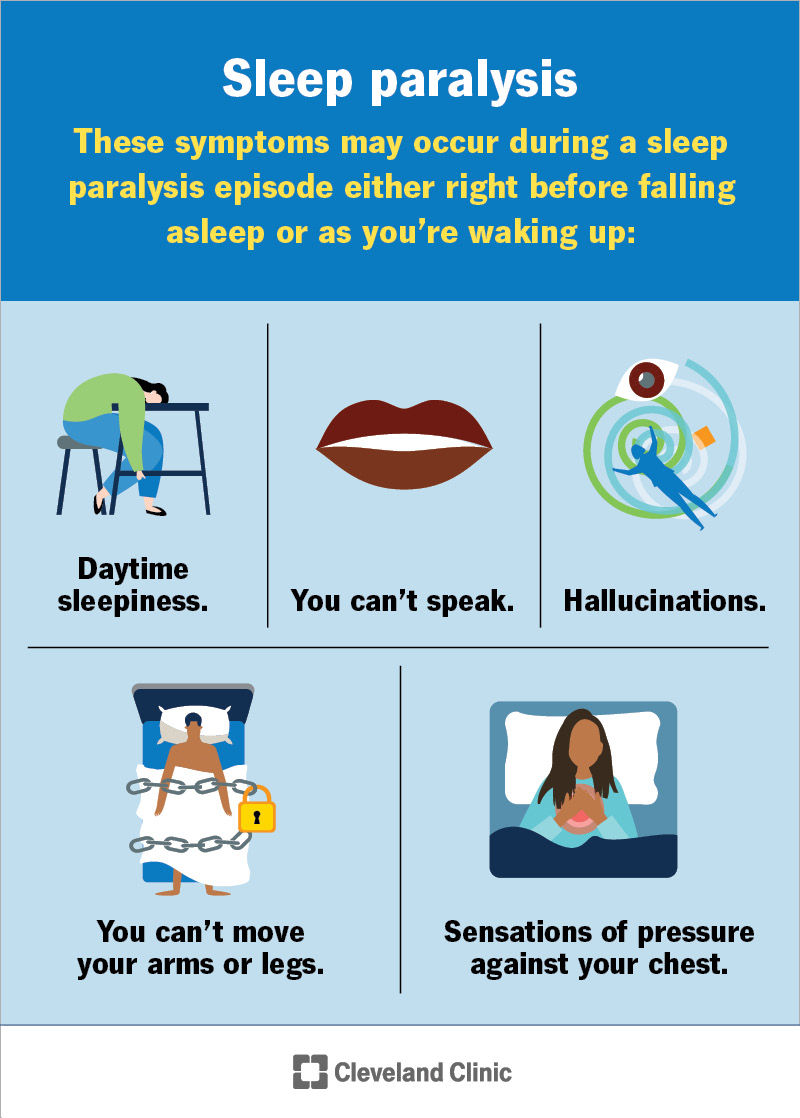
Before discussing sleep paralysis experiences with your healthcare provider, it’s essential to understand what sleep paralysis is and how it can affect you. Sleep paralysis is a temporary inability to move or speak while falling asleep or waking up. It can be accompanied by vivid hallucinations and a feeling of pressure on the chest.
How Sleep Paralysis Works
During REM (rapid eye movement) sleep, your body is usually immobile to prevent you from acting out your dreams. Sleep paralysis occurs when you wake up during REM sleep, and your brain is awake, but your body is still in the immobilized state. This can lead to feelings of fear, panic, and helplessness.
Recognizing the Symptoms of Sleep Paralysis
Recognizing the symptoms of sleep paralysis can help you communicate effectively with your healthcare provider about your experiences. Some common symptoms include:
- Inability to move or speak
- Feeling of pressure on the chest
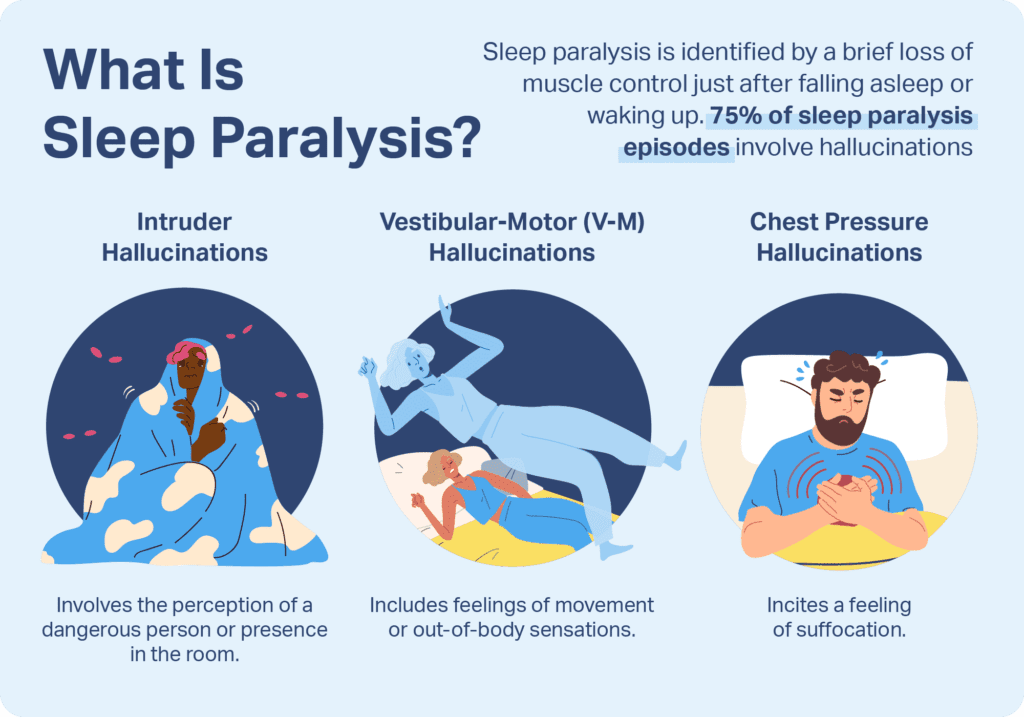
- Hallucinations, such as seeing or hearing things that are not real
- Sensation of fear or impending doom
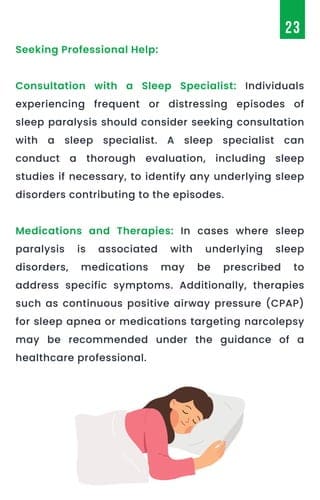
If you have experienced any of these symptoms, it’s important to discuss them with your healthcare provider to rule out any underlying medical conditions or sleep disorders.
Keeping a Sleep Journal
Keeping a sleep journal can be helpful in tracking your sleep paralysis experiences and identifying any patterns or triggers. In your sleep journal, you can note the following:
- Date and time of the episode
- Duration of the episode
- Any preceding stressors or sleep disturbances
- Any medications or substances consumed before bedtime
By recording this information, you can provide your healthcare provider with valuable insights into your sleep paralysis experiences and help them determine the best course of action for your care.

Communicating Your Experiences with Your Healthcare Provider
When discussing your sleep paralysis experiences with your healthcare provider, it’s essential to be open and honest about your symptoms and how they are impacting your quality of life. Here are some tips for effective communication:
- Be prepared: Before your appointment, jot down any questions or concerns you have about your sleep paralysis experiences.
- Describe your symptoms: Provide detailed descriptions of your sleep paralysis episodes, including the sensations, emotions, and any associated hallucinations.
- Share your sleep journal: Bring your sleep journal to your appointment to show your healthcare provider your documented experiences.
- Ask questions: Don’t be afraid to ask questions or seek clarification about your condition and treatment options.
By communicating openly and effectively with your healthcare provider, you can work together to find the best solutions for managing your sleep paralysis experiences.
Treatment Options for Sleep Paralysis
Treatment for sleep paralysis depends on the underlying cause and severity of your symptoms. Here are some common treatment options that your healthcare provider may recommend:
Lifestyle Changes
Making lifestyle changes can help improve your sleep quality and reduce the frequency of sleep paralysis episodes. Some lifestyle changes you can consider include:
- Establishing a regular sleep schedule
- Creating a relaxing bedtime routine
- Avoiding stimulants like caffeine and nicotine before bedtime
- Managing stress through techniques like meditation or deep breathing exercises
By making these lifestyle changes, you may experience a reduction in the frequency and intensity of your sleep paralysis experiences.
Cognitive Behavioral Therapy (CBT)
Cognitive Behavioral Therapy (CBT) can be beneficial for managing sleep paralysis by addressing any underlying anxiety or stress that may contribute to your symptoms. Through CBT, you can learn new coping strategies and techniques to help reduce fear and panic during episodes of sleep paralysis.
Medication
In some cases, your healthcare provider may prescribe medication to help manage your sleep paralysis symptoms. Medications like selective serotonin reuptake inhibitors (SSRIs) or tricyclic antidepressants may be prescribed to help regulate your sleep-wake cycle and reduce the occurrence of sleep paralysis episodes.

Seeking Support and Resources
Dealing with sleep paralysis can be challenging, but you don’t have to face it alone. Seeking support from friends, family, or support groups can be beneficial in coping with your experiences. Additionally, there are resources available online and in your community that can provide information and guidance on managing sleep paralysis.
Support Groups
Joining a support group for individuals who experience sleep paralysis can provide you with a sense of community and understanding. Sharing your experiences with others who have gone through similar situations can be comforting and empowering.
Online Resources
There are many online resources available that offer information and support for individuals dealing with sleep paralysis. Websites, forums, and social media groups dedicated to sleep disorders can provide valuable insights, tips, and resources for managing your condition.
Conclusion
Communicating with your healthcare provider about your sleep paralysis experiences is essential for receiving the support and guidance you need to manage your symptoms effectively. By being open and honest about your experiences, sharing your symptoms, and exploring treatment options, you can work towards finding solutions that improve your quality of life and well-being. Remember that you are not alone in your experiences, and there are resources and support available to help you navigate your journey with sleep paralysis.