
Welcome to an eye-opening article that explores the fascinating link between sleep paralysis and substance abuse. While sleep paralysis is a terrifying phenomenon that affects many people, recent studies have shown a surprising correlation between experiencing sleep paralysis and engaging in substance abuse. By delving into this connection, we can gain a better understanding of how these two seemingly unrelated issues may be intrinsically linked, leading to potential new insights and approaches for treatment. Let’s dive in and explore this intriguing relationship together. Have you ever wondered about the connection between sleep paralysis and substance abuse? Is there a link between these two seemingly unrelated phenomena? Let’s dive into the topic and explore the potential relationship between them.
Sleep Paralysis: What is it and How Does it Happen?
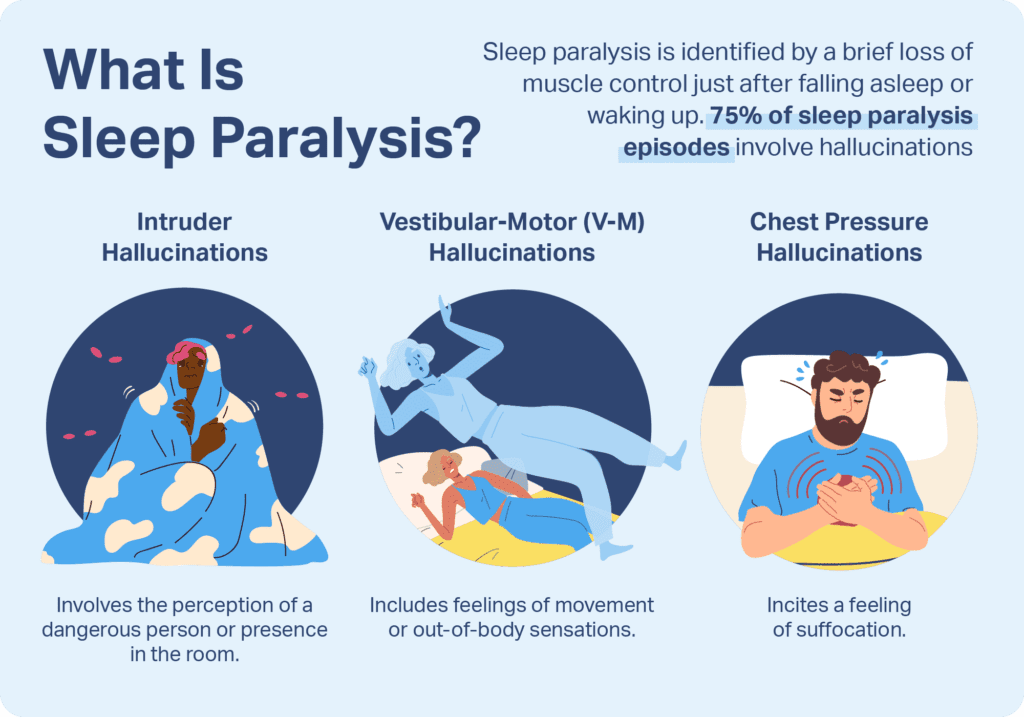
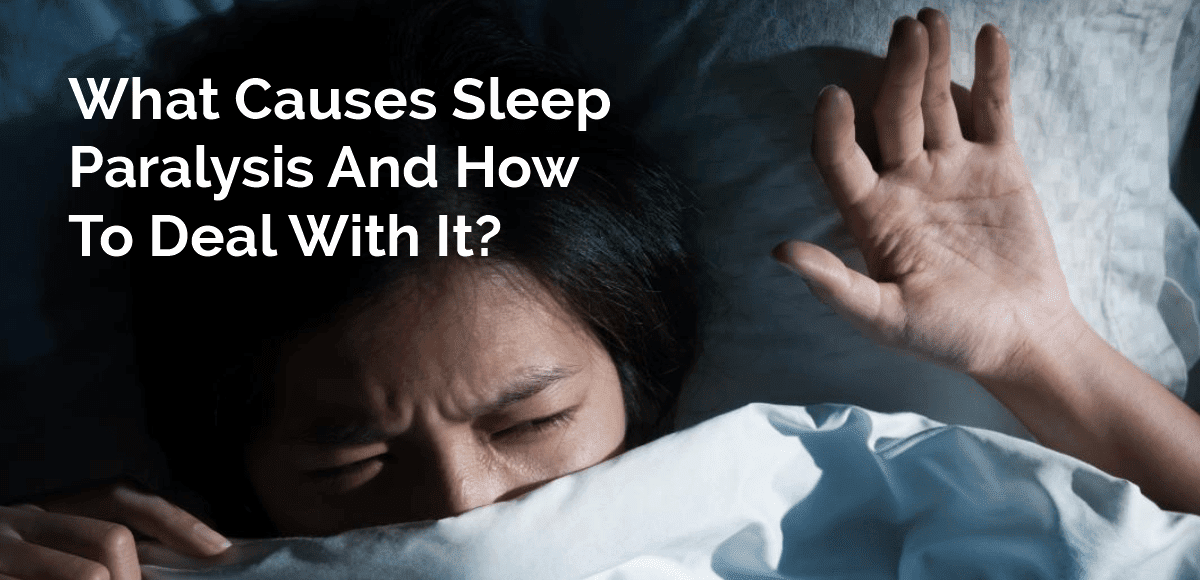
Sleep paralysis is a phenomenon in which a person temporarily experiences a disruption between sleep and wakefulness. It often occurs when a person is falling asleep or waking up and involves a feeling of being unable to move or speak. During sleep paralysis, individuals may also experience hallucinations or a sense of fear or dread.
Understanding the Sleep Cycle and Sleep Paralysis
The sleep cycle consists of different stages, including non-rapid eye movement (NREM) sleep and rapid eye movement (REM) sleep. Sleep paralysis often occurs during transitions between these stages, particularly during the REM stage when dreaming takes place. It is believed that during sleep paralysis, the body is temporarily paralyzed to prevent acting out dreams.
Risk Factors for Sleep Paralysis
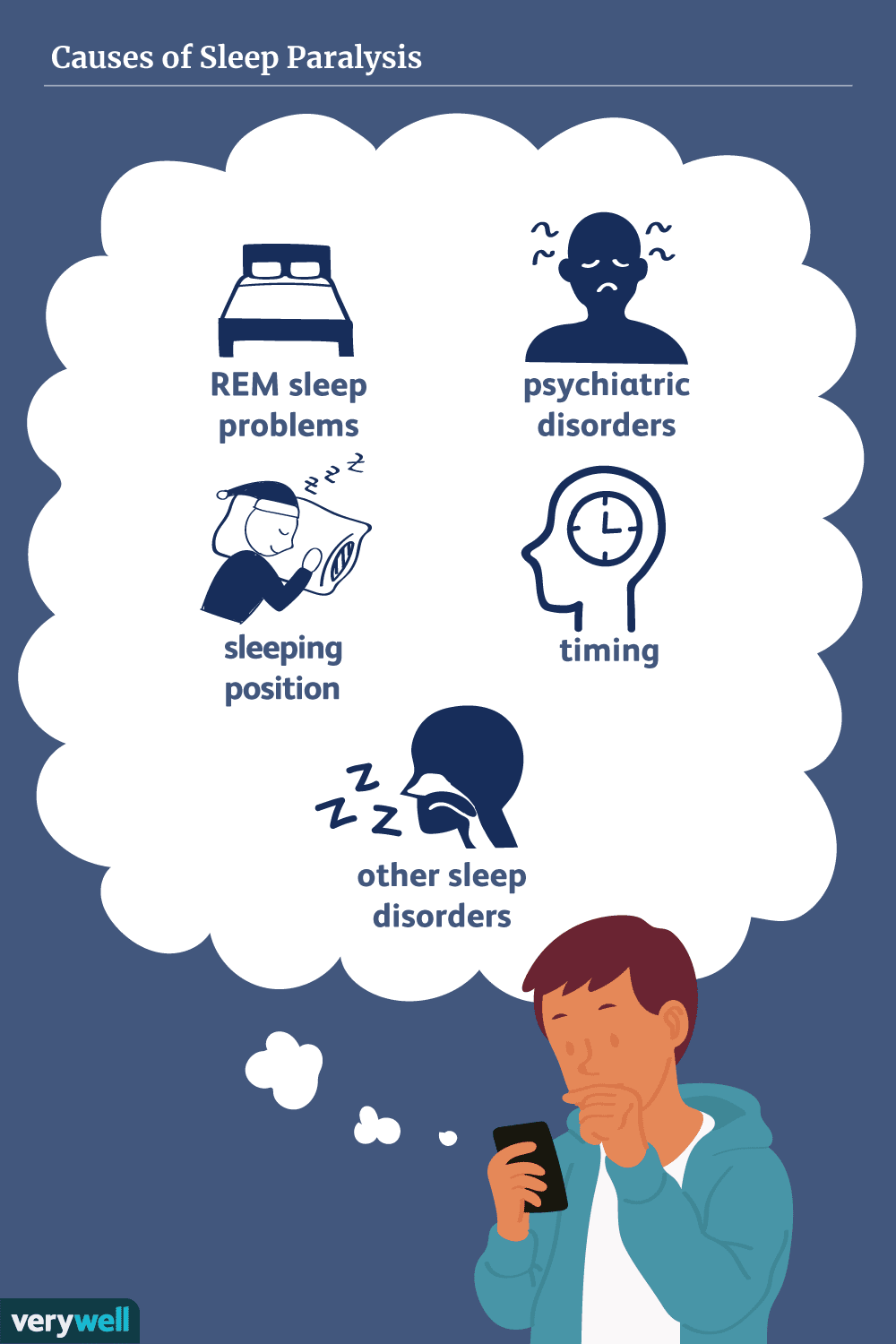
Certain factors may increase the likelihood of experiencing sleep paralysis. These risk factors include:
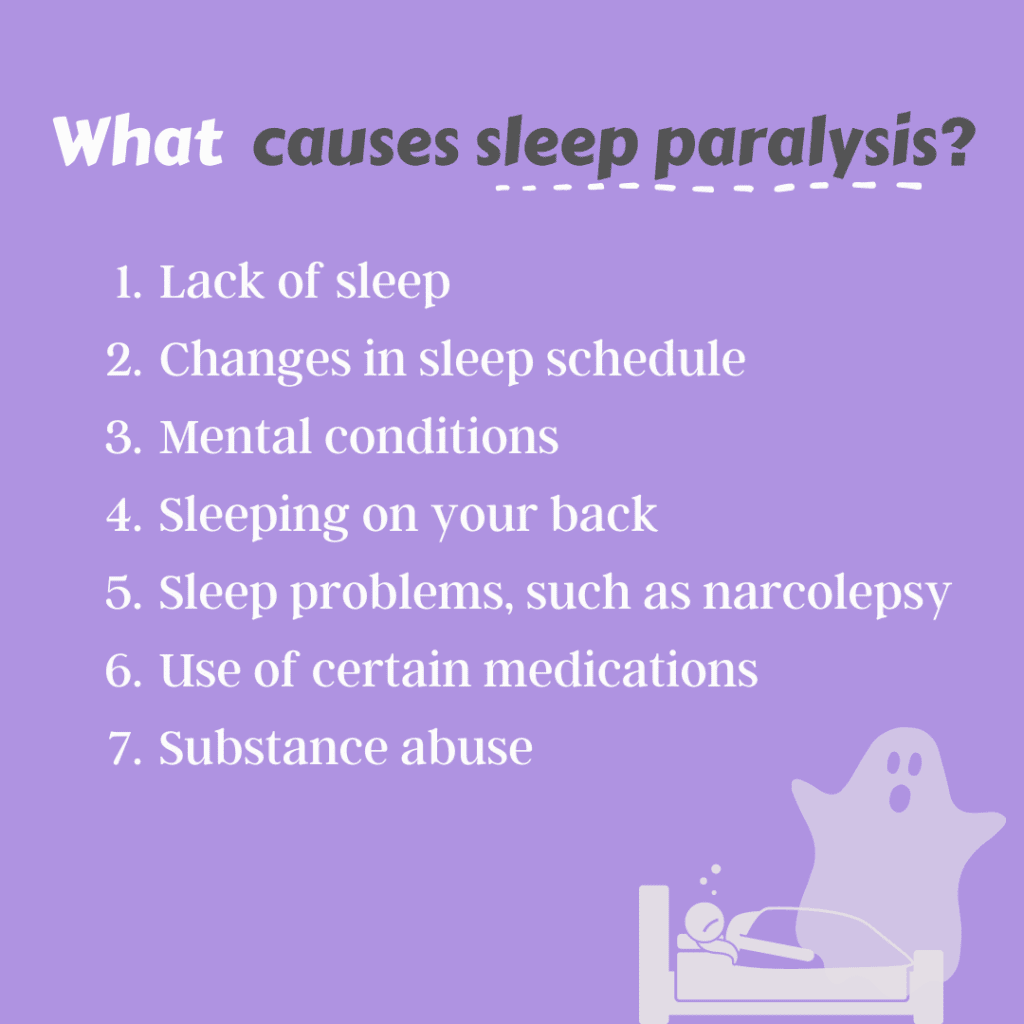
- Sleep Deprivation: Not getting enough sleep can disrupt the sleep cycle and lead to episodes of sleep paralysis.
- Irregular Sleep Patterns: Inconsistent sleep schedules or changes in sleep patterns can trigger sleep paralysis.
- Mental Health Conditions: Anxiety, depression, and other mental health disorders are associated with an increased risk of experiencing sleep paralysis.
- Sleep Disorders: Conditions such as narcolepsy or sleep apnea may also contribute to episodes of sleep paralysis.
The Relationship Between Sleep Paralysis and Substance Abuse
Now, let’s explore the potential connection between sleep paralysis and substance abuse. While the link may not be immediately apparent, there are several factors that suggest a relationship between the two phenomena.
Substance Abuse and Sleep Disruption
Substance abuse, whether it involves alcohol, drugs, or other substances, can significantly impact sleep quality and disrupt the natural sleep cycle. Many substances interfere with the brain’s ability to enter restful sleep stages, leading to fragmented sleep patterns and increased instances of sleep disturbances.
Increased Vulnerability to Sleep Paralysis
Individuals who regularly abuse substances may be more vulnerable to experiencing sleep paralysis due to the disruptions in their sleep patterns. Chronic substance abuse can contribute to sleep disorders and other sleep-related problems, making it more likely for individuals to experience episodes of sleep paralysis.
Stress and Anxiety as Contributing Factors
Substance abuse often coexists with high levels of stress and anxiety, which are known triggers for sleep paralysis. The psychological impact of substance abuse can exacerbate feelings of anxiety and fear, contributing to the occurrence of sleep paralysis episodes.
Hallucinations and Sleep Paralysis
Individuals who abuse certain substances may also be more prone to experiencing hallucinations during sleep paralysis episodes. The altered brain chemistry caused by substance abuse can enhance the intensity of hallucinations and visual disturbances during sleep paralysis, leading to more terrifying experiences.
Effects of Substance Abuse on Sleep Quality
In addition to potentially increasing the risk of experiencing sleep paralysis, substance abuse can have a significant impact on overall sleep quality and duration. Let’s explore the effects of different substances on sleep patterns:
Alcohol and Sleep
While alcohol is often used as a sleep aid, it can actually have negative effects on sleep quality. Alcohol disrupts the sleep cycle, leading to fragmented sleep, decreased REM sleep, and an increase in awakenings during the night. Individuals who consume alcohol before bed may find themselves experiencing more frequent episodes of sleep paralysis.
Stimulants and Sleep
Drugs such as cocaine, amphetamines, and caffeine are stimulants that can interfere with sleep patterns. Stimulants increase alertness and arousal, making it difficult to fall asleep and stay asleep. Chronic use of stimulants can lead to insomnia, sleep disturbances, and a higher likelihood of experiencing sleep paralysis.

Opioids and Sleep
Opioids, including prescription painkillers and illegal drugs like heroin, can have sedative effects that initially promote sleep. However, prolonged use of opioids can disrupt the natural sleep cycle, leading to shallow, fragmented sleep and an increased risk of sleep paralysis. Withdrawal from opioids can also cause sleep disturbances and intense dreams or nightmares.
Marijuana and Sleep
While marijuana is often used to promote relaxation and sleep, its effects on sleep quality can vary. Some individuals report improved sleep with marijuana use, while others experience disruptions in the sleep cycle and reduced REM sleep. Regular marijuana use may impact sleep patterns and contribute to episodes of sleep paralysis.
Seeking Help for Sleep Disorders and Substance Abuse
If you or someone you know is struggling with sleep paralysis and substance abuse, it’s essential to seek help from healthcare professionals. Here are some steps you can take to address these issues:
Consult a Healthcare Provider
If you experience frequent episodes of sleep paralysis or have concerns about your substance use, schedule an appointment with a healthcare provider. They can evaluate your symptoms, provide guidance on managing sleep disorders, and offer resources for addressing substance abuse issues.
Consider Therapy or Counseling
Therapy or counseling can be helpful in addressing the underlying causes of sleep paralysis and substance abuse. Cognitive-behavioral therapy (CBT) and other therapeutic approaches can assist individuals in developing healthier sleep habits and coping mechanisms for managing substance-related issues.
Explore Treatment Options
For individuals struggling with substance abuse, exploring treatment options such as detox programs, residential treatment, or outpatient therapy can be beneficial. Addressing substance abuse issues is crucial for improving overall health and reducing the risk of experiencing sleep disturbances.
Practice Healthy Sleep Habits
Establishing a consistent sleep routine, creating a relaxing sleep environment, and practicing good sleep hygiene can help improve sleep quality and reduce the likelihood of sleep paralysis episodes. Avoiding substances that disrupt sleep and implementing relaxation techniques can also promote better sleep.
Conclusion: Understanding the Link Between Sleep Paralysis and Substance Abuse
In conclusion, there appears to be a complex relationship between sleep paralysis and substance abuse. Disruptions in the sleep cycle caused by substance abuse can contribute to episodes of sleep paralysis, while the psychological impact of substance abuse can increase vulnerability to sleep disturbances. Seeking help from healthcare professionals, exploring treatment options, and practicing healthy sleep habits are essential steps in addressing these issues and improving overall well-being. Remember, you are not alone in facing these challenges, and help is available to support you on your journey towards healthier sleep and recovery from substance abuse.