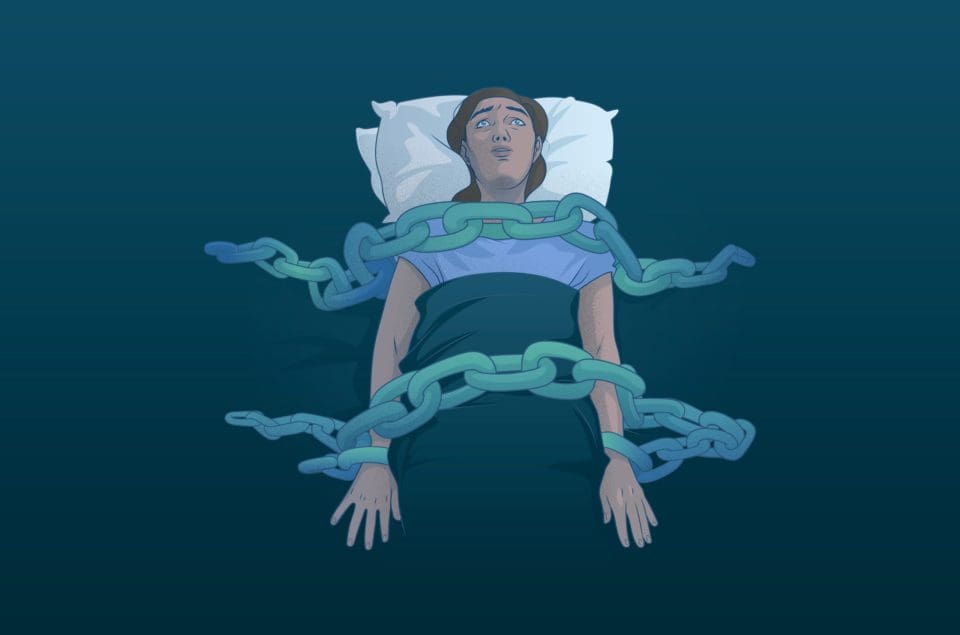
Welcome, friends! Have you ever experienced the strange phenomenon of sleep paralysis? In this article, we will explore the fascinating connection between sleep paralysis and spirituality and religion. Many cultures and belief systems around the world have interpreted the experience of sleep paralysis in various ways, with some viewing it as a spiritual awakening or a visitation from the divine. Join us as we delve into the mysterious and often misunderstood world of sleep paralysis and its significance in the realm of spirituality and religion. Stay tuned for some enlightening insights! Have you ever woken up in the middle of the night unable to move, with a sense of impending doom looming over you? You may have experienced sleep paralysis, a phenomenon that has been linked to spirituality and religion. In this article, we will explore the role of sleep paralysis in these aspects of life and how it has been interpreted and understood throughout history.
What is Sleep Paralysis?
Sleep paralysis is a phenomenon in which a person temporarily experiences an inability to move or speak while falling asleep or waking up. It often occurs during the transitional stages of sleep, such as between a state of wakefulness and rapid eye movement (REM) sleep. This can be a frightening experience, as the individual is conscious but unable to control their body.
The Experience of Sleep Paralysis
Imagine waking up in the middle of the night, only to realize that you are unable to move a muscle. You try to scream for help, but no sound comes out. You feel a heavy pressure on your chest, as if someone or something is holding you down. This is the experience of sleep paralysis, a terrifying phenomenon that has been reported by people around the world throughout history.
The Link Between Sleep Paralysis and Spirituality
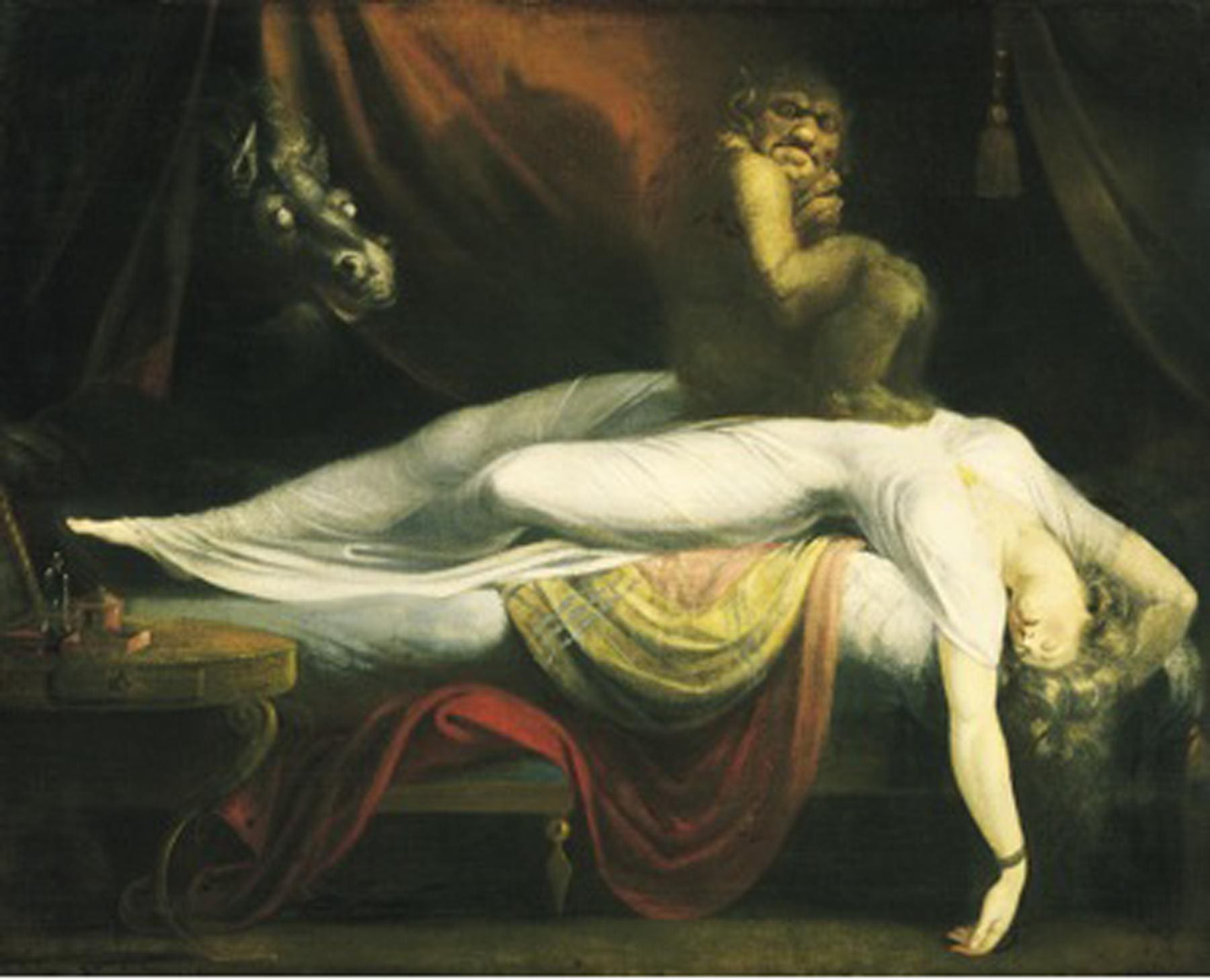
Sleep paralysis has long been associated with spiritual beliefs and supernatural explanations. Many cultures have interpreted sleep paralysis as a visitation from spirits, demons, or other supernatural entities. In some belief systems, sleep paralysis is seen as a form of spiritual attack or possession.
Cultural Interpretations of Sleep Paralysis
In some cultures, sleep paralysis is considered a manifestation of spiritual or supernatural forces. For example, in parts of Africa and the Caribbean, sleep paralysis is often attributed to spiritual entities known as “night hags” or “old hags.” These entities are believed to visit individuals during sleep and cause them to experience paralysis and fear.
The Role of Sleep Paralysis in Shamanism
Shamans, spiritual practitioners who travel between the physical and spiritual worlds, have also reported experiencing sleep paralysis as part of their spiritual practices. Some shamans believe that sleep paralysis allows them to connect with the spirit world and receive messages or guidance from ancestors or spiritual beings.
Sleep Paralysis in Religious Texts
Sleep paralysis has been mentioned in religious texts and scriptures from various faith traditions. In the Bible, for example, sleep paralysis has been interpreted as demonic possession or spiritual attack. In Islamic culture, sleep paralysis is often associated with the presence of jinn, supernatural beings that can interact with humans.
The Role of Sleep Paralysis in Astral Projection
Some individuals who practice astral projection, the belief that consciousness can travel outside of the physical body, have reported experiencing sleep paralysis as a precursor to astral travel. They believe that sleep paralysis allows them to separate their consciousness from their physical body and explore the spiritual realm.
Scientific Explanations of Sleep Paralysis
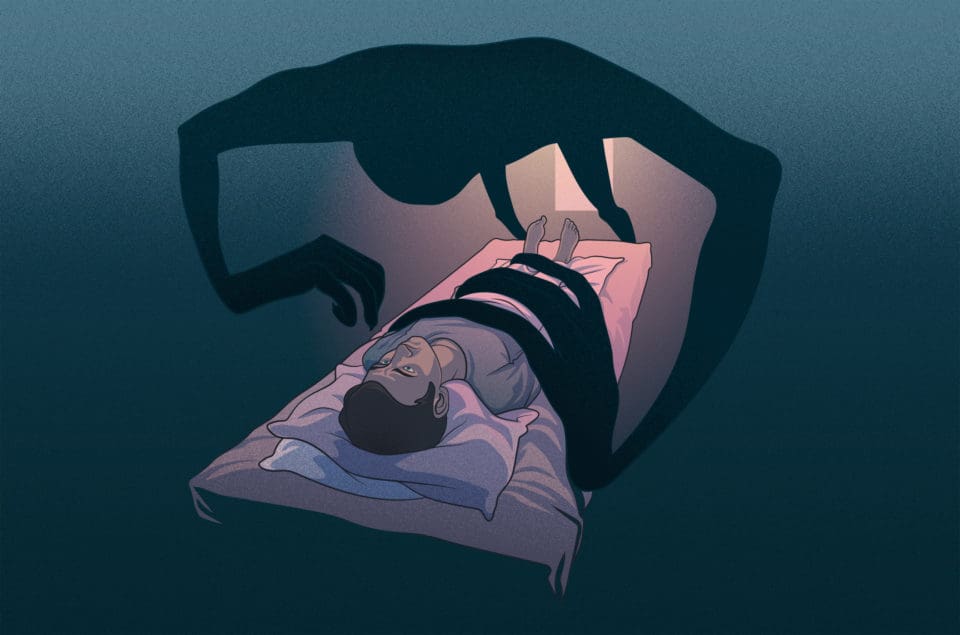
While spiritual and cultural interpretations of sleep paralysis have been prevalent throughout history, modern science offers a different explanation for this phenomenon. Sleep paralysis is now understood as a natural occurrence resulting from the body’s sleep cycles and brain activity.
The Physiology of Sleep Paralysis
During REM sleep, the stage of sleep associated with vivid dreams, the brain sends signals to the body to inhibit muscle movement. This is a protective mechanism that prevents individuals from acting out their dreams and potentially harming themselves. In some cases, individuals may experience sleep paralysis when they wake up during REM sleep, causing a temporary disconnection between the brain and the body’s ability to move.
Sleep Disorders and Sleep Paralysis
Sleep paralysis is often associated with sleep disorders such as narcolepsy, a condition characterized by excessive daytime sleepiness and sudden loss of muscle tone. Individuals with narcolepsy may experience episodes of sleep paralysis as part of their sleep disturbances. Other factors such as stress, anxiety, and irregular sleep patterns can also contribute to the occurrence of sleep paralysis.
The Impact of Stress and Anxiety on Sleep Paralysis
Stress and anxiety can play a significant role in triggering episodes of sleep paralysis. When the body is under stress, the central nervous system may become overstimulated, leading to disruptions in the sleep cycle. This can increase the likelihood of experiencing sleep paralysis, as the body struggles to transition between sleep stages smoothly.
Sleep Paralysis and Hypnagogic Hallucinations
Sleep paralysis is often accompanied by hypnagogic hallucinations, vivid sensory experiences that occur during the transition from wakefulness to sleep. These hallucinations can include visual, auditory, and tactile sensations that feel very real to the individual experiencing them. Hypnagogic hallucinations are thought to be a result of the brain’s altered state during sleep paralysis.
Coping Strategies for Sleep Paralysis
If you regularly experience sleep paralysis and find it to be distressing or disruptive to your sleep, there are strategies you can use to cope with this phenomenon and minimize its impact on your daily life.
Improve Sleep Hygiene
Establishing a consistent sleep routine and creating a relaxing sleep environment can help improve the quality of your sleep and reduce the likelihood of experiencing sleep paralysis. Avoiding stimulants such as caffeine and electronics before bedtime can also promote healthy sleep.
Practice Relaxation Techniques
Engaging in relaxation techniques such as deep breathing, meditation, or progressive muscle relaxation before bed can help calm the mind and body, reducing feelings of stress and anxiety that can contribute to sleep paralysis. These practices can also promote better sleep quality and overall well-being.
Seek Professional Help
If sleep paralysis is causing significant distress or interfering with your daily life, consider seeking support from a healthcare provider or mental health professional. They can help assess your sleep patterns, identify any underlying conditions contributing to sleep paralysis, and provide appropriate treatment options.
Keep a Sleep Journal
Keeping a sleep journal can help you track patterns of sleep paralysis episodes, identify potential triggers, and monitor any changes in your sleep habits over time. By recording your experiences, thoughts, and emotions related to sleep paralysis, you may gain insights into factors that contribute to this phenomenon.
Conclusion
Sleep paralysis is a fascinating phenomenon that has been experienced by people across cultures and throughout history. While spiritual and cultural beliefs offer rich and diverse interpretations of sleep paralysis, modern science provides valuable insights into the physiological and psychological mechanisms that underlie this experience. By understanding the various factors that influence sleep paralysis and implementing coping strategies, individuals can navigate this phenomenon with greater awareness and resilience. Remember, you are not alone in your experiences, and there is support available to help you manage sleep paralysis effectively.